

Canine Brain Aging: Symptoms, Causes & Expert Care Tips
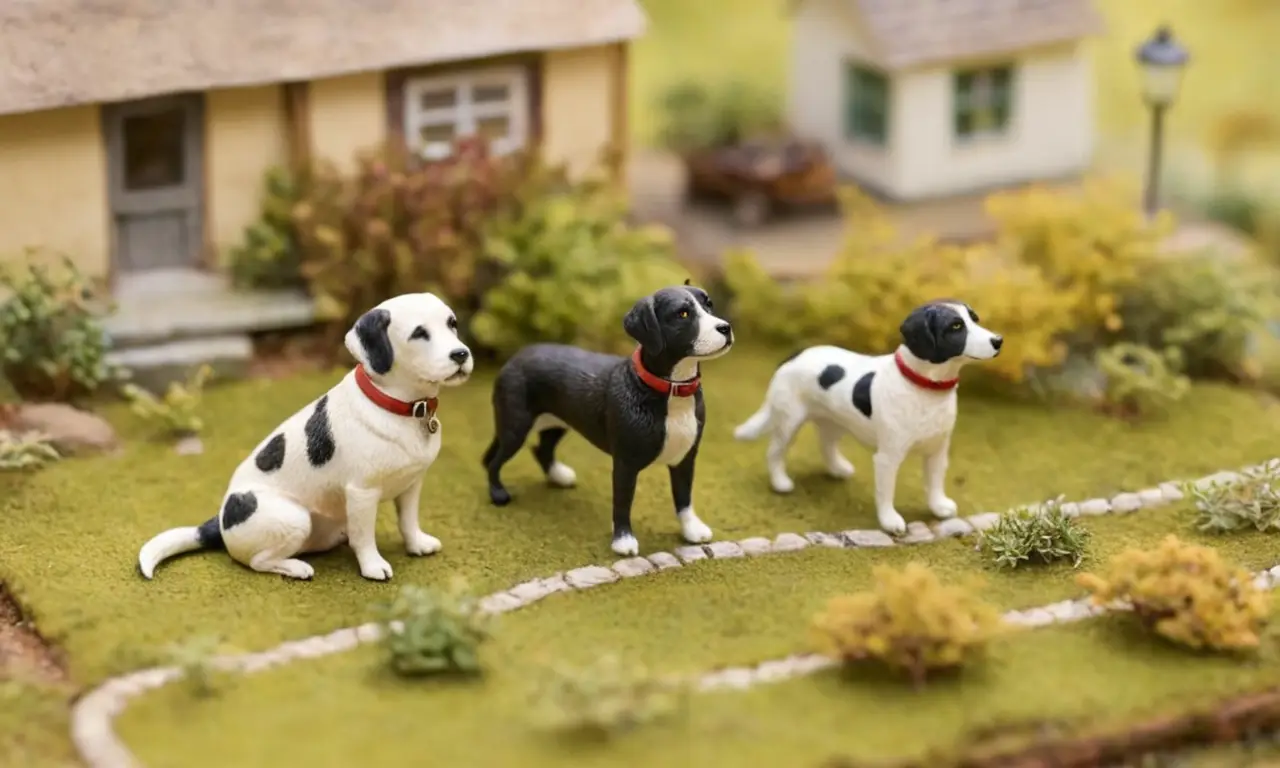
Canine Brain Aging: Understanding and Managing Cognitive Decline in Dogs
As our beloved canine companions age, it’s natural for us to notice changes in their behavior and physical health. One of the most significant aspects of aging in dogs is the decline of their cognitive function, often referred to as Canine Cognitive Dysfunction (CCD) or doggy dementia. This condition, analogous to Alzheimer's disease in humans, can profoundly impact a dog's quality of life and that of their owners. Understanding the Canine Brain Aging – Symptoms and Causes is crucial for early detection, effective management, and ensuring our senior dogs live their golden years with comfort and dignity. This comprehensive guide will delve into the multifaceted nature of canine cognitive decline, exploring its underlying causes, observable symptoms, diagnostic approaches, and the various strategies we can employ to support our aging furry friends.
𝙲𝚘𝚗𝚝𝚎𝚗𝚝
- The Aging Canine Brain: A Biological Perspective
- Recognizing the Signs: Symptoms of Canine Cognitive Dysfunction
- Unraveling the Causes: Factors Contributing to Canine Cognitive Decline
- Diagnosis: What to Expect at the Veterinary Clinic
- Managing Canine Cognitive Dysfunction: Strategies for Enhancing Quality of Life
- The Importance of Early Intervention and Ongoing Care
The Aging Canine Brain: A Biological Perspective
The aging process in dogs, much like in humans, involves gradual cellular and molecular changes. The canine brain is no exception. As dogs age, their brains undergo several physiological alterations that can lead to cognitive impairment. These changes include:
- Oxidative Stress: Free radicals, unstable molecules that damage cells, accumulate over time. The brain, with its high oxygen consumption, is particularly susceptible to oxidative stress, which can damage neurons and impair their function.
- Reduced Blood Flow: As dogs age, blood vessels can become less elastic and more prone to blockages, leading to reduced blood flow to the brain. This decreased perfusion can starve brain cells of essential oxygen and nutrients.
- Inflammation: Chronic low-grade inflammation in the brain, known as neuroinflammation, is a common feature of aging. This inflammation can disrupt neuronal communication and contribute to cell death.
- Amyloid Plaque Accumulation: Similar to Alzheimer's in humans, the accumulation of beta-amyloid protein plaques in the brain can disrupt neural signaling and contribute to cognitive decline.
- Neurotransmitter Imbalances: The production and function of neurotransmitters, chemical messengers in the brain, can be affected by aging, impacting learning, memory, and mood.
- Brain Atrophy: In some cases, there can be a general shrinkage of brain tissue, particularly in areas associated with memory and learning.
These biological changes don't occur overnight but rather represent a gradual process that can be exacerbated by genetics, lifestyle, and environmental factors. Recognizing the Canine Brain Aging – Symptoms and Causes allows us to be proactive in addressing this common aspect of canine aging.
Recognizing the Signs: Symptoms of Canine Cognitive Dysfunction
The symptoms of CCD can be subtle at first and may be mistaken for normal signs of aging. However, a cluster of these changes, especially if they are progressive, indicates a potential problem. It's important to observe your dog closely for any of the following symptoms:
Canine Coronavirus: Symptoms, Treatment, and ContagionChanges in Social Interaction:
- Decreased interest in play or interaction: An older dog that once enjoyed vigorous play may become lethargic and uninterested.
- Increased clinginess or neediness: Some dogs become more anxious and seek constant reassurance.
- Reduced tolerance for petting or affection: Conversely, some dogs may become irritable or less receptive to touch.
- Greeting behavior changes: They might not greet you as enthusiastically as before.
Changes in Activity Levels:
- Decreased activity and lethargy: A general lack of energy and enthusiasm for walks or playtime.
- Restlessness or pacing: Particularly at night, some dogs become agitated and unable to settle.
- Wandering aimlessly: They may seem lost or disoriented even in familiar environments.
Sleep-Wake Cycle Disturbances:
- Disrupted sleep patterns: Sleeping more during the day and being awake and restless at night.
- Vocalization during the night: Whining, barking, or whimpering can be common.
- Difficulty settling down for sleep: An inability to get comfortable and fall asleep.
House-Soiling Accidents:
- Urinating or defecating indoors: Even well-trained dogs may start having accidents, often without apparent cause. This is not defiance but a loss of learned behaviors and spatial awareness.
- Eliminating in inappropriate places: Forgetting established potty spots.
Disorientation and Confusion:
- Staring blankly at walls or into space: Appearing lost in thought or disconnected from their surroundings.
- Getting stuck in corners or behind furniture: Forgetting how to navigate familiar spaces.
- Forgetting familiar routes or people: Difficulty recognizing family members or their usual walking paths.
- Appearing lost in the house: Wandering aimlessly and seeming confused.
Changes in Learning and Memory:
- Forgetting commands they once knew: Difficulty recalling basic obedience cues.
- Reduced ability to learn new tricks or routines: Their capacity for learning diminishes.
- Difficulty navigating familiar obstacles: Struggling with stairs or doorways they previously managed easily.
Increased Anxiety and Irritability:
- Increased anxiety, especially in new situations: Becoming more fearful and reactive.
- Easily startled: More sensitive to loud noises or sudden movements.
- Aggression (uncommon but possible): In some cases, confusion or fear can lead to defensive aggression.
It's important to remember that not all dogs will exhibit all these symptoms, and the severity can vary greatly. Early recognition is key to providing timely support and intervention for Canine Brain Aging – Symptoms and Causes.
Unraveling the Causes: Factors Contributing to Canine Cognitive Decline
While the exact cause of Canine Brain Aging isn't fully understood, a combination of factors is believed to contribute to its development. These include:
- Age: This is the most significant risk factor. Dogs, like humans, are more prone to cognitive decline as they get older, with symptoms typically appearing after the age of 7 or 8, and becoming more prevalent in dogs over 10.
- Genetics: Certain breeds may have a predisposition to cognitive decline, although research is ongoing.
- Lifestyle and Environmental Factors:
- Diet: A diet lacking essential nutrients or antioxidants can exacerbate oxidative stress. Conversely, a diet rich in antioxidants and omega-3 fatty acids may offer some protection.
- Lack of Mental Stimulation: Dogs that are not provided with sufficient mental enrichment throughout their lives may be more susceptible to cognitive decline. This includes engaging in training, puzzle toys, and varied experiences.
- Stress: Chronic stress can negatively impact brain health.
- Head Trauma: Previous injuries to the head can increase the risk of future cognitive issues.
- Medical Conditions: Certain underlying medical conditions can mimic or contribute to CCD symptoms. These include:
- Deafness or Vision Impairment: These sensory deficits can lead to confusion and disorientation.
- Arthritis and Pain: Chronic pain can affect a dog's activity levels and behavior, sometimes appearing as cognitive decline.
- Kidney Disease, Liver Disease, or Diabetes: Systemic illnesses can affect brain function.
- Neurological Disorders: Other brain diseases or tumors can cause similar symptoms.
Understanding these contributing factors is vital for owners seeking to mitigate the risks associated with Canine Brain Aging – Symptoms and Causes.
Diagnosis: What to Expect at the Veterinary Clinic
If you suspect your dog is experiencing cognitive decline, the first and most crucial step is to schedule a veterinary visit. Your veterinarian will conduct a thorough examination to rule out other medical conditions that could be causing similar symptoms. This diagnostic process typically involves:
Canine Ehrlichiosis: Symptoms, Treatment & Prevention Guide- Physical and Neurological Examination: The vet will assess your dog's overall health, reflexes, gait, and balance. They will also look for any signs of pain, sensory deficits (vision, hearing), or other physical abnormalities.
- Behavioral History: You'll be asked detailed questions about your dog's behavior changes, when they started, how they've progressed, and any other relevant observations. It's helpful to keep a journal of your dog's symptoms.
- Blood Tests and Urinalysis: These tests help identify or rule out underlying medical conditions such as kidney or liver disease, diabetes, or infections that could be affecting brain function.
- Cognitive Dysfunction Questionnaire: Many veterinary clinics use standardized questionnaires to help owners systematically assess and document their dog's cognitive symptoms.
- Advanced Diagnostics (if necessary): In some cases, your veterinarian may recommend further tests such as:
- Thyroid Function Tests: Hypothyroidism can sometimes cause neurological signs.
- Imaging (X-rays, Ultrasound): To rule out physical abnormalities.
- Advanced Imaging (CT Scan or MRI): To visualize the brain and identify structural changes like tumors or signs of atrophy. This is usually reserved for cases where a specific neurological issue is suspected.
A definitive diagnosis of CCD is often made based on the exclusion of other medical conditions and the presence of characteristic symptoms. Your veterinarian's expertise is invaluable in navigating the diagnostic process for Canine Brain Aging – Symptoms and Causes.
Managing Canine Cognitive Dysfunction: Strategies for Enhancing Quality of Life
While there is no cure for Canine Brain Aging, various management strategies can significantly improve a dog's quality of life and slow the progression of cognitive decline. A multi-faceted approach combining medical, dietary, environmental, and behavioral interventions is typically most effective.
Medical Management:
- Medications: Several medications are available that can help manage CCD symptoms:
- Selegiline (Anipryl): This is the only FDA-approved drug for canine cognitive dysfunction. It works by increasing dopamine levels in the brain, which can improve alertness and activity.
- Antioxidants: Supplements like Vitamin E, Vitamin C, and SAMe (S-adenosylmethionine) can help combat oxidative stress in the brain.
- Anti-anxiety Medications: For dogs experiencing significant anxiety or behavioral disturbances, anti-anxiety medications may be prescribed.
- Medications for Underlying Conditions: If CCD symptoms are exacerbated by other medical issues, treating those conditions is paramount.
Dietary Support:
- Specialized Diets: Several prescription diets are formulated with ingredients believed to support cognitive function, including:
- Antioxidants: To combat oxidative stress.
- Omega-3 Fatty Acids (DHA and EPA): Crucial for brain health and function.
- Medium-Chain Triglycerides (MCTs): These can provide an alternative energy source for the brain.
- Supplements: Beyond prescription diets, veterinarians may recommend specific supplements such as:
- Omega-3 Fatty Acids: Fish oil-based supplements are rich in DHA and EPA.
- Antioxidant Blends: Formulated for senior dogs.
- SAMe: Can support liver function and have neuroprotective effects.
- Phosphatidylserine: A phospholipid that plays a role in cell membrane function.
Environmental Enrichment and Behavioral Modification:
- Routine and Predictability: Maintaining a consistent daily routine can help reduce confusion and anxiety. This includes regular feeding times, potty breaks, and sleep schedules.
- Safe and Accessible Environment:
- Non-slip surfaces: Use rugs or mats to help dogs with mobility issues navigate slippery floors.
- Easy access to food and water: Elevate bowls if necessary.
- Comfortable bedding: Provide soft, supportive bedding.
- Pet gates: Use gates to block off stairs or areas where they might get stuck.
- Mental Stimulation:
- Puzzle toys: Engage their minds with treat-dispensing toys.
- Short, positive training sessions: Reinforce known commands and practice simple new ones.
- Interactive play: Gentle play that doesn't overexert them.
- New experiences: Introduce novel, but not overwhelming, sights, sounds, and smells on walks.
- Potty Training Assistance:
- More frequent potty breaks: Take them out more often, especially after waking up, after meals, and before bedtime.
- Positive reinforcement: Praise and reward them for successful potty breaks outdoors.
- Potty pads or indoor restrooms: For dogs with severe mobility issues or accidents.
- Social Interaction: While some dogs may become less social, continued gentle interaction with family members is beneficial. Avoid overwhelming them with too many new people or animals.
- Addressing Sensory Deficits:
- For deaf dogs: Use hand signals, vibrations, or light cues.
- For blind dogs: Keep furniture in the same place, use verbal cues for navigation, and avoid leaving them in unfamiliar environments.
Lifestyle Adjustments:
- Gentle Exercise: Regular, moderate exercise is important for maintaining muscle mass, circulation, and overall health. Avoid strenuous activities.
- Stress Reduction: Create a calm and peaceful home environment. Minimize loud noises and sudden changes.
By implementing these strategies, owners can play a vital role in managing Canine Brain Aging – Symptoms and Causes and ensuring their senior dogs enjoy a high quality of life throughout their twilight years.
The Importance of Early Intervention and Ongoing Care
The journey with a senior dog experiencing cognitive decline can be challenging, but it is also an opportunity to deepen the bond with your loyal companion. Early intervention is key, as starting management strategies sooner can potentially slow the progression of symptoms and maintain a better quality of life for longer.
Canine Parainfluenza: Symptoms, Treatment & PreventionRegular veterinary check-ups are essential for monitoring your dog's progress, adjusting treatment plans as needed, and ruling out any new health concerns. Open communication with your veterinarian is crucial. Don't hesitate to discuss any behavioral changes you observe, no matter how minor they may seem.
Remember, your patience, love, and understanding are the most valuable tools you have. By educating yourself about Canine Brain Aging – Symptoms and Causes and working closely with your veterinarian, you can help your senior dog navigate this stage of life with comfort, dignity, and continued affection. The golden years are a time for appreciation, and with the right care, they can indeed be the best years for both you and your cherished canine friend.
Cat Urinary Crystals: Types, Symptoms & Treatment Guide

Cat Weight: How Do I Know If My Cat Is Fat?
Encephalitis in Dogs: Symptoms, Causes & Treatment
Dog Cavities: Causes, Symptoms, and Treatment Options

Natural Flea Relief: Home Remedies for Fleas in Cats

Newborn Puppy Feeding Guide: From Birth to Weaning
Related posts