

Caring for a Pregnant Cat: A Complete Guide
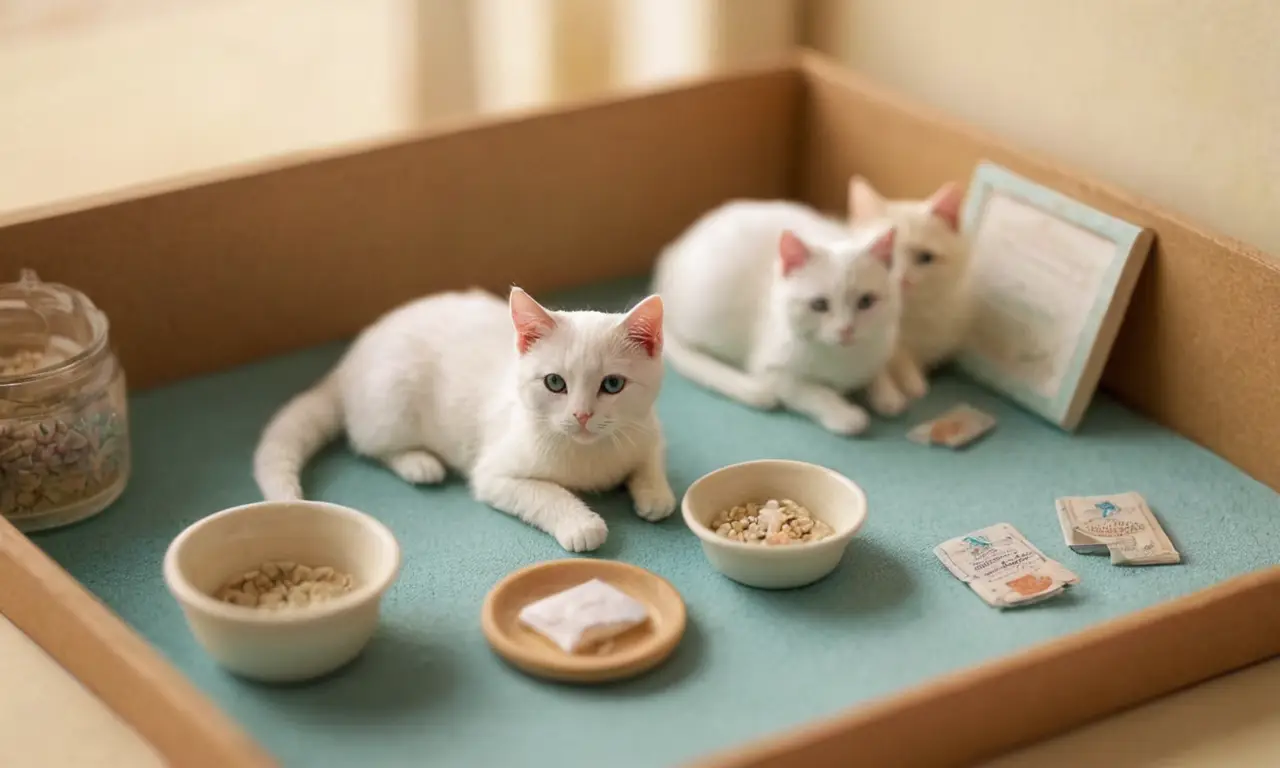
Caring for a Pregnant Cat: A Comprehensive Guide
Welcoming a pregnant cat into your home, or discovering your own feline companion is expecting, brings with it a wave of excitement and a significant responsibility. Caring for a pregnant cat requires a dedicated approach, ensuring both the expectant mother's well-being and the healthy development of her kittens. This guide delves deep into every aspect of feline gestation, from recognizing the signs of pregnancy to preparing for the arrival of newborns and beyond. Understanding the unique needs of a pregnant cat at each stage is paramount to providing the best possible care, fostering a safe and nurturing environment for this special time.
𝙲𝚘𝚗𝚝𝚎𝚗𝚝
Recognizing the Signs of Pregnancy in Cats
The first step in caring for a pregnant cat is accurately identifying that she is indeed pregnant. While confirmation requires a veterinary visit, several observable signs can indicate pregnancy. These typically appear after a few weeks of conception.
Behavioral Changes
A pregnant cat may exhibit subtle or pronounced shifts in her behavior. She might become more affectionate and seek more attention, or conversely, she could become more reclusive and seek solitude. Napping becomes a more frequent activity, and she may experience periods of "morning sickness," characterized by occasional vomiting. Appetite changes are also common, with some cats experiencing a temporary decrease in food intake followed by a significant increase as the pregnancy progresses.
Physical Changes
Physically, the most obvious sign is the enlargement of her nipples, which will become a more prominent pink or reddish hue, a phenomenon known as "pinking up." This is usually noticeable around the third week of gestation. Her abdomen will gradually distend, becoming noticeably rounder, especially in the later stages. While weight gain is expected, it should be gradual and consistent.
Veterinary Confirmation
The most reliable way to confirm pregnancy and assess the cat's health is through a veterinary examination. A veterinarian can perform a physical palpation to feel for the developing fetuses, usually after 20-25 days of gestation. Ultrasound can confirm pregnancy as early as 15-20 days and can also help estimate the number of kittens. X-rays are generally not recommended until the last trimester (around 45 days of gestation) when the kittens' skeletons have calcified enough to be visible. This veterinary visit is crucial for establishing a baseline health assessment and discussing the best course of action for her pregnancy.
Nutritional Needs During Pregnancy
Proper nutrition is fundamental to caring for a pregnant cat. Her body is undergoing significant physiological changes to support the developing fetuses, requiring a nutrient-rich diet that caters to these increased demands.
Increased Calorie Intake
As the pregnancy progresses, particularly in the last trimester, a pregnant cat's energy requirements increase by 30-60%. This means she needs more calories to sustain herself and nourish her growing kittens.
High-Quality Protein
Protein is essential for fetal development. A diet rich in high-quality animal protein is crucial. Look for cat food formulas specifically designed for growth or reproduction. These often have higher protein content.
Essential Nutrients
Beyond protein, pregnant cats need adequate levels of vitamins and minerals, including calcium and phosphorus for bone development in the kittens. Omega-3 and Omega-6 fatty acids are also important for fetal brain and eye development, as well as for maintaining the mother's coat health.
Feeding Strategies
It's often beneficial to switch to a high-quality kitten food formula during pregnancy. These formulas are typically calorie-dense and nutrient-rich, meeting the elevated needs of gestating queens. Small, frequent meals can be easier for her to digest, especially as her abdomen grows and puts pressure on her stomach. Always ensure fresh, clean water is readily available. Avoid sudden dietary changes, as these can upset her digestive system. If you are unsure about the best diet, consult your veterinarian for personalized recommendations.
Post-Sterilization Care: Essential Tips for Your DogCreating a Safe and Comfortable Environment
Ensuring a safe and comfortable environment is a cornerstone of caring for a pregnant cat. This involves minimizing stress, providing adequate resting spaces, and preparing for the impending birth.
Minimizing Stress
Stress can negatively impact a pregnant cat's health and the development of her kittens. Keep her environment calm and predictable. Avoid introducing new pets or major changes in household routine during this sensitive period. Loud noises, boisterous children, or frequent handling by strangers can be detrimental.
Providing Quiet Resting Areas
As her pregnancy advances, your cat will instinctively seek out a quiet, safe, and secluded place to give birth and nurse her kittens. This is often referred to as the "nesting" instinct. You can help by preparing a "queening box" well in advance.
The Queening Box
A suitable queening box can be a cardboard box, a large plastic tote, or a sturdy pet carrier. It should be:
- Private: Placed in a quiet, low-traffic area of your home where she feels secure and undisturbed.
- Comfortable: Lined with soft, absorbent bedding like old towels, blankets, or newspapers. These should be changed regularly to maintain hygiene.
- Accessible: With at least one side open or a low entrance so she can easily get in and out, but it should also provide a sense of security.
- Warm: Kittens are unable to regulate their body temperature at birth, so the area should be kept warm, ideally between 80-85°F (27-29°C) for the first few weeks. You can use a heating pad designed for pets, placed on a low setting and always covered with bedding to prevent burns.
Introduce the box to your cat a week or two before her due date, placing her favorite blanket or toy inside to encourage her to use it.
Grooming and Exercise
Gentle grooming can help maintain her coat health and provide an opportunity for you to check her for any signs of discomfort or discharge. Avoid strenuous play or excessive jumping. Light, gentle exercise is beneficial, but her activity levels will naturally decrease as she gets closer to giving birth.
Understanding the Birthing Process (Queening)
The birthing process in cats is called queening. While most cats manage this naturally and efficiently, understanding the stages can help you recognize when intervention might be necessary.
Signs of Impending Labor
Several signs indicate that labor is imminent, usually within 24-48 hours:
- Restlessness: She may become more agitated, pace, pant, or vocalize.
- Loss of Appetite: She may refuse food in the hours leading up to labor.
- Nesting Behavior: She will likely retreat to her chosen birthing area.
- Licking: She may excessively lick her genital area.
- Drop in Body Temperature: Her rectal temperature may drop to below 100°F (37.8°C) approximately 12-24 hours before labor begins.
Stages of Labor
Queening typically occurs in three stages:
- Stage 1: This is the preparatory stage, characterized by the signs mentioned above. It can last from a few hours to over a day. The cervix dilates, and uterine contractions begin but are not yet visible externally.
- Stage 2: This is the active labor stage where kittens are born. You may see strong abdominal contractions and straining. A kitten is usually delivered within 30-60 minutes of the first strong contraction. Each kitten is enclosed in its own amniotic sac. The mother will typically lick the sac open, clean the kitten, and sever the umbilical cord. She will then usually ingest the placenta.
- Stage 3: This stage involves the expulsion of the placentas (afterbirth). Ideally, a placenta is expelled after each kitten. The mother will continue to lick and groom the kittens.
When to Seek Veterinary Assistance
While most cats are adept mothers, complications can arise. Contact your veterinarian immediately if you observe any of the following:
Carprofen for Cats: Dosage, Uses & Safety Guide- Straining for more than 60 minutes without delivering a kitten.
- More than 2-4 hours between kittens.
- Vomiting repeatedly or appearing lethargic and unwell.
- A dark or bloody vaginal discharge without active labor.
- If you suspect there are more kittens but labor has stopped for over 4 hours.
- If your cat seems to be in extreme pain or distress.
Post-Natal Care for Mother and Kittens
Once the kittens are born, the work of caring for a pregnant cat and her newborns continues. This period is critical for their survival and development.
Monitoring the Mother
After birth, the mother cat will be exhausted but typically attentive to her kittens. Monitor her closely for the first 24-48 hours. Ensure she is eating, drinking, and passing urine and feces normally. Watch for any signs of post-partum complications such as retained placentas, uterine infections (metritis), or mastitis (infection of the mammary glands). A foul-smelling vaginal discharge, fever, lethargy, or refusal to nurse are serious signs requiring immediate veterinary attention.
Caring for the Newborn Kittens
Newborn kittens are completely dependent on their mother. Your role is to ensure she has everything she needs to care for them and to intervene only when necessary.
- Warmth: As mentioned, maintaining a warm environment is crucial.
- Nutrition: Kittens should nurse from their mother within the first few hours of life. Colostrum, the first milk, is rich in antibodies vital for their immune system. If a kitten seems weak or the mother is unable to nurse, you may need to assist with supplementary feeding using a kitten milk replacer and a specialized bottle or syringe.
- Hygiene: The mother will lick her kittens to stimulate them to urinate and defecate. You may need to assist with this by gently wiping their genital and anal areas with a warm, damp cloth if the mother is unable to or if you are supplementing their feeding.
- Weight Monitoring: Weighing the kittens daily with a kitchen scale is a good way to track their progress. Healthy kittens should gain weight consistently. A lack of weight gain or weight loss is a cause for concern.
- Observation: Regularly observe the kittens for any signs of illness, such as lethargy, difficulty breathing, or discharge from the eyes or nose.
The Mother's Recovery Diet
The nursing mother will require even more calories and nutrients than during pregnancy to produce milk. Continue feeding a high-quality kitten or reproduction-specific food. Ensure constant access to fresh water.
Weaning and Socialization
The process of weaning typically begins around 3-4 weeks of age, and proper socialization is vital for the kittens' future well-being.
Introducing Solid Food
Start introducing a high-quality kitten wet food, mixed with a little kitten milk replacer or water to create a gruel. Place small amounts on a flat dish for the kittens to lick. As they become more accustomed to it, gradually decrease the amount of liquid.
Continued Nursing
Kittens will continue to nurse for a few more weeks, gradually decreasing their milk intake as they eat more solid food. By 6-8 weeks, most kittens are fully weaned.
Socialization
This is a critical period for kittens to learn social behaviors. They learn from their mother and littermates. Gentle handling by humans during this time helps them become accustomed to people and less fearful. Expose them to different sights, sounds, and gentle interactions to foster well-adjusted adult cats.
Long-Term Considerations
Caring for a pregnant cat extends beyond the birth of the kittens. Spaying and neutering your pets are crucial for population control and the long-term health of individual animals.
Spaying and Neutering
Once the mother cat has finished nursing her litter and the kittens are old enough to be adopted (typically 8-12 weeks), it is highly recommended to spay the mother cat. This prevents future unwanted pregnancies and has numerous health benefits for her. Similarly, neutering the male kittens before they are adopted is essential.
Carprofen for Dogs: Dosage, Uses & Side Effects GuideFinding Homes for Kittens
If you are not planning to keep the kittens, start looking for suitable homes well in advance. Screen potential adopters carefully to ensure the kittens will be going to loving and responsible environments.
Caring for a pregnant cat is a rewarding experience that requires patience, attentiveness, and a commitment to providing the best possible care. By understanding the needs of a pregnant cat and her offspring at each stage, you can ensure a healthy and happy outcome for your feline family. Regular veterinary check-ups are invaluable throughout this entire process, offering guidance and addressing any concerns that may arise.
Cat Urinary Crystals: Types, Symptoms & Treatment Guide

Cat Weight: How Do I Know If My Cat Is Fat?

Encephalitis in Dogs: Symptoms, Causes & Treatment

Dog Cavities: Causes, Symptoms, and Treatment Options
Natural Flea Relief: Home Remedies for Fleas in Cats

Newborn Puppy Feeding Guide: From Birth to Weaning
Related posts