
Healthy Chicken Recipes for Cats: A Delicious Guide
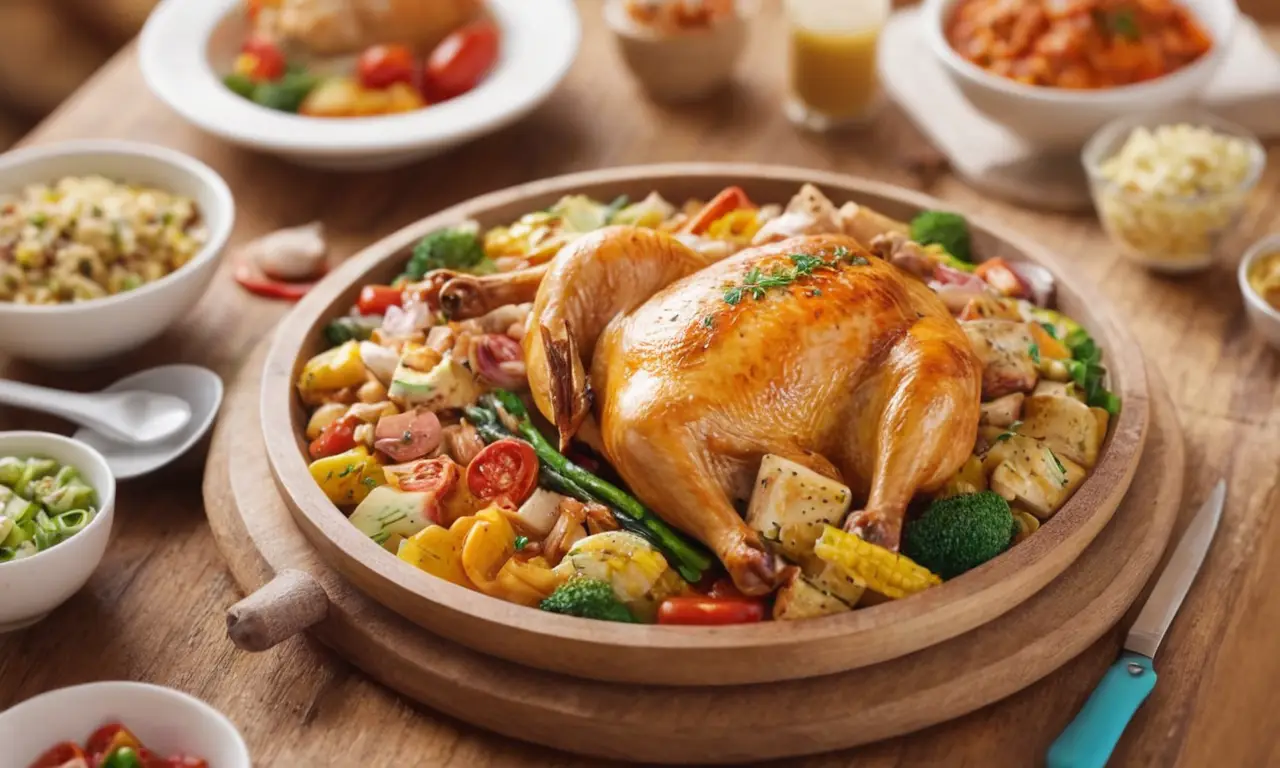
Delicious & Nutritious Chicken Recipes for Cats
As a loving pet parent, you're always looking for ways to provide your feline friend with the best nutrition and the most enjoyable meals. While commercially produced cat food is formulated to meet their dietary needs, incorporating homemade meals, especially those featuring chicken, can be a fantastic way to enhance their diet, offer variety, and ensure they're getting wholesome ingredients. This guide delves into the world of chicken recipes for cats, exploring the benefits, essential considerations, and providing you with easy-to-follow recipes to spoil your discerning kitty.
𝙲𝚘𝚗𝚝𝚎𝚗𝚝
Why Chicken for Your Cat? The Nutritional Powerhouse
Chicken is a staple protein source for many animals, and cats are no exception. It's highly digestible and packed with essential nutrients that are vital for a cat's health and well-being.
- High-Quality Protein: Cats are obligate carnivores, meaning their diet must consist primarily of animal protein. Chicken provides a complete amino acid profile, crucial for building and repairing tissues, supporting muscle development, and maintaining a healthy immune system.
- Essential Nutrients: Chicken is a good source of B vitamins, particularly B3 (niacin) and B6, which play a significant role in energy metabolism and neurological function. It also contains phosphorus, important for bone health, and selenium, a powerful antioxidant.
- Palatability: Most cats find chicken incredibly delicious, making it an excellent ingredient for picky eaters or for encouraging cats with reduced appetites. The aroma and taste of cooked chicken can be highly appealing to their senses.
- Moisture Content: When prepared correctly (e.g., boiled or steamed), chicken can contribute to a cat's hydration, which is particularly important for cats who don't drink a lot of water.
Important Considerations Before You Start Cooking
While the idea of homemade chicken meals for your cat is appealing, it's crucial to approach it with knowledge and caution. Cats have specific dietary requirements, and feeding them improperly prepared or unsuitable ingredients can lead to health issues.
- Consult Your Veterinarian: This is the most critical first step. Before introducing any new foods or making significant changes to your cat's diet, always discuss it with your veterinarian. They can advise on appropriate ingredients, portion sizes, and potential contraindications based on your cat's individual health, age, and any pre-existing conditions.
- Plain Cooked Chicken is Key: Never feed your cat raw chicken. Raw meat can harbor harmful bacteria like Salmonella and E. coli, which can cause severe gastrointestinal upset and other health problems for both your cat and you. Similarly, avoid feeding cooked chicken that has been seasoned, spiced, or cooked with oils, butter, garlic, or onions. These can be toxic or difficult for cats to digest. Plain boiling, steaming, or baking are the safest cooking methods.
- Bones are a No-Go: Cooked bones can splinter and pose a choking hazard or cause internal damage. Always remove all bones from the chicken before preparing it for your cat.
- Portion Control: Homemade meals should be a supplement or occasional treat, not a complete replacement for a balanced commercial cat food, unless specifically advised by your vet. Overfeeding can lead to obesity and other health problems. Portion sizes will depend on your cat's age, activity level, and overall health.
- Introduce Gradually: When introducing any new food, start with small amounts to see how your cat tolerates it. Watch for any signs of digestive upset like vomiting or diarrhea.
- Balance is Crucial: While chicken is a great protein source, it lacks other essential nutrients that cats need for a balanced diet, such as taurine (which is vital for heart health), certain vitamins, and minerals. If you plan to feed homemade meals regularly, you'll need to work with your vet or a veterinary nutritionist to ensure the diet is complete and balanced. Taurine deficiency can lead to serious health issues like dilated cardiomyopathy and vision problems.
Simple & Healthy Chicken Recipes for Cats
Here are some basic, veterinarian-approved chicken recipes for cats that are easy to prepare and are sure to be a hit with your feline companion.
Recipe 1: Simple Boiled Chicken (The Foundation)
This is the most basic and safest way to prepare chicken for your cat.
Ingredients:
Safe & Delicious Christmas Recipes for Cats- 1 boneless, skinless chicken breast or thigh
Instructions:
- Boil: Place the chicken in a pot and cover it with water.
- Cook: Bring the water to a boil and then reduce the heat to a simmer. Cook the chicken until it is fully cooked through, with no pink inside. This typically takes about 15-20 minutes.
- Cool: Remove the chicken from the water and let it cool completely.
- Shred or Dice: Once cooled, shred the chicken into small, manageable pieces or dice it into tiny cubes. Ensure there are no bones or skin.
- Serve: Offer a small portion to your cat as a treat or mix it with their regular food.
Tips:
- You can boil a larger batch and store it in the refrigerator for up to 3 days or freeze it in small portions for longer storage.
- The water used for boiling (chicken broth, as long as it's plain and unsalted) can be offered to your cat as a hydrating drink.
Recipe 2: Steamed Chicken with a Hint of Catnip
Steaming retains more nutrients than boiling and the addition of catnip can make it even more enticing.
Ingredients:
- 1 boneless, skinless chicken breast
- A pinch of dried or fresh catnip (optional, and only if your cat responds well to it)
Instructions:
- Prepare Chicken: Cut the chicken breast into bite-sized pieces.
- Steam: Place the chicken pieces in a steamer basket over a pot of boiling water. Cover and steam for about 10-15 minutes, or until the chicken is cooked through.
- Cool: Allow the chicken to cool completely.
- Add Catnip (Optional): If using, sprinkle a small amount of catnip over the cooled chicken.
- Serve: Mix a small portion with your cat's regular food or offer it as a standalone treat.
Recipe 3: Baked Chicken Liver Bites (A Special Treat)
Chicken liver is incredibly nutrient-dense but should be given in moderation due to its high vitamin A content.
Festive Feasts: Top Christmas Recipes for DogsIngredients:
- 1/4 cup chicken liver, cleaned (remove any tough membranes)
- 1 tablespoon of plain cooked chicken broth (optional, for moisture)
Instructions:
- Preheat Oven: Preheat your oven to 350°F (175°C).
- Prepare Liver: Wash the chicken liver and pat it dry. Dice it into very small pieces.
- Mix: In a small bowl, combine the diced liver with a tablespoon of plain chicken broth if desired to keep them moist.
- Bake: Spread the liver pieces in a single layer on a baking sheet lined with parchment paper. Bake for 10-15 minutes, or until the liver is firm and cooked through. Be careful not to overcook, as it can become dry and tough.
- Cool: Let the liver bites cool completely.
- Serve: Offer a few small liver bites as a special treat. Due to the rich nutrient profile, liver should only be given sparingly, perhaps once or twice a week.
Important Note on Liver: While nutritious, overconsumption of liver can lead to vitamin A toxicity, which can cause skeletal abnormalities and other health problems. Always consult your vet regarding the frequency and quantity of liver you can safely feed your cat.
Beyond Chicken: Other Safe and Healthy Additions
While chicken is a fantastic base, you can explore other complementary ingredients to enhance your cat's homemade meals, always under veterinary guidance.
- Plain Cooked Fish: Certain types of fish, like salmon or tuna (canned in water, no salt added), can be offered occasionally. However, fish should not be a primary food source due to potential mercury levels and the risk of thiamine deficiency if fed raw or in excess.
- Cooked Egg Yolk: A small amount of cooked egg yolk is a good source of protein and healthy fats. Ensure it's thoroughly cooked to kill any bacteria.
- Pumpkin Purée (Plain): A small amount of plain, canned pumpkin (not pie filling) can be beneficial for digestive health.
- Cooked Vegetables (in moderation): Some cats may tolerate small amounts of cooked, plain vegetables like sweet potato or green beans. However, their digestive systems are not designed to process large amounts of plant matter.
When to Seek Veterinary Advice for Chicken Recipes for Cats
It's essential to maintain a dialogue with your veterinarian throughout your journey of preparing homemade meals for your cat. Seek their advice if:
- Your cat has allergies or sensitivities: Some cats can be allergic to chicken. Your vet can help diagnose this and suggest alternatives.
- Your cat has underlying health conditions: Kidney disease, diabetes, or gastrointestinal issues may require specific dietary modifications that homemade meals need to accommodate.
- You're considering a fully homemade diet: This is a significant undertaking that requires expert guidance from a veterinary nutritionist to ensure your cat receives all necessary nutrients.
- Your cat shows any adverse reactions: If your cat experiences vomiting, diarrhea, lethargy, or any other unusual symptoms after eating homemade food, discontinue it immediately and contact your vet.
In summary
Incorporating chicken recipes for cats into their diet can be a rewarding experience, offering a delicious and nutritious boost to their daily intake. By prioritizing safety, understanding your cat's specific needs, and always consulting with your veterinarian, you can confidently prepare simple, healthy, and delightful chicken-based meals that will have your feline friend purring with satisfaction. Remember, moderation and balance are key, and homemade treats should complement, not entirely replace, a well-formulated commercial cat food unless under professional veterinary guidance.
Understanding the Composition of Cat Food for Health
Parrot Diet: Best Fruits and Vegetables for Your Bird

Festive Feasts: Top Christmas Recipes for Dogs
Dog Kidney Failure Diet: Homemade Solutions & Care Tips

Choosing the Best Dog Food: A Comprehensive Guide
Cat Hepatitis Diet: Essential Foods for Your Feline Friend
Understanding the Composition of Cat Food for Health
Related posts