
Cold Water Fish: Your Guide to Aquatic Cold-Water Pets
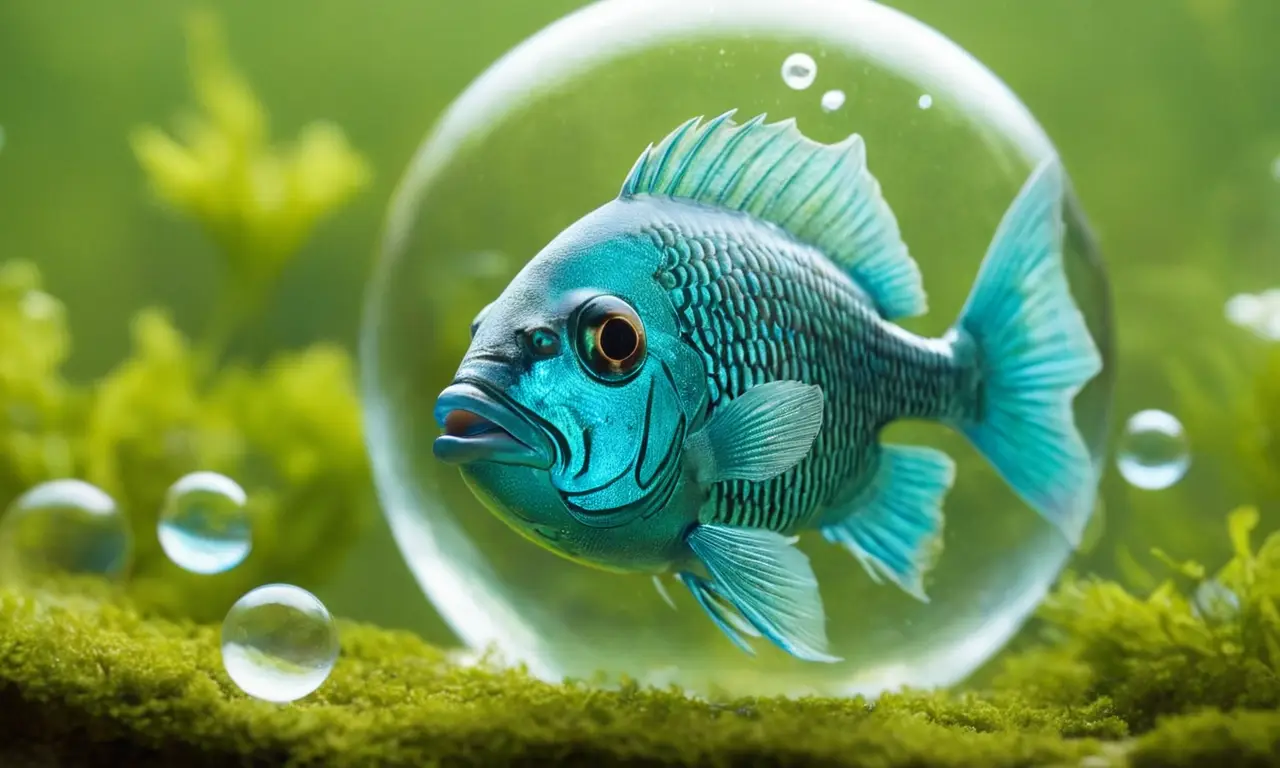
Cold Water Fish: Your Guide to Aquatic Cold-Water Pets
Keeping cold water fish can be a rewarding and beautiful addition to any home, offering a serene and captivating underwater world to admire. Unlike their tropical counterparts that require heated aquariums, cold water fish thrive in naturally cooler environments, making them a popular choice for beginners and experienced aquarists alike. This comprehensive guide will delve into the fascinating world of cold water fish, covering everything from selecting the right species and setting up their habitat to ensuring their health and well-being. We will explore the unique characteristics of various cold water fish, discuss the essential equipment needed for their care, and provide practical tips for creating a thriving aquatic ecosystem.
𝙲𝚘𝚗𝚝𝚎𝚗𝚝
Understanding Cold Water Fish
Cold water fish are a diverse group of aquatic animals that are adapted to live in environments with water temperatures generally below 70°F (21°C). This broad classification encompasses a wide array of species found in lakes, rivers, streams, and even ponds across the globe. Their physiology is uniquely suited to these cooler temperatures, influencing their metabolism, behavior, and dietary needs. It's crucial to understand that "cold water" doesn't necessarily mean ice-cold; rather, it refers to temperatures that are not tropical.
Common Cold Water Fish Species
The world of cold water fish offers a surprising variety of choices for aquarium enthusiasts. Some of the most popular and accessible species include:
- Goldfish (Carassius auratus): Perhaps the most iconic cold water fish, goldfish come in numerous varieties, from the common comet to the fancy fantail and ryukin. They are known for their vibrant colors and can grow quite large, requiring ample space.
- Betta Fish (Betta splendens) (at cooler temperatures): While often associated with tropical tanks, Bettas can actually tolerate and even prefer slightly cooler water than commonly believed, provided it's not drastically cold. However, they are more delicate than goldfish and require careful monitoring.
- Danios (e.g., Zebra Danio - Danio rerio): These small, active fish are hardy and adaptable, making them excellent beginner cold water fish. They are peaceful and look beautiful schooling in a well-maintained aquarium.
- White Cloud Mountain Minnows (Tanichthys albonubes): Native to China, these small, schooling fish are incredibly resilient and can tolerate a wide range of temperatures, making them ideal for unheated aquariums. They display a beautiful iridescent sheen.
- Rosy Barbs (Pethia conchonius): These attractive, active fish are known for their reddish-pink coloration, especially the males. They are generally peaceful and do well in cooler water conditions.
- Plecostomus (Plecos) (certain species): While many Pleco species are tropical, some, like the Bristlenose Pleco (Ancistrus spp.), can adapt to cooler water temperatures if introduced gradually. They are excellent algae eaters.
Factors Affecting Cold Water Fish Needs
Several factors distinguish the care of cold water fish from their tropical counterparts:
- Temperature: This is the most defining factor. Cold water fish generally thrive in temperatures between 60-70°F (15-21°C). Sudden temperature fluctuations can be stressful and even fatal.
- Oxygen Levels: Cooler water holds more dissolved oxygen than warmer water, which is beneficial for cold water fish. However, maintaining good water circulation is still important.
- Space Requirements: Many cold water fish, especially goldfish, grow significantly larger than typically perceived and require spacious aquariums to thrive and avoid health problems associated with overcrowding.
- Filtration: Proper filtration is paramount for maintaining water quality, as cold water fish can produce a considerable amount of waste.
Setting Up a Cold Water Aquarium
Creating a suitable environment is the cornerstone of successfully keeping cold water fish. This involves careful consideration of the tank, equipment, and substrate.
Choosing the Right Aquarium
The size of your aquarium is crucial. For cold water fish, bigger is almost always better.
Cat Colitis: Symptoms, Causes, and Effective Treatments- Goldfish: A single fancy goldfish should ideally be housed in a minimum of a 20-gallon tank, with an additional 10-20 gallons for each subsequent fish. Common goldfish, which grow much larger, require even larger tanks or ponds.
- Smaller Cold Water Fish: For species like Danios or White Cloud Mountain Minnows, a 10-20 gallon tank can be sufficient for a small school, provided adequate filtration and regular water changes are performed.
Essential Equipment
Several key pieces of equipment are necessary for a healthy cold water fish habitat:
- Filter: A robust filter is essential to remove waste and keep the water clean. Canister filters or hang-on-back filters with sufficient flow rate are recommended. Ensure the filter is rated for the tank size.
- Air Pump and Airstone: While cooler water holds more oxygen, an air pump and airstone can enhance oxygenation and provide beneficial water movement, which many cold water fish appreciate.
- Gravel or Substrate: Inert gravel is a common choice. Avoid sharp substrates that can injure fish. Some aquarists prefer sand, but it requires more careful maintenance. Rinse substrate thoroughly before adding it to the aquarium.
- Decorations: Smooth rocks, driftwood, and artificial or live plants can provide hiding places and enrichment for your cold water fish. Ensure all decorations are aquarium-safe and have no sharp edges.
- Lighting: While cold water fish don't require specialized lighting like some planted tropical tanks, a basic aquarium light is useful for viewing your fish and can support the growth of live plants if you choose to add them.
- Water Conditioner: Tap water contains chlorine and other chemicals harmful to fish. Always use a water conditioner to neutralize these substances before adding new water to the aquarium.
- Aquarium Heater (Optional but Recommended for Stability): Even for cold water fish, a heater can be beneficial for maintaining a stable temperature. If your home's ambient temperature fluctuates significantly, a heater set to the desired cooler range can prevent drastic swings. An external temperature controller is ideal for precise control.
- Thermometer: A reliable thermometer is essential to monitor the water temperature consistently.
Cycling Your Aquarium
Before introducing any cold water fish, it's vital to "cycle" your aquarium. This is the process of establishing a beneficial bacteria colony that breaks down harmful ammonia and nitrite, byproducts of fish waste.
- Set up the tank: Fill the tank with conditioned water and add substrate and decorations.
- Add an ammonia source: This can be a small piece of fish food or a pure ammonia solution.
- Monitor parameters: Use a freshwater aquarium test kit to measure ammonia, nitrite, and nitrate levels.
- Wait: Ammonia will rise, then nitrite will rise as bacteria convert ammonia. Finally, nitrate will rise as nitrite is converted.
- Completion: The cycle is complete when ammonia and nitrite consistently read zero, and you have detectable nitrates. This process typically takes 4-8 weeks.
Caring for Your Cold Water Fish
Once your aquarium is set up and cycled, the ongoing care of your cold water fish becomes routine but requires diligence.
Feeding Your Cold Water Fish
A balanced diet is crucial for the health and longevity of your cold water fish.
- Food Types:
- Pellets and Flakes: High-quality commercial pellets or flakes specifically formulated for cold water fish are a staple. Choose brands with good protein content and minimal fillers.
- Frozen Foods: Blended shrimp, brine shrimp, and bloodworms can be excellent supplements, providing essential nutrients. Thaw frozen foods completely before feeding.
- Live Foods: While more challenging to source, live foods like daphnia can be a nutritious treat.
- Vegetables: Some cold water fish, like goldfish and Plecos, benefit from blanched peas (shelled), zucchini, or spinach.
- Feeding Frequency: Adult cold water fish generally do well with one to two small feedings per day. Only feed what they can consume within 2-3 minutes. Overfeeding is a common mistake that leads to poor water quality and health problems.
- Observation: Observe your fish during feeding to ensure everyone is getting enough and to identify any potential issues with appetite.
Water Changes and Maintenance
Regular water changes are non-negotiable for maintaining a healthy cold water fish environment.
- Frequency: Aim for a 25-30% water change weekly.
- Procedure:
- Prepare new water: Use a siphon to remove the old water. Treat the new water with a water conditioner to match the tank's temperature as closely as possible before adding it to the aquarium.
- Clean substrate: While siphoning, gently stir the gravel to remove accumulated waste.
- Clean filter: Rinse filter media in old tank water (never tap water) to preserve beneficial bacteria.
- Monitor parameters: After water changes, test your water parameters to ensure stability.
- Algae Control: Algae is common in aquariums. Regular water changes, proper lighting, and avoiding overfeeding can help manage it. Algae-eating fish like Plecos can also be beneficial.
Health and Disease Prevention
Preventing disease is always easier than treating it.
Basset Hound Health: Common Diseases & Care Tips- Quarantine New Fish: Always quarantine new cold water fish in a separate tank for 4-6 weeks before introducing them to your main aquarium. This allows you to observe them for any signs of illness or parasites and prevents the spread of diseases.
- Observe Daily: Regularly observe your fish for any changes in behavior, appetite, appearance (e.g., spots, fin rot, fuzzy patches), or swimming patterns.
- Maintain Water Quality: This is the most critical factor in disease prevention. Poor water quality stresses fish, making them susceptible to illness.
- Avoid Overcrowding: Overcrowded tanks lead to increased waste, stress, and a higher risk of disease transmission.
- Proper Diet: A balanced diet strengthens the immune system of your cold water fish.
- Common Diseases:
- Ich (White Spot Disease): Characterized by tiny white spots on the fish's body and fins. It's often caused by stress and temperature fluctuations.
- Fin Rot: Frayed or decaying fins, often caused by poor water quality or bacterial infections.
- Dropsy: A serious condition where the fish's body swells and scales protrude, often indicating internal organ failure.
- Treatment: If you suspect a disease, research the specific ailment and consult with a knowledgeable aquarist or veterinarian. Many treatments are available, but prompt action is crucial.
The Benefits of Keeping Cold Water Fish
Beyond their aesthetic appeal, keeping cold water fish offers several benefits. They can be a calming presence, and the act of caring for them can be a relaxing and rewarding hobby. For many, they represent an accessible entry point into the world of aquatics, requiring less specialized equipment and knowledge than some tropical species. The variety of colors and behaviors in species like goldfish and Danios provides endless fascination.
Frequently Asked Questions About Cold Water Fish
Q1: Do all cold water fish need unheated aquariums?
A1: While cold water fish prefer cooler temperatures, a heater set to maintain a stable temperature within their preferred range (e.g., 60-70°F or 15-21°C) is often beneficial, especially in environments with fluctuating ambient temperatures.
Q2: How often should I feed my goldfish?
A2: Adult goldfish typically need to be fed once or twice a day, only what they can consume within 2-3 minutes.
Q3: Can I keep goldfish with tropical fish?
A3: It is generally not recommended to mix cold water fish like goldfish with tropical fish due to their differing temperature and water quality requirements.
Q4: How big can goldfish get?
A4: Common goldfish can grow over 12 inches (30 cm) in length, while fancy varieties are typically smaller, but still require substantial tank space.
Q5: What are the signs of a sick cold water fish?
A5: Signs of illness can include lethargy, loss of appetite, visible spots or sores, clamped fins, rapid breathing, or unusual swimming behavior.
In summary
Keeping cold water fish can be an incredibly fulfilling experience. By understanding their specific needs, providing a well-equipped and maintained habitat, and offering a nutritious diet, you can create a thriving underwater ecosystem that brings beauty and tranquility to your home. From the graceful glide of a fantail goldfish to the energetic schooling of Danios, the world of cold water fish offers a unique and captivating journey for any aquarist. Remember that patience, observation, and consistent care are the keys to success.
Cat Urinary Crystals: Types, Symptoms & Treatment Guide

Cat Weight: How Do I Know If My Cat Is Fat?

Encephalitis in Dogs: Symptoms, Causes & Treatment

Dog Cavities: Causes, Symptoms, and Treatment Options
Natural Flea Relief: Home Remedies for Fleas in Cats

Newborn Puppy Feeding Guide: From Birth to Weaning
Related posts