
Dog Costumes: Fun for Big & Small Pups
Dog Costumes: Fun for Big & Small Pups
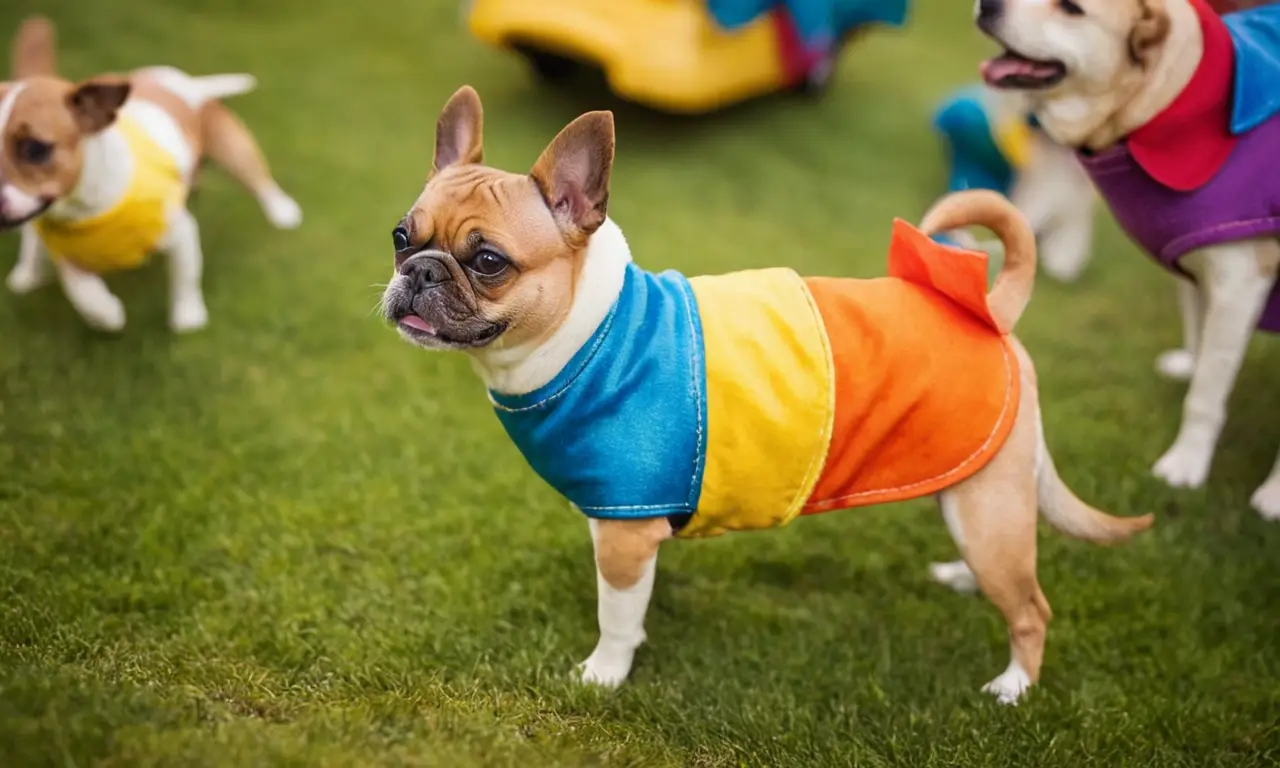
As the seasons change and holidays approach, the desire to dress up our furry companions often arises. From Halloween spooky nights to festive Christmas parties, dog costumes offer a delightful way to express personality, celebrate occasions, and create lasting memories with our beloved pets. Whether you own a pint-sized Chihuahua or a majestic Great Dane, the world of dog costumes offers a vast and exciting array of options, catering to every breed, size, and personality. This comprehensive guide explores the joy and practicalities of selecting and using costumes for large and small dogs, ensuring a safe, comfortable, and fun experience for both pet and owner.
The Appeal of Canine Couture
The trend of dressing up dogs has exploded in recent years, transforming from a niche interest to a mainstream phenomenon. Several factors contribute to this surge in popularity. Firstly, dogs have become integral members of our families, and owners naturally want to include them in celebratory activities. Costumes allow dogs to participate visually in holidays and events, much like human family members. Secondly, social media plays a significant role. Adorable photos and videos of dogs in costumes go viral, inspiring others to join the fun and showcase their own pets. Finally, the sheer joy and amusement derived from seeing a dog in a well-chosen costume are undeniable. It’s a lighthearted way to add a touch of whimsy and humor to everyday life.
Choosing the Right Costume: Size Matters
The most crucial aspect of selecting a dog costume is ensuring the right fit. A costume that is too tight can restrict movement, cause discomfort, and even lead to chafing or skin irritation. Conversely, a costume that is too loose can become a tripping hazard or be easily chewed off.
For costumes for large and small dogs, meticulous measurement is key. Always measure your dog before purchasing. The most important measurements typically include:
- Neck Circumference: Measure around the widest part of your dog's neck, where a collar would normally sit.
- Chest Girth: Measure around the widest part of your dog's chest, just behind their front legs. This is often the most critical measurement for ensuring freedom of movement.
- Back Length: Measure from the base of the neck (where the collar sits) to the base of the tail.
Always check the specific sizing chart provided by the costume manufacturer, as sizing can vary significantly between brands. Many retailers offer breed-specific sizing suggestions, which can be a helpful starting point, but always double-check with your dog’s individual measurements.
Comfort and Safety First
Beyond just the fit, comfort and safety are paramount when choosing costumes for large and small dogs. A happy dog is a safe dog.
Mastering Crocodile Feeding: A Comprehensive GuideConsider these factors:
- Material: Opt for breathable, lightweight fabrics. Avoid materials that can overheat your dog, especially during warmer months or if they are prone to overheating. Natural fibers like cotton are generally a good choice.
- Ease of Movement: Ensure the costume doesn't restrict your dog's ability to walk, run, jump, or go to the bathroom. Avoid elaborate designs that might snag or impede their natural movements.
- Choking Hazards: Be wary of small, detachable parts like buttons, beads, or sequins. These can be easily chewed off and swallowed, posing a choking hazard.
- Visibility: If your dog will be wearing a costume outdoors, especially at night, consider costumes with reflective elements to enhance visibility for passing vehicles.
- Non-Irritating Elements: Ensure any painted details or accessories are non-toxic and won't irritate your dog's skin or eyes.
- Sensory Sensitivity: Some dogs are sensitive to certain textures or sounds. Be mindful of this when choosing costumes with bells, crinkly materials, or rough embellishments.
Types of Dog Costumes
The variety of dog costumes available is truly astounding, offering something for every whim and occasion.
For the Little Ones (Small Dogs):
Small breeds, often with more delicate frames, can pull off an incredibly wide range of charming and whimsical costumes.
- Character Costumes: Think superheroes, beloved cartoon characters (e.g., Pikachu, Minions), or adorable animals (e.g., bee, ladybug, lion mane).
- Food-Themed Costumes: A hot dog, taco, or cupcake costume is always a crowd-pleaser and often fits their smaller stature well.
- Holiday-Specific: Tiny Santa hats, elf outfits, or bunny ears for Easter.
- Functional Costumes: Small dog raincoats or sweaters can also serve as a form of costume, especially with fun colors or patterns.
For the Big Guys (Large Dogs):
Large breeds can carry off more imposing and comical costumes, often with hilarious results.
Czechoslovakian Wolfdog: Breed Facts & Training Tips- Humorous & Statement Costumes: A police officer, firefighter, or cowboy costume can look particularly striking on a larger frame.
- Animal Impersonators: Larger dogs can make convincing lions, bears, or even mythical creatures.
- Superhero & Villain Roles: A powerful superhero or a menacing villain can be a great fit.
- Themed T-shirts & Bandanas: For less elaborate options, themed t-shirts or bandanas can still add a festive touch without being overwhelming.
The Process of Dressing Up Your Dog
Introducing your dog to a costume should be a gradual and positive experience.
- Introduction: Let your dog sniff and explore the costume first. Don’t force it on them.
- Positive Reinforcement: Offer treats and praise as they get comfortable with the costume nearby.
- Short Bursts: Gradually put the costume on for very short periods (a few seconds to a minute) while offering treats and praise.
- Supervision: Always supervise your dog when they are wearing a costume, especially for the first few times.
- Observe Behavior: Pay close attention to your dog’s body language. If they show signs of stress, anxiety, or discomfort (e.g., excessive panting, lip licking, yawning, trying to escape), remove the costume immediately and try again another time, or consider a simpler option.
When to Avoid Costumes
While dressing up dogs can be fun, it's not for every dog or every situation.
- Anxious or Fearful Dogs: If your dog is naturally anxious, easily stressed, or fearful of new things, a costume might exacerbate their anxiety.
- Dogs with Medical Conditions: Dogs with respiratory issues, heart conditions, or those prone to overheating should not wear costumes that restrict breathing or add to their body heat.
- Extremely Hot Weather: Never put a costume on your dog in hot weather, as it can lead to heatstroke.
- Prolonged Wear: Costumes are generally best for short periods, such as for photos or a specific event. They are not meant for all-day wear.
- When it Hinders Essential Functions: If a costume makes it difficult for your dog to eat, drink, or eliminate, it's unsuitable.
DIY Dog Costumes
For the crafty pet owner, a DIY approach to costumes for large and small dogs offers immense personalization and cost savings.
Tips for DIY Costumes:
- Repurpose Old Clothes: Old t-shirts, socks, or fabric scraps can be transformed into adorable costumes.
- Felt and Cardboard: These materials are excellent for creating simple shapes like wings, ears, or shields.
- Safety First: Ensure all glued or sewn components are secure and non-toxic. Avoid small, ingestible parts.
- Simplicity is Key: A simple bandana with a holiday theme or a cleverly designed t-shirt can be just as effective and much more comfortable for your dog.
- Measure Twice, Cut Once: Just like with purchased costumes, accurate measurements are crucial for a good fit.
Examples of DIY Costumes:
- Small Dogs: A rolled-up sock can become a "hot dog" bun with a piece of felt as the "sausage." A tutu can be made from tulle for a ballerina dog.
- Large Dogs: An old t-shirt can be cut and adorned to resemble a superhero cape. Cardboard can be shaped into a steering wheel for a "driver" costume.
Costumes for large and small dogs and Social Media
The internet is flooded with adorable images of dogs in costumes. When sharing your own dog's costume photos, remember to:
Dalmatian Dog: History, Traits & Fun Facts- Tag the Brand (if applicable): Give credit where it's due if you purchased the costume.
- Use Relevant Hashtags: Popular hashtags include #dogcostumes, #dogsofinstagram, #halloween(or holiday)dogs, #petcostumes, and breed-specific tags.
- Focus on Your Dog's Happiness: Ensure your dog looks genuinely happy and comfortable in their attire.
- Be Mindful of the Environment: Avoid dressing your dog in costumes that are inappropriate for the weather or surroundings.
In summary
The world of costumes for large and small dogs is a vibrant testament to the special bond we share with our canine companions. When chosen with care, prioritizing safety, comfort, and a good fit, costumes can add an extra layer of joy and festivity to holidays and special occasions. Remember that your dog's well-being is always the top priority. By being observant, patient, and thoughtful, you can ensure that dressing up your furry friend is a delightful experience for everyone involved, creating cherished memories and plenty of adorable photo opportunities. Whether it’s a tiny bumblebee or a majestic knight, the right costume can bring out the unique personality of your dog and spread smiles wherever you go.
Dog Color Vision: How Do Dogs Recognize & Distinguish Colors?
Fila Brasileiro: The Majestic Mastiff of Brazil Explored
Basenji: The Enigmatic Barkless Dog – Congo Terrier Facts
Dog Language & Calm Signals: The Complete Guide
The Enduring Bond: Dogs & Humans, 14,000 Years
Dalmatian Dog: History, Traits & Fun Facts
Related posts