

Fish Swim Bladder Disorder: Causes, Symptoms & Treatment
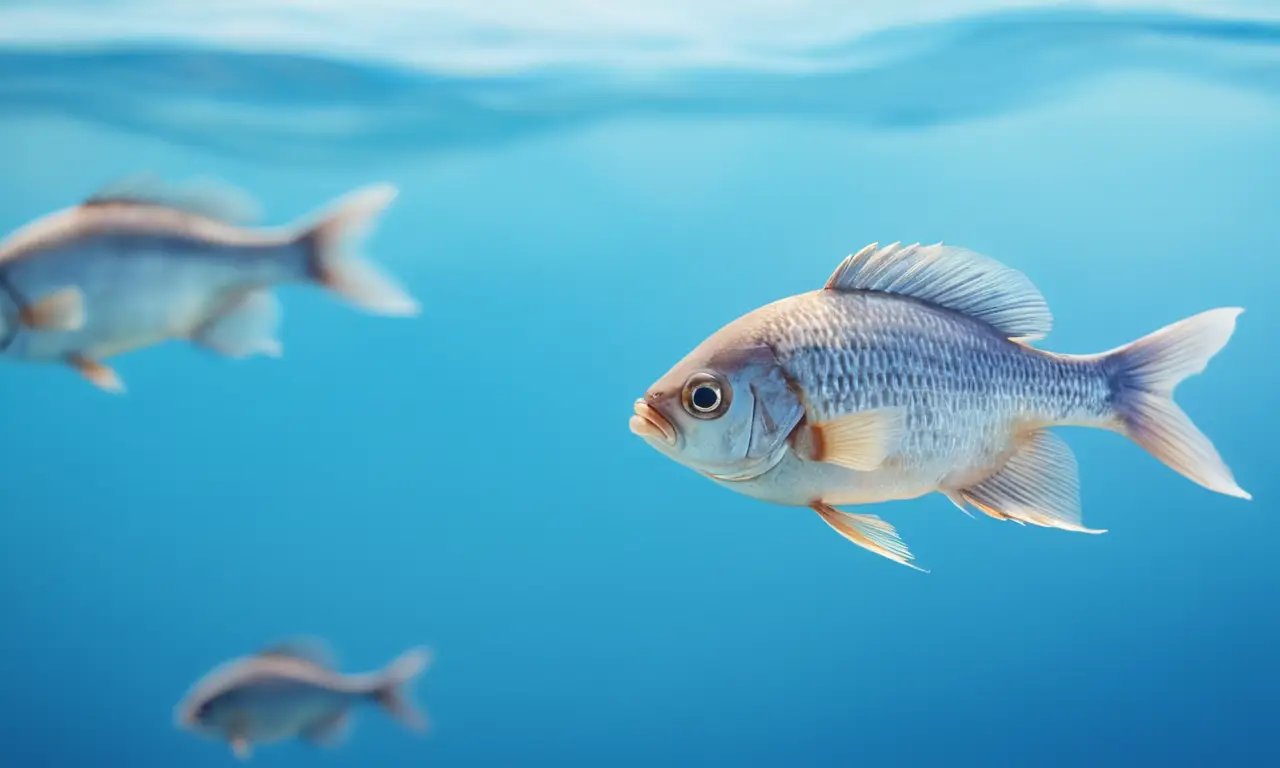
Fish Swim Bladder Disorder: Causes, Symptoms & Treatment
The swim bladder, a vital organ for most fish, plays a crucial role in buoyancy control, allowing them to maintain their position in the water column without expending excessive energy. When this delicate organ malfunctions, fish can experience a range of debilitating symptoms, collectively known as swim bladder disorder (SBD). This condition can be distressing for both the fish and their owners, but with proper understanding and intervention, it is often possible to cure a fish's swim bladder issues. This comprehensive article will delve into the various causes, common symptoms, and effective treatment strategies for swim bladder disorder in aquarium fish.
𝙲𝚘𝚗𝚝𝚎𝚗𝚝
Understanding the Swim Bladder
Before discussing the disorder, it's essential to grasp the normal function of the swim bladder. This internal gas-filled sac is connected to the fish's digestive system. By adjusting the amount of gas within the bladder, fish can ascend, descend, or hover effortlessly. Its precise operation is regulated by a complex interplay of internal muscles and gas secretion/absorption mechanisms. Disruption to this delicate balance leads to SBD.
Common Causes of Swim Bladder Disorder
SBD is not a single disease but rather a symptom that can arise from numerous underlying issues. Identifying the root cause is paramount for successful treatment.
1. Diet and Overfeeding
One of the most prevalent causes of SBD is improper diet and overfeeding.
* Constipation: When fish consume too much food, or food that is difficult to digest, it can lead to constipation. This undigested mass can press on the swim bladder, impairing its function.
* Gas Buildup: Some fish, particularly those that gulp air from the surface (like bettas), can ingest air which then enters the swim bladder, causing buoyancy problems. Poor quality food that expands excessively when wet can also contribute to gas buildup.
* Nutritional Deficiencies: A diet lacking essential nutrients can weaken the swim bladder and surrounding tissues, making them more susceptible to problems.
2. Bacterial Infections
Bacterial infections are a significant culprit behind SBD.
* Internal Infections: Pathogenic bacteria can infect the swim bladder directly or spread to it from other internal organs. This can cause inflammation, swelling, and fluid accumulation, all of which disrupt normal function.
* Opportunistic Infections: Fish with weakened immune systems, often due to poor water quality or stress, are more vulnerable to opportunistic bacteria that can then cause SBD.
3. Parasites
Internal parasites can also contribute to swim bladder issues.
* Intestinal Parasites: Parasites residing in the fish's digestive tract can cause inflammation and blockages, indirectly affecting the swim bladder.
* Direct Invasion: In some cases, parasites might directly invade the swim bladder, though this is less common than intestinal involvement.
4. Congenital Defects and Genetics
Some fish are born with swim bladder abnormalities due to genetic predispositions or issues during development. This is more common in certain selectively bred species, particularly those with extreme body shapes like fancy goldfish. These fish may always struggle with buoyancy.
5. Physical Injury and Trauma
While less frequent, physical trauma can also lead to SBD.
* Aggressive Tank Mates: Being chased, nipped, or attacked by other fish can cause internal injuries that affect the swim bladder.
* Accidents: Rough handling during netting or transport can also cause internal damage.
6. Poor Water Quality
Stress caused by poor water parameters (high ammonia, nitrite, nitrate, fluctuating temperatures) weakens a fish's immune system, making it more susceptible to infections and other health issues, including SBD.
7. Bloat and Ascites
These conditions, characterized by fluid accumulation in the body cavity, can put pressure on the swim bladder and surrounding organs. While not a direct cause of SBD, they often present with similar buoyancy issues.
Recognizing the Symptoms of Swim Bladder Disorder
The symptoms of SBD can vary in severity and presentation, but several common signs indicate a problem.
1. Buoyancy Problems
This is the most obvious symptom and can manifest in several ways:
* Floating Upside Down or Sideways: The fish is unable to maintain an upright position.
* Sinking to the Bottom: The fish struggles to stay afloat and rests on the substrate.
* Hovering Near the Surface: The fish may be unable to descend properly.
* Erratic Swimming: Uncontrolled movements and difficulty navigating.
2. Distended Abdomen
An enlarged or bloated belly can be a sign of fluid accumulation, constipation, or a swollen swim bladder.
3. Loss of Appetite and Lethargy
Fish suffering from SBD often lose interest in food and exhibit a general lack of energy.
4. Changes in Feces
- Floating Feces: This can indicate a digestive issue or gas trapped in the intestines.
- Stringy or Pale Feces: May suggest a parasitic infection or poor digestion.
5. Gasping at the Surface
While often a sign of poor water quality, it can also occur if the swim bladder is so severely impacted that the fish struggles to respire properly.
Strategies to Cure a Fish's Swim Bladder Issues
Successfully treating SBD requires a multi-pronged approach, addressing the underlying cause while supporting the fish's recovery.
Cushing's in Cats: Symptoms, Causes & Effective Treatment1. Dietary Adjustments and Fasting
For suspected dietary causes like constipation or overfeeding, immediate action is needed.
* Fasting: Withhold food for 2-3 days. This allows the digestive system to clear out.
* Introduce High-Fiber Foods: After fasting, offer small amounts of high-fiber foods like blanched peas (de-shelled and mashed), brine shrimp, or daphnia. These can act as a natural laxative.
* Soak Food: Always soak dry food in aquarium water or a vitamin supplement before feeding to prevent it from expanding in the fish's stomach.
* Feed Sparingly: Feed only what the fish can consume in 2-3 minutes, once or twice a day.
2. Improving Water Quality
This is a fundamental step for any sick fish.
* Perform Water Changes: Conduct regular partial water changes (25-50%) to reduce ammonia, nitrite, and nitrate levels.
* Test Water Parameters: Ensure ammonia, nitrite, and nitrate are at zero or very low levels, and that temperature and pH are stable and appropriate for the species.
* Check Filtration: Ensure the filter is functioning correctly and is adequately sized for the tank.
3. Medication and Antibiotics
If a bacterial infection is suspected, medication may be necessary.
* Broad-Spectrum Antibiotics: Medications containing praziquantel, metronidazole, or antibiotics like Kanaplex or General Cure can be effective against internal bacterial infections.
* Follow Dosage Instructions: Always adhere strictly to the dosage and duration recommended by the product manufacturer or a veterinarian.
* Quarantine Tank: It's often advisable to treat sick fish in a separate quarantine tank to prevent the spread of infection and to control medication levels without affecting the main aquarium.
4. Antiparasitic Treatments
If parasites are identified as the cause, specific antiparasitic medications will be required.
* Dewormers: Medications like Praziquantel or Levamisole are effective against various internal parasites.
* Veterinary Consultation: For severe or persistent parasitic infections, consulting a veterinarian specializing in fish is recommended.
5. Supportive Care and Environmental Enrichment
Beyond direct treatment, providing a supportive environment can significantly aid recovery.
* Stress Reduction: Minimize handling, loud noises, and bright lights around the tank.
* Warm Water: Slightly increasing the water temperature can sometimes boost a fish's immune system and metabolism. However, research the specific needs of your fish species.
* Salt Baths: For some bacterial infections and stress relief, a mild aquarium salt bath (use aquarium salt, not table salt) can be beneficial. Research appropriate concentrations.
* Gentle Currents: Ensure the water flow isn't too strong, which can stress a fish already struggling with buoyancy.
6. Surgical Intervention (Rare)
In very rare and specific cases, surgical intervention might be considered for swim bladder issues, but this is highly specialized and rarely performed.
What If You Can't Cure a Fish's Swim Bladder?
Unfortunately, not all cases of SBD can be fully cured. Congenital defects or severe internal damage may mean the fish permanently struggles with buoyancy. In such situations, owners can:
* Adjust Tank Setup: Provide more hiding places and resting spots at different levels of the tank.
* Reduce Feeding: Feed less frequently to avoid exacerbating buoyancy issues.
* Consider a Rescue Float: For some fish, a specialized "rescue float" can help them maintain position in the water column.
* Euthanasia: If the fish is suffering, in pain, or unable to eat or swim, humane euthanasia may be the kindest option. Consult with an experienced aquarist or veterinarian on the best approach.
Prevention is Key
The best way to manage swim bladder disorder is to prevent it from occurring in the first place.
Yorkshire Terrier Grooming: A Comprehensive Guide1. High-Quality Diet
- Variety is Essential: Offer a varied diet consisting of high-quality flakes, pellets, frozen, and live foods appropriate for your fish species.
- Avoid Overfeeding: Stick to the feeding guidelines mentioned earlier.
- Research Food Content: Be aware of the ingredients in your fish food. Avoid foods with high levels of fillers or those that expand excessively.
2. Maintain Excellent Water Quality
- Regular Water Changes: Make water changes a routine.
- Proper Tank Cycling: Ensure your aquarium is properly cycled before introducing fish.
- Adequate Filtration: Use a filter that is appropriately sized for your tank.
3. Monitor Tank Mates
- Compatibility: Ensure all fish in the tank are compatible and won't bully or injure each other.
- Observe Interactions: Watch for aggressive behavior and intervene if necessary.
4. Acclimate New Fish Properly
- Slow Acclimation: Introduce new fish to your aquarium slowly to minimize stress.
5. Observe Your Fish Regularly
- Early Detection: Regularly observe your fish for any signs of illness or unusual behavior. Catching problems early significantly improves the chances of successful treatment.
In summary
Swim bladder disorder can be a challenging condition to diagnose and treat, but understanding its causes, symptoms, and effective interventions is crucial for any fish keeper. By focusing on proper diet, excellent water quality, and attentive observation, owners can significantly reduce the risk of SBD. And when the disorder does arise, a proactive and informed approach offers the best hope to cure a fish's swim bladder and restore its well-being. Remember, patience and a commitment to the fish's health are paramount in navigating these aquatic health challenges.
Cat Urinary Crystals: Types, Symptoms & Treatment Guide

Cat Weight: How Do I Know If My Cat Is Fat?

Encephalitis in Dogs: Symptoms, Causes & Treatment

Dog Cavities: Causes, Symptoms, and Treatment Options

Natural Flea Relief: Home Remedies for Fleas in Cats

Newborn Puppy Feeding Guide: From Birth to Weaning
Related posts