
Czechoslovakian Wolfdog: Breed Facts & Training Tips
Czechoslovakian Wolfdog – Everything about this cinematic breed
The Czechoslovakian Wolfdog, also known as the Československý vlčák, is a fascinating breed that captures the imagination with its wolf-like appearance and captivating temperament. Originating from a military experiment in Czechoslovakia, this breed is a unique blend of German Shepherd and Carpathian Wolf. This article delves deep into the world of the Czechoslovakian Wolfdog, covering its history, physical characteristics, temperament, training needs, health considerations, and why it's often referred to as a "cinematic breed." If you're considering bringing one of these extraordinary dogs into your life, or simply admire their wild beauty, prepare to be thoroughly informed.
𝙲𝚘𝚗𝚝𝚎𝚗𝚝
- A History Forged in Experimentation
- Physical Characteristics: A Wolf in Canine Clothing
- Temperament: More Than Just a Pretty Face
- Training a Cinematic Breed: Challenges and Rewards
- Health and Lifespan: A Robust Breed
- Why the "Cinematic Breed" Nickname?
- Is a Czechoslovakian Wolfdog Right for You?
- In summary: A Breed of Distinction
A History Forged in Experimentation
The story of the Czechoslovakian Wolfdog begins in 1955 at the military kennels of the Czechoslovak army. The primary goal was to create a dog with the trainability and loyalty of a German Shepherd, combined with the stamina, strength, and senses of a wolf. The project involved breeding German Shepherds with Carpathian Wolves. Over time, subsequent generations were bred back to German Shepherds to stabilize the desired traits and create a consistent breed. This ambitious experiment aimed to produce dogs capable of performing demanding tasks like border patrol and search and rescue in challenging terrains. While the military project eventually concluded, the resulting breed proved to be too independent and less suited for rigid military obedience compared to the German Shepherd. However, their unique qualities were recognized, and efforts were made to preserve and further develop the breed for civilian ownership. The breed was officially recognized in Czechoslovakia in 1982 and later gained international recognition from the FCI in 1999.
Physical Characteristics: A Wolf in Canine Clothing
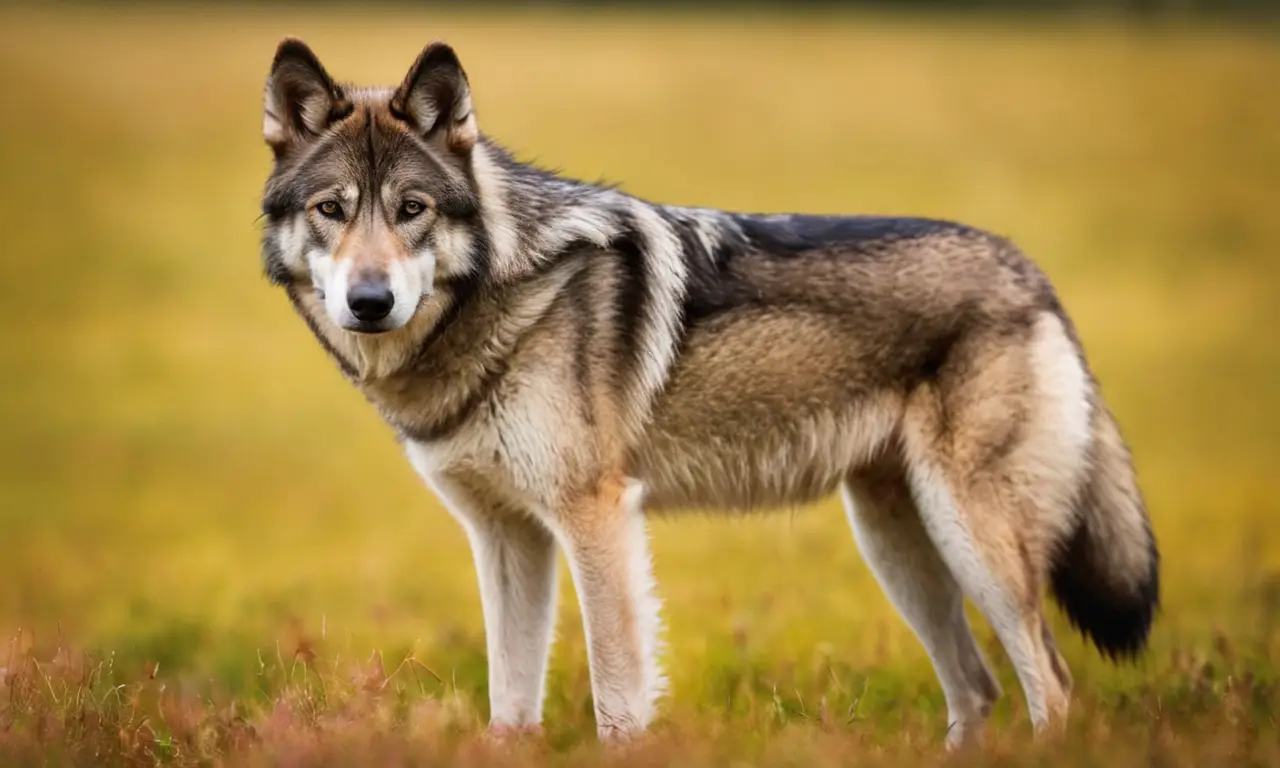
The most striking feature of the Czechoslovakian Wolfdog is undoubtedly its resemblance to a wolf. This is not by accident, as their lineage is clearly visible.
- Size and Build: They are medium to large-sized dogs, with males typically standing between 65 and 72 cm (26-28 inches) at the shoulder and weighing 26-35 kg (57-77 lbs). Females are slightly smaller, standing 60-68 cm (24-27 inches) and weighing 18-25 kg (40-55 lbs). They possess a strong, agile, and muscular build, designed for endurance and speed.
- Head: The head is wedge-shaped, with a broad skull and a straight muzzle. Their expression is alert and intelligent, often described as "wolf-like."
- Eyes: Almond-shaped eyes are typically amber or light brown, contributing to their piercing gaze.
- Ears: Erect, triangular ears are set high on the head and are highly mobile, constantly twitching to pick up sounds.
- Coat: The Czechoslovakian Wolfdog has a dense double coat that provides excellent insulation against both cold and heat. The outer coat is straight and lies close to the body, while the undercoat is soft and thick. Their coat changes significantly with the seasons, growing thicker in winter and shedding considerably in spring and autumn. The typical coloration ranges from yellowish-grey to silver-grey, often with a lighter mask on the face.
- Tail: The tail is set high and carried low in a relaxed state, but can be raised in a sickle shape when excited or alert.
Temperament: More Than Just a Pretty Face
Understanding the temperament of a Czechoslovakian Wolfdog is crucial for anyone considering owning one. They are not your typical family pet, and their unique blend of wolf and dog traits requires experienced handling.
Dalmatian Dog: History, Traits & Fun Facts- Intelligence and Trainability: They are exceptionally intelligent dogs, but this intelligence can manifest as independent thinking and a propensity to solve problems on their own. This means they can be challenging to train if you're not experienced. They respond best to positive reinforcement methods and clear, consistent leadership. They can become bored or frustrated with repetitive tasks.
- Loyalty and Affection: Czechoslovakian Wolfdogs form strong bonds with their families. They are intensely loyal and can be quite affectionate with their chosen people. However, they are often reserved with strangers and may exhibit a cautious, observant nature. Early and consistent socialization is paramount to ensure they are well-adjusted and not overly fearful or suspicious.
- Independence: Inherited from their wolf ancestors, these dogs possess a significant degree of independence. They are not clingy or overly eager to please in the way some dog breeds are. They require mental stimulation and enjoy having a "job" to do.
- Activity Level: They are high-energy dogs that require a significant amount of exercise and mental stimulation. Long walks, runs, hikes, and engaging play sessions are essential to keep them happy and prevent destructive behaviors. A bored Czechoslovakian Wolfdog can be a handful.
- Socialization: Early and ongoing socialization is critical. Exposing them to a wide variety of people, places, sounds, and other animals from a young age will help them develop into well-rounded adults. Without proper socialization, they can become fearful or overly reactive.
- Pack Mentality: They often see their human family as their pack and thrive in a structured environment with clear leadership. They generally get along well with other dogs, especially if raised with them, but their interactions with smaller pets should be carefully supervised due to their prey drive.
Training a Cinematic Breed: Challenges and Rewards
Training a Czechoslovakian Wolfdog is an endeavor that requires patience, consistency, and a deep understanding of their unique needs. This is where the "cinematic" aspect comes into play – their intelligence and independent spirit can make them seem like characters from an epic film, requiring a skilled director (owner).
- Start Early: Begin training and socialization from the moment you bring your puppy home. This is the critical window for shaping their behavior.
- Positive Reinforcement is Key: These dogs are highly intelligent and sensitive. Harsh corrections or punishment will be counterproductive and can damage your bond. Focus on rewarding desired behaviors with praise, treats, and play.
- Consistency is Paramount: Because they are independent thinkers, they need to know what is expected of them at all times. Ensure all family members are on the same page with rules and commands.
- Mental Stimulation: Beyond physical exercise, mental challenges are crucial. Puzzle toys, scent work, agility training, and learning new tricks will keep their minds engaged and prevent boredom-related issues.
- Socialization, Socialization, Socialization: This cannot be stressed enough. Enroll in puppy classes and continue exposing your dog to various positive experiences throughout their life. This includes meeting different types of people, well-behaved dogs, and visiting various environments.
- Leash Training: Due to their strong prey drive and potential for bolting, secure leash training is non-negotiable. They need to be comfortable and well-behaved on a leash in all situations.
- Recall Training: This can be a significant challenge due to their independent nature and wolf instincts. Consistent practice in safe, enclosed areas is vital.
- Leadership: Establish yourself as a confident and fair leader. This doesn't mean being aggressive, but rather being consistent, providing clear boundaries, and meeting their needs for exercise, mental stimulation, and companionship.
- Understanding Their Instincts: Recognize that they have strong prey drives and pack instincts. This will help you manage their behavior and set them up for success. For example, never leave them unsupervised with smaller animals.
Health and Lifespan: A Robust Breed
The Czechoslovakian Wolfdog is generally a robust and healthy breed, benefiting from its hybrid vigor. However, like all breeds, they are predisposed to certain health conditions.
- Lifespan: They typically live between 10 to 15 years, which is a good lifespan for a dog of their size.
- Common Health Concerns:
- Hip Dysplasia: A common skeletal condition in many large breeds. Responsible breeders will screen their breeding stock for this condition.
- Elbow Dysplasia: Similar to hip dysplasia, this affects the elbow joint.
- Degenerative Myelopathy (DM): A progressive neurological disease affecting the spinal cord. Genetic testing is available for this.
- Bloat (Gastric Dilatation-Volvulus - GDV): A life-threatening condition common in deep-chested breeds. Feeding smaller meals, avoiding exercise immediately after eating, and potentially considering prophylactic gastropexy can help reduce the risk.
- Veterinary Care: Regular veterinary check-ups, vaccinations, and parasite control are essential for maintaining their health.
Why the "Cinematic Breed" Nickname?
The Czechoslovakian Wolfdog earns its "cinematic breed" moniker for several reasons:
- Striking Appearance: Their wolf-like features make them incredibly photogenic and visually arresting. They have a wild, untamed beauty that captures the imagination. This has led to them being cast in films and television shows where a wolf-like appearance is desired, but with the added benefit of being manageable by human handlers.
- Intelligent and Expressive: Their intelligence, coupled with their alert and often intense gaze, allows them to convey a wide range of emotions and "thoughts" in their demeanor. This makes them compelling subjects for the camera.
- Loyalty and Intensity: Their deep loyalty and the intensity with which they bond with their families can translate into powerful on-screen portrayals of companionship and protective instincts.
- A Sense of Mystery: Their lineage and somewhat aloof nature lend them an air of mystery, which is often appealing in cinematic storytelling.
However, it's crucial to remember that their "cinematic" nature should not overshadow the reality of their needs as living, breathing animals. They are not props for entertainment but require commitment, understanding, and responsible ownership.
Border Collie vs. Aussie: Key Differences for Dog LoversIs a Czechoslovakian Wolfdog Right for You?
This breed is not for the faint of heart or the inexperienced dog owner. They are a significant commitment in terms of time, training, socialization, and exercise.
You might be a good fit if:
- You have previous experience with dog training, especially with independent or challenging breeds.
- You are committed to consistent, positive reinforcement training.
- You can provide ample daily exercise and mental stimulation.
- You have a secure yard and are prepared for a dog that can be an escape artist.
- You understand and respect their wolf-like instincts and temperament.
- You are looking for an intelligent, loyal, and capable companion, not just a pet.
- You are prepared for the significant socialization required.
You might want to reconsider if:
- You are a first-time dog owner.
- You prefer a dog that is easily trained and eager to please with minimal effort.
- You have a busy schedule and limited time for training and exercise.
- You have young children and cannot actively supervise all interactions.
- You live in an apartment or have limited outdoor space.
- You are not prepared for the shedding and grooming requirements.
- You are looking for a dog that is overly social with strangers and can be left alone for extended periods.
In summary: A Breed of Distinction
The Czechoslovakian Wolfdog – Everything about this cinematic breed highlights a dog that is both beautiful and complex. They are a testament to human ingenuity and a living link to their wild ancestors. Their intelligence, loyalty, and striking appearance make them incredibly rewarding companions for the right owners. However, their independent spirit, high energy needs, and specific training requirements demand a dedicated and knowledgeable handler. If you are prepared for the commitment, the Czechoslovakian Wolfdog offers an unparalleled bond and an experience unlike any other in the canine world. They are more than just a dog; they are a living legend, embodying the spirit of the wolf within the heart of a devoted companion.
Donkey vs. Donkey: Unveiling Key Differences
Dog Color Vision: How Do Dogs Recognize & Distinguish Colors?
Fila Brasileiro: The Majestic Mastiff of Brazil Explored
Basenji: The Enigmatic Barkless Dog – Congo Terrier Facts
Dog Language & Calm Signals: The Complete Guide
The Enduring Bond: Dogs & Humans, 14,000 Years
Dalmatian Dog: History, Traits & Fun Facts
Related posts