

Dog vs Bitch: Key Differences Explained for Owners
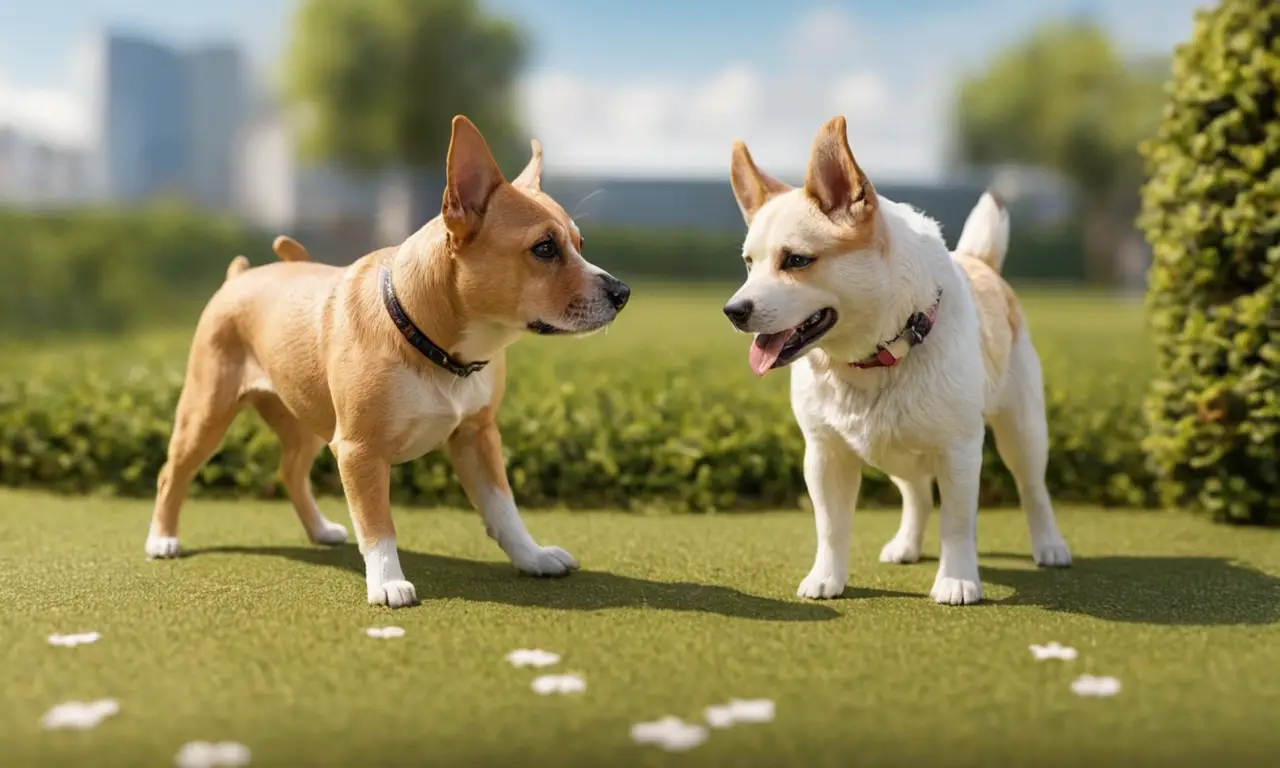
Dog vs Bitch: Key Differences Explained for Owners
Understanding the fundamental differences between male (dogs) and female (bitches) can significantly enhance your experience as a dog owner. While both share the core essence of canine companionship, their biological makeup leads to distinct behavioral patterns, physiological needs, and training considerations. This comprehensive guide delves into the various differences between dogs and bitches, offering insights to help you better care for and understand your furry companions, whether you have a male or female dog.
𝙲𝚘𝚗𝚝𝚎𝚗𝚝
Anatomical and Physiological Differences
The most apparent differences between dogs and bitches lie in their anatomy and reproductive systems. These biological distinctions influence their behavior, health, and care requirements.
Reproductive Organs
Male dogs possess external genitalia, including the penis and testes, which are responsible for reproduction. They have a prostate gland that can be prone to enlargement or infections as they age.
Female dogs, or bitches, have internal reproductive organs, including ovaries, a uterus, and a cervix. They experience heat cycles (estrus) periodically, typically twice a year, during which they are fertile and may display behavioral changes. Spaying, the surgical removal of a bitch's ovaries and uterus, is a common procedure to prevent unwanted pregnancies and reduce the risk of certain health issues. Neutering, the surgical removal of a male dog's testes, is also common for similar reasons.
Hormonal Influences
Hormones play a crucial role in shaping the behavior of both male and female dogs.
- Testosterone in Males: The primary male sex hormone, testosterone, influences a dog's scent marking, territorial behavior, and often their assertiveness. Intact males may be more prone to roaming in search of a mate, experiencing heightened aggression towards other males, and exhibiting a stronger drive to mark their territory with urine.
- Estrogen and Progesterone in Females: The cyclical release of estrogen and progesterone during a bitch's heat cycle significantly impacts her behavior. During estrus, a bitch may become more affectionate, restless, and vocal. She might also exhibit a strong desire to escape and find a mate. Outside of her heat cycles, hormonal levels are generally lower, and her behavior tends to be more stable.
Behavioral Differences
While individual personality plays a significant role, some general behavioral tendencies are observed between male and female dogs. These differences between dogs and bitches can impact training and socialization strategies.
Male vs Female Parakeet: Spotting the Differences & CareSocialization and Play
Both sexes benefit immensely from early and consistent socialization. However, some general observations include:
- Play Style: Male puppies often engage in more rough-and-tumble play, which can be misinterpreted as aggression. This type of play is normal for them and helps them develop social skills. Female puppies may engage in more gentle play, though they can certainly be boisterous.
- Pack Dynamics: In a multi-dog household, the social hierarchy can sometimes be more pronounced with intact males, where dominance struggles might be more apparent. However, with well-socialized and neutered/spayed dogs, these dynamics are often less of an issue.
Territoriality and Marking
Territorial behavior and marking are common in dogs, but the intensity can vary.
- Male Marking: Intact male dogs are generally more inclined to mark their territory with urine. This is a primal instinct to communicate their presence and status to other dogs. Neutering can often reduce or eliminate this behavior.
- Female Marking: While less common than in males, intact bitches may also mark their territory, particularly when in heat. Spaying usually stops this behavior.
Trainability and Focus
Both male and female dogs are intelligent and trainable. However, some trainers observe subtle differences in their focus and learning styles.
- Distractibility: Intact male dogs, especially those with high testosterone levels, might be more easily distracted by external stimuli, particularly other dogs or scents, especially during their roaming phases.
- Motivation: Both sexes respond well to positive reinforcement training methods. Understanding what motivates your individual dog, whether it's food, praise, or toys, is key to effective training. Some owners find bitches to be more eager to please, while others find males to be more food-motivated.
Affection and Companionship
The bond between a dog and its owner is unique and can be equally strong regardless of sex.
- Attachment: Both male and female dogs can form deep attachments to their owners and families.
- Affectionate Styles: Some owners describe male dogs as being more overtly affectionate, while female dogs might be perceived as being more independent or subtle in their expressions of love. However, these are generalizations, and individual personalities vary greatly.
Health and Care Considerations
The differences between dogs and bitches extend to their health and specific care needs.
Spaying and Neutering
- Neutering Males: This procedure prevents testicular cancer, reduces the risk of prostate problems, and can significantly decrease the likelihood of roaming, humping behavior, and aggression towards other males.
- Spaying Females: This prevents unwanted pregnancies, eliminates the risk of uterine infections (pyometra), ovarian cancer, and greatly reduces the risk of mammary tumors, especially if performed before the first heat cycle. It also eliminates the behavioral and physical changes associated with heat cycles.
Diet and Nutrition
While the fundamental nutritional needs are similar for all dogs, some minor adjustments might be considered.
Male vs Female Parrot: Unveiling Key Differences- Metabolism: Some studies suggest that male dogs might have a slightly higher metabolism than female dogs of the same breed and size, meaning they may require slightly more calories. However, this is highly individual and influenced by activity level.
- Weight Management: Obesity is a common issue in both sexes. Spayed and neutered dogs can be more prone to weight gain due to hormonal changes, so careful monitoring of food intake and exercise is crucial.
Age-Related Health Concerns
Both sexes are susceptible to common canine ailments, but some conditions are more prevalent in one sex than the other.
- Males: As mentioned, prostate issues are more common in intact older male dogs.
- Females: Pyometra (uterine infection) is a serious concern for intact bitches, as is mammary cancer.
Training and Management Tips
Understanding the differences between dogs and bitches can help tailor your training and management approach.
Early Socialization is Key
Regardless of sex, early and ongoing socialization is paramount for raising a well-adjusted dog. Expose your puppy to a variety of people, environments, sounds, and other friendly, vaccinated dogs from a young age.
Consistency in Training
Both male and female dogs thrive on consistency. Use clear commands, positive reinforcement methods (treats, praise, toys), and establish a predictable routine.
Managing Marking Behavior
- For Males: Regular walks, prompt cleanup of accidents indoors, and consistent training to discourage marking in inappropriate places are important. Neutering is often the most effective solution.
- For Females: Ensure you are aware of their heat cycles and take extra precautions to prevent unwanted encounters if they are not spayed.
Understanding Hormonal Influences on Behavior
Be aware that intact dogs, both male and female, will go through hormonal changes that can affect their behavior. This might include increased restlessness, vocalization, or a desire to roam. Spaying and neutering are often the most practical solutions for managing these behaviors.
Individual Personality Trumps Generalizations
It is crucial to remember that while generalizations exist, every dog is an individual. Your dog's breed, upbringing, genetics, and personal experiences will have a far greater impact on their personality and behavior than their sex alone. Some females are boisterous and assertive, while some males are gentle and reserved.
Neutering vs. Spaying: Key Differences for Your Dog's HealthWhen is it Important to Know the Differences between Dogs and Bitches?
- Breeding: If you are considering breeding your dog, understanding the reproductive biology and behavioral cues of both sexes is essential.
- Health: Knowing the sex-specific health risks helps you to proactively manage your dog's well-being and seek appropriate veterinary care.
- Behavioral Understanding: Recognizing potential sex-linked behavioral tendencies can help you anticipate and manage them effectively, leading to a more harmonious relationship.
- Training Strategies: While core training principles are the same, subtle adjustments might be made based on observed tendencies.
- Pet Selection: When choosing a new puppy or dog, understanding these differences can help you select a companion that best fits your lifestyle and experience.
In summary
The differences between dogs and bitches are multifaceted, encompassing anatomy, physiology, behavior, and health. While generalizations can be helpful for understanding broad tendencies, it is vital to remember that each dog is a unique individual. By appreciating these differences and focusing on consistent training, proper socialization, and responsible pet ownership, you can foster a loving and fulfilling relationship with your canine companion, regardless of their sex. Whether you share your life with a male or female dog, the rewards of their unconditional love and companionship are immeasurable.
Cat Urinary Crystals: Types, Symptoms & Treatment Guide

Cat Weight: How Do I Know If My Cat Is Fat?

Encephalitis in Dogs: Symptoms, Causes & Treatment

Dog Cavities: Causes, Symptoms, and Treatment Options

Natural Flea Relief: Home Remedies for Fleas in Cats

Newborn Puppy Feeding Guide: From Birth to Weaning
Related posts