
Male vs Female Parrot: Unveiling Key Differences
Male vs Female Parrot: Unveiling Key Differences
Understanding the subtle yet significant distinctions between male and female parrots is crucial for any prospective or current owner. Beyond the obvious sexual dimorphism that some species exhibit, there are behavioral, vocal, and even physical traits that can help differentiate genders, though it's important to note that definitive sexing often requires specialized methods. This article delves into the various ways to identify these differences, exploring everything from physical attributes to behavioral patterns and the implications for parrot ownership.
𝙲𝚘𝚗𝚝𝚎𝚗𝚝
The Challenge of Parrot Sexing
Before diving into specific differences, it's vital to acknowledge that distinguishing male from female parrots isn't always straightforward. Many parrot species are monomorphic, meaning they exhibit no obvious external physical differences between the sexes. In these cases, differences between male and female parrot can be incredibly subtle and often manifest in behavior or vocalizations, which can be subjective and vary greatly even within the same sex and species. For monomorphic species, the only definitive way to determine sex is through DNA testing (feather or blood samples) or surgical sexing by an avian veterinarian. However, for sexually dimorphic species, there are often visual cues that can offer strong indicators.
Sexually Dimorphic Parrots: Visual Clues
Some parrot species are blessed with natural visual indicators that allow for relatively easy sex determination. These are the species where owners can often make an educated guess based on appearance.
Plumage Coloration
The most common form of sexual dimorphism in parrots is found in plumage.
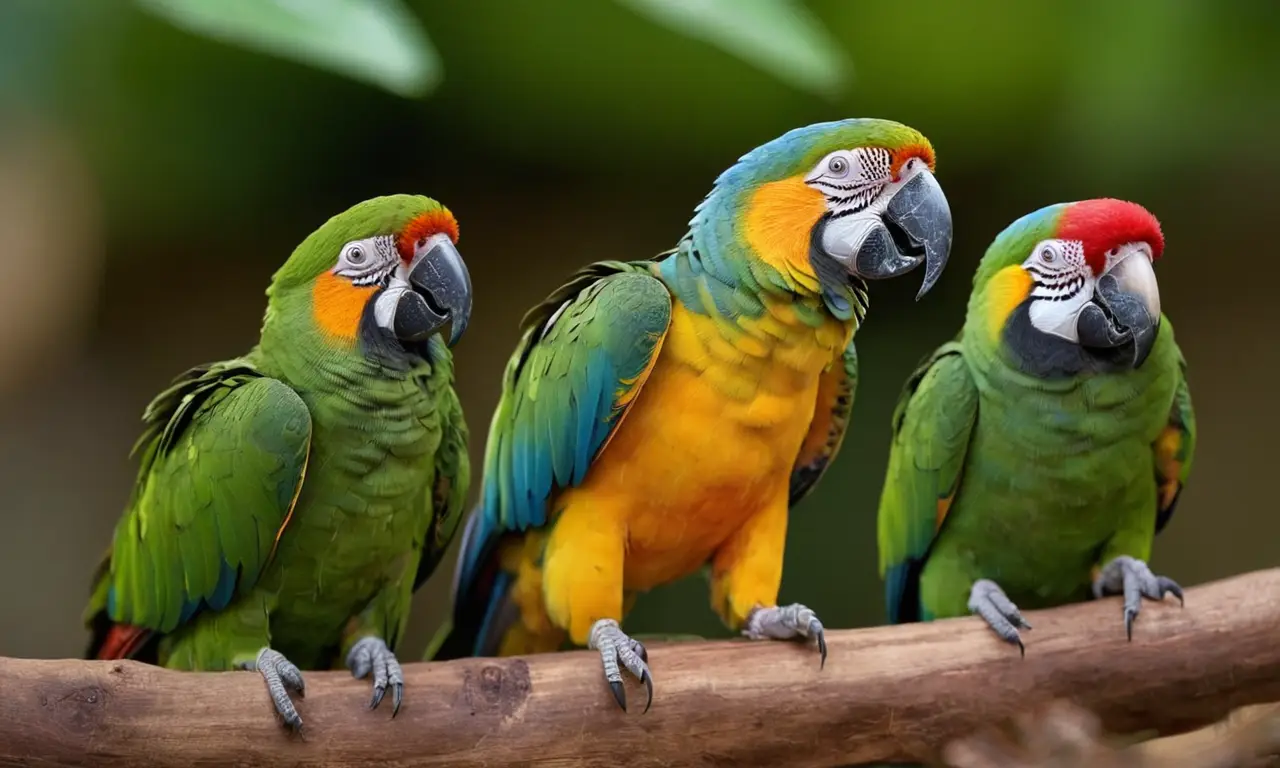
- Eclectus Parrots: These are perhaps the most striking example. Males are typically a vibrant emerald green with a bright blue or yellow chest and abdomen. Females, on the other hand, are a dazzling scarlet red with purple or blue accents on their wings and abdomen. This dramatic difference makes sexing Eclectus parrots a breeze.
- Ringneck Parakeets (Indian Ringnecks): In mature Ringnecks (typically after 1-2 years), males develop a distinct "ring" around their neck. This ring is usually black and often accompanied by pinkish hues. Females lack this prominent neck ring, appearing more uniform in coloration.
- Certain Macaw Species: While many macaws are monomorphic, some, like the Scarlet Macaw, exhibit subtle differences. Males may have a slightly more robust build or a more intense coloration, but these are often not definitive. For most macaws, other methods are needed.
- Amazon Parrots: Many Amazon parrot species are monomorphic, but in some, males might display slightly brighter or more saturated colors, particularly on their head or chest. These are often subtle and not reliable for definitive sexing.
Size and Build
In some species, there can be slight differences in size and build, with males often being larger and more robust than females. However, this is not a universal rule and can be influenced by individual genetics, diet, and overall health. Relying solely on size can be misleading.
Neutering vs. Spaying: Key Differences for Your Dog's Health- Cockatoos: In some cockatoo species, males may have a slightly larger beak and a broader head compared to females. The irises of the eyes can also differ: males often have very dark brown to black irises, while females tend to have reddish-brown or lighter brown irises. However, this is not always consistent.
- African Greys: While largely monomorphic in plumage, some anecdotal evidence suggests males might be slightly larger and have a more squared-off head shape. This is not a scientifically validated method.
Monomorphic Parrots: Behavioral and Vocal Clues
For the majority of parrot species, visual sexing is unreliable. In these cases, owners often look for behavioral and vocal tendencies that may indicate gender. It's crucial to remember that these are generalizations, and individual personalities play a huge role.
Vocalizations and Talking Ability
This is a common area where people seek differences between male and female parrot. It's a widely held belief that male parrots are more prone to talking and have a larger vocabulary. While there might be some truth to this, it's not a definitive rule.
- The "Talking" Myth: While some studies and anecdotal evidence suggest males may be slightly more inclined to vocalize and mimic human speech, many female parrots are excellent talkers and singers. The key is individual aptitude and the amount of interaction and training a parrot receives. A neglected male may not talk at all, while a well-stimulated female can become a vocal superstar.
- Pitch and Tone: Some owners report that male parrots tend to have a slightly deeper or more resonant voice, while females may have a higher-pitched or chirpier tone. Again, this is highly subjective and can vary greatly.
Behavioral Tendencies
Behavior is perhaps the most nuanced area when looking for differences between male and female parrot. While generalizations can be made, it's essential to treat each parrot as an individual.
- Aggression and Dominance: Some sources suggest that male parrots may be more prone to territorial aggression or dominance displays, especially during breeding season. This can manifest as increased biting, lunging, or puffing up. However, females can also exhibit these behaviors, particularly if they feel threatened or are in a hormonal state.
- Affection and Bonding: Both sexes can be incredibly affectionate and form strong bonds with their owners. There's no definitive gender-based predisposition to being "more cuddly." It depends on the individual parrot's personality, socialization, and the relationship they've developed.
- Chewing and Destructive Behavior: Parrots, regardless of sex, are natural chewers and can exhibit destructive behavior if bored or lacking appropriate outlets. Hormonal influences can sometimes exacerbate this, but it's not exclusively a male or female trait.
- Nest Building Behavior: This is a more pronounced behavior in females, as they are the ones who lay eggs. Even without a mate, some females may display nesting behaviors, shredding paper, or looking for secluded spots. Males can also participate in nest preparation, but the primary drive to create a nest and lay eggs is hormonal and typically stronger in females.
- "Puffed Up" and "Flirting" Displays: Both sexes can puff up their feathers and make courtship displays. However, these behaviors can be triggered by various factors, including hormones, excitement, or a desire for attention, and are not solely indicative of one sex.
Hormonal Cycles and Their Impact
A significant factor influencing behavior in both male and female parrots is their hormonal cycle. While these cycles are more directly linked to reproduction, they can influence a parrot's overall demeanor, regardless of whether they have a mate.
- Increased Vocalization and Territoriality: During hormonal periods, both sexes may become more vocal and territorial. Males might be more prone to displays of dominance, while females might become more withdrawn or protective of their perceived "nesting" areas.
- Aggression: Hormonal surges can lead to increased irritability and aggression in both male and female parrots. This is a natural part of their reproductive cycle and often requires careful management and understanding from owners.
- Changes in Appetite and Sleep Patterns: Hormonal changes can also affect a parrot's appetite and sleep patterns. Some might eat more or less, while others may become more lethargic or restless.
The Importance of Individual Personality
It cannot be stressed enough: differences between male and female parrot are often generalizations, and individual personality is paramount. Just like humans, every parrot is a unique individual with its own temperament, quirks, and predispositions.
Pekingese vs. Shih Tzu: Key Differences for Dog Lovers- Socialization and Training: A well-socialized and consistently trained parrot, regardless of sex, will generally be more well-behaved and adaptable. The amount of interaction, enrichment, and positive reinforcement an owner provides will have a far greater impact on behavior than the parrot's gender.
- Genetics: Just as in other animals, genetics plays a significant role in shaping a parrot's personality. Some bloodlines may be predisposed to certain traits, irrespective of sex.
- Life Experiences: A parrot's past experiences, including their upbringing and any previous homes, can also profoundly influence their behavior.
Definitive Sexing Methods
For owners who need to know for sure, or for those who own monomorphic species, definitive sexing methods are available.
DNA Testing
This is the most common and reliable method for sexing parrots.
- How it works: A small sample of the parrot's blood or a few feathers are sent to a specialized laboratory. The DNA is analyzed to determine the sex chromosomes (ZW for females, ZZ for males).
- Pros: Non-invasive (especially with feathers), highly accurate, can be done at any age.
- Cons: Requires sending samples to a lab, which incurs a cost.
Surgical Sexing
This is a procedure performed by an avian veterinarian.
- How it works: A veterinarian makes a small incision and directly visualizes the reproductive organs.
- Pros: Can be done at a younger age than some behavioral indicators become apparent, can also identify potential reproductive health issues.
- Cons: Invasive, requires anesthesia, carries a small surgical risk, and can be more expensive than DNA testing.
Implications for Parrot Ownership
Understanding the potential differences between male and female parrot can be helpful, but it's crucial to approach parrot ownership with realistic expectations.
- Choosing a Companion: If you have a strong preference for a highly vocal parrot, you might lean towards species known for talking ability, and some anecdotal evidence suggests males might be more inclined. However, never assume. If you're seeking a calmer companion, consider species known for gentler temperaments, but remember individual variation is key.
- Behavioral Management: Regardless of sex, all parrots require significant time, attention, training, and enrichment. Understanding hormonal influences can help owners manage behavioral changes more effectively.
- Breeding: If your intention is to breed parrots, accurate sex determination is absolutely essential.
In summary: Embrace the Individual
While there are observable differences between male and female parrot in some species and subtle behavioral tendencies in others, the most important takeaway is to appreciate each parrot as an individual. Focus on providing a loving, stimulating, and enriching environment, and you'll foster a strong bond with your feathered companion, regardless of their gender. For absolute certainty, especially with monomorphic species, DNA testing remains the gold standard. Ultimately, whether male or female, a well-cared-for parrot will bring immense joy and companionship into your life.
Bobtail vs. Bearded Collie: Key Differences for Dog Lovers
Cat Urinary Crystals: Types, Symptoms & Treatment Guide
Cat Weight: How Do I Know If My Cat Is Fat?
Encephalitis in Dogs: Symptoms, Causes & Treatment
Dog Cavities: Causes, Symptoms, and Treatment Options
Natural Flea Relief: Home Remedies for Fleas in Cats
Newborn Puppy Feeding Guide: From Birth to Weaning
Related posts