

Beagle vs. Basset Hound: Key Differences Explained
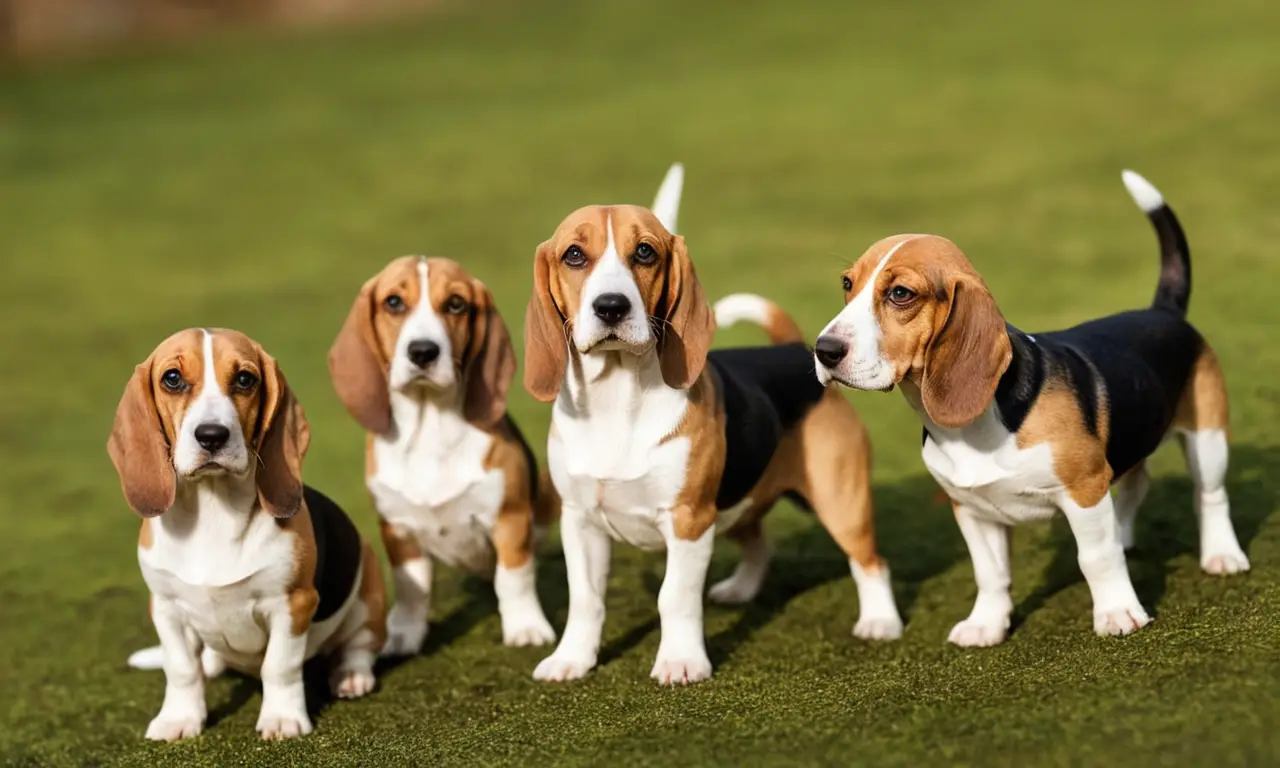
Beagle vs. Basset Hound: Key Differences Explained
The Beagle and the Basset Hound, both beloved breeds with distinct characteristics, often find themselves being compared by potential dog owners. While both are scent hounds with a charming disposition, understanding the differences between the beagle and the basset hound is crucial for choosing the right canine companion. This article delves into the multifaceted distinctions, covering their physical attributes, temperament, exercise needs, grooming requirements, and potential health concerns, empowering you to make an informed decision.
𝙲𝚘𝚗𝚝𝚎𝚗𝚝
- A Tale of Two Hounds: Origins and Purpose
- Physical Attributes: A Clear Visual Distinction
- Temperament and Personality: Subtle Yet Significant Differences
- Exercise Requirements: Meeting Their Needs
- Grooming: Keeping Them Looking Their Best
- Training: Patience is Key for Both
- Health Considerations: Common Ailments
- Which Breed is Right for You?
A Tale of Two Hounds: Origins and Purpose
To truly appreciate the differences between the beagle and the basset hound, it’s essential to understand their ancestral roles. Both breeds were developed for hunting, specifically for tracking game by scent.
The Beagle: The Nimble Tracker
Beagles are believed to have originated in England, with their lineage tracing back to the 16th century. They were primarily bred for hunting hare and rabbits, prized for their stamina, keen sense of smell, and pack mentality. Their smaller size allowed them to navigate dense undergrowth, and their distinctive baying helped hunters keep track of them.
The Basset Hound: The Low-Rider Scent Specialist
The Basset Hound, also originating from France, has a history stretching back to the Middle Ages. Their name, derived from the French word "bas," meaning "low," hints at their most striking physical feature. They were bred to hunt small game, particularly rabbits and hares, but their slower pace made them ideal for hunters who preferred to follow on foot rather than on horseback. Their powerful noses and ability to track over long distances were paramount.
Physical Attributes: A Clear Visual Distinction
The most immediate differences between the beagle and the basset hound are their physical appearances, a testament to their different breeding purposes.
Size and Build
- Beagle: Beagles are compact and muscular dogs. They typically stand between 13 and 15 inches tall at the shoulder and weigh between 18 and 30 pounds. They have a sturdy build, designed for endurance and agility.
- Basset Hound: Basset Hounds are characterized by their short, heavy bodies and long, drooping ears. They are significantly heavier than Beagles for their height, standing around 11 to 15 inches tall but weighing between 40 and 65 pounds. Their build is substantial and low to the ground, emphasizing their scenting abilities rather than speed.
Head and Face
- Beagle: Beagles possess a moderately domed skull, with a medium-length muzzle that is not snipey. Their eyes are large, expressive, and dark brown, conveying a gentle and curious nature. Their ears are long and floppy, set low on the head, and hang down the cheeks.
- Basset Hound: The Basset Hound's head is perhaps their most defining feature. They have a large, domed skull with a significantly loose, wrinkled face. Their eyes are often described as mournful or sad, due to their drooping eyelids, and are typically brown. Their ears are exceptionally long, reaching well past their jawline, and have a velvety texture. Their muzzle is deep and square.
Coat and Color
- Beagle: Beagles have a short, dense, weather-resistant double coat. The most common color is tricolor (black, tan, and white), but they can also be found in bicolor combinations of red and white, lemon and white, or tan and white.
- Basset Hound: Basset Hounds also have a short, smooth, dense coat that is weather-resistant. They commonly appear in tricolor patterns similar to Beagles (black, tan, and white) and also in bicolor combinations such as red and white or lemon and white.
Temperament and Personality: Subtle Yet Significant Differences
While both breeds are known for their friendly and good-natured personalities, there are nuances in their temperaments that highlight the differences between the beagle and the basset hound.
Dingo: Australia's Wild Dog - Fascinating Facts & InsightsEnergy Levels and Playfulness
- Beagle: Beagles are generally energetic and playful dogs. They enjoy a good romp and are known for their curiosity, which can sometimes lead them into mischief. They thrive on interaction and can be quite enthusiastic when engaged in play.
- Basset Hound: Basset Hounds are more laid-back and less overtly energetic than Beagles. While they enjoy playtime, they are content with moderate exercise and are not typically as boisterous. Their enthusiasm is often expressed through their determined pursuit of a scent.
Independence and Stubbornness
- Beagle: Beagles can be independent and have a strong prey drive, which can make them prone to wandering if not properly secured. Their scent-driven nature can sometimes override obedience commands, making consistent training essential.
- Basset Hound: Basset Hounds are also known for their independent streak and can be quite stubborn. Their focus on scent can make them incredibly determined, sometimes to the point of ignoring their handlers. Patience and positive reinforcement are key to training them.
Vocalization
- Beagle: Beagles are renowned for their distinctive baying vocalization. They tend to be quite vocal, especially when excited, bored, or on the scent of something interesting. This can be a significant consideration for potential owners living in close proximity to others.
- Basset Hound: Basset Hounds also have a distinctive howl, which is often described as a deep bay or a mournful cry. While they are vocal, they are generally not as consistently noisy as Beagles, though their bay can be quite loud when they choose to use it.
Sociability
- Beagle: Beagles are generally very social and enjoy the company of both humans and other dogs. Their pack mentality makes them adaptable to family life and generally good with children.
- Basset Hound: Basset Hounds are also friendly and sociable dogs. They often form strong bonds with their families and can be very good with children. Their gentle nature makes them amiable companions.
Exercise Requirements: Meeting Their Needs
Understanding the differences between the beagle and the basset hound in terms of exercise needs is crucial for their well-being.
Beagle Exercise Needs
Beagles require a good amount of daily exercise to stay healthy and happy. This includes:
- Daily Walks: At least two brisk walks per day, each lasting 30-60 minutes.
- Playtime: Opportunities for running and playing in a securely fenced yard or park.
- Mental Stimulation: Puzzle toys and scent games can help prevent boredom and destructive behavior.
Their high energy levels mean they can be prone to weight gain if not adequately exercised.
Basset Hound Exercise Needs
Basset Hounds have more moderate exercise requirements:
- Daily Walks: Shorter, regular walks are sufficient, perhaps 20-30 minutes twice a day.
- Gentle Play: They enjoy short bursts of play but are not built for strenuous activity.
- Scent Work: Engaging their noses with scent games is a great way to provide mental stimulation.
It’s important to avoid over-exertion, especially in hot weather, due to their body structure.
Grooming: Keeping Them Looking Their Best
While both breeds have short coats, there are some grooming differences to be aware of, particularly concerning the Basset Hound.
Enchanting Disney Character Names for Your Feline FriendBeagle Grooming
- Brushing: Weekly brushing with a firm bristle brush or grooming glove is usually sufficient to remove loose hair and keep their coat healthy.
- Bathing: Occasional baths as needed, using a mild dog shampoo.
- Ear Cleaning: Regular checking and cleaning of their ears are important to prevent infections, as their ears can trap moisture and debris.
- Nail Trimming: Regular nail trims are necessary to prevent overgrowth.
Basset Hound Grooming
- Brushing: Similar to Beagles, weekly brushing is recommended.
- Bathing: Baths as needed.
- Ear Cleaning: This is a critical area for Basset Hounds. Their extremely long ears require daily attention to prevent infections, yeast overgrowth, and odor. They should be gently wiped and dried thoroughly after each bath or if they become wet.
- Eye Care: Their drooping eyelids can sometimes lead to irritation or discharge, so gentle wiping around the eyes may be necessary.
- Drool Management: Basset Hounds are prone to drooling, so owners may want to have a cloth handy to wipe their faces.
- Nail Trimming: Regular nail trims are essential.
Training: Patience is Key for Both
When considering the differences between the beagle and the basset hound in terms of training, patience and consistency are paramount for both breeds.
Beagle Training
- Positive Reinforcement: Beagles respond best to positive reinforcement methods, such as treats, praise, and play.
- Early Socialization: Exposing them to various people, places, and other animals from a young age is vital.
- Consistency: Due to their independent nature and strong scent drive, consistent training and clear commands are essential.
- Leash Training: Due to their tendency to follow scents, leash training is non-negotiable.
Basset Hound Training
- Patience and Stubbornness: Basset Hounds can be exceptionally stubborn. Patience, short training sessions, and a good sense of humor are required.
- Positive Reinforcement: Similar to Beagles, positive reinforcement is the most effective method. They are motivated by treats and praise.
- House Training: They can sometimes be challenging to housebreak, so consistent routines and frequent potty breaks are necessary.
- Scent Games: Incorporating scent games can be a great way to engage their minds and make training more enjoyable for them.
Health Considerations: Common Ailments
While generally healthy breeds, understanding potential health concerns is an important aspect of the differences between the beagle and the basset hound.
Beagle Health Concerns
- Ear Infections: Due to their floppy ears, they are prone to ear infections.
- Hip Dysplasia: This is a common condition in many breeds.
- Epilepsy: Some Beagles may be predisposed to epilepsy.
- Hypothyroidism: A condition affecting the thyroid gland.
- Intervertebral Disc Disease (IVDD): Though less common than in some other breeds, it can occur.
- Obesity: Beagles can be prone to overeating and gaining weight, which can exacerbate other health issues.
Basset Hound Health Concerns
- Ear Infections: Their long ears make them highly susceptible to chronic ear infections.
- Bloat (Gastric Dilatation-Volvulus): A life-threatening condition common in deep-chested breeds.
- Hip and Elbow Dysplasia: Similar to Beagles, these joint issues can occur.
- Eye Conditions: Such as cherry eye, glaucoma, and entropion (inward rolling of the eyelid).
- Skin Fold Dermatitis: The wrinkles on their face and body can trap moisture and lead to skin infections.
- Obesity: Basset Hounds are very prone to obesity, which can lead to a host of health problems, including back issues and joint pain.
Which Breed is Right for You?
The differences between the beagle and the basset hound ultimately point to two wonderful but distinct canine companions.
Choose a Beagle if:
- You are looking for a playful, energetic, and curious dog.
- You don't mind a dog that can be vocal.
- You have an active lifestyle and can provide ample exercise.
- You are prepared for consistent training to manage their scent drive.
- You have a securely fenced yard.
Choose a Basset Hound if:
- You are looking for a more laid-back, gentle, and comical companion.
- You are prepared for diligent ear care.
- You understand and can manage their potential for stubbornness.
- You can provide moderate exercise and are mindful of their tendency to gain weight.
- You appreciate their unique, somewhat mournful appearance.
In conclusion, while both the Beagle and the Basset Hound share a heritage as scent hounds, the differences between the beagle and the basset hound in their physical build, temperament, energy levels, and specific care needs are significant. By carefully considering these distinctions, you can make an informed decision that ensures a happy and harmonious life with your chosen furry friend.
Magical Disney Character Names for Your Canine Companion
Dog Color Vision: How Do Dogs Recognize & Distinguish Colors?
Fila Brasileiro: The Majestic Mastiff of Brazil Explored

Basenji: The Enigmatic Barkless Dog – Congo Terrier Facts
Dog Language & Calm Signals: The Complete Guide
The Enduring Bond: Dogs & Humans, 14,000 Years
Dalmatian Dog: History, Traits & Fun Facts
Related posts