

Do Cats Feel the Cold? Understanding Feline Temperature Needs
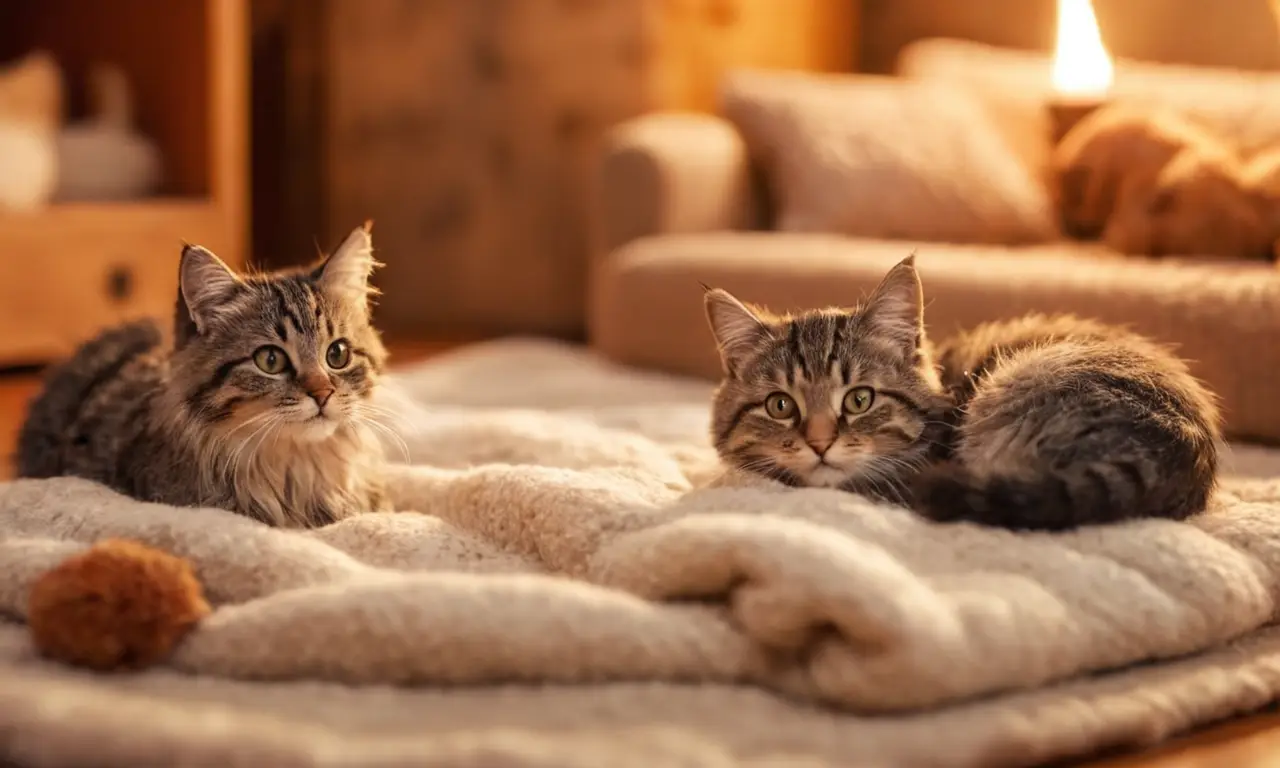
Do Cats Feel the Cold? Understanding Feline Temperature Needs
As devoted cat owners, we strive to ensure our feline companions are comfortable and healthy in every season. When the temperatures drop, a common question arises: Do cats feel the cold? The answer is a resounding yes. While cats possess a remarkable ability to adapt and often seem unfazed by chilly weather, they are not immune to the effects of cold. Understanding their physiological adaptations, the signs of discomfort, and how to provide adequate warmth is crucial for their well-being. This comprehensive guide will delve into the intricacies of feline thermoregulation, explore the factors influencing their cold tolerance, and offer practical advice for keeping your cat cozy and safe during the colder months.
𝙲𝚘𝚗𝚝𝚎𝚗𝚝
The Science Behind Feline Cold Tolerance
Cats, originating from warmer climates like ancient Egypt and the Middle East, are naturally predisposed to warmer temperatures than humans. Their evolutionary history has equipped them with specific adaptations to cope with heat, rather than extreme cold. However, this doesn't mean they are entirely vulnerable to frostbite or hypothermia. Their fur plays a significant role in insulation, providing a barrier against the elements. This fur consists of two layers: the undercoat, which is dense and fluffy, and the guard hairs, which are longer and coarser, offering protection from rain and wind.
Fur Type and Insulation
The density and length of a cat's fur vary significantly by breed. For instance, breeds like the Maine Coon or Siberian cat have exceptionally thick double coats designed to withstand harsh winter conditions. Conversely, breeds with short or thin fur, such as the Siamese or Sphynx (which is essentially hairless), have a much lower tolerance for cold. The Sphynx cat, in particular, requires special care and protection during colder periods due to its lack of fur insulation.
Body Fat and Metabolism
Beyond their fur, cats also have a layer of body fat that contributes to insulation. A healthy body weight is essential for a cat's ability to regulate its temperature. Cats with insufficient body fat may struggle to stay warm. Furthermore, their metabolic rate can slightly increase in colder temperatures to generate more internal heat. This means they might require slightly more calories during winter, a factor to consider when adjusting their diet.
Paw Pads: A Sensitive Area
While their fur provides excellent insulation for their bodies, a cat's paw pads are surprisingly sensitive to temperature extremes. These pads are designed for traction and cushioning, and while they offer some protection, prolonged exposure to ice, snow, or freezing pavement can cause discomfort, pain, and even frostbite. This is why you might notice your cat lifting its paws or avoiding cold surfaces during winter.
Do Dogs Also Have Sores? Understanding Causes & CareSigns Your Cat is Feeling the Cold
Observing your cat's behavior is the most effective way to determine if they are experiencing discomfort from the cold. Cats are masters at hiding illness and pain, so subtle changes can indicate they are feeling chilly.
Behavioral Changes
- Seeking Warmth: This is the most obvious sign. If your cat is suddenly spending more time near radiators, fireplaces, sunny windows, or snuggling under blankets, it's a clear indicator they are seeking external heat.
- Huddling: Cats might group together more tightly if they live in a multi-cat household when it's cold.
- Curling into a Ball: When sleeping, cats tend to curl up tightly, tucking their extremities in. This behavior is amplified in colder weather as it minimizes heat loss.
- Shivering: While less common than in dogs, cats can shiver when they are very cold. This is an involuntary muscle contraction to generate heat.
- Lethargy and Reduced Activity: A cold cat might become less playful and more inclined to sleep. While some decrease in activity is normal in winter, a significant drop could signal discomfort.
- Reluctance to Go Outside: Outdoor cats or those who enjoy brief excursions will likely become much more hesitant to venture out into the cold.
Physical Signs
- Cold Paws and Ears: Gently touching your cat's paws or ears can give you a clue. If they feel noticeably colder than usual, it's a sign their body is trying to conserve heat for vital organs.
- Panting (Rare but Possible): While primarily a sign of overheating, extreme cold can sometimes stress a cat to the point of panting, although this is uncommon.
- Stiffness: Very cold cats might move stiffly.
Factors Influencing a Cat's Cold Tolerance
Several factors contribute to how well a cat can handle cold temperatures. Recognizing these can help you tailor your approach to keeping your individual cat comfortable.
Breed and Coat Type
As mentioned earlier, breeds with thick, dense fur have a much higher tolerance for cold than short-haired or hairless breeds. A Norwegian Forest Cat will fare far better in winter than a hairless Sphynx.
Age
Kittens and senior cats are more vulnerable to cold. Kittens have not yet fully developed their thermoregulatory systems, making them prone to hypothermia. Senior cats, like older humans, may have underlying health conditions or a reduced ability to maintain body temperature.
Health Status
Cats with certain medical conditions, such as hypothyroidism, heart disease, or kidney disease, may have a compromised ability to regulate their body temperature and thus be more susceptible to the cold. Obese cats might be insulated by fat, but obesity itself can contribute to other health issues. Conversely, underweight cats lack the necessary fat reserves for insulation.
Do Guinea Pigs Bite? Understanding Their Behavior & PreventionActivity Level and Environment
A cat's activity level plays a role. More active cats generate more internal body heat. An indoor cat that spends its days lounging in a heated home will have a different experience of cold than an outdoor cat that must constantly seek shelter and generate its own warmth.
Acclimatization
Cats that have gradually been exposed to colder temperatures over time (e.g., from autumn into winter) tend to adapt better than those suddenly plunged into freezing weather. This is why cats that have lived outdoors year-round might seem more resilient, but they still face risks.
Providing Warmth and Comfort for Your Cat
Ensuring your cat remains warm and comfortable during the colder months is paramount. Here are practical tips for indoor and outdoor cats.
For Indoor Cats:
- Create Cozy Resting Spots:
- Heated Cat Beds: These are a fantastic investment, offering a consistent source of gentle warmth. Ensure they are safe and designed for pets.
- Window Perches: Cats love watching the world outside. A heated window perch can combine their favorite activity with warmth.
- Draft-Free Areas: Identify and block any drafts around windows and doors. Even a small draft can significantly cool a room.
- Soft Blankets and Cushions: Provide plenty of soft, warm bedding in their favorite sleeping spots. Layering is key.
- Radiator Covers: If you have radiators, consider a safe radiator cover that allows heat to escape but prevents direct contact.
- Increase Ambient Temperature Slightly: If your home's thermostat is set lower in winter, consider raising it by a degree or two, especially in rooms where your cat spends a lot of time.
- Sunny Spots: Maximize natural warmth by ensuring curtains are open during sunny hours.
- Lap Time: More snuggles with you means more shared body heat!
For Outdoor Cats (or those with access to the outdoors):
- Insulated Shelters:
- Dedicated Cat Houses: If your cat spends significant time outdoors, provide an insulated, waterproof shelter. These can be purchased or made at home.
- Elevated and Draft-Free: Ensure the shelter is elevated off the ground to prevent heat loss to the earth and has a small entrance to minimize drafts.
- Bedding: Line the shelter with straw (not hay, as hay retains moisture) or old blankets to provide insulation.
- Limited Outdoor Access: If temperatures are extremely low or there's precipitation, consider keeping your cat indoors entirely or limiting their outdoor time to short supervised periods.
- Food and Water: Ensure fresh, unfrozen water is always available. In very cold weather, consider using a heated water bowl. Cats will need to expend more energy to stay warm, so slightly increasing their food intake might be necessary, but consult your vet first.
- Check Paws: After your cat has been outside, check their paw pads for any signs of ice balls, cracking, or irritation. Gently wipe them dry.
When to Seek Veterinary Advice
While most healthy cats can manage mild cold with appropriate care, there are instances when you should consult your veterinarian.
- Signs of Hypothermia: If your cat is exhibiting extreme lethargy, weakness, difficulty breathing, or seems unresponsive, seek immediate veterinary attention. Hypothermia is a serious condition.
- Frostbite: If you suspect frostbite on your cat's ears, tail, or paws (they may appear pale, red, or black and feel cold to the touch), contact your vet.
- Underlying Health Issues: If your cat has a pre-existing condition that might be exacerbated by cold, discuss winter care strategies with your vet.
- Significant Behavioral Changes: Any drastic, unexplained changes in your cat's behavior, appetite, or activity level warrant a veterinary check-up.
Debunking Myths: Can Cats Tolerate Extreme Cold?
It's a common misconception that because cats have fur, they can withstand any level of cold. This is simply not true. While some breeds are better equipped than others, no cat is immune to the dangers of prolonged exposure to extreme temperatures. Even hardy breeds can suffer from frostbite, hypothermia, and other cold-related illnesses if not provided with adequate shelter and warmth.
Do Guinea Pigs Recognize Their Owners? Unveiling the BondIn summary: Prioritizing Feline Comfort
In conclusion, do cats feel the cold? Yes, they absolutely do. While their fur and body fat provide natural insulation, their tolerance varies greatly by breed, age, health, and environment. By understanding the signs of cold discomfort and implementing proactive measures to provide warmth and shelter, you can ensure your beloved feline companion remains safe, healthy, and comfortable throughout the winter months. Observing your cat's cues, offering cozy resting spots, and being mindful of their specific needs are the cornerstones of responsible pet ownership when the temperature drops. A little extra attention during colder periods can make a world of difference to your cat's well-being.
Cat Urinary Crystals: Types, Symptoms & Treatment Guide

Cat Weight: How Do I Know If My Cat Is Fat?

Encephalitis in Dogs: Symptoms, Causes & Treatment

Dog Cavities: Causes, Symptoms, and Treatment Options

Natural Flea Relief: Home Remedies for Fleas in Cats

Newborn Puppy Feeding Guide: From Birth to Weaning
Related posts