

Do Dogs Have Belly Buttons? Unveiling the Truth
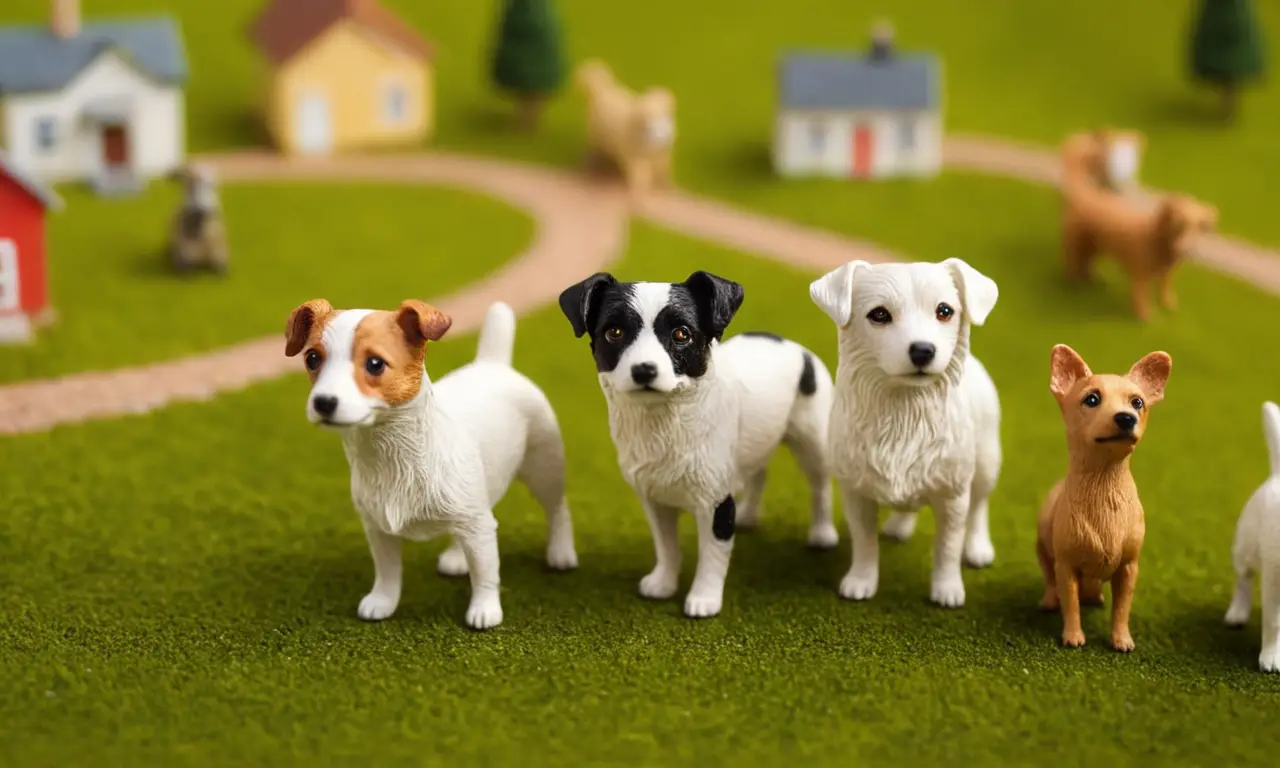
Do Dogs Have Belly Buttons? We Clear Your Doubts
Many pet owners, upon observing their canine companions, might wonder about the presence of a belly button. This common inquiry stems from our own anatomy and the visible navel we possess. While dogs don't have a belly button in the exact same way humans do, the answer to whether they have one is a definitive yes. This article will delve into the fascinating world of canine anatomy, explaining the function and appearance of a dog's umbilical scar, debunking common myths, and providing practical advice on how to care for this often-overlooked part of your furry friend. Understanding this aspect of your dog's physiology can enhance your bond and contribute to their overall well-being.
𝙲𝚘𝚗𝚝𝚎𝚗𝚝
- The Umbilical Cord: A Lifeline in the Womb
- Birth and the Severing of the Cord
- What Remains: The Canine "Belly Button"
- Differentiating from Other Abdominal Features
- Why Doesn't It Look Like Ours? Evolutionary Differences
- Caring for Your Dog's "Belly Button"
- Myths and Misconceptions
- The Psychological Connection: A Visible Reminder
- When to Seek Veterinary Advice
- In summary: A Small Scar, a Big Connection
The Umbilical Cord: A Lifeline in the Womb
To understand a dog's belly button, we must first trace its origins back to the womb. Like all placental mammals, puppies develop inside their mother's uterus. During gestation, each puppy is connected to the placenta via an umbilical cord. This cord is a vital lifeline, responsible for delivering oxygen and nutrients from the mother to the developing fetus and removing waste products. Without the umbilical cord, puppies would not be able to grow and survive in utero.
The umbilical cord is essentially a tube containing blood vessels. These vessels facilitate the exchange of essential substances, ensuring the healthy development of the puppy's organs, bones, and muscles. The length and thickness of the umbilical cord can vary between puppies, depending on factors such as the mother's health and the size of the litter.
Birth and the Severing of the Cord
At the time of birth, the umbilical cord plays no further role. The mother dog, instinctively, will sever the cord. This can happen in a few ways: she might chew it off herself, or it might break naturally during the birthing process. In some cases, especially with first-time mothers or if complications arise, a human might need to assist in cutting the cord. If human intervention is necessary, it's crucial to use sterile scissors or a clean knife and to ligate (tie off) the cord a short distance from the puppy's abdomen to prevent excessive bleeding. A general rule of thumb is to leave about 1-2 inches of cord attached.
Do Dogs Have Feelings? Exploring Canine EmotionsWhat Remains: The Canine "Belly Button"
After the umbilical cord is severed, a small stump of tissue remains attached to the puppy's abdomen. This stump will then begin to dry out and eventually fall off on its own, typically within the first few days or weeks of the puppy's life. What is left behind is the canine equivalent of a human belly button – a small scar.
This scar is what we refer to as a dog's belly button. It's usually a small, flat, or slightly raised area on the underside of their abdomen, often located just below the rib cage. Unlike human belly buttons, which can be "innie" or "outie," a dog's belly button is generally a flat or slightly puckered mark. The exact appearance can vary greatly from one dog to another. Some may have a very faint, almost unnoticeable scar, while others might have a more distinct, slightly raised area. Factors like breed, genetics, and how the cord detached can influence the final appearance.
Differentiating from Other Abdominal Features
It's important to distinguish a dog's belly button from other common abdominal features or potential medical issues. Sometimes, owners might mistake a small lump, a mole, or even a patch of skin irritation for a belly button.
- Umbilical Hernia: This is a more significant concern. An umbilical hernia occurs when a portion of the intestine or abdominal fat protrudes through a weak spot in the abdominal muscles where the umbilical cord was attached. This can result in a soft, palpable bulge on the abdomen. While some small umbilical hernias may close on their own, larger ones can require surgical correction. If you notice a noticeable bulge or swelling in the area of your dog's belly button, it's crucial to consult your veterinarian.
- Skin Tags/Moles: Dogs can develop skin tags or moles just like humans. These are typically benign growths that can appear anywhere on the body, including the abdomen. They usually have a distinct texture and appearance different from the smooth scar of a belly button.
- Scars from Surgery or Injury: If your dog has undergone abdominal surgery or sustained an injury, they may have other scars on their belly that should not be confused with their natural belly button.
Why Doesn't It Look Like Ours? Evolutionary Differences
The stark difference in appearance between a human belly button and a dog's belly button is primarily due to evolutionary adaptations and developmental processes.
Do Dogs Like Kisses? Understanding Canine Affection Signals- Furry Coat: The most obvious difference is the presence of a thick fur coat in dogs, which obscures the abdominal area. Human skin is exposed, making our navels more visible.
- Birthing Process: While humans rely on the placenta and umbilical cord for gestation, our birth process is different. After birth, the umbilical cord is clamped and cut by a medical professional, and the remaining stump heals and forms a distinct scar. In dogs, the mother severs the cord, and the process of drying and detachment, followed by the growth of fur, often leads to a less prominent and less defined scar.
- Function Post-Birth: In humans, the belly button's primary function is as a reminder of our prenatal connection. In dogs, the scar serves a similar commemorative purpose, but its visibility is reduced by their anatomy and lifestyle.
Caring for Your Dog's "Belly Button"
For the most part, a dog's belly button requires no special care. Once the umbilical stump has fallen off and the area has healed, it's essentially just a healed scar. However, there are a few things to keep in mind:
- Keep the Area Clean: While you don't need to actively clean the belly button itself, maintaining overall hygiene for your dog is important. Regularly check your dog's belly area for any signs of irritation, redness, discharge, or unusual lumps. If you notice anything concerning, consult your veterinarian.
- Monitor for Hernias: As mentioned earlier, be aware of the possibility of an umbilical hernia. Regularly palpate your dog's abdomen, especially in the belly button area, to check for any soft bulges.
- Avoid Irritation: Ensure that your dog's harness or collar doesn't rub excessively on their abdomen, as this could irritate the skin, especially if the belly button area is slightly raised.
- Regular Veterinary Check-ups: During your dog's routine veterinary examinations, your vet will naturally check their abdomen, including the belly button area, as part of a thorough physical assessment. Don't hesitate to bring up any concerns you might have about this area.
Myths and Misconceptions
There are several myths surrounding dogs' belly buttons, often stemming from comparing them to human anatomy.
- Myth 1: Dogs don't have belly buttons. This is false, as explained above. They have an umbilical scar, which serves the same purpose as a human belly button – marking where the umbilical cord was attached.
- Myth 2: A dog's belly button must be "outie." This is also incorrect. While some human belly buttons are "outie," dog's umbilical scars are typically flat or slightly puckered and rarely prominent in the way a human "outie" can be.
- Myth 3: A dog's belly button signifies a specific breed trait. The appearance of a dog's belly button is not indicative of its breed. It's a universal mammalian characteristic influenced by individual healing processes.
- Myth 4: The belly button is a sensitive area that needs constant attention. While the skin around the belly button can be sensitive, it's not a particularly vulnerable area that requires special treatment beyond general good hygiene.
The Psychological Connection: A Visible Reminder
For humans, the belly button is a visible reminder of our dependence on our mothers during gestation and our connection to life itself. While dogs are less likely to ponder their naval origins in a philosophical sense, the presence of this scar can subtly contribute to the human-animal bond. When we observe our dogs, recognizing this small anatomical detail can deepen our understanding of their mammalian nature and the shared biological heritage we possess. It's a tiny mark that speaks volumes about the miracle of life and the journey from womb to world.
When to Seek Veterinary Advice
While a dog's belly button is generally a harmless anatomical feature, there are specific instances when you should consult your veterinarian:
Bee Diet Explained: Do You Know What Bees Eat?- Persistent Discharge or Odor: If the area around the belly button exhibits any unusual discharge, pus, or a foul odor, it could indicate an infection.
- Redness and Swelling: Significant redness, swelling, or signs of inflammation around the belly button warrant a veterinary visit.
- Pain or Discomfort: If your dog shows signs of pain or discomfort when the abdominal area is touched, it's crucial to get it checked out.
- A Noticeable Lump or Bulge: As discussed, a lump or bulge could be a sign of an umbilical hernia, which requires professional evaluation.
- The Umbilical Stump Not Falling Off: If the umbilical stump remains attached for an extended period (beyond a few weeks) or shows signs of infection, a vet should assess it.
In summary: A Small Scar, a Big Connection
So, to answer the question, do dogs have belly buttons? We clear your doubts: Yes, dogs do have belly buttons, or more accurately, an umbilical scar. This small, often inconspicuous mark is a testament to their mammalian origins and the vital role the umbilical cord played in their development. While it may not be as prominent as our own navels, it's an integral part of their anatomy. By understanding its origin, recognizing its normal appearance, and knowing when to seek professional advice, you can ensure this small part of your dog's body contributes positively to their health and your understanding of their incredible biology. The next time you're giving your furry friend a belly rub, take a moment to appreciate this tiny, yet significant, reminder of their journey into the world.
Dog Color Vision: How Do Dogs Recognize & Distinguish Colors?

Fila Brasileiro: The Majestic Mastiff of Brazil Explored
Basenji: The Enigmatic Barkless Dog – Congo Terrier Facts
Dog Language & Calm Signals: The Complete Guide
The Enduring Bond: Dogs & Humans, 14,000 Years

Dalmatian Dog: History, Traits & Fun Facts
Related posts