

Beagle Exercise Guide: Fun & Engaging Activities
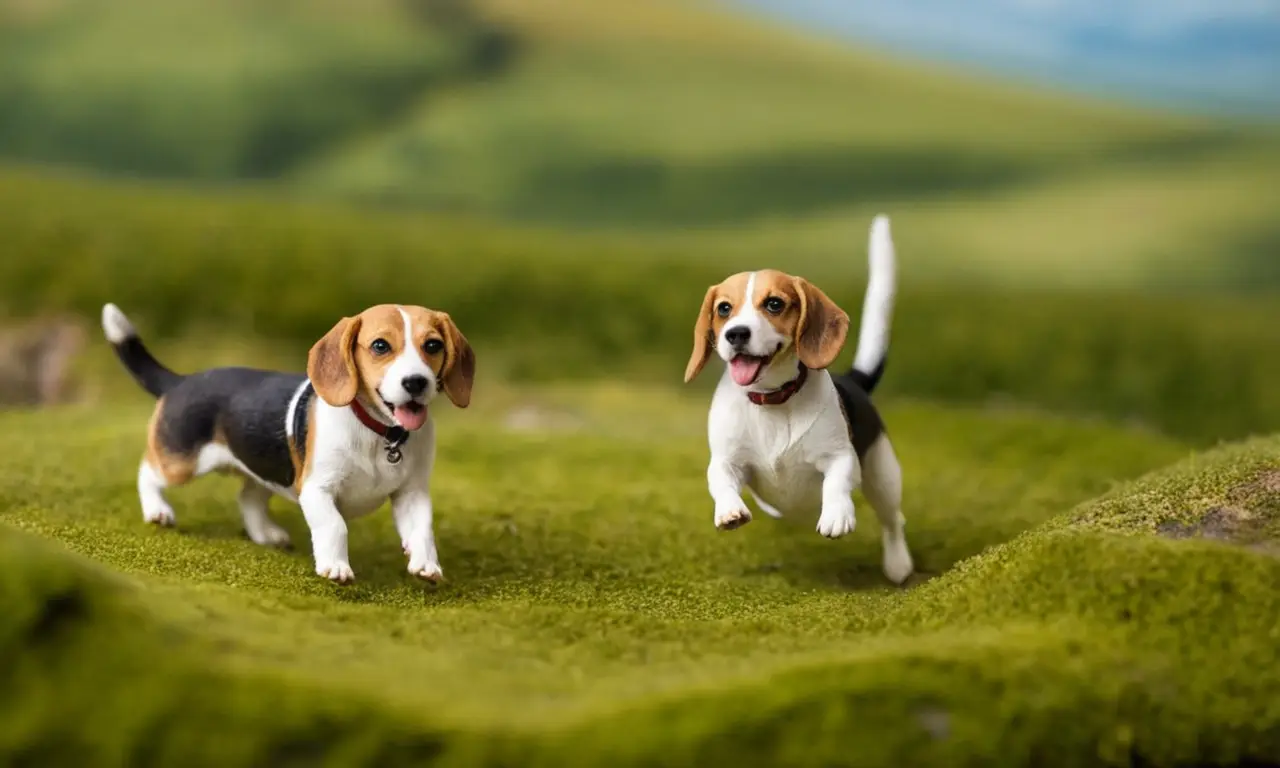
Beagle Exercise: Keeping Your Hound Happy & Healthy
Beagles are renowned for their boundless energy, insatiable curiosity, and distinctive baying. These traits, while endearing, are rooted in their history as scent hounds, bred to track game for hours. To truly thrive, a Beagle needs ample physical and mental stimulation. This comprehensive guide explores the vital role of Exercises for beagle dogs, detailing a variety of activities to keep your canine companion content, well-behaved, and physically fit. Understanding and implementing appropriate exercise routines is not just about burning off energy; it's fundamental to their overall well-being, preventing common behavioral issues, and strengthening the bond between you and your Beagle.
𝙲𝚘𝚗𝚝𝚎𝚗𝚝
Understanding the Beagle's Energy Needs
Before diving into specific Exercises for beagle dogs, it's crucial to grasp the inherent energy levels of the breed. Beagles are classified as medium-energy dogs, but this can vary significantly from individual to individual. Their lineage as scent hounds means they are built for endurance and exploration. Left to their own devices without sufficient outlets for this energy, Beagles can become bored, leading to destructive behaviors like chewing, digging, or excessive barking. They also have a strong prey drive and a nose that can easily lead them astray if not properly managed and exercised. Therefore, consistent and varied exercise is paramount.
Daily Exercise Requirements
A general guideline for Exercises for beagle dogs suggests at least 30 to 60 minutes of moderate-intensity exercise per day. This can be broken down into multiple sessions throughout the day, such as a brisk walk in the morning, a play session in the afternoon, and another walk or sniffari in the evening. It's important to remember that "moderate intensity" means your Beagle’s breathing will be elevated, but they should still be able to communicate short sentences. Overtraining should be avoided, especially with puppies and senior dogs, to prevent injury.
Essential Types of Exercises for Beagle Dogs
The best exercise plan for a Beagle is one that incorporates both physical activity and mental stimulation. This dual approach ensures their body and mind are equally engaged, leading to a more balanced and contented dog.
1. Brisk Walks and Sniffaris
Walking is the cornerstone of Exercises for beagle dogs. However, a simple stroll around the block might not be enough for a scent-driven Beagle. Elevate their walks by incorporating "sniffaris."
- Pace: Aim for a brisk pace that gets their heart rate up. This is more than just a leisurely amble.
- Duration: Start with 20-30 minutes per walk, increasing as your Beagle's stamina improves. Aim for at least two such walks daily.
- Exploration: Allow your Beagle to sniff and explore their surroundings. Their nose is their primary tool for understanding the world, and this is a crucial form of mental exercise. Let them linger on interesting scents; it's their form of reading the "daily news."
- Varied Routes: Change your walking routes frequently to expose them to new sights, sounds, and smells, which keeps their minds engaged and prevents monotony.
- Leash Etiquette: Always keep your Beagle on a leash in unfenced areas due to their strong scent drive and potential to wander off following a scent. A well-fitting harness is often recommended for Beagles to prevent neck strain.
2. Fetch and Play Sessions
Interactive play is a fantastic way to burn energy and strengthen your bond. Fetch is a classic for a reason, but Beagles may have varying degrees of interest in returning the toy.
Hip Dysplasia Exercises: Gentle Moves for Canine Comfort- Toys: Use durable, Beagle-appropriate toys like sturdy balls, frisbees designed for dogs, or rope toys.
- Varied Games: Beyond fetch, try tug-of-war (with clear rules about when it ends), chase games in a secure area, or hide-and-seek with their favorite toy.
- Mental Engagement: Incorporate commands during play. Asking for a "sit" or "stay" before throwing the ball adds a layer of obedience training to the fun.
- Short Bursts: Beagles often enjoy short, intense play sessions rather than long, sustained ones.
3. Jogging and Running (with Caution)
Once your Beagle is physically mature (typically after 12-18 months, consult your vet), jogging or running can be an excellent form of exercise.
- Gradual Introduction: Start with short jogs and gradually increase the distance and duration.
- Terrain: Opt for softer surfaces like grass or trails to minimize impact on their joints.
- Hydration: Always carry water, especially on longer runs.
- Listen to Your Dog: Pay attention to signs of fatigue. If your Beagle is lagging, panting excessively, or showing discomfort, it's time to stop.
- Not for All Beagles: Some Beagles may not enjoy running or may have physical limitations. Prioritize their comfort and safety.
4. Agility and Obedience Training
Mental stimulation is just as important as physical exertion for Beagles. Agility courses and consistent obedience training provide both.
- Agility: Introduce basic agility obstacles like tunnels, low jumps, and weave poles. This is not only great exercise but also builds confidence and problem-solving skills.
- Obedience: Regular training sessions reinforce commands, improve impulse control, and provide mental challenges. Focus on "come," "stay," "leave it," and "heel."
- Trick Training: Learning new tricks is a fantastic mental workout and a fun way to bond. Beagles are intelligent and can learn a variety of tricks with positive reinforcement.
5. Digging Pit (Controlled)
Beagles have a natural instinct to dig. Instead of letting them dig up your garden, create a designated digging pit.
- Location: Choose a discreet corner of your yard.
- Construction: Fill a sandbox or a dug-out area with sand or loose soil. Bury toys or treats for them to "find."
- Supervision: Supervise your Beagle in the digging pit to ensure they understand it's their designated digging zone and to prevent them from excavating too widely.
6. Puzzle Toys and Food Dispensing Games
These are excellent for providing mental stimulation, especially when you can't be actively playing with your Beagle.
- Types of Toys: Kongs filled with peanut butter or kibble, treat balls, and interactive puzzle feeders.
- Benefits: These toys encourage problem-solving, slow down eating, and provide mental engagement that can prevent boredom and anxiety.
- Rotation: Rotate puzzle toys to keep them novel and engaging.
Special Considerations for Beagle Exercise
Different life stages and individual characteristics require adjustments to exercise routines.
Puppies
Beagle puppies are bundles of energy but have delicate joints.
Labrador Dog Exercises: Playful Activities for a Healthy Dog- Short, Frequent Sessions: Aim for multiple short play sessions throughout the day, rather than one long one.
- Avoid Overexertion: Puppies need to play at their own pace. Avoid forced running or jumping.
- Socialization: Puppy classes offer socialization and introduce them to controlled physical activities.
- Leash Training: Start leash training early in a safe, controlled environment.
Senior Beagles
As Beagles age, their energy levels naturally decrease, and their joints may become stiffer.
- Gentle Walks: Shorter, slower-paced walks are ideal. Focus on sniffing and gentle movement.
- Low-Impact Activities: Swimming (if they enjoy it and have safe access) or gentle stretching exercises can be beneficial.
- Vet Consultation: Always consult your veterinarian for advice on exercising senior dogs, especially if they have any health conditions like arthritis.
Beagles with Health Issues
If your Beagle has any pre-existing health conditions, such as hip dysplasia, luxating patellas, or heart conditions, exercise must be tailored accordingly.
- Veterinary Guidance: This is non-negotiable. Your vet will provide specific recommendations on the type, duration, and intensity of Exercises for beagle dogs that are safe for your individual dog.
- Modified Activities: This might include short, controlled leash walks on flat surfaces, gentle swimming, or physical therapy exercises.
Preventing Boredom and Destructive Behaviors Through Exercise
A significant portion of behavioral issues in Beagles stems from a lack of adequate exercise and mental stimulation.
- Destructive Chewing: Boredom often leads to chewing on furniture, shoes, or other household items.
- Excessive Barking/Howling: When left alone or understimulated, Beagles may resort to vocalizations.
- Digging: Uncontrolled digging in the yard is a classic Beagle trait that can be redirected with a designated digging pit and sufficient exercise.
- Escape Artistry: Beagles are notorious escape artists, often driven by their scent drive. A tired Beagle is less likely to be motivated to find a way out.
By providing consistent and varied Exercises for beagle dogs, you directly address these potential problems. A tired Beagle is a well-behaved Beagle.
Creating a Balanced Exercise Routine
The ideal exercise plan for your Beagle will be a combination of the activities listed above, tailored to their individual personality, age, and health.
- Consistency is Key: Aim for daily exercise, even on days when you feel less motivated.
- Variety: Mix up your routines to keep things interesting for both you and your dog.
- Observe Your Beagle: Pay attention to their body language. Are they enthusiastic about a particular activity? Do they show signs of fatigue or discomfort?
- Positive Reinforcement: Always use positive reinforcement methods during exercise and training.
- Socialization: Expose your Beagle to other well-behaved dogs in safe environments. This provides social interaction and a different kind of stimulation.
In conclusion, Exercises for beagle dogs are not a luxury; they are a necessity. By committing to a comprehensive exercise regimen that includes physical activity, mental challenges, and breed-specific considerations, you can ensure your Beagle lives a long, happy, and healthy life, enriching both your lives with their vibrant spirit and unwavering companionship.
Rottweiler Exercise: Vital Routines for a Happy Dog
Cat Urinary Crystals: Types, Symptoms & Treatment Guide
Cat Weight: How Do I Know If My Cat Is Fat?
Encephalitis in Dogs: Symptoms, Causes & Treatment
Dog Cavities: Causes, Symptoms, and Treatment Options
Natural Flea Relief: Home Remedies for Fleas in Cats

Newborn Puppy Feeding Guide: From Birth to Weaning
Related posts