

Labrador Dog Exercises: Playful Activities for a Healthy Dog
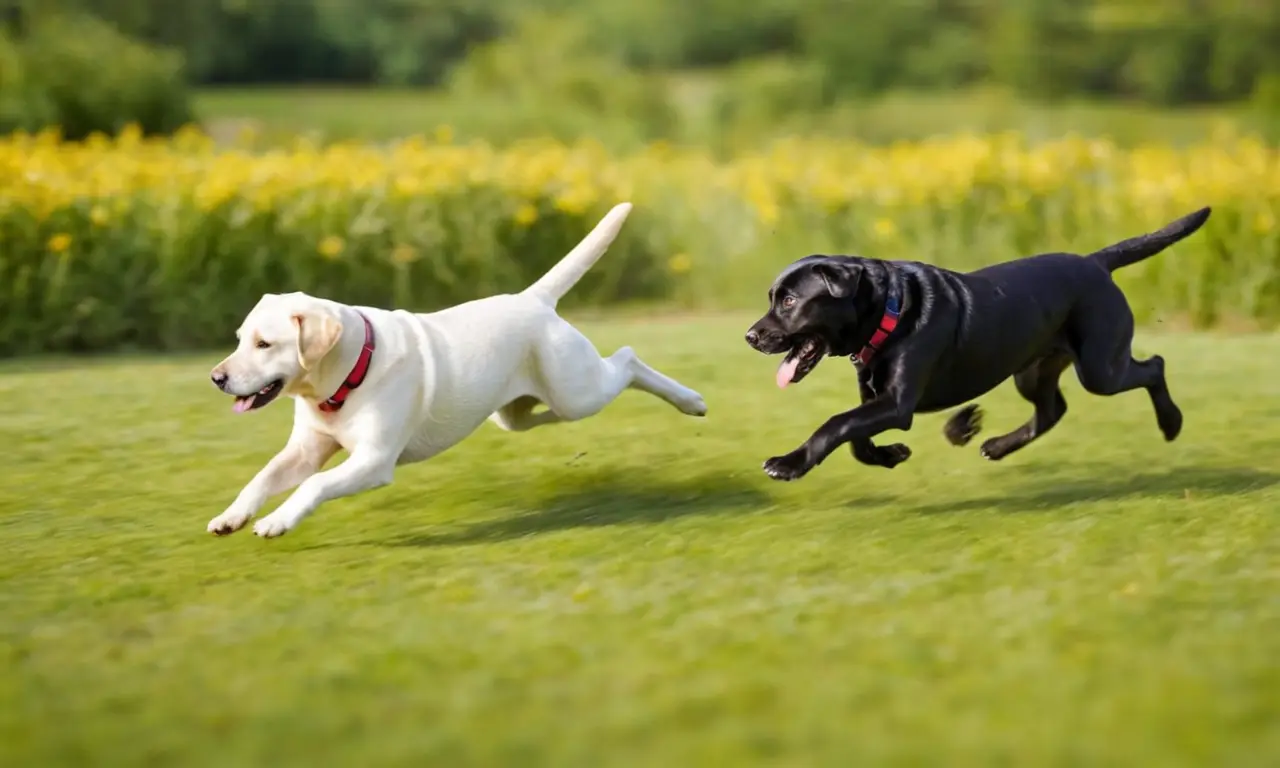
Labrador Dog Exercises: Playful Activities for a Healthy Dog
Labradors are renowned for their boundless energy, intelligence, and loving nature. To ensure your Labrador thrives, providing them with adequate and engaging Exercises for Labrador dogs is paramount. This comprehensive guide delves into the various types of exercises that cater to a Labrador's unique needs, promoting their physical and mental well-being. From high-intensity activities to mentally stimulating games, we'll explore how to keep your furry friend happy, healthy, and well-behaved.
𝙲𝚘𝚗𝚝𝚎𝚗𝚝
Understanding the Labrador's Energy Levels
Labradors, originally bred as retrieving dogs, possess a natural inclination for activity. Their strong build and stamina mean they require significant daily exertion to prevent boredom, destructive behaviors, and potential weight gain. A sedentary lifestyle can lead to a range of health issues, including obesity, joint problems, and a decline in cognitive function. Understanding your individual dog's energy level is crucial, as puppies will have different needs than senior dogs, and some Labradors may be naturally more or less active than others.
Puppy Exercise Needs
While puppies have energy to burn, it's vital to avoid over-exercising them, as their bones and joints are still developing. Short, frequent play sessions are ideal for puppies. Aim for around 5 minutes of structured exercise per month of age, twice a day. For example, a 4-month-old puppy could handle two 20-minute sessions.
Adult Labrador Exercise Requirements
Adult Labradors typically require at least 60 to 90 minutes of vigorous exercise per day. This can be broken down into several shorter sessions throughout the day. A good rule of thumb is to aim for a mix of aerobic activities, mental stimulation, and playful interaction.
Senior Labrador Exercise
As Labradors age, their exercise needs change. While they may not be able to handle the same intensity as younger dogs, regular, gentle exercise is still vital for maintaining muscle mass, joint health, and cognitive function. Shorter, slower walks and low-impact activities are recommended.
Rottweiler Exercise: Vital Routines for a Happy DogThe Importance of Varied Exercise
Variety is key when it comes to Exercises for Labrador dogs. A monotonous routine can lead to boredom and a lack of enthusiasm for physical activity. Incorporating different types of exercises not only keeps things interesting but also engages different muscle groups and cognitive functions.
Aerobic Exercise: Burning Off Energy
Aerobic exercise is essential for a Labrador's cardiovascular health and for expending their significant energy reserves.
- Fetch and Retrieval Games: This is a classic Labrador activity, tapping into their retrieving instincts. Invest in durable toys like tennis balls, frisbees, or retrieving dummies. Vary the terrain and distance to keep it engaging. Make sure to supervise and prevent them from swallowing toys.
- Running and Jogging: If you're a runner, your Labrador can be an excellent companion. Start with short distances and gradually increase them as your dog's stamina improves. Ensure your dog is properly warmed up and cooled down.
- Swimming: Labradors are natural swimmers, often enjoying water activities immensely. If you have access to a safe body of water, such as a lake, river, or dog-friendly beach, swimming is a fantastic low-impact exercise that works their entire body. Always supervise your dog around water and consider a life vest for added safety.
- Agility Training: This can be a fun and challenging way to combine physical and mental exercise. Obstacles like jumps, tunnels, weave poles, and A-frames can be introduced gradually. Agility not only improves their athleticism but also strengthens your bond.
- Hiking: Exploring nature trails with your Labrador can be a rewarding experience. The varied terrain and new scents provide excellent physical and mental stimulation. Ensure you bring plenty of water for both of you, especially on warmer days.
Mental Stimulation: Engaging the Brain
Physical exercise alone is not enough. Labradors are highly intelligent dogs, and their minds need to be challenged to prevent boredom and behavioral issues.
- Puzzle Toys: These toys dispense treats or kibble when manipulated correctly, requiring problem-solving skills. They are excellent for keeping your dog occupied and mentally engaged, especially when you're not around.
- Interactive Games: Games like "find the treat" or hiding toys around the house encourage your dog to use their sense of smell and problem-solving abilities.
- Learning New Tricks: Training sessions, even short ones, provide mental stimulation and reinforce obedience. Teach your Labrador new commands, from basic "sit" and "stay" to more complex tricks.
- Nose Work/Scent Games: Labradors have an incredible sense of smell. You can tap into this by engaging them in scent work, where they have to find hidden objects or treats. This is a highly rewarding activity for them.
- Socialization: While not strictly an "exercise" in the physical sense, regular interaction with other well-behaved dogs and people is crucial for a Labrador's mental and social development. This helps them learn appropriate social cues and prevents anxiety.
Playful Interaction: Bonding and Fun
Play is a fundamental part of a dog's life and is crucial for their emotional well-being and strengthening the bond between dog and owner.
- Tug-of-War: This can be a fun game, but it's important to establish rules. Teach your dog to release the toy on command and ensure the game doesn't become overly aggressive.
- Chase Games: Besides fetch, simple chase games in a secure area can be enjoyable.
- Playdates: Arrange playdates with other friendly dogs. This allows for natural social interaction and burning of energy in a controlled environment.
Designing an Effective Exercise Routine
Creating a balanced Exercises for Labrador dogs routine involves considering several factors.
Canine EPI: Symptoms, Diagnosis & Treatment for DogsConsistency is Key
Regular exercise is more beneficial than sporadic bursts of activity. Aim to establish a consistent schedule that fits your lifestyle and your dog's needs.
Observe Your Dog
Pay close attention to your dog's body language. Signs of fatigue include excessive panting, lagging behind, or a lack of enthusiasm. Avoid pushing them too hard, especially in hot weather. Conversely, if your dog seems bored or is exhibiting destructive behaviors, they likely need more physical or mental stimulation.
Weather Considerations
Labradors are generally adaptable, but it's essential to be mindful of extreme weather conditions.
- Hot Weather: Avoid strenuous exercise during the hottest parts of the day. Opt for early morning or late evening activities. Consider water-based exercises like swimming. Watch for signs of heatstroke, such as excessive panting, drooling, lethargy, and vomiting.
- Cold Weather: While Labradors have a double coat, they can still get cold. Shorter, more frequent walks may be necessary in very cold temperatures. Consider a dog coat if your dog seems uncomfortable. Be aware of ice on pavements that can be dangerous for paws.
Gradual Introduction of New Activities
When introducing new Exercises for Labrador dogs or increasing the intensity or duration of existing ones, do so gradually. This allows your dog's body to adapt and reduces the risk of injury.
Nutrition and Exercise
A balanced diet is crucial for supporting your Labrador's energy expenditure. Ensure their food is appropriate for their age, activity level, and any specific health concerns. Consult with your veterinarian for dietary recommendations.
Cat Eye Drops: Types, Doses, and Essential UsesHealth Considerations
Before starting any new exercise program, especially for older dogs or those with pre-existing health conditions, it's advisable to consult with your veterinarian. They can provide guidance on appropriate exercises and any limitations your dog may have.
Common Exercise Mistakes to Avoid
- Under-exercising: This is the most common mistake, leading to boredom, destructiveness, and health problems.
- Over-exercising: Especially crucial to avoid with puppies and senior dogs, as it can lead to injuries.
- Lack of Variety: A boring routine can lead to a disengaged dog.
- Ignoring Weather Conditions: Exercising in extreme heat or cold can be dangerous.
- Not Socializing: Socialization is a vital part of a dog's overall well-being.
In summary: A Happy and Healthy Labrador
Providing adequate and varied Exercises for Labrador dogs is not just about tiring them out; it's about enriching their lives, promoting their physical and mental health, and strengthening the bond you share. By understanding their needs and incorporating a mix of energetic play, mental challenges, and interactive activities, you can ensure your Labrador lives a long, happy, and fulfilling life by your side. Remember to observe your dog, adapt routines as needed, and most importantly, have fun together!
Cat Urinary Crystals: Types, Symptoms & Treatment Guide

Cat Weight: How Do I Know If My Cat Is Fat?

Encephalitis in Dogs: Symptoms, Causes & Treatment

Dog Cavities: Causes, Symptoms, and Treatment Options

Natural Flea Relief: Home Remedies for Fleas in Cats

Newborn Puppy Feeding Guide: From Birth to Weaning
Related posts