
Cat Eye Drops: Types, Doses, and Essential Uses
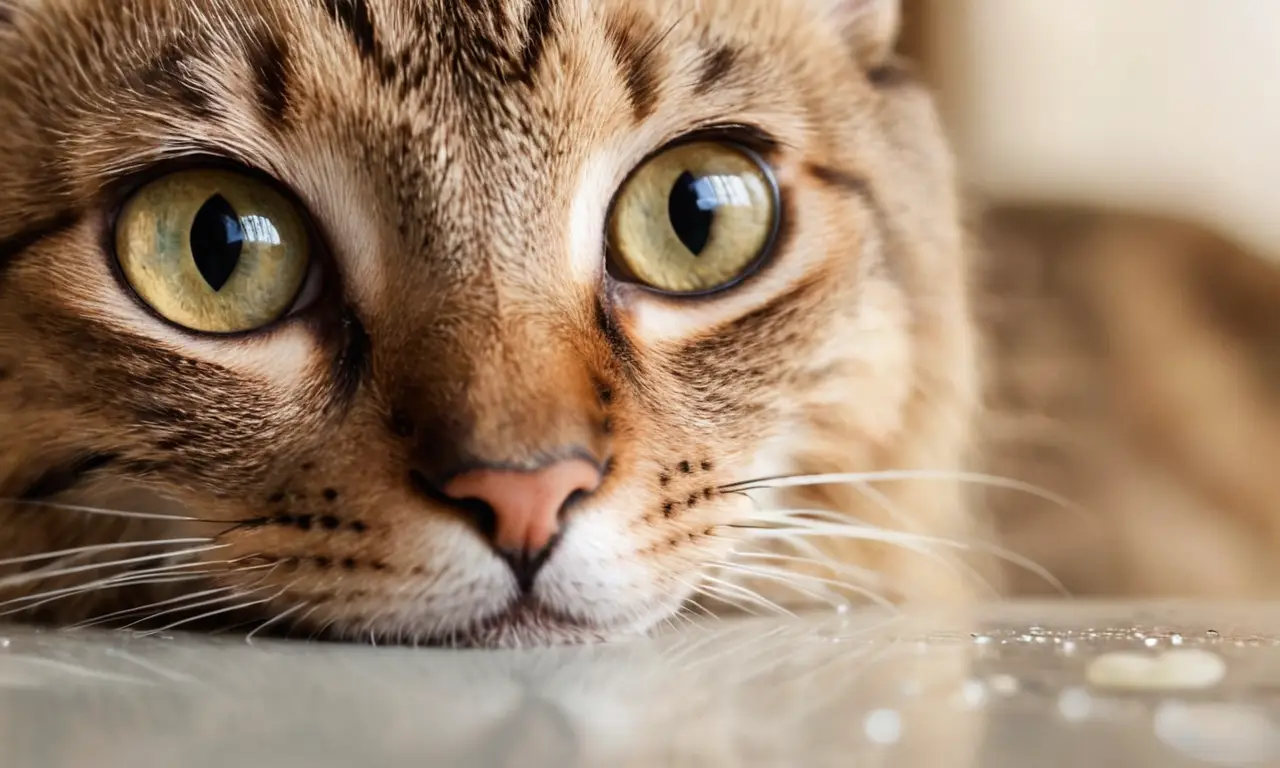
Cat Eye Drops: Types, Doses, and Essential Uses
Understanding the various types of Eye drops for cats - Types, doses and uses is crucial for any responsible cat owner. From minor irritations to more serious infections, eye drops can play a vital role in maintaining your feline friend's ocular health. This comprehensive guide delves into the different kinds of eye drops available, how to administer them correctly, common dosages, and the various conditions they are used to treat, empowering you to make informed decisions for your cat's well-being.
𝙲𝚘𝚗𝚝𝚎𝚗𝚝
The Anatomy of a Cat's Eye: Why It Matters
Before diving into specific treatments, a basic understanding of a cat's eye anatomy is beneficial. The eye is a complex organ responsible for sight. Key components include:
- Cornea: The transparent outer layer that covers the iris and pupil, protecting the eye and helping to refract light.
- Iris: The colored part of the eye that controls the size of the pupil, regulating the amount of light entering the eye.
- Pupil: The black opening in the center of the iris that allows light to enter.
- Lens: Located behind the iris, it focuses light onto the retina.
- Retina: The light-sensitive tissue at the back of the eye that converts light into electrical signals sent to the brain.
- Conjunctiva: A thin, transparent membrane that lines the eyelid and covers the white part of the eyeball.
- Tear Film: A complex mixture of oils, water, and mucus that lubricates the eye, washes away debris, and contains antibacterial agents.
Any disruption to these structures or the tear film can lead to discomfort, vision problems, and potential long-term damage.
Common Causes of Eye Issues in Cats
Cats, despite their meticulous grooming habits, can suffer from a variety of eye conditions. Some of the most common causes include:
- Infections: Bacterial, viral (especially Feline Herpesvirus-1, FHV-1), and fungal infections can affect the conjunctiva, cornea, or deeper structures of the eye.
- Allergies: Similar to humans, cats can experience allergic reactions that manifest as itchy, watery, or red eyes.
- Foreign Bodies: Dust, debris, grass seeds, or even small insects can get lodged in the eye, causing irritation and inflammation.
- Trauma: Scratches from other cats, fights, or accidental injuries can damage the cornea or other parts of the eye.
- Dry Eye (Keratoconjunctivitis Sicca): A condition where the tear glands don't produce enough tears, leading to dryness, discomfort, and increased risk of infection and corneal ulcers.
- Conjunctivitis (Pink Eye): Inflammation of the conjunctiva, often characterized by redness, swelling, and discharge.
- Glaucoma: A serious condition characterized by increased pressure within the eye, which can lead to vision loss.
- Cataracts and other age-related changes: While less common than in dogs, older cats can develop clouding of the lens or other degenerative eye conditions.
Types of Eye Drops for Cats
The vast array of Eye drops for cats - Types, doses and uses can be categorized based on their active ingredients and intended purpose. It is crucial to use only vet-prescribed or vet-approved eye drops for your cat, as human eye drops or those intended for other animals can be harmful.
1. Antibiotic Eye Drops
These are prescribed to combat bacterial infections affecting the eye. They work by killing or inhibiting the growth of bacteria.
- Common Active Ingredients:
- Terramycin (Oxytetracycline): A broad-spectrum antibiotic often found in ointments or solutions.
- Baytril (Enrofloxacin): A potent fluoroquinolone antibiotic.
- Gentamicin: Another effective broad-spectrum antibiotic.
- Neomycin/Polymyxin B/Bacitracin (Triple Antibiotic): A combination often used for superficial infections.
- When They Are Used: For bacterial conjunctivitis, corneal ulcers caused by bacteria, and secondary bacterial infections that may arise from viral infections or injuries.
- Forms: Available as solutions (liquids) or ointments. Ointments tend to stay in the eye longer, which can be beneficial for overnight treatment, but they can also cause temporary blurred vision.
2. Antiviral Eye Drops
These are specifically designed to treat viral infections, most commonly Feline Herpesvirus-1 (FHV-1), a very prevalent virus in cats.
Dog Eye Infections: Causes, Symptoms & Effective Treatments- Common Active Ingredients:
- Famciclovir (oral is more common, but topical formulations exist): While primarily given orally, topical applications are sometimes used.
- Idoxuridine: An older antiviral agent.
- Trifluridine: Another effective antiviral.
- When They Are Used: To manage flare-ups of Feline Herpesvirus, which can cause conjunctivitis, keratitis (corneal inflammation), and stromal keratitis.
- Important Note: Antiviral medications do not "cure" FHV-1, but they help manage active infections and reduce the severity and frequency of flare-ups.
3. Anti-inflammatory Eye Drops
These medications help reduce inflammation, swelling, and redness in the eye. They are often used in conjunction with antibiotics or antivirals, or for conditions like allergies.
- Common Active Ingredients:
- Steroids (e.g., Prednisolone, Dexamethasone): Potent anti-inflammatories. Their use requires careful veterinary supervision, especially if there's any suspicion of a corneal ulcer, as steroids can worsen certain ulcer types.
- Non-Steroidal Anti-Inflammatory Drugs (NSAIDs) (e.g., Ketorolac, Flurbiprofen): Generally safer for use with corneal ulcers than steroids, but still require veterinary guidance.
- When They Are Used: For allergic conjunctivitis, non-infectious inflammation, and sometimes to reduce swelling associated with corneal ulcers (in specific cases and under veterinary care).
4. Lubricating Eye Drops / Artificial Tears
These are non-medicated solutions designed to mimic natural tears, providing moisture and lubrication to the eye's surface.
- Common Active Ingredients: Typically contain ingredients like hydroxypropyl methylcellulose, carboxymethylcellulose, or hyaluronic acid.
- When They Are Used:
- Dry Eye (Keratoconjunctivitis Sicca): To supplement natural tear production.
- General Irritation: For mild irritations caused by dust, wind, or dry air.
- Post-Surgical Care: To keep the eye moist after certain procedures.
- To help flush out minor debris.
- Benefits: Safe for frequent use and can provide significant relief from dryness and discomfort.
5. Medications for Glaucoma
Glaucoma requires specialized treatment to lower intraocular pressure. These medications are potent and are only used under strict veterinary guidance.
- Types of Medications:
- Prostaglandin Analogs (e.g., Latanoprost, Travoprost): Increase fluid outflow from the eye.
- Beta-Blockers (e.g., Timolol): Decrease fluid production in the eye.
- Carbonic Anhydrase Inhibitors (e.g., Dorzolamide, Brinzolamide): Decrease fluid production.
- Importance of Veterinary Diagnosis: Glaucoma is a medical emergency. Symptoms like dilated pupils, cloudy corneas, and pain require immediate veterinary attention. Self-treating glaucoma can lead to irreversible blindness.
How to Administer Eye Drops to Your Cat
Administering medication to a cat can be challenging, but with patience and the right technique, it becomes manageable.
Preparation:
- Gather Supplies: Have the eye drops, a clean towel, and treats ready.
- Wash Your Hands: Always wash your hands thoroughly before handling your cat's eyes.
- Calm Your Cat: Choose a quiet time when your cat is relaxed. You may want to have another person gently restrain your cat while you administer the drops. Wrapping your cat in a towel (a "kitty burrito") can help prevent scratching.
Administration Technique:
- Gently Hold Your Cat: Position your cat in your lap or on a stable surface. If you have an assistant, they can gently hold the cat's head.
- Expose the Lower Eyelid: With one hand, gently pull down the lower eyelid to create a small pocket. This pocket will act as a reservoir for the drop.
- Hold the Dropper: Hold the eye drop bottle or dropper about an inch away from the eye. Avoid touching the eye or the eyelid with the dropper tip to prevent contamination.
- Administer the Drop(s): While holding the lower eyelid down, gently squeeze the bottle or tilt the dropper to release the prescribed number of drops into the pocket.
- Close the Eye Gently: Immediately after administering the drops, gently close your cat's eyelid by holding it shut for a few seconds. This helps distribute the medication across the surface of the eye.
- Offer a Treat and Praise: Immediately reward your cat with a treat and verbal praise. This positive reinforcement can make future administrations easier.
- Repeat for the Other Eye (if necessary): If both eyes require treatment, clean the dropper tip with an antiseptic wipe (if recommended by your vet) or wash it with soap and water and dry it thoroughly before treating the second eye.
Tips for Success:
Fading Syndrome in Cats: Symptoms, Causes, & Care- Be Quick and Gentle: The less time you spend, the less your cat will protest.
- Stay Calm: Your cat will sense your anxiety.
- Don't Force It: If your cat is too distressed, take a break and try again later.
- Observe for Reactions: Watch for any signs of discomfort or unexpected reactions after administration.
Dosage and Frequency
Dosage and frequency are critically important and are always determined by your veterinarian. Never deviate from your vet's instructions. Factors influencing dosage include:
- Type of Medication: Antibiotics, antivirals, anti-inflammatories, and lubricants have different recommended concentrations and application rates.
- Severity of the Condition: More severe infections or inflammations may require more frequent dosing.
- Cat's Age and Weight: Although less common for topical medications, sometimes these factors are considered.
- Specific Formulation: Ointments may be applied less frequently than solutions due to their longer duration of action.
Typical Dosing Ranges (General Examples - ALWAYS follow vet's specific orders):
- Antibiotic/Antiviral Drops/Ointments: Often prescribed for 5-14 days, with applications typically ranging from 2-4 times daily.
- Anti-inflammatory Drops: May be prescribed for a shorter duration (e.g., 3-7 days) or tapered down as inflammation subsides, with applications from 1-3 times daily.
- Lubricating Drops: Can often be used as needed, from several times a day to once daily, depending on the cat's comfort.
Crucially, discontinue medication only when directed by your veterinarian, even if your cat's eye appears to have improved. Stopping too early can lead to a recurrence of the infection or condition.
When to Seek Veterinary Care
While this guide provides information on Eye drops for cats - Types, doses and uses, it is not a substitute for professional veterinary advice. You should always consult your veterinarian if you notice any of the following:
- Sudden onset of eye redness, swelling, or pain.
- Excessive tearing or discharge (especially if colored green or yellow).
- Cloudiness or changes in the appearance of the cornea.
- Visible foreign object in the eye.
- Paw-shaking or rubbing at the eye.
- Squinting or holding the eye closed.
- Dilated or unresponsive pupil.
- Any change in your cat's vision or behavior.
- If symptoms do not improve after a few days of using prescribed drops.
Your veterinarian will perform a thorough eye examination, which may include tests like fluorescein staining to check for corneal ulcers or intraocular pressure measurements. Based on the diagnosis, they will prescribe the most appropriate Eye drops for cats - Types, doses and uses.
Prevention is Key
While not all eye issues can be prevented, some proactive measures can help reduce the risk:
- Regular Grooming: Keep the fur around your cat's eyes trimmed to prevent irritation.
- Clean Environment: Minimize dust and allergens in your home.
- Safe Play: Supervise your cat during play to prevent accidental eye injuries.
- Annual Vet Check-ups: Regular veterinary visits allow for early detection and management of potential health problems, including eye issues.
- Know Your Cat's Normal: Be aware of what your cat's eyes look like when healthy, so you can quickly spot any changes.
In summary
Eye care for cats is an essential aspect of responsible pet ownership. Understanding the different types of Eye drops for cats - Types, doses and uses, knowing how to administer them correctly, and recognizing when to seek professional veterinary help are vital for ensuring your feline companion enjoys a lifetime of clear, comfortable vision. Always prioritize your veterinarian's guidance, as they are best equipped to diagnose and treat your cat's specific eye condition. By staying informed and attentive, you can play a significant role in safeguarding your cat's precious eyesight.
Famotidine for Cats: Dosage, Uses & Side Effects
Cat Urinary Crystals: Types, Symptoms & Treatment Guide
Cat Weight: How Do I Know If My Cat Is Fat?
Encephalitis in Dogs: Symptoms, Causes & Treatment

Dog Cavities: Causes, Symptoms, and Treatment Options
Natural Flea Relief: Home Remedies for Fleas in Cats

Newborn Puppy Feeding Guide: From Birth to Weaning
Related posts