

Mastering the Art of *Feeding of Snakes* for Healthy Reptiles
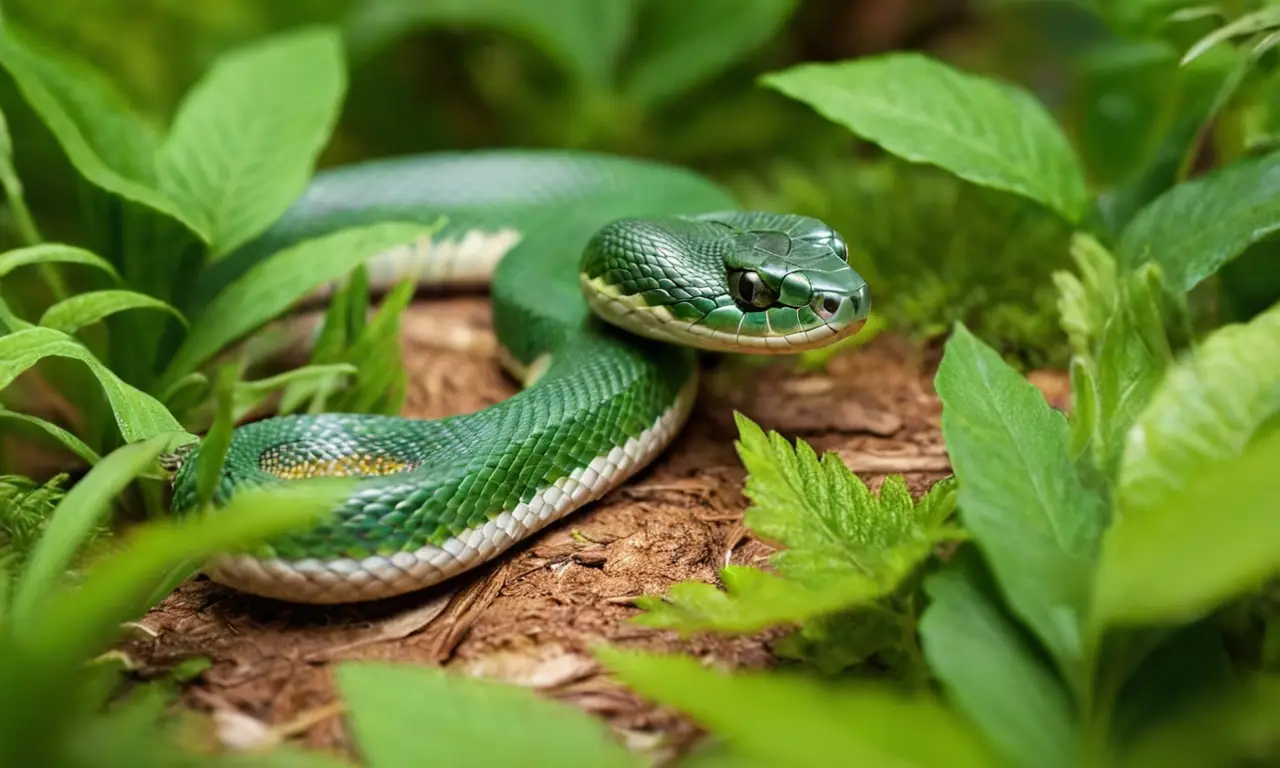
The Ultimate Guide to Feeding of Snakes: Ensuring Optimal Reptilian Health
Understanding the intricate dietary needs of snakes is paramount for any responsible reptile keeper. Feeding of snakes is not a one-size-fits-all approach; it involves a deep dive into species-specific requirements, prey selection, feeding frequency, and recognizing signs of a healthy appetite. This comprehensive guide will equip you with the knowledge to provide your serpentine companions with the nutrition they need to thrive, ensuring a long and vibrant life. From the beginner enthusiast to the experienced herpetologist, this article will delve into the nuances of reptile nutrition, covering everything from the types of prey to common feeding challenges and solutions.
𝙲𝚘𝚗𝚝𝚎𝚗𝚝
Understanding Snake Dietary Needs: A Carnivore's Blueprint
Snakes are obligate carnivores, meaning their diet consists entirely of animal matter. This fundamental understanding is the bedrock of successful snake husbandry. Their digestive systems are highly specialized to break down whole prey, extracting all the necessary nutrients. Unlike many other animals, snakes do not require a varied diet in the way a human or even a dog might. Their evolutionary path has shaped them to efficiently digest specific types of prey that they would encounter in their natural habitats. This prey typically includes rodents, birds, amphibians, fish, and even insects, depending on the snake species.
Species-Specific Dietary Preferences
The most critical aspect of feeding of snakes is recognizing that different species have vastly different dietary requirements. A corn snake ( Pantherophis guttatus ), a popular beginner snake, has very different needs from a large boa constrictor ( Boa constrictor ) or a Burmese python ( Python bivittatus ).
- Rodentivores: The vast majority of commonly kept snakes are primarily rodentivores. This includes popular species like ball pythons, king snakes, milk snakes, rat snakes, and garter snakes (though some garter snakes also consume fish and amphibians). The size of the rodent prey should be carefully matched to the snake's girth. Generally, the prey item should be no wider than the widest part of the snake's body.
- Avian Diet: Some snake species, particularly certain rat snakes and cobras, may incorporate birds into their natural diet. In captivity, this can be supplemented with fowl, such as quail or small chickens, although this is less common for pet snakes.
- Piscivores: Certain species, like some garter snakes and water snakes, are adapted to consume fish. In captivity, they can be fed appropriately sized fish, ensuring they are not the sole component of the diet for species with broader needs.
- Insectivores: While less common in the pet trade, some smaller snake species, like certain blind snakes or thread snakes, may consume insects and other invertebrates.
It is crucial to research the specific dietary needs of your snake species thoroughly before bringing it home. Online resources, reputable breeders, and herpetological societies are excellent places to start.
The Role of Whole Prey in Snake Nutrition
The concept of feeding whole prey is central to the feeding of snakes. Whole prey items provide a complete nutritional package, including essential proteins, fats, vitamins, and minerals that are not easily replicated in a manufactured diet.
- Complete Nutrition: The fur, bones, and organs of rodents, for example, contain vital nutrients like calcium, phosphorus, and essential fatty acids. These are crucial for bone health, metabolism, and overall well-being.
- Digestive Health: The act of digesting a whole prey item stimulates the snake's digestive system and helps maintain its health.
- Natural Behavior: Hunting and consuming whole prey also contributes to a snake's natural behaviors, which can reduce stress and improve overall welfare.
Sourcing and Preparing Prey for Feeding of Snakes
The selection and preparation of prey items are critical for the safety and health of your snake.
Water Turtle Feeding Guide: Diet, Health & TipsFrozen-Thawed vs. Live Prey
This is a widely debated topic among snake keepers.
- Frozen-Thawed (F/T) Prey: This is the most recommended and safest option for most pet snakes. Prey items are euthanized and then frozen. Before feeding, they are thawed completely and warmed to an appropriate temperature (body temperature of the prey animal).
- Advantages: Safer for the snake (live prey can injure or even kill a snake), more convenient for the keeper, readily available from reputable suppliers, and reduces the risk of parasites and diseases.
- Disadvantages: Some snakes may initially be hesitant to accept F/T prey, requiring a transition period.
- Live Prey: Feeding live prey, such as mice or rats, is discouraged for several reasons.
- Risks: Live rodents can bite, scratch, and cause serious injuries to snakes, especially if the snake is not hungry or if the prey is too large. In severe cases, these injuries can be fatal.
- Ethical Concerns: While snakes are predators, the act of live feeding can be perceived as unnecessarily cruel to the prey animal.
- Disease Transmission: Live rodents can carry parasites and diseases that can be transmitted to your snake.
Prey Size and Frequency
Determining the correct prey size and feeding frequency is crucial for healthy growth and digestion.
- Prey Size: As a general rule, the prey item should be approximately the same width as the widest part of the snake's body. For younger, growing snakes, prey items that are slightly smaller may be more appropriate to prevent regurgitation. For adult snakes, prey items that are closer to the snake's girth can be offered. It's always better to err on the side of caution and offer a slightly smaller prey item than one that is too large.
- Feeding Frequency: This varies significantly based on the snake's age, species, and metabolism.
- Hatchlings and Juveniles: Young snakes have faster metabolisms and require more frequent feedings to support their rapid growth. They may be fed every 5-7 days.
- Sub-adults and Adults: As snakes mature, their metabolism slows down, and they require less frequent feedings. Adult snakes of many species can be fed every 7-14 days, and some larger species may go even longer between meals.
- Factors Influencing Frequency:
- Metabolism: Snakes with higher metabolisms will need to eat more often.
- Temperature: Snakes are ectothermic, meaning their metabolism is directly influenced by ambient temperature. Warmer temperatures increase metabolism and the need for food.
- Shedding Cycle: Snakes typically refuse food when they are in shed. It's normal for them to go off feed for a week or two during this period.
- Reproductive Status: Females may refuse food when gravid (pregnant).
Common Challenges in Feeding of Snakes and Solutions
Despite best efforts, keepers may encounter challenges with their snakes' feeding habits.
Refusal to Eat
A snake refusing food can be a common concern for keepers. Several factors can contribute to this:
- Shedding: As mentioned, snakes usually refuse food when they are preparing to shed. Their eyesight can be impaired by the cloudy ocular scales, and their overall sensitivity is heightened.
- Temperature Fluctuations: If the snake's enclosure is not maintained at the correct temperature gradient, its metabolism can slow down, leading to a lack of appetite.
- Stress: New environments, excessive handling, loud noises, or the presence of other snakes can stress a snake and cause it to go off food.
- Illness: Underlying health issues, such as internal parasites, respiratory infections, or mouth rot, can lead to a loss of appetite.
- Prey Issues: If using frozen-thawed prey, ensure it is thawed completely and warmed to an appropriate temperature. Some snakes can be picky about the smell or texture of the prey.
- Breeding Season: Many snakes, particularly males, will refuse food during their breeding season when their focus is on finding a mate.
- Age: Older snakes naturally have slower metabolisms and may eat less frequently.
Solutions for Refusal to Eat:
- Ensure Proper Husbandry: Verify that temperature, humidity, and enclosure conditions are optimal for the species.
- Reduce Handling: Give the snake a break from handling to reduce stress.
- Switch Prey Type/Size: If using rodents, try a different size or even a different type if appropriate for the species.
- "Enrich" the Prey: Some keepers find success by lightly rubbing the prey item with a vitamin supplement designed for reptiles or even a small amount of tuna juice (use sparingly and only as an occasional attractant, not as a regular supplement).
- Braining the Prey: For stubborn eaters, some keepers will carefully make a small incision in the "brain" of the rodent. This releases fluids that can be a strong attractant for snakes. This should be done with caution and research.
- Warm Water Soak: A warm water soak (ensure the water is shallow and the snake can easily hold its head above water) can sometimes stimulate appetite.
- Veterinary Check-up: If the refusal persists for an extended period (more than a few weeks for most species, or if other symptoms are present), consult a reptile veterinarian to rule out any underlying health problems.
Regurgitation
Regurgitation, or throwing up food, is a serious issue that can lead to dehydration and electrolyte imbalances. It is often a sign that something is wrong with the feeding process or the snake's health.
Feline Acne: Contagion, Symptoms & Effective TreatmentCauses of Regurgitation:
- Prey Too Large: The most common cause is feeding a prey item that is too big for the snake to digest.
- Improper Prey Temperature: Prey that is too cold or too hot can shock the snake's system.
- Stressful Environment: Attempting to feed a stressed snake can lead to regurgitation.
- Overhandling After Feeding: Handling a snake too soon after it has eaten can disrupt the digestion process.
- Temperature Drops: A significant drop in enclosure temperature after feeding can hinder digestion.
- Illness: Underlying health conditions can also cause regurgitation.
Solutions for Regurgitation:
- Wait and Assess: If regurgitation occurs, remove the prey item and do not attempt to feed again for at least 7-10 days, and ideally longer.
- Reduce Prey Size: For subsequent feedings, offer a significantly smaller prey item.
- Ensure Proper Prey Temperature: Always thaw and warm prey to body temperature.
- Maintain Stable Temperatures: Ensure the enclosure's temperature gradient is stable, especially after feeding.
- Avoid Handling: Refrain from handling the snake for at least 48-72 hours after it has eaten.
- Veterinary Consultation: If regurgitation occurs more than once, or if the snake shows other signs of illness, seek veterinary advice immediately.
Nutritional Supplements and Hydration for Feeding of Snakes
While whole prey provides excellent nutrition, there are instances where supplements or special attention to hydration may be necessary.
Calcium and Vitamins
For most healthy snakes fed a consistent diet of appropriately sized whole prey, additional calcium and vitamin supplements are usually not necessary. The prey itself provides these essential nutrients. However, some situations may warrant supplementation:
- Breeding Females: Females that have recently laid eggs may benefit from a calcium boost.
- Sick or Recovering Snakes: A veterinarian may recommend specific supplements for snakes undergoing treatment.
- If Prey is Nutritionally Deficient: If you are feeding prey that you suspect is not nutritionally complete (e.g., very lean prey that has not been supplemented itself), then occasional supplementation might be considered.
When supplementing, it is crucial to use products specifically designed for reptiles and to follow dosage instructions carefully. Over-supplementation can be as harmful as a deficiency.
Hydration: The Unsung Hero of Feeding of Snakes
Proper hydration is critical for all reptiles, including snakes, and plays a vital role in digestion and overall health.
Feline Calicivirus: Symptoms, Treatment & Prevention- Fresh Water: Always provide a clean, fresh water source in the enclosure. The water dish should be large enough for the snake to soak in if it chooses.
- Humidity Levels: Maintaining appropriate humidity levels for the specific species is also essential for hydration. Some snakes require higher humidity than others.
- Soaking: As mentioned earlier, offering soaks can be beneficial for hydration, especially during shedding.
In summary: The Rewarding Journey of Feeding of Snakes
Mastering the art of feeding of snakes is a continuous learning process that is deeply rewarding. By understanding the specific dietary needs of your snake, sourcing and preparing prey safely, and being prepared to address common feeding challenges, you are investing in the long-term health and happiness of your reptilian companion. Observing your snake eagerly take its meal and witnessing its healthy growth and vibrant behavior is a testament to your dedication as a responsible keeper. Remember to always research your specific species, consult with experienced keepers or veterinarians when needed, and prioritize the well-being of your snake above all else.
Cat Urinary Crystals: Types, Symptoms & Treatment Guide

Cat Weight: How Do I Know If My Cat Is Fat?

Encephalitis in Dogs: Symptoms, Causes & Treatment

Dog Cavities: Causes, Symptoms, and Treatment Options

Natural Flea Relief: Home Remedies for Fleas in Cats

Newborn Puppy Feeding Guide: From Birth to Weaning
Related posts