
Best Small Aquarium Fish: Your Ultimate Guide
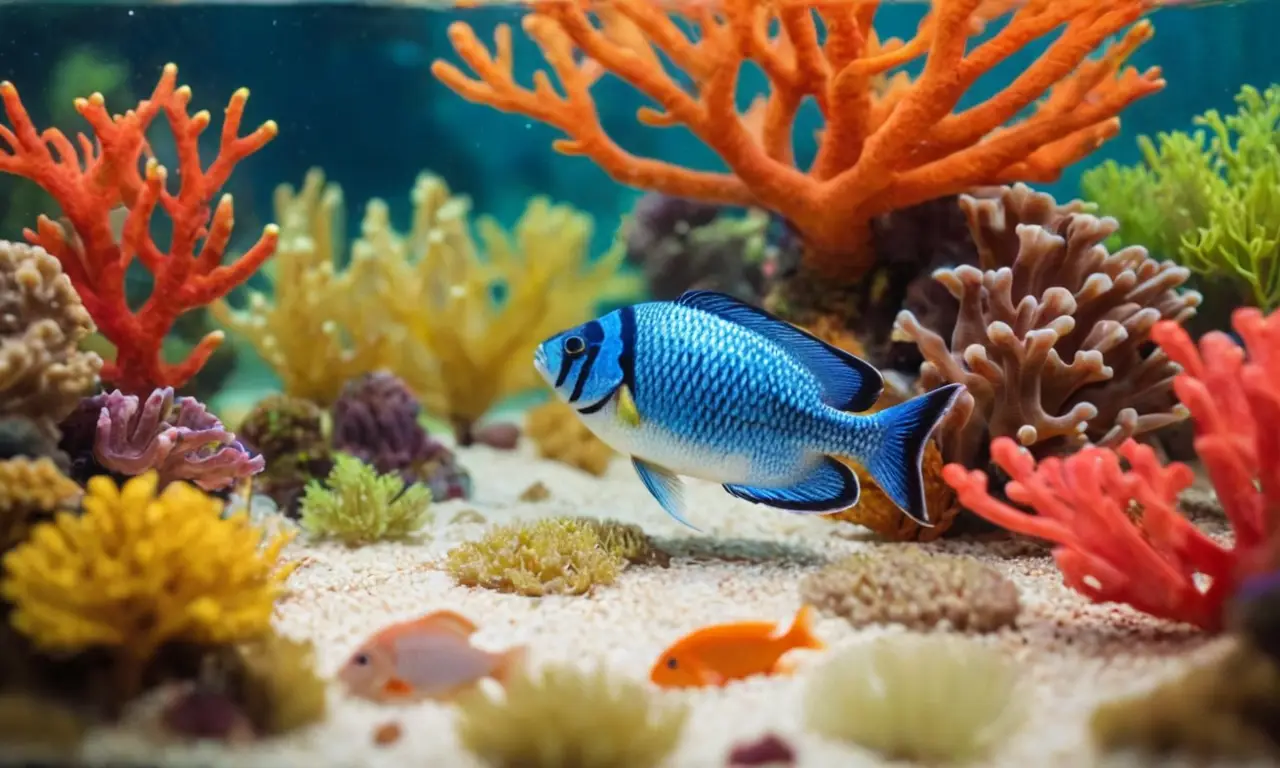
The Allure of Miniature Aquatic Worlds: Choosing the Right Fish for Small Aquariums
Embarking on the journey of creating a captivating underwater world within the confines of a small aquarium can be an incredibly rewarding experience. These miniature ecosystems offer a unique opportunity to bring the tranquility and beauty of aquatic life into even the most compact living spaces. However, the success of such an endeavor hinges on making informed choices, particularly when it comes to selecting the right fish for small aquariums. This guide delves deep into the fascinating world of diminutive aquatic inhabitants, providing comprehensive insights into their care, compatibility, and the unique considerations that come with maintaining a thriving small tank. From understanding the limitations of space to recognizing the specific needs of different species, we aim to equip you with the knowledge necessary to create a vibrant and healthy home for your chosen finned companions. Whether you're a seasoned aquarist looking to downsize or a complete beginner drawn to the charm of small-scale aquatic displays, this article will serve as your indispensable resource for selecting and caring for the perfect fish for small aquariums.
The Charm and Challenges of Small Aquariums
Small aquariums, often referred to as nano tanks or desktop aquariums, have surged in popularity due to their aesthetic appeal, space-saving nature, and relative affordability. They can transform a desk, a shelf, or a corner of a room into a mesmerizing focal point. However, the very attribute that makes them appealing – their size – also presents unique challenges. Water parameters in smaller volumes fluctuate much more rapidly than in larger tanks. This means that even minor changes in temperature, pH, ammonia, or nitrite levels can have a significant and immediate impact on the health of the inhabitants. Therefore, meticulous attention to water quality and consistent maintenance are paramount when housing fish for small aquariums.
Flea Allergy in Dogs: Symptoms, Causes & Effective TreatmentKey Considerations Before You Buy
Before you even think about selecting your first finned friend, it’s crucial to consider several factors that will directly influence the well-being of your fish for small aquariums:
- Tank Size: "Small" is a relative term. A 2.5-gallon tank is vastly different from a 10-gallon tank. Generally, tanks under 5 gallons are considered very small and suitable only for specific invertebrates or a single, very small fish species. Tanks between 5 and 20 gallons offer more flexibility for a greater variety of fish for small aquariums. Always check the minimum tank size recommendations for any fish you are considering.
- Filtration: Adequate filtration is non-negotiable, regardless of tank size. In smaller tanks, over-filtration can sometimes be more beneficial than under-filtration. Look for filters designed for nano aquariums that provide good mechanical and biological filtration without creating too strong a current.
- Heating: Most tropical fish require stable, warm water. A small, submersible heater with a thermostat is essential for maintaining the correct temperature range. Ensure the heater is appropriately sized for your tank volume.
- Lighting: The type and intensity of lighting will depend on whether you plan to keep live plants. For basic setups, a simple LED light will suffice. If you aim for live plants, you’ll need a light that provides the spectrum and intensity required for their growth.
- Substrate and Decor: Choose substrate that is appropriate for the fish you select. Gravel is common, but sand can be preferred by certain species. Provide plenty of hiding places with decor such as rocks, driftwood, and plants (live or artificial). This reduces stress and allows fish to exhibit natural behaviors.
- Water Parameters: Understand the ideal water parameters (temperature, pH, GH, KH) for the fish you are interested in. Invest in a reliable aquarium test kit to monitor these parameters regularly.
- Stocking Level: This is perhaps the most critical factor for small aquariums. Overstocking is the quickest way to a failed tank. "Less is more" is the mantra for nano tanks. Research the adult size and bioload of each fish species to avoid overcrowding.
Top Choices for Fish for Small Aquariums
Now, let's dive into some of the most popular and suitable fish for small aquariums, keeping their needs and compatibility in mind.
Fleas in Rabbits: Detection & Removal Guide1. Betta Fish (Betta splendens)
- Description: Bettas are arguably the most popular choice for small tanks due to their striking colors, flowing fins, and individual personalities. Males are known for their aggression towards other males, but can sometimes live peacefully with compatible tank mates in larger nano tanks (10+ gallons).
- Tank Size: A minimum of 5 gallons is recommended for a single betta. Smaller bowls or tanks are inhumane and will lead to health issues.
- Water Parameters: Tropical, 76-82°F (24-28°C), pH 6.5-7.5.
- Diet: Carnivorous. High-quality betta pellets, supplemented with frozen or live foods like brine shrimp and bloodworms.
- Tank Mates (with caution in 10+ gallon tanks): Small, peaceful, non-fin-nipping fish like Kuhli loaches, Pygmy corydoras, or certain small snails. Avoid other bettas (males or females), fin-nippers, and brightly colored fish that might provoke aggression.
- Pros: Beautiful, engaging, relatively hardy if kept in appropriate conditions.
- Cons: Aggressive towards other male bettas, require stable warm water.
2. Pygmy Corydoras (Corydoras pygmaeus)
- Description: These tiny, peaceful catfish are a fantastic addition to a small community tank. They are schooling fish, so it's best to keep them in groups of at least 6. They are active bottom-dwellers, sifting through the substrate for food.
- Tank Size: A minimum of 10 gallons is recommended to accommodate a small school.
- Water Parameters: Tropical, 72-78°F (22-26°C), pH 6.0-7.5. Soft to moderately hard water.
- Diet: Omnivorous. Sinking pellets, wafers, and small frozen or live foods. They appreciate a varied diet.
- Tank Mates: Peaceful, small fish that won't outcompete them for food, such as small tetras, rasboras, or dwarf gouramis. Avoid larger, boisterous fish.
- Pros: Adorable, active, beneficial for keeping the substrate clean, peaceful.
- Cons: Need to be kept in schools, can be shy if the tank is too sparsely decorated.
3. Ember Tetras (Hyphessobrycon amandae)
- Description: These diminutive tetras are a vibrant orange-red color and remain very small, making them ideal for nano tanks. They are schooling fish and look stunning in a group.
- Tank Size: A minimum of 10 gallons is recommended for a school of 6 or more.
- Water Parameters: Tropical, 74-80°F (23-27°C), pH 6.0-7.5. Soft to moderately hard water.
- Diet: Omnivorous. High-quality flake food, small pellets, and occasional live or frozen foods.
- Tank Mates: Other small, peaceful community fish such as Neon Tetras, Cardinal Tetras (though they prefer slightly larger tanks), or Endler's Livebearers.
- Pros: Beautiful color, peaceful, active schooling behavior.
- Cons: Need to be kept in schools, can be sensitive to poor water quality.
4. Celestial Pearl Danios (Danio margaritatus)
- Description: Also known as galaxy rasboras, these tiny, stunning fish are a captivating sight. They have a dark body adorned with iridescent white spots, reminiscent of a starry night. They are hardy and active.
- Tank Size: A minimum of 10 gallons is recommended for a small group.
- Water Parameters: Tropical, 72-80°F (22-27°C), pH 6.5-7.5. Moderately hard water.
- Diet: Omnivorous. Small flakes, micro-pellets, and live foods like daphnia or brine shrimp.
- Tank Mates: Small, peaceful fish that won't harass them. Avoid fin-nippers.
- Pros: Striking appearance, hardy, active, interesting social dynamics.
- Cons: Can be somewhat shy, need well-planted tanks for security.
5. Endler's Livebearers (Poecilia wingei)
- Description: Male Endler's livebearers are incredibly colorful and display a dazzling array of patterns. They are livebearers, meaning they give birth to live fry. They are peaceful and active.
- Tank Size: A minimum of 10 gallons is recommended. If you intend to breed them, a larger tank might be beneficial.
- Water Parameters: Tropical, 72-80°F (22-27°C), pH 7.0-8.5. Moderately hard to hard water.
- Diet: Omnivorous. High-quality flake food, pellets, and algae wafers.
- Tank Mates: Other peaceful, small community fish. Be aware that they reproduce readily, so plan accordingly if you don't want an abundance of fry.
- Pros: Vibrant colors, active, hardy, reproduce easily (if desired).
- Cons: Reproduce prolifically, males can sometimes be a bit persistent with females.
6. Dwarf Rasboras (Boraras spp.)
- Description: This genus includes several tiny species like the chili rasbora (Boraras brigittae) and phoenix rasbora (Boraras merah). They are small, schooling fish with vibrant colors, adding a splash of brilliance to any nano aquarium.
- Tank Size: A minimum of 10 gallons is recommended for a school of at least 8-10 individuals.
- Water Parameters: Tropical, 72-80°F (22-27°C), pH 5.5-7.0. Soft to moderately soft water.
- Diet: Omnivorous. Small flakes, micro-pellets, and live foods like microworms or vinegar eels.
- Tank Mates: Very small, peaceful fish. They can be intimidated by larger or more boisterous tank mates.
- Pros: Extremely small, beautiful colors, interesting schooling behavior.
- Cons: Very small and can be outcompeted for food, require soft, acidic water, can be sensitive.
7. Kuhli Loaches (Pangio spp.)
- Description: These eel-like, peaceful bottom-dwellers are fascinating to watch as they "dance" through the substrate. They are nocturnal but will become more active during feeding times. They are schooling fish and do best in groups of 3 or more.
- Tank Size: A minimum of 10 gallons is recommended for a small group. They appreciate a sandy substrate to burrow in.
- Water Parameters: Tropical, 75-82°F (24-28°C), pH 6.0-7.5.
- Diet: Carnivorous. Sinking wafers, tablets, and small frozen or live foods.
- Tank Mates: Peaceful community fish that won't bother them. Avoid fish that might nip at their fins or tails.
- Pros: Unique appearance, active diggers, peaceful, help clean up uneaten food.
- Cons: Nocturnal, need soft substrate for burrowing, can be escape artists if there are gaps in the lid.
Invertebrates: A Wonderful Alternative or Complement
For truly minuscule tanks (under 5 gallons) or as a complement to small fish in larger nano tanks, invertebrates can be an excellent choice.
1. Cherry Shrimp (Neocaridina davidi)
- Description: These small, colorful shrimp are fascinating to observe as they scurry around the tank, scavenging for food. They come in various colors, with cherry red being the most common and popular. They are excellent scavengers and can help keep algae in check.
- Tank Size: Can thrive in tanks as small as 2.5 gallons, but a 5-gallon tank offers more stability.
- Water Parameters: Room temperature to tropical, 68-78°F (20-26°C), pH 6.5-8.0.
- Diet: Algae, biofilm, decaying plant matter, specialized shrimp foods, blanched vegetables.
- Tank Mates: Peaceful, tiny fish that won't eat them, or other shrimp species. Avoid larger fish that might see them as a snack.
- Pros: Peaceful, colorful, active scavengers, reproduce easily.
- Cons: Sensitive to water quality fluctuations and copper.
2. Nerite Snails (various species)
- Description: Nerite snails are excellent algae eaters and come in a variety of attractive shell patterns. They are very hardy and won't reproduce in freshwater (their eggs won't hatch), making them ideal for aquariums.
- Tank Size: Can be kept in almost any size aquarium.
- Water Parameters: Room temperature to tropical, 70-80°F (21-27°C), pH 6.5-8.0.
- Diet: Primarily algae. They will also eat leftover fish food and algae wafers.
- Tank Mates: Compatible with most small, peaceful fish and invertebrates.
- Pros: Excellent algae eaters, hardy, attractive, do not reproduce in freshwater.
- Cons: Can sometimes leave small white egg spots on surfaces if a male and female are present (though they won't hatch).
Setting Up Your Small Aquarium for Success
- Cycling Your Tank: This is the most crucial step before adding any fish. The nitrogen cycle establishes beneficial bacteria that break down toxic waste products (ammonia and nitrite). This process can take 4-6 weeks. Never add fish to an uncycled tank.
- Water Changes: Regular small water changes are essential for maintaining stable water parameters in small tanks. Aim for 20-25% water changes weekly or bi-weekly. Use a good quality water conditioner to remove chlorine and chloramines.
- Observation: Spend time observing your fish. Look for any signs of stress, illness, or unusual behavior. Early detection can make a significant difference in treatment.
- Acclimation: When introducing new fish for small aquariums to your tank, acclimate them slowly to prevent shock. Drip acclimation is a recommended method for sensitive species.
The Joy of a Miniature Aquatic Universe
Creating a thriving small aquarium is a testament to careful planning, dedication, and a deep appreciation for the miniature marvels of the aquatic world. By understanding the unique demands of these small ecosystems and choosing the right fish for small aquariums, you can cultivate a beautiful, tranquil, and endlessly fascinating underwater display that brings a touch of nature's wonder into your life. Remember that patience and consistent care are the keys to unlocking the full potential of your nano aquatic paradise.
Dog Folliculitis: Causes, Symptoms, and Effective Treatments
Cat Urinary Crystals: Types, Symptoms & Treatment Guide

Cat Weight: How Do I Know If My Cat Is Fat?

Encephalitis in Dogs: Symptoms, Causes & Treatment

Dog Cavities: Causes, Symptoms, and Treatment Options
Natural Flea Relief: Home Remedies for Fleas in Cats

Newborn Puppy Feeding Guide: From Birth to Weaning
Related posts