

Australian Parakeet Care: A Comprehensive Guide
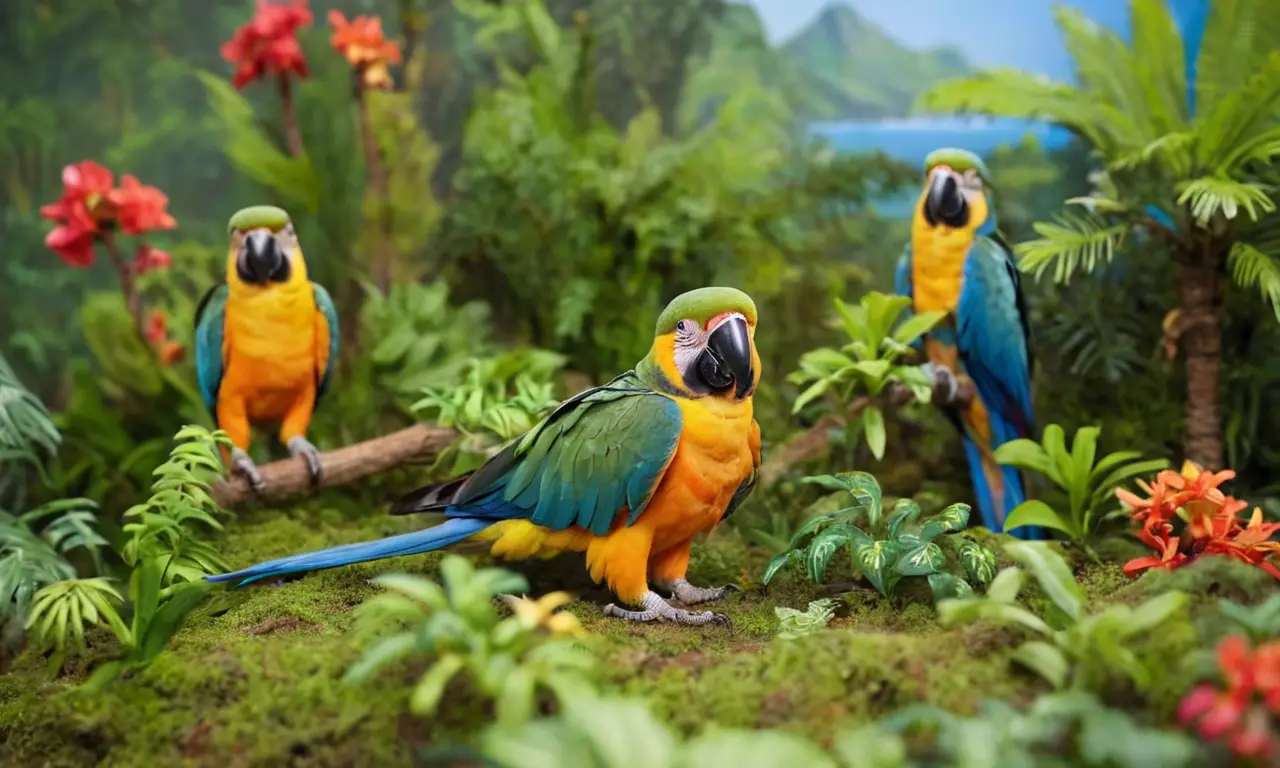
Australian Parakeet Care: A Comprehensive Guide to Happy and Healthy Birds
Caring for an Australian parakeet, also commonly known as the budgerigar or budgie, is a rewarding experience that brings joy and companionship into your home. These intelligent and social birds are relatively easy to care for, making them an excellent choice for both novice and experienced bird owners. This comprehensive guide will delve into all aspects of Care of the Australian parakeet, ensuring your feathered friend thrives in your environment. From selecting the right cage and providing a balanced diet to understanding their social needs and health concerns, we'll cover everything you need to know to provide optimal care for your Australian parakeet.
𝙲𝚘𝚗𝚝𝚎𝚗𝚝
- Understanding Your Australian Parakeet: A Social and Intelligent Companion
- Nourishing Your Feathered Friend: The Dietary Cornerstones
- Socialization and Mental Stimulation: A Happy Budgie's Needs
- Health and Hygiene: Preventing and Addressing Illnesses
- Breeding and Beyond: Considerations for Responsible Ownership
- In summary: A Rewarding Journey of Care of the Australian parakeet
Understanding Your Australian Parakeet: A Social and Intelligent Companion
Australian parakeets are native to Australia and are one of the most popular pet birds worldwide. Their small size, vibrant personalities, and ability to learn tricks and even mimic speech make them incredibly engaging pets. They are naturally social creatures, living in large flocks in the wild. This social instinct is crucial to understand when considering Care of the Australian parakeet. In captivity, they thrive on interaction and can become lonely or depressed if left isolated for extended periods. Their intelligence means they require mental stimulation to prevent boredom and behavioral issues.
Choosing the Right Home: The Aviary Essentials
The cage is more than just a containment unit; it's your parakeet's entire world. Therefore, selecting an appropriately sized and equipped cage is paramount for their well-being.
- Size Matters: Bigger is always better when it comes to cages for Australian parakeets. A good rule of thumb is to opt for the largest cage you can accommodate and afford. A minimum recommended size for a single budgie is a cage that is at least 24 inches wide, 16 inches deep, and 18 inches high. If you plan on housing more than one parakeet, you'll need a significantly larger cage to prevent territorial disputes and allow for adequate flight space.
- Bar Spacing: The distance between the cage bars is critical for safety. For Australian parakeets, the bar spacing should be no more than half an inch (1.25 cm) to prevent them from getting their heads stuck.
- Cage Material: Stainless steel cages are generally the best option as they are durable, easy to clean, and non-toxic. Avoid cages with lead or zinc coatings, as these can be harmful to birds.
- Cage Shape: Rectangular cages are preferred over round ones. This is because budgies tend to fly back and forth, and a rectangular shape provides them with more linear flight space. Round cages can be disorienting and limit their natural flight patterns.
- Placement: The ideal location for your parakeet's cage is a place with consistent temperature, away from direct sunlight, drafts, and strong odors. They should be in a room where the family spends time, as they are social birds and enjoy being part of the household activity. However, ensure the cage is not in a high-traffic area where they might be constantly startled.
Furnishing the Fortress: Essential Cage Accessories
Once you have the cage, it's time to make it a comfortable and stimulating environment.
- Perches: Offer a variety of perch sizes and textures. Natural wood perches are excellent as they help keep their nails trimmed and provide a natural grip. Avoid dowel perches that are all the same size and texture, as this can lead to foot problems. Rotate perches periodically to keep things interesting.
- Food and Water Dishes: Stainless steel or ceramic dishes are easy to clean and durable. You'll need at least two dishes: one for food and one for fresh water. Ensure the water dish is deep enough for them to bathe in if they choose, but also clean it daily.
- Toys: Toys are crucial for mental stimulation and preventing boredom. Offer a range of toys that cater to different behaviors:
- Chew toys: Made from wood, paper, or natural fibers, these satisfy their natural urge to chew and help keep their beaks in good condition.
- Foraging toys: These encourage natural foraging behaviors, which are essential for their mental well-being.
- Mirror toys: While some owners debate the merits of mirrors, a single mirror can provide some visual stimulation. However, avoid too many, as they can become obsessive or aggressive towards their reflection.
- Bell toys: Simple bells can provide auditory stimulation.
- Swings: A simple swing can offer a fun way for your parakeet to entertain itself.
Rotate toys regularly to keep your parakeet engaged and prevent them from becoming bored with the same old items.
- Grit and Cuttlebone: A cuttlebone provides essential calcium and helps keep their beaks trimmed. While some sources suggest offering grit, it's debated whether budgies truly need it, as they can digest seeds whole. If you do offer grit, ensure it's a high-quality, bird-specific grit.
Nourishing Your Feathered Friend: The Dietary Cornerstones
A balanced and varied diet is fundamental to the health and longevity of your Australian parakeet. Their dietary needs are specific, and providing the wrong food can lead to health problems.
The Seed Mix Foundation: Quality is Key
The staple of a budgie's diet should be a high-quality seed mix formulated specifically for parakeets. Look for mixes that contain a variety of seeds such as millet, canary seed, and a small amount of oil seeds. Avoid mixes that are primarily made up of cheaper, less nutritious seeds like sunflower or safflower, as these are high in fat and can lead to obesity and other health issues.
Caring for a Cat with Hepatitis: Essential Guide- Seed Mix Selection:
- Choose reputable brands.
- Look for a mix that is fresh and free from mold or dust.
- Avoid mixes with artificial colors or flavors.
Beyond Seeds: The Importance of Fresh Foods
While seed mix forms the base, it's crucial to supplement it with a variety of fresh foods to provide essential vitamins, minerals, and hydration. This is where the "Care of the Australian parakeet" truly shines in promoting optimal health.
- Vegetables: Offer a daily selection of fresh, washed vegetables. Good options include:
- Leafy greens: spinach, kale, romaine lettuce (in moderation due to oxalates).
- Cruciferous vegetables: broccoli, cauliflower.
- Root vegetables: carrots, sweet potatoes (cooked and mashed).
- Peppers: bell peppers (seeds removed).
- Other options: peas, corn (fresh or frozen, thawed).
- Fruits: Fruits should be offered in moderation due to their sugar content. Good choices include:
- Apples (seeds removed).
- Berries: blueberries, raspberries, strawberries.
- Melon: cantaloupe, watermelon.
- Oranges and mandarins (in moderation).
- Pellets: High-quality bird pellets can be a great addition to a budgie's diet, providing a more balanced nutritional profile than seeds alone. If you are transitioning your budgie to pellets, do so gradually by mixing them with their current seed mix.
- Protein Sources: Occasionally, you can offer small amounts of cooked, plain chicken or hard-boiled egg yolk.
- Foods to Avoid: It's essential to know what not to feed your parakeet. Certain foods are toxic or harmful:
- Avocado
- Chocolate
- Onion and garlic
- Alcohol and caffeine
- Salty or fatty human foods
- Apple seeds and pits
- Rhubarb
Hydration is Non-Negotiable
Fresh, clean water must be available at all times. Change the water daily, or more often if it becomes soiled. Some budgies enjoy bathing in their water dish, so ensure it's clean before and after their ablutions.
Socialization and Mental Stimulation: A Happy Budgie's Needs
Australian parakeets are highly social and intelligent creatures. Neglecting their need for interaction and mental stimulation can lead to behavioral problems and unhappiness.
The Importance of Flock Life (Even in Solitude)
If you have a single parakeet, you become its flock. Daily interaction is essential. This includes:
- Talking to your bird: Speak to them in a gentle, calm voice.
- Spending time near the cage: Let them get used to your presence and activity.
- Hand-feeding: This can build trust and a strong bond.
- Training sessions: Budgies are intelligent and can be trained to do tricks.
- Out-of-cage time: Supervised out-of-cage time is crucial for exercise and exploration. Ensure the room is bird-proofed, meaning all toxic plants, open windows, and other hazards are removed or secured.
Understanding Budgie Body Language
Learning to interpret your budgie's body language will help you understand their moods and needs.
- Chirping and Vocalizations: Different chirps can indicate happiness, excitement, alarm, or a desire for attention.
- Head Bobbing: This can be a sign of excitement, happiness, or a bid for attention.
- Wing Flapping: This is often a sign of happiness and contentment.
- Stretching: A wing and leg stretch is usually a sign of relaxation.
- Fluffing Feathers: This can indicate relaxation and contentment, or if accompanied by sleepiness, it might mean they are unwell.
- Hissing or Growling: This is a clear sign of displeasure or aggression.
- Puffed-up Feathers and Red Eyes: This can indicate illness.
Keeping Their Minds Active: Enrichment Activities
Beyond toys, there are other ways to keep your parakeet mentally stimulated:
Entropion Surgery Recovery: Essential Dog Care Guide- Foraging Games: Hide treats in different places around the cage or in foraging toys.
- New Environments: Occasionally, take your budgie to a different, safe room in the house.
- Socialization with Other Birds: If you have the space and resources, consider getting a second parakeet. Ensure they are introduced slowly and carefully, observing their interactions closely.
Health and Hygiene: Preventing and Addressing Illnesses
Proactive health and hygiene practices are vital for ensuring your Australian parakeet lives a long and healthy life.
Regular Veterinary Check-ups
It's a good idea to establish a relationship with an avian veterinarian. Regular check-ups can help detect potential health issues early on. Even if your bird seems healthy, an annual wellness exam is recommended.
Signs of Illness to Watch For
Be observant of any changes in your parakeet's behavior or appearance. Some common signs of illness include:
- Lethargy or unresponsiveness
- Loss of appetite or refusal to eat
- Changes in droppings (e.g., watery, discolored, or presence of blood)
- Ruffled feathers when not sleeping
- Difficulty breathing or wheezing
- Discharge from the eyes or nostrils
- Weight loss
- Vomiting or regurgitation
- Swollen abdomen
If you notice any of these signs, contact your avian veterinarian immediately.
Maintaining a Clean Environment
A clean cage is crucial for preventing the spread of bacteria and parasites.
- Daily Cleaning:
- Remove any uneaten fresh food.
- Clean food and water dishes thoroughly.
- Spot clean any soiled areas of the cage lining.
- Weekly Cleaning:
- Remove all accessories from the cage.
- Wash the cage thoroughly with warm water and a mild, bird-safe soap.
- Rinse thoroughly and dry completely before returning the accessories and your bird.
- Replace cage lining (newspaper or paper towels).
- Perch and Toy Cleaning: Clean perches and toys regularly. Wooden toys may need to be replaced when they become heavily chewed.
Grooming Habits
- Nail Trimming: If your parakeet's nails become too long and sharp, they may need to be trimmed by a veterinarian or an experienced bird owner. Overgrown nails can snag on perches and cause injuries.
- Wing Clipping: While some owners choose to clip their bird's wings for safety, it's a debated practice. If you do choose to clip your bird's wings, ensure it's done correctly to avoid injury and allow for controlled flight. Many owners prefer to provide supervised out-of-cage time in a safe environment rather than clipping.
Breeding and Beyond: Considerations for Responsible Ownership
If you are considering breeding your Australian parakeets, it's essential to be well-informed and prepared.
Caring for a Pregnant Cat: A Complete Guide- Breeding Readiness: Ensure your birds are healthy, mature, and have a good genetic background.
- Nesting Boxes: Provide appropriate nesting boxes.
- Dietary Needs: Adjust the diet to support breeding pairs with extra protein and calcium.
- Chicks' Care: Be prepared to care for the chicks, which includes ensuring they are well-fed by their parents and eventually weaned.
- Responsible Placement: Have a plan for finding suitable homes for any offspring.
When to Seek Professional Help
Don't hesitate to contact an avian veterinarian for any concerns regarding your parakeet's health, behavior, or well-being. Early intervention can often prevent minor issues from becoming major problems.
In summary: A Rewarding Journey of Care of the Australian parakeet
Caring for an Australian parakeet is a commitment that requires dedication, knowledge, and love. By providing a suitable environment, a balanced diet, ample socialization, and vigilant health care, you can ensure your budgie leads a happy, fulfilling, and long life. The bond you forge with your feathered companion will be a source of immense joy and a testament to the rewarding experience of Care of the Australian parakeet. Their cheerful chirps, playful antics, and unique personalities will undoubtedly enrich your life in countless ways.
Cat Urinary Crystals: Types, Symptoms & Treatment Guide

Cat Weight: How Do I Know If My Cat Is Fat?

Encephalitis in Dogs: Symptoms, Causes & Treatment

Dog Cavities: Causes, Symptoms, and Treatment Options
Natural Flea Relief: Home Remedies for Fleas in Cats

Newborn Puppy Feeding Guide: From Birth to Weaning
Related posts