
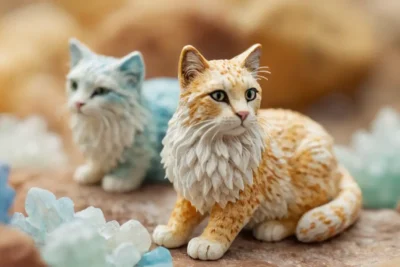
Hypoallergenic Cat Breeds: The Best Non-Shedding Felines

Hypoallergenic Cat Breeds: The Best Non-Shedding Felines
For many allergy sufferers, the dream of sharing their home with a feline companion seems unattainable. The culprits behind these unwelcome allergic reactions are proteins found in a cat's saliva, urine, and dander (dead skin cells). While no cat is truly 100% hypoallergenic, some breeds produce significantly less of these allergens or shed far less, making them a viable option for many individuals with sensitivities. This article delves into the fascinating world of cat breeds that do not shed hair, exploring their unique characteristics, care needs, and why they are so sought after.
Understanding Cat Allergies and Shedding
Before we explore the breeds, it's crucial to understand why shedding is linked to allergies. When cats groom themselves, they spread saliva containing allergens all over their fur. As their skin naturally sheds dead cells, these dander particles, now coated with allergens, become airborne. Cats that shed minimally also tend to distribute less of these allergens throughout the environment. Therefore, breeds with less shedding are often considered "hypoallergenic" because they contribute less to the overall allergen load in a home.
It's important to remember that even low-shedding cats will still produce allergens. Individual sensitivities vary greatly, and what might be tolerable for one person could still trigger a reaction in another. Spending time with a particular breed before committing is always recommended.
Top Hypoallergenic Cat Breeds That Do Not Shed Hair
The market for hypoallergenic pets has grown significantly, and fortunately, there are several breeds that stand out for their minimal shedding and allergen production. These felines often have unique coat types that require specific grooming routines.
Common Cat Eye Diseases: Symptoms, Causes & Treatment1. Sphynx: The Hairless Wonder
The Sphynx is perhaps the most iconic of cat breeds that do not shed hair. While they appear "hairless," they are not entirely devoid of fur. Instead, they possess a fine, downy fuzz that feels like the skin of a peach. This unique characteristic means they don't shed dander in the same way as their furry counterparts.
- Characteristics: Known for their wrinkled appearance, large ears, and expressive personalities, Sphynx cats are incredibly social, affectionate, and energetic. They crave human interaction and are often described as "dog-like" in their devotion.
- Care Needs: Despite not having much hair, Sphynx cats require regular grooming. Their skin produces oils that, without hair to absorb them, can accumulate and make them feel greasy. Weekly baths with a mild, pet-specific shampoo are essential. They also need their ears cleaned regularly to prevent wax buildup and their nails trimmed. Due to their lack of fur, they are sensitive to extreme temperatures and should be kept indoors, away from direct sunlight.
2. Devon Rex: The Pixie-Faced Playmate
The Devon Rex is another breed celebrated for its low-shedding coat. Their fur is short, wavy, or curly, and feels soft and downy. This unique coat type means they shed much less than typical cats.
- Characteristics: With their large ears, expressive eyes, and playful, mischievous nature, Devon Rexes are often called "pixies" or "elves." They are highly intelligent, curious, and love to be involved in everything their human family does. They are known for their vocalizations and enjoy "talking" to their owners.
- Care Needs: Their delicate coat requires minimal grooming. Occasional brushing with a soft-bristle brush is usually sufficient to remove loose hairs. However, their ears can accumulate wax more readily due to their large size, so regular cleaning is important. They can also be prone to dental issues, so consistent dental hygiene is recommended.
3. Cornish Rex: The Elegant Wavy Wonder
Similar to the Devon Rex, the Cornish Rex boasts a distinctive wavy coat that sheds very little. Their fur is soft and downy, with no guard hairs. This means the allergens are less likely to be trapped and then released into the environment.
- Characteristics: Cornish Rexes are known for their slender, elegant build, high arches in their backs, and large ears. They are active, playful, and intelligent cats that enjoy learning tricks and playing games. They are also very affectionate and enjoy being cuddled.
- Care Needs: Their curly coat requires gentle brushing with a soft brush or a damp cloth to remove any loose hairs and distribute natural oils. Like the Devon Rex, their ears may need regular cleaning. They also have a higher metabolism due to their fine coat and may require slightly more food than other breeds.
4. Oriental Shorthair: The Sleek and Sophisticated
While the Oriental Shorthair has a short, fine coat, it's important to note that they do shed, but generally much less than many other breeds. Their sleek coat means that any shed hair is usually less noticeable.
Cat Nail Problems: Causes, Symptoms, and Solutions- Characteristics: Known for their svelte bodies, wedge-shaped heads, and large ears, Oriental Shorthairs come in a vast array of colors and patterns. They are highly intelligent, curious, and social cats that thrive on attention and interaction. They are often described as being very "dog-like" in their desire to please their owners.
- Care Needs: Their short coat is easy to maintain. Weekly brushing with a grooming mitt or soft brush is usually enough to keep their coat looking its best and to remove loose hairs.
5. Siamese: The Vocal and Affectionate
Siamese cats have a short, fine coat that lies close to their body. While they do shed, it's typically less than many other breeds, and their short hair is easier to manage.
- Characteristics: Famous for their striking blue almond-shaped eyes and distinctive colorpoint markings, Siamese cats are incredibly vocal, intelligent, and affectionate. They form strong bonds with their families and are known for their playful antics and love of conversation.
- Care Needs: Their short coat requires minimal grooming. A quick brush once a week with a soft brush or grooming mitt is usually sufficient. Regular nail trimming and ear cleaning are also important aspects of their care.
6. Russian Blue: The Gentle and Quiet
The Russian Blue is often praised for its double coat, which is short, dense, and has a silvery sheen. This unique coat type traps allergens closer to the skin, meaning less dander is released into the air, making them a good choice for allergy sufferers.
- Characteristics: With their striking green eyes, elegant build, and reserved yet affectionate nature, Russian Blues are beautiful and composed cats. They are generally quiet and gentle, preferring a calm environment.
- Care Needs: Their dense coat requires brushing 1-2 times a week to remove loose hairs and keep it healthy. They are generally healthy cats but can be prone to certain genetic conditions, so it's important to choose a reputable breeder.
7. American Wirehair: The Unique Textured Coat
The American Wirehair is known for its distinctive wiry coat, which is often described as kinky or crimped. This unique texture means less shedding compared to other breeds.
- Characteristics: These are sturdy, medium-sized cats with a playful and good-natured temperament. They are curious and enjoy exploring their surroundings.
- Care Needs: Their wiry coat is surprisingly low-maintenance. Occasional brushing with a soft brush is usually sufficient. They are generally healthy and robust cats.
8. LaPerm: The Curly Coat Companion
The LaPerm is characterized by its curly or wavy coat, which can range from tight ringlets to loose waves. This unique coat type results in less shedding.
Cat Cataracts: Symptoms, Causes & Treatment Options- Characteristics: LaPerms are known for their affectionate and social personalities. They are playful, intelligent, and enjoy being part of family activities.
- Care Needs: Their curly coat requires regular brushing to prevent matting, especially if it's a longer, curlier variety. Gentle handling is important to avoid pulling on their curls.
Important Considerations for Allergy Sufferers
- Spend Time with the Breed: Before bringing any cat home, spend as much time as possible with the specific breed you are considering. Visit breeders, shelters, or friends who own the breed to gauge your reaction.
- Grooming Routine: Even cat breeds that do not shed hair still require grooming. Regular brushing helps to remove loose fur and dander, which can be beneficial for allergy sufferers, even if the cat is low-shedding.
- Cleanliness is Key: Regular cleaning of your home, including vacuuming with a HEPA filter and washing cat bedding frequently, is crucial for managing allergens.
- Air Purifiers: Investing in good quality air purifiers with HEPA filters can significantly improve air quality in your home.
- Consult Your Doctor: Always consult with your allergist or doctor before bringing a pet into your home if you have known allergies. They can provide personalized advice and discuss potential management strategies.
- No Guarantees: Remember that no cat is completely allergen-free. Individual sensitivities and the specific cat's allergen production can vary.
In summary
For individuals who dream of sharing their lives with a feline friend but struggle with allergies, the existence of cat breeds that do not shed hair offers a beacon of hope. Breeds like the Sphynx, Devon Rex, Cornish Rex, Russian Blue, and others provide a wonderful opportunity to experience the joy of cat ownership with potentially fewer allergic reactions. By understanding their unique coat types, care needs, and by implementing diligent cleaning and management strategies, many allergy sufferers can indeed find their purr-fect companion. The key is informed decision-making, thorough preparation, and a commitment to creating an environment that is as comfortable as possible for both you and your new furry family member.
Cat Urinary Crystals: Types, Symptoms & Treatment Guide
Cat Weight: How Do I Know If My Cat Is Fat?
Encephalitis in Dogs: Symptoms, Causes & Treatment
Dog Cavities: Causes, Symptoms, and Treatment Options
Natural Flea Relief: Home Remedies for Fleas in Cats

Newborn Puppy Feeding Guide: From Birth to Weaning
Related posts