

Chicken Diseases & Symptoms: A Comprehensive Guide
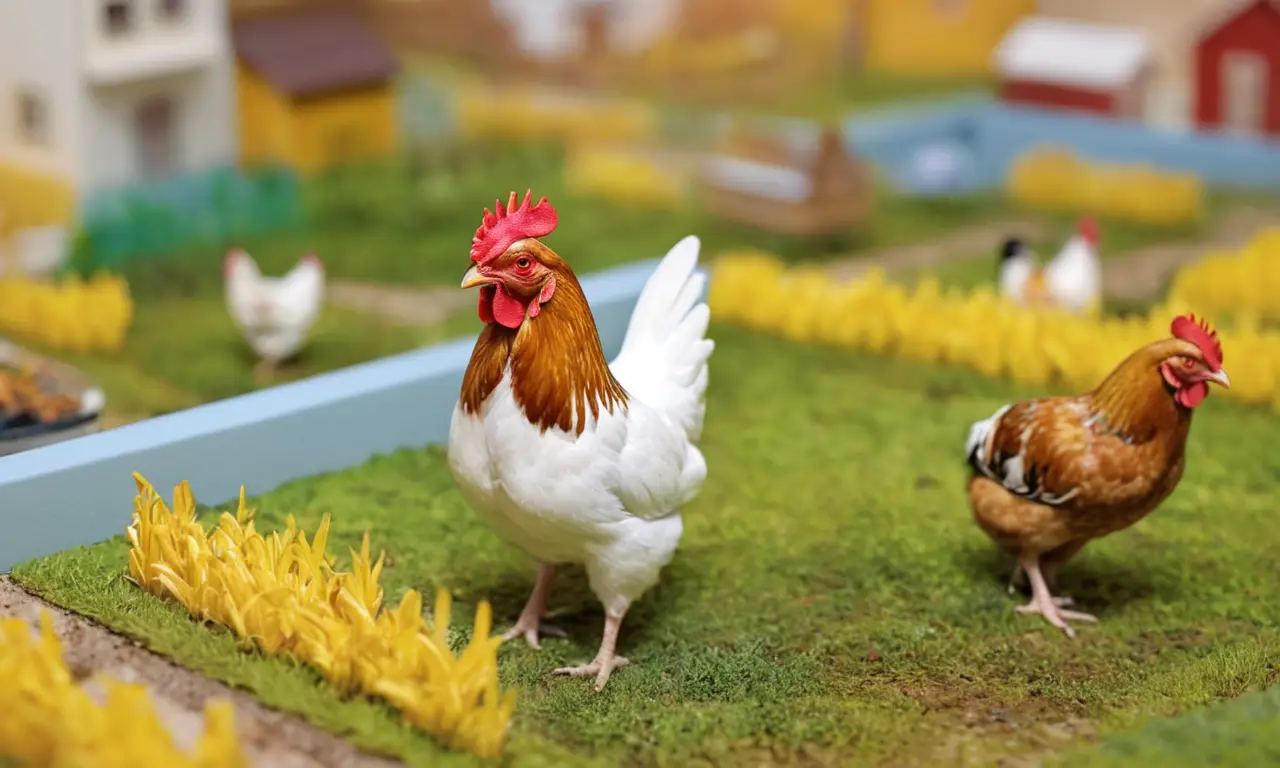
Chicken Diseases & Symptoms: A Comprehensive Guide
Understanding the various Chicken diseases and their symptoms is paramount for any poultry keeper aiming to maintain a healthy and productive flock. Early detection and appropriate action can significantly reduce mortality rates, prevent the spread of illness, and ensure the well-being of your birds. This comprehensive guide delves into common poultry ailments, their tell-tale signs, and the importance of proactive management for a thriving flock.
𝙲𝚘𝚗𝚝𝚎𝚗𝚝
The Importance of Vigilance: Recognizing the Signs
The saying "an ounce of prevention is worth a pound of cure" holds particularly true in poultry farming. Chickens, being prey animals, often mask signs of illness until they are quite unwell. This makes vigilant observation of your flock crucial. Regular daily checks, ideally at least twice a day, can help you spot subtle changes in behavior, appetite, and appearance that might indicate a developing health issue.
General Signs of a Sick Chicken
Before diving into specific diseases, it's important to recognize general indicators that a chicken may be unwell. These can include:
- Lethargy or unusual quietness: A healthy chicken is typically active, curious, and vocal. A bird that is withdrawn, listless, or not participating in flock activities warrants closer inspection.
- Loss of appetite or thirst: Changes in eating and drinking habits are often the first sign of distress. Observe if birds are not pecking at their feed or drinking as usual.
- Changes in droppings: Healthy chicken droppings are usually firm and dark with a white urate cap. Abnormalities such as watery, bloody, foamy, or unusually colored droppings can signal internal problems.
- Ruffled or unkempt feathers: Chickens typically preen themselves meticulously. Ruffled, dirty, or matted feathers can indicate that the bird is too ill to groom itself or is experiencing discomfort.
- Isolation from the flock: A sick bird will often separate itself from the rest of the group, seeking solitude.
- Huddling: While chickens huddle for warmth, excessive or persistent huddling, especially when it's not cold, can be a sign of illness.
- Changes in breathing: Labored breathing, wheezing, coughing, sneezing, or nasal discharge are clear indicators of respiratory distress.
- Pale comb and wattles: A healthy chicken usually has a bright red comb and wattles. Paleness can indicate anemia, stress, or illness.
- Swollen eyes or discharge: Ocular discharge, redness, or swelling around the eyes can be a symptom of various infections.
- Lameness or difficulty walking: This could point to injuries, bone problems, or neurological issues.
Common Chicken Diseases and Their Symptoms
Let's explore some of the most prevalent Chicken diseases and their symptoms that poultry keepers may encounter.
1. Infectious Bronchitis (IB)
Infectious Bronchitis is a highly contagious viral disease affecting the respiratory and reproductive systems of chickens. It's a significant concern for commercial and backyard flocks alike.
Symptoms:
- Respiratory signs: Sneezing, coughing, nasal discharge, tracheal rales (a rattling sound in the windpipe), and difficulty breathing.
- Reduced egg production and poor eggshell quality: This is a hallmark symptom, with eggs often becoming watery, misshapen, or having thin, brittle shells.
- Broodiness: In some cases, infected hens may become unusually broody.
- Kidney damage: In more severe cases, IB can lead to kidney dysfunction.
- Young birds: Chicks may show drooping wings, weakness, and decreased appetite.
2. Infectious Laryngotracheitis (ILT)
ILT is a severe, highly contagious respiratory disease caused by a herpesvirus. It primarily affects the upper respiratory tract.
Symptoms:
- Severe respiratory distress: Gasping for air, head extension, gaping, and audible rattling or crackling sounds during breathing.
- Bloody mucus discharge: A characteristic sign is the presence of blood in the nasal discharge or expelled from the trachea.
- Swollen sinuses: Swelling around the eyes and face can occur.
- Conjunctivitis: Inflammation and discharge from the eyes.
- Reduced feed and water intake: Birds often stop eating and drinking due to the severity of their symptoms.
- Sudden death: In severe outbreaks, rapid death can occur without prior visible symptoms.
3. Avian Influenza (AI) / Bird Flu
Avian Influenza is a viral disease that can range from mild to highly pathogenic. Highly pathogenic strains can cause rapid and widespread mortality.
Hospitalized Kids Meet Pups: King Juan Carlos's New Dog PolicySymptoms (Highly Pathogenic Strains):
- Sudden death: Often the first and only sign in some cases.
- Severe depression and weakness: Birds appear extremely lethargic and disinclined to move.
- Edema (swelling) of the head, comb, and wattles: These areas may become enlarged and discolored.
- Cyanosis: Bluish discoloration of the comb and wattles due to poor oxygenation.
- Hemorrhages: Pinpoint bleeding spots on the legs, comb, wattles, and internal organs.
- Respiratory signs: Coughing, sneezing, and nasal discharge.
- Decreased egg production: A sharp drop in laying is common.
- Diarrhea: Watery or abnormal droppings.
Symptoms (Low Pathogenic Strains):
- Milder respiratory signs like sneezing and nasal discharge.
- Slight decrease in egg production.
- Often mild or asymptomatic.
4. Marek's Disease (MD)
Marek's disease is a lymphoproliferative disease caused by a herpesvirus. It affects the nervous system, lymphoid organs, and skin.
Symptoms:
- Neurological signs:
- Lameness or paralysis: Typically affecting one leg, causing it to stick out forward or backward.
- Wing paralysis: One or both wings may droop.
- Wobbly gait: Difficulty balancing and walking.
- Eye lesions: Irregular pupil shape, graying of the iris, and blindness.
- Wasting: Progressive loss of body weight.
- Skin lesions: Thickened feather follicles ( Marek's skin).
- Internal tumors: Tumors can develop in various organs.
5. Pullorum Disease and Fowl Typhoid
These are bacterial diseases caused by Salmonella enterica subspecies enterica serovars Pullorum and Gallinarum, respectively. They are highly contagious and can be fatal, especially in young birds.
Symptoms of Pullorum Disease (Chicks):
- Sudden death: Especially in young chicks.
- Weakness and depression: Chicks appear droopy and listless.
- Chilled appearance: Huddling together, often with eyes closed.
- White diarrhea: A characteristic symptom is white, chalky droppings that stick to the vent.
- Loss of appetite and thirst.
Symptoms of Fowl Typhoid (Adult Birds):
- Sudden death: Often seen in apparently healthy birds.
- Greenish diarrhea.
- Anemia: Pale comb, wattles, and skin.
- Fever and depression.
- Reduced egg production.
6. Coccidiosis
Coccidiosis is a parasitic disease caused by protozoa of the genus Eimeria. It primarily affects the intestinal tract, leading to damage and malabsorption.
Symptoms:
Chinchilla Feeding Guide: Optimal Diet & Health- Diarrhea: Can range from mild and watery to bloody, especially in severe cases.
- Droopiness and lethargy.
- Reduced feed intake.
- Weight loss and poor growth.
- Pale comb and wattles due to anemia.
- Ruffled feathers.
- Vomiting: In some cases, birds may vomit.
7. Mycoplasmosis (e.g., Mycoplasma gallisepticum - Chronic Respiratory Disease or CRD)
Mycoplasmosis refers to diseases caused by Mycoplasma bacteria. Mycoplasma gallisepticum is a common cause of respiratory disease in chickens.
Symptoms:
- Respiratory signs: Sneezing, coughing, nasal discharge, tracheal rales.
- Difficulty breathing: Open-mouth breathing, head shaking.
- Swollen sinuses and eyes: Can lead to conjunctivitis and reduced vision.
- Reduced egg production and quality.
- Slowed growth and poor feed conversion.
- Secondary infections: Mycoplasmosis can weaken the immune system, making birds more susceptible to other diseases.
8. Fowl Pox
Fowl pox is a viral disease that can manifest in two forms: the dry form (cutaneous) and the wet form (mucosal).
Symptoms:
- Dry Pox:
- Lesions on unfeathered areas: Small, raised, yellowish papules that develop into brown scabs on the comb, wattles, eyelids, and around the beak.
- Lesions can become large and disfiguring.
- Wet Pox:
- Lesions in the mouth and throat: Yellowish, diphtheritic membranes that can obstruct breathing and eating.
- Difficulty swallowing and breathing.
- Foul odor from the mouth.
9. Botulism
Botulism is a paralytic disease caused by toxins produced by the bacterium Clostridium botulinum. It is often associated with decaying organic matter or contaminated feed.
Symptoms:
- Progressive paralysis: Birds may show weakness in their legs, leading to inability to stand.
- Flaccid paralysis: Muscles become relaxed and limp.
- Difficulty breathing: Respiratory paralysis.
- Drooping wings and head.
- Sudden death: Due to respiratory failure.
Prevention and Biosecurity: Your First Line of Defense
The best approach to managing Chicken diseases and their symptoms is to prioritize prevention. Implementing strict biosecurity measures is crucial for keeping your flock healthy and minimizing the risk of introducing and spreading diseases.
Key Biosecurity Measures:
- Quarantine new birds: Always isolate new birds in a separate area for at least 3-4 weeks before introducing them to your main flock. Monitor them closely for any signs of illness.
- Control visitor access: Limit the number of people who enter your chicken coop and run. Ensure visitors practice good hygiene, especially if they have been in contact with other poultry.
- Maintain clean housing: Regularly clean and disinfect the coop and run. Remove droppings, old bedding, and uneaten feed.
- Provide clean water and feed: Ensure a constant supply of fresh, clean water and high-quality feed. Avoid cross-contamination.
- Pest control: Implement measures to control rodents and wild birds, as they can be carriers of diseases.
- Proper waste disposal: Dispose of dead birds and waste materials properly to prevent disease spread.
- Vaccination: Discuss with a veterinarian or poultry expert about appropriate vaccination programs for your region and flock type.
- Good nutrition: A well-balanced diet supports a strong immune system, making birds more resilient to disease.
- Stress reduction: Minimize stressors for your flock, such as overcrowding, extreme temperatures, and sudden environmental changes.
When to Seek Veterinary Advice
While this guide provides valuable information on common Chicken diseases and their symptoms, it is not a substitute for professional veterinary care. If you observe any of the symptoms described, or if you are unsure about a bird's health, it is always best to consult with a veterinarian experienced in avian health. They can accurately diagnose the problem, recommend appropriate treatment, and advise on further preventative measures.
Early intervention is key to a successful recovery and can prevent the spread of illness throughout your flock. By combining vigilant observation with robust biosecurity practices and prompt veterinary attention when needed, you can significantly increase your chances of maintaining a healthy and thriving flock.
Chiweenie: The Adorable Chihuahua & Dachshund Mix
Cat Urinary Crystals: Types, Symptoms & Treatment Guide

Cat Weight: How Do I Know If My Cat Is Fat?

Encephalitis in Dogs: Symptoms, Causes & Treatment

Dog Cavities: Causes, Symptoms, and Treatment Options

Natural Flea Relief: Home Remedies for Fleas in Cats

Newborn Puppy Feeding Guide: From Birth to Weaning
Related posts