
Chinchilla Feeding Guide: Optimal Diet & Health
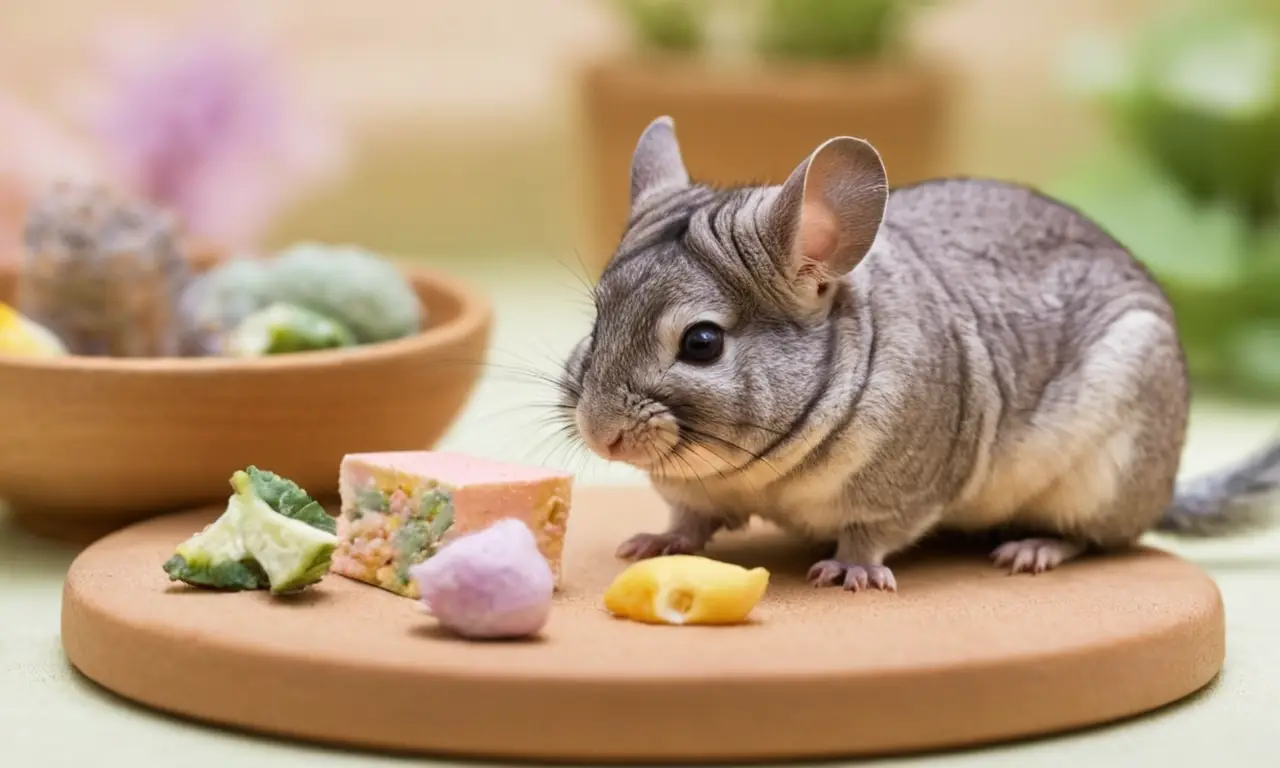
Chinchilla Feeding Guide: Optimal Diet & Health
Understanding the specific dietary needs of your chinchilla is paramount to their long-term health and well-being. As exotic pets, chinchillas have a highly sensitive digestive system that requires a precise balance of nutrients, fiber, and the right types of food to thrive. This comprehensive guide to chinchilla feeding will delve into the essential components of their diet, recommended food types, what to avoid, and best practices for ensuring your furry friend receives optimal nutrition.
𝙲𝚘𝚗𝚝𝚎𝚗𝚝
- Understanding the Chinchilla Digestive System
- The Cornerstones of a Chinchilla Diet
- Treats: The Occasional Indulgence
- Introducing New Foods and Changes to Diet
- Chinchilla Feeding for Different Life Stages
- Dental Health and Diet
- Common Chinchilla Feeding Mistakes to Avoid
- The Importance of Veterinary Consultation
Understanding the Chinchilla Digestive System
Chinchillas are herbivores originating from the arid, mountainous regions of the Andes in South America. Their digestive system is designed to process a diet high in fiber and low in moisture, which is crucial for their survival in their natural habitat. This means their digestive tract is long and complex, with a cecum that plays a vital role in fermenting fiber. Unlike many other small mammals, chinchillas do not have the ability to vomit, making dietary indiscretions particularly dangerous. Their gut flora is delicate and can be easily disrupted by sudden changes in diet or inappropriate foods, leading to serious gastrointestinal issues like bloat or diarrhea. Therefore, consistency and careful selection of chinchilla feeding components are non-negotiable.
The Cornerstones of a Chinchilla Diet
A healthy chinchilla feeding plan is built upon three fundamental pillars: hay, pellets, and fresh water.
Hay: The Indispensable Staple
Hay is the single most important element of a chinchilla's diet, providing the essential fiber they need for proper digestion and dental health. Chinchillas' teeth grow continuously throughout their lives, and chewing on fibrous hay helps to wear them down, preventing painful overgrowth.
-
Types of Hay:
- Timothy Hay: This is the gold standard for adult chinchillas. It's low in protein and calcium, and high in fiber, making it ideal for daily consumption. You should offer unlimited access to high-quality Timothy hay at all times.
- Orchard Grass Hay: Another good option, Orchard grass is palatable and offers a similar nutritional profile to Timothy hay. It can be used as an alternative or mixed with Timothy hay.
- Meadow Hay: Similar to Orchard grass, Meadow hay is also a suitable choice for daily feeding.
- Alfalfa Hay: While rich in calcium and protein, Alfalfa hay should be offered only in moderation or to young, growing chinchillas, pregnant females, or nursing mothers. Excessive calcium can contribute to bladder stones, a common health problem in chinchillas.
-
Quality Matters: Always select fresh, clean, and dust-free hay. It should smell sweet and have a green color. Avoid hay that is brown, moldy, or has a musty odor, as these can be detrimental to your chinchilla's health. Store hay in a cool, dry place to maintain its freshness.
Chiweenie: The Adorable Chihuahua & Dachshund Mix
Pellets: The Concentrated Nutrient Source
High-quality chinchilla-specific pellets provide a concentrated source of vitamins, minerals, and protein that may not be adequately met by hay alone. However, it's crucial to select the right type of pellets and feed them in the correct amounts.
-
What to Look for in Pellets:
- Chinchilla-Specific Formula: Do not feed pellets designed for other small animals like rabbits or hamsters. These will not provide the correct nutritional balance.
- High Fiber Content: Aim for pellets with at least 18-20% crude fiber.
- Low Protein: Adult chinchillas generally require around 16-20% protein. Young chinchillas may need slightly more.
- Low Fat: Choose pellets with a fat content of no more than 5%.
- No Added Fruits or Vegetables: These can lead to digestive upset and are unnecessary in a chinchilla's diet. Pellets should be plain and free of artificial colors or flavors.
-
Feeding Amount: The quantity of pellets you feed your chinchilla will depend on their age and activity level. A general guideline for adult chinchillas is about 1-2 tablespoons of plain, high-quality chinchilla pellets per day. Overfeeding pellets can lead to weight gain and a reduced intake of essential hay. Always consult with a veterinarian specializing in exotic pets for personalized recommendations.
Fresh Water: Essential for Hydration
Clean, fresh water must be available to your chinchilla at all times. Dehydration can quickly become a serious issue.
- Water Bottles: Water bottles with sipper tubes are the most hygienic option as they prevent contamination from bedding or food. Ensure the sipper tube is functioning correctly and that your chinchilla knows how to use it. Check the water level daily and refill as needed.
- Cleaning: Wash the water bottle and nozzle regularly (at least weekly) with hot, soapy water to prevent bacterial growth.
Treats: The Occasional Indulgence
Treats should be given sparingly and in very small quantities. They should never constitute a significant portion of your chinchilla's diet.
-
Safe Treat Options:
Chlorhexidine for Cats: Uses, Side Effects & Contraindications- Dried Rose Hips: A favorite among chinchillas, rich in Vitamin C. Offer one or two a week.
- Unsweetened Dried Apple Slices: Offer a small slice (about the size of a dime) a few times a week. Ensure they are completely dried and free of any added sugars or preservatives.
- Small Amounts of Safe Herbs: Dried dandelion leaves, parsley, or mint can be offered as occasional treats. Ensure they are pesticide-free.
- Chinchilla-Specific Treats: If you opt for commercially available chinchilla treats, choose those that are simple and contain minimal added sugar or other unhealthy ingredients.
-
What to Avoid:
- Fresh Fruits and Vegetables: These are too high in moisture and sugar for a chinchilla's sensitive digestive system. Even small amounts can cause severe diarrhea.
- Seeds and Nuts: These are high in fat and can lead to obesity and digestive problems.
- Sugary Foods: Cereals, cookies, and other human snacks are extremely harmful.
- Dairy Products: Chinchillas are lactose intolerant.
- Anything with Added Sugar or Preservatives: This applies to both fresh and dried items.
Introducing New Foods and Changes to Diet
Chinchillas have very sensitive digestive systems, and sudden changes in their diet can lead to serious health issues. When introducing any new food, including a new brand of pellets or a new type of hay, do so gradually.
-
Gradual Introduction:
- Start by offering a very small amount of the new food alongside their current food.
- Over a period of 7-10 days, slowly increase the proportion of the new food while decreasing the old.
- Monitor your chinchilla closely for any signs of digestive upset, such as changes in stool consistency or appetite.
-
Monitoring Stool: Regular observation of your chinchilla's droppings is a key indicator of their digestive health. Healthy chinchilla droppings are small, firm, and raisin-shaped. Any changes, such as mushy stools, diarrhea, or a lack of droppings, warrant immediate attention.
Chinchilla Feeding for Different Life Stages
The dietary needs of a chinchilla can vary throughout their life.
- Kits (Young Chinchillas): Young chinchillas are typically weaned between 6-8 weeks of age. They should have access to a good quality alfalfa-based pellet (higher in protein and calcium) along with unlimited Timothy hay and fresh water. As they approach adulthood (around 6-8 months), you can gradually transition them to an adult chinchilla pellet formula.
- Adult Chinchillas: The primary diet for adult chinchillas consists of unlimited Timothy hay, 1-2 tablespoons of high-fiber, low-fat chinchilla pellets daily, and constant access to fresh water. Treats should be very limited.
- Pregnant and Nursing Chinchillas: These chinchillas have increased nutritional demands. They may benefit from a higher protein pellet and a small amount of alfalfa hay can be introduced. Consult your veterinarian for specific recommendations regarding their diet during this critical period.
- Senior Chinchillas: As chinchillas age, their metabolism may slow down, and they might experience dental issues. While their core diet of hay and pellets should remain, you may need to monitor their weight closely. Some older chinchillas might benefit from slightly softer pellets or a very small amount of a high-energy supplement if recommended by a vet.
Dental Health and Diet
As mentioned, chinchillas' teeth grow continuously. A proper diet rich in fiber is essential for wearing down their teeth naturally.
Cholestasis in Dogs: Symptoms, Causes & Effective Treatment- Hay's Role: The constant chewing action on fibrous hay helps to file down their molars and incisors.
- Consequences of Poor Dental Health: If teeth overgrow, it can lead to pain, difficulty eating, weight loss, and even more serious infections. Signs of dental problems include drooling, reluctance to eat, dropping food from the mouth, and changes in appetite. Regular veterinary check-ups are crucial for monitoring dental health.
Common Chinchilla Feeding Mistakes to Avoid
- Overfeeding Pellets: This is a very common mistake that can lead to obesity and reduced hay consumption.
- Feeding Inappropriate Treats: Fresh fruits, vegetables, seeds, and nuts are harmful and should be avoided entirely.
- Sudden Diet Changes: Always transition foods gradually to prevent digestive upset.
- Using Low-Quality Hay or Pellets: Always opt for the highest quality products available for your chinchilla.
- Not Providing Enough Hay: Hay should be available at all times.
- Using Water Bowls: Water bowls can easily become contaminated.
The Importance of Veterinary Consultation
This guide provides general recommendations for chinchilla feeding, but it is essential to consult with a veterinarian who specializes in exotic pets. They can assess your individual chinchilla's health, age, and any specific needs they may have. Regular veterinary check-ups are crucial for early detection of any health issues related to diet or otherwise.
By adhering to these guidelines for chinchilla feeding, you can significantly contribute to your chinchilla's longevity, vitality, and overall happiness. A well-balanced diet is the foundation of a healthy and thriving chinchilla, ensuring they can continue to be a beloved companion for years to come.
Cat Urinary Crystals: Types, Symptoms & Treatment Guide
Cat Weight: How Do I Know If My Cat Is Fat?

Encephalitis in Dogs: Symptoms, Causes & Treatment
Dog Cavities: Causes, Symptoms, and Treatment Options
Natural Flea Relief: Home Remedies for Fleas in Cats

Newborn Puppy Feeding Guide: From Birth to Weaning
Related posts