
Coccidiosis in Rabbits: Symptoms, Treatment & Prevention
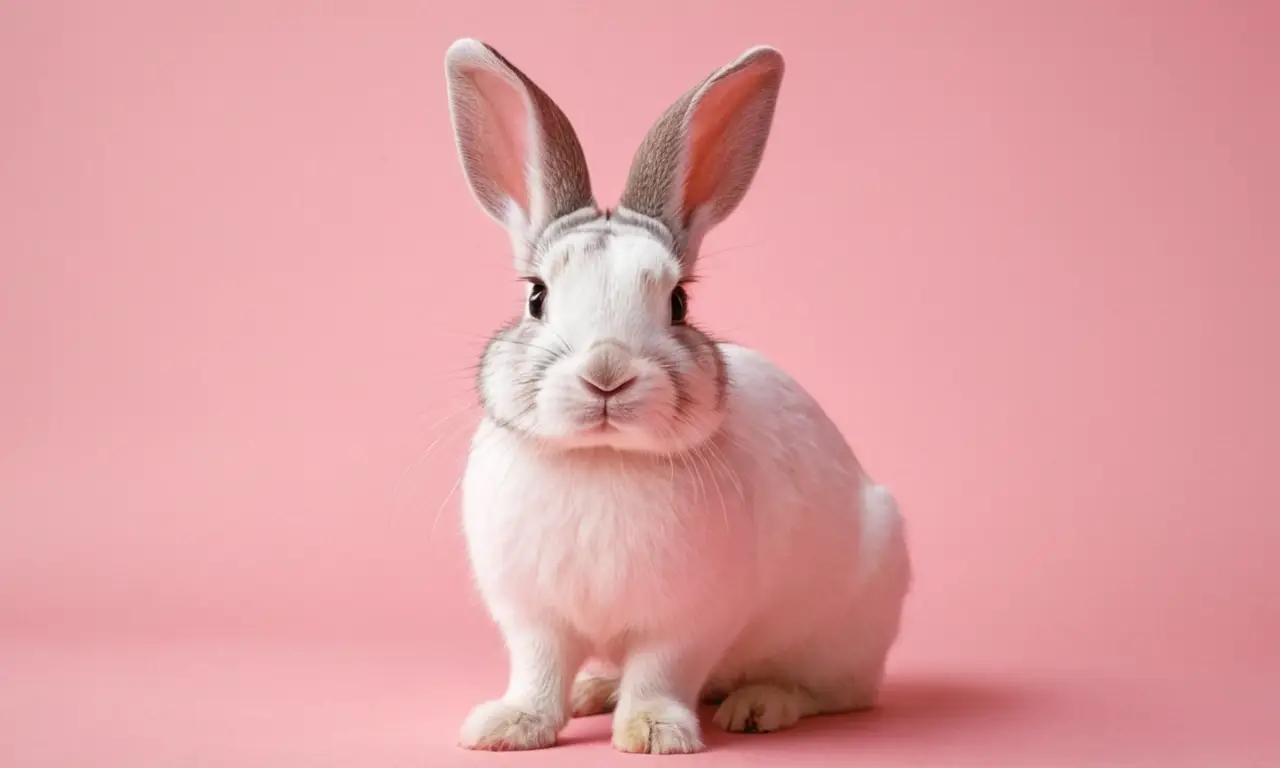
Coccidiosis in Rabbits: Symptoms, Treatment & Prevention
Coccidiosis is a common and potentially severe intestinal disease in rabbits caused by microscopic parasites called coccidia. This article will delve into the various aspects of Coccidiosis in rabbits - Symptoms and treatment, covering its causes, characteristic symptoms, diagnostic methods, effective treatment strategies, and crucial preventative measures to ensure the well-being of your furry companions. Understanding this ailment is vital for all rabbit owners, from pet enthusiasts to breeders, as prompt recognition and management can significantly improve outcomes and save lives.
𝙲𝚘𝚗𝚝𝚎𝚗𝚝
Understanding Coccidiosis in Rabbits
Coccidiosis is a parasitic infection of the digestive tract. The coccidia are single-celled protozoa that live and reproduce in the intestines of rabbits. There are several species of coccidia that can infect rabbits, but the most problematic ones are Eimeria stiedai (which affects the liver) and various Eimeria species that target the intestinal lining. Rabbits typically become infected by ingesting oocysts (infective eggs) of the parasite from contaminated feces, food, water, or bedding. Young rabbits, especially those under six months old, are most susceptible due to their developing immune systems. However, adult rabbits can also contract the disease, particularly if stressed or immunocompromised.
The Life Cycle of Coccidia
Understanding the life cycle of coccidia is fundamental to comprehending how the infection spreads and how treatment works. The life cycle generally involves the ingestion of oocysts by a susceptible host. Inside the host's intestine, the oocyst releases sporozoites, which then penetrate the intestinal cells. These sporozoites develop through various stages, multiplying within the cells and damaging the intestinal lining. Eventually, new oocysts are formed, which are then shed in the feces, continuing the cycle. The sporulation process, where the oocyst becomes infective, can occur outside the host in the environment. Factors like humidity and temperature can influence the rate of sporulation. This understanding is critical for effective sanitation and disinfection protocols.
Transmission Routes
Rabbits can contract coccidiosis through several routes:
- Fecal-Oral Route: This is the most common mode of transmission. Ingestion of oocysts present in the feces of infected rabbits, either directly or indirectly through contaminated surfaces, food, or water.
- Contaminated Environment: Oocysts can survive for extended periods in the environment, especially in damp and unhygienic conditions. Hutches, cages, feeding bowls, and water bottles can all become sources of infection if not properly cleaned and disinfected.
- Maternal Transmission: Infected does can pass oocysts to their kits through grooming or via contaminated milk and nesting materials.
- Stress: While not a direct transmission route, stress can weaken a rabbit's immune system, making them more vulnerable to developing clinical signs of coccidiosis even if they have a low level of infection. Overcrowding, sudden changes in diet, transportation, and extreme temperatures can all be stressors.
Symptoms of Coccidiosis in Rabbits
The symptoms of coccidiosis can vary depending on the severity of the infection, the specific species of coccidia involved, and the age and overall health of the rabbit. Some rabbits may be asymptomatic carriers, shedding oocysts without showing outward signs of illness. However, in more severe cases, the symptoms can be quite alarming.
Intestinal Coccidiosis Symptoms
Intestinal coccidiosis is characterized by damage to the lining of the small or large intestine. The most common signs include:
- Diarrhea: This is a hallmark symptom. The diarrhea can range from soft stools to watery and even bloody stools. In severe cases, the rabbit may appear bloated and have a distended abdomen due to gas buildup.
- Poor Appetite and Weight Loss: Infected rabbits often lose their appetite, leading to significant weight loss. They may appear lethargic and less active.
- Rough Coat and Unkempt Appearance: The fur may become dull, rough, and unkempt as the rabbit neglects grooming due to illness.
- Lethargy and Depression: Affected rabbits will be noticeably less energetic, spending most of their time huddled in a corner, often with their eyes half-closed.
- Dehydration: Severe diarrhea can lead to rapid dehydration, which can be life-threatening. Signs of dehydration include sunken eyes, dry gums, and loss of skin elasticity.
- Abdominal Pain and Bloating: Rabbits may show signs of discomfort, such as hunched posture, grinding teeth (bruxism), or reluctance to move. Their abdomen may feel firm and bloated.
- Vomiting (less common): While rabbits are not known to vomit frequently, severe intestinal upset can sometimes lead to this symptom.
Hepatic Coccidiosis Symptoms (caused by Eimeria stiedai)
Hepatic coccidiosis affects the liver and bile ducts and can be more insidious. Symptoms may include:
Coconut Oil For Dogs: Amazing Benefits & Uses- Jaundice: Yellowing of the skin, whites of the eyes, and mucous membranes.
- Enlarged Abdomen: Due to liver enlargement or ascites (fluid accumulation in the abdomen).
- Weight Loss and Poor Growth: Even without obvious intestinal signs, the liver damage can impair nutrient absorption.
- Lethargy and Weakness: Similar to intestinal coccidiosis, but often more pronounced due to systemic illness.
- Reduced Feed Intake: The rabbit may eat less due to feeling unwell or experiencing abdominal discomfort.
It's important to note that not all rabbits with coccidia will show all these symptoms. The presence of even a few of these signs, especially diarrhea and lethargy in a young rabbit, should warrant immediate veterinary attention.
Diagnosis of Coccidiosis
Diagnosing coccidiosis accurately is crucial for effective treatment. A veterinarian will typically perform a combination of diagnostic tests.
Veterinary Examination
The first step is a thorough physical examination by a veterinarian experienced with rabbits. They will assess the rabbit's general condition, check for signs of dehydration, palpate the abdomen for abnormalities, and inquire about the rabbit's diet, housing, and behavior.
Fecal Flotation Test
This is the most common and reliable diagnostic method. A small sample of the rabbit's feces is collected and mixed with a solution that causes the coccidial oocysts to float to the surface. These oocysts are then identified under a microscope. The veterinarian will count the number of oocysts per gram of feces (OPG) to assess the severity of the infection. It's important to remember that a negative fecal test doesn't always rule out coccidiosis, as the oocysts are not always shed continuously. Multiple fecal samples taken over a few days might be necessary in some cases.
Other Diagnostic Tests
In more complex or severe cases, other tests might be recommended:
- Blood Work: To assess overall health, liver function, and hydration levels.
- Imaging (X-rays or Ultrasound): To evaluate the abdomen for organ enlargement, fluid accumulation, or other abnormalities, particularly in suspected hepatic coccidiosis.
Treatment of Coccidiosis
The treatment of coccidiosis in rabbits requires prompt and appropriate intervention. The primary goal is to eliminate the coccidia and support the rabbit's recovery.
Medications
-
Antiprotozoal Drugs: These are the cornerstone of treatment. Several medications are effective against coccidia in rabbits. The most commonly prescribed are sulfonamides, such as:
Cod Liver Oil For Dogs: Dosage & Properties Explained- Sulfaquinoxaline: often administered in the drinking water or as a medicated feed.
- Sulfadimethoxine: also available in oral forms.
- Trimethoprim-sulfa: a combination antibiotic with antiprotozoal activity.
The duration of treatment typically ranges from 7 to 14 days, or sometimes longer, depending on the severity of the infection and the rabbit's response. It is crucial to follow the veterinarian's dosage instructions precisely.
-
Baycox (Toltrazuril): This medication is highly effective and gaining popularity for treating coccidiosis in rabbits. It is often administered orally and is known for its rapid action.
Supportive Care
Supportive care is vital for a rabbit recovering from coccidiosis. This includes:
- Fluid Therapy: For dehydrated rabbits, subcutaneous or intravenous fluids may be necessary to rehydrate them.
- Nutritional Support: Encouraging appetite is essential. If the rabbit is not eating, force-feeding a high-fiber, nutrient-rich formula (like Critical Care) with a syringe can be life-saving. This should be done gently and in small amounts.
- Probiotics: Administering probiotics can help restore the balance of beneficial bacteria in the gut, which is often disrupted by coccidiosis and antibiotic treatment.
- Pain Management: If the rabbit shows signs of abdominal pain or discomfort, the veterinarian may prescribe pain relievers.
- Dietary Adjustments: While the rabbit is recovering, a bland, easily digestible diet might be recommended. High-fiber foods like Timothy hay should always be readily available.
Importance of Veterinary Consultation
It cannot be stressed enough that Coccidiosis in rabbits - Symptoms and treatment should always be managed under the guidance of a veterinarian. Self-treating can be dangerous, as incorrect dosages or inappropriate medications can be ineffective or even harmful. A veterinarian can accurately diagnose the condition, prescribe the correct medication, and provide tailored supportive care based on the individual rabbit's needs.
Prevention of Coccidiosis
Preventing coccidiosis is far more effective and humane than treating it. A proactive approach to hygiene and management can significantly reduce the risk of infection in rabbits.
Strict Hygiene and Sanitation
- Daily Cleaning: Regularly remove soiled bedding and feces from cages and hutches. This is the single most important preventative measure.
- Weekly Deep Cleaning and Disinfection: Thoroughly clean and disinfect all housing, feeding bowls, and water bottles at least once a week. Use a disinfectant that is effective against oocysts, such as a dilute bleach solution (1:10) or a commercial disinfectant approved for use with rabbits. Rinse thoroughly and allow to air dry completely before returning the rabbit.
- Separate Cages for Young and Adult Rabbits: Keep young, susceptible rabbits separate from adult rabbits, who may be carriers.
- Quarantine New Rabbits: Always quarantine new rabbits for at least 30 days before introducing them to your existing rabbit population. During this period, monitor them closely for any signs of illness and perform fecal tests.
Proper Feeding and Watering Practices
- Elevated Feeders and Waterers: Use feeders and waterers that keep food and water off the cage floor, reducing the risk of contamination with feces and urine.
- Clean Water: Provide fresh, clean water at all times. Change water daily.
- High-Quality Feed: Feed a balanced diet of high-quality rabbit pellets, fresh hay, and a limited amount of fresh vegetables. Avoid overfeeding high-carbohydrate treats, which can disrupt the gut flora.
Avoiding Overcrowding and Stress
- Adequate Space: Ensure rabbits have enough space in their housing to move around comfortably. Overcrowding can lead to increased stress and easier transmission of parasites.
- Minimize Stressors: Try to minimize sudden changes in environment, diet, or routine, as these can weaken the immune system.
Prophylactic Treatment (Under Veterinary Guidance)
In situations where coccidiosis is a recurring problem, such as in large breeding facilities, a veterinarian may recommend a prophylactic treatment plan for young rabbits. This might involve administering a coccidiostat medication for a short period during their most susceptible age. However, this should only be done under strict veterinary supervision to avoid the development of drug resistance.
Common Misconceptions about Coccidiosis
- "All rabbits have coccidia, so it's not a big deal." While many rabbits may harbor a low level of coccidia without showing symptoms, a significant parasitic load or certain species can cause severe illness and death, especially in young or stressed animals.
- "Diarrhea in rabbits is always coccidiosis." Diarrhea in rabbits can have multiple causes, including bacterial infections, dietary indiscretion, stress, or other parasites. A proper diagnosis is essential.
- "Just give them some rabbit-safe medication you bought online." This can be dangerous. Incorrect dosages, improper medication, or delaying veterinary care can have severe consequences. Always consult a veterinarian.
In summary
Coccidiosis is a prevalent and potentially dangerous parasitic infection that affects rabbits. Recognizing the diverse Coccidiosis in rabbits - Symptoms and treatment is crucial for timely intervention. By understanding the transmission routes, symptoms, and diagnostic methods, rabbit owners can work effectively with their veterinarians to manage and treat this disease. Furthermore, implementing stringent hygiene practices, providing proper nutrition, and minimizing stress are paramount in preventing coccidiosis from taking hold. A proactive and informed approach to rabbit care, centered on preventative measures and prompt veterinary attention, is the best way to ensure the health and longevity of your beloved rabbits. Early detection and appropriate treatment can significantly improve the prognosis and allow affected rabbits to make a full recovery, returning to their playful and inquisitive selves.
Puppy & Adult Dog Coexistence: A Guide for Harmony
Cat Urinary Crystals: Types, Symptoms & Treatment Guide

Cat Weight: How Do I Know If My Cat Is Fat?

Encephalitis in Dogs: Symptoms, Causes & Treatment

Dog Cavities: Causes, Symptoms, and Treatment Options
Natural Flea Relief: Home Remedies for Fleas in Cats

Newborn Puppy Feeding Guide: From Birth to Weaning
Related posts