
Yorkshire Terrier Grooming: A Comprehensive Guide
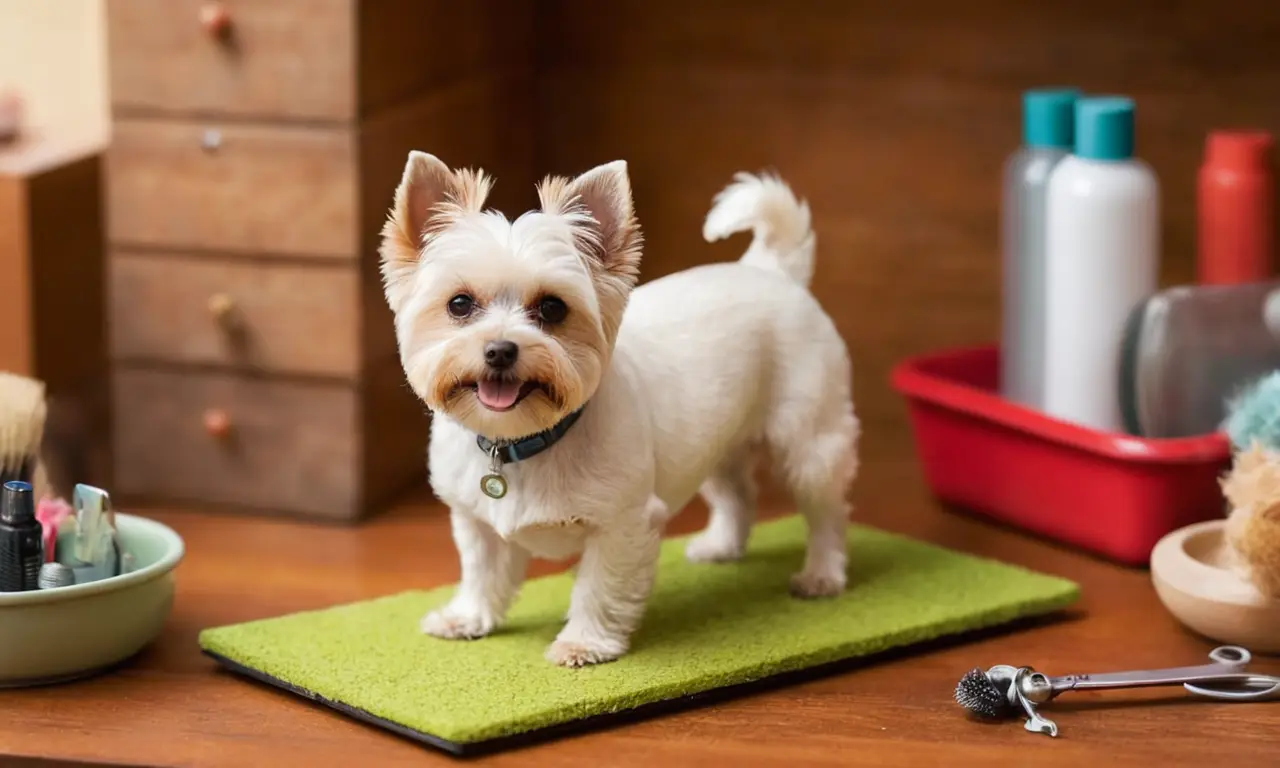
Mastering the Art of Yorkshire Terrier Grooming
Grooming a Yorkshire Terrier is more than just maintaining a pristine appearance; it's a crucial aspect of their overall health and well-being. Their luxurious, silky coat, while beautiful, requires consistent and dedicated care to prevent matting, skin issues, and discomfort. This comprehensive guide will delve into every facet of grooming your Yorkie, from daily brushing to professional styling, ensuring your beloved companion remains healthy, happy, and impeccably presented. We'll cover everything you need to know to confidently cut the hair of a Yorkshire Terrier, whether you're a seasoned groomer or a new owner embarking on this rewarding journey.
𝙲𝚘𝚗𝚝𝚎𝚗𝚝
- Understanding the Yorkshire Terrier Coat
- Essential Grooming Tools for Your Yorkie
- The Daily Grooming Ritual: Brushing is Key
- Bath Time: A Thorough Cleansing
- The Art of the Trim: When and How to Cut the Hair of a Yorkshire Terrier
- Addressing Specific Grooming Needs
- When to Seek Professional Grooming Help
- In summary
Understanding the Yorkshire Terrier Coat
The Yorkshire Terrier boasts a unique coat type. Unlike many breeds with fur, Yorkies have hair that grows continuously, much like human hair. This means their coat lacks an undercoat, which is why it can be prone to tangling and breakage if not properly maintained. The texture is typically fine, straight, and silky, ranging in color from deep steel blue to tan on the head and chest. Understanding this coat characteristic is the first step towards effective grooming. Their delicate hair can easily become damaged, so gentle handling and the right tools are paramount.
Essential Grooming Tools for Your Yorkie
Having the right arsenal of grooming tools is non-negotiable for successful Yorkie grooming. Investing in quality equipment will not only make the process easier but also more comfortable for your dog.
Here's a breakdown of the must-have items:
- Slicker Brush: This is your primary tool for detangling and removing loose hair. Look for one with fine, short pins to effectively penetrate the dense coat without causing irritation.
- Metal Comb (Fine and Wide-toothed): A fine-toothed comb is essential for checking for tangles after brushing and for meticulously working through the hair. A wider-toothed comb is useful for initial detangling and for dogs with slightly less dense coats.
- Pin Brush: A pin brush with rounded tips can be used for fluffing and finishing the coat, giving it that characteristic silky sheen.
- Mat Splitter/Detangler: For stubborn mats, a mat splitter can be a lifesaver. Use it cautiously and with patience to avoid cutting into the dog's skin.
- Grooming Scissors (Straight and Curved): You'll need sharp, high-quality grooming scissors. Straight scissors are for general trimming, while curved scissors are excellent for shaping around the face, ears, and paws.
- Thinning Shears: These are useful for blending and softening harsh lines, especially around areas like the ears and tail.
- Nail Clippers: Regular nail trims are vital for your Yorkie's comfort and posture. Choose clippers designed for small dogs.
- Styptic Powder: Accidents happen, and styptic powder is essential to quickly stop bleeding if you accidentally cut a nail too short.
- Dog Shampoo and Conditioner: Use a high-quality, gentle shampoo and a moisturizing conditioner specifically formulated for long-haired breeds. Oatmeal-based products can be soothing for sensitive skin.
- Ear Cleaner: Yorkies are prone to ear infections, so regular cleaning is crucial.
- Eye Wipes/Tear Stain Remover: The characteristic tan markings on a Yorkie's face can develop tear stains, which require specific cleaning products.
- Dog Toothbrush and Toothpaste: Dental hygiene is as important for dogs as it is for humans.
The Daily Grooming Ritual: Brushing is Key
Consistency is the cornerstone of keeping a Yorkshire Terrier's coat in top condition. Daily brushing is not optional; it's a necessity.
Cuterebra in Cats: Symptoms, Treatment & Prevention- Start Gently: Begin by gently running a wide-toothed comb through your dog's coat to remove any loose debris or minor tangles.
- Brush Section by Section: Divide the coat into manageable sections. Work from the tips of the hair down to the skin, paying close attention to areas prone to matting, such as behind the ears, under the legs (armpits), and around the tail.
- Slicker Brush for Detangling: Once you've gone over with the comb, use your slicker brush to work through the coat. Brush in the direction of hair growth.
- Comb Through Again: After using the slicker brush, go over each section with a fine-toothed comb to ensure all tangles are removed. If you encounter a tangle, do not force it. Instead, gently try to tease it apart with your fingers or a mat splitter.
- Protect the Skin: Always brush down to the skin to prevent mats from forming close to the body, which can be painful and difficult to remove.
- Consider Hair Wraps: For Yorkies with very long show coats, owners often use paper or silk wraps to protect the hair from friction and tangles, especially during sleep. This is a more advanced technique but very effective for maintaining extreme length.
Bath Time: A Thorough Cleansing
While daily brushing is essential, regular baths are also part of the grooming routine. The frequency of baths will depend on your dog's lifestyle and skin condition, but generally, once every 2-4 weeks is a good starting point.
- Pre-Bath Brush: Before bathing, thoroughly brush your Yorkie to remove any knots or tangles. Water will only tighten mats, making them impossible to remove.
- Use Lukewarm Water: Ensure the water temperature is comfortably lukewarm.
- Saturate the Coat: Wet your dog’s coat thoroughly, working the water down to the skin.
- Apply Shampoo: Apply a good quality dog shampoo, working it into a lather from neck to tail. Be gentle around the face and ears.
- Rinse Thoroughly: This is a critical step. Incomplete rinsing can lead to skin irritation and dullness. Rinse until the water runs clear and there are no suds left.
- Apply Conditioner: Follow with a moisturizing conditioner. Leave it on for a few minutes as per the product instructions to allow it to work its magic.
- Rinse Again: Rinse the conditioner out completely, just as you did with the shampoo.
- Towel Dry: Gently squeeze excess water from the coat with your hands. Then, use absorbent towels to pat and blot the fur dry. Avoid vigorous rubbing, which can cause tangles.
- Blow Dry: A dog-specific blow dryer on a cool or warm setting (never hot) can be used to finish drying. Brush the hair as you dry to keep it smooth and prevent tangles.
The Art of the Trim: When and How to Cut the Hair of a Yorkshire Terrier
Deciding when and how to cut the hair of a Yorkshire Terrier depends on your goals. Are you aiming for a show-ring standard, a practical shorter cut, or something in between?
The "Puppy Cut" or Practical Shorter Style
Many owners opt for a shorter, more manageable cut for their Yorkies, often referred to as a "puppy cut" or simply a practical trim. This style significantly reduces grooming time and the likelihood of severe matting.
How to Achieve a Shorter Cut:
- Start with a Thorough Brush and Comb: As always, ensure the coat is completely tangle-free before any cutting.
- Use Clippers for Body Length: For the body, you can use clippers with a comb attachment. Start with a longer guard (e.g., 1/2 inch or 1 inch) and gradually work down if you desire a shorter length. Always clip in the direction of hair growth. Be extra cautious around bony areas and the hindquarters.
- Scissor Trimming for Details:
- Face: Use blunt-nosed or curved scissors to trim the hair around the eyes, ensuring it doesn't obstruct vision. Trim the hair on the muzzle and chin to keep it neat.
- Ears: Trim any stray hairs growing on the outside of the ear flap for a clean look. You can also carefully trim the hair inside the ear canal to prevent it from trapping debris, but this is best left to experienced groomers or veterinarians.
- Paws: Trim the hair between the paw pads to prevent slipping and to keep the feet clean. Use small, curved scissors to round out the hair on top of the paws for a tidy appearance.
- Tail: Trim the tail to your desired length, ensuring it tapers slightly.
- Blending with Thinning Shears: Use thinning shears to blend any harsh lines between clipped and unclipped areas, especially around the neck and where the legs meet the body.
Show Coat Grooming: The Ultimate Challenge
Maintaining a long, flowing show coat is a demanding but rewarding endeavor. This requires daily, meticulous brushing, specialized products, and often professional grooming assistance. The goal is to keep the hair as long as possible, free of tangles, and healthy. If you're aiming for the show ring, you'll need to invest significant time and effort. This often involves hair wraps, specific oils, and a very gentle approach.
Cystic Endometrial Hyperplasia in Dogs: Causes & TreatmentAddressing Specific Grooming Needs
Ear Care
Yorkshire Terriers are prone to ear infections due to the hair that grows inside their ear canals, which can trap moisture and debris.
- Regular Inspection: Check your dog's ears weekly for redness, discharge, or an unpleasant odor.
- Cleaning: Use a veterinarian-approved ear cleaner. Apply a few drops into the ear canal, gently massage the base of the ear, and then allow your dog to shake their head. Use a cotton ball or pad to wipe away any excess cleaner and debris from the outer ear. Never use cotton swabs inside the ear canal, as this can push debris further in and potentially damage the eardrum.
- Plucking Ear Hair (Optional/Professional): Some groomers and owners will carefully pluck the excess hair from inside the ear canal. This should be done very gently and sparingly, or ideally, by a professional to avoid causing pain or damage.
Eye Care and Tear Stains
Tear staining is a common cosmetic issue for Yorkies. These reddish-brown stains often appear under the eyes.
- Gentle Wiping: Daily cleaning of the eye area with a damp cloth or specialized eye wipes can help prevent buildup.
- Tear Stain Removers: There are various commercial tear stain removers available. Follow the product instructions carefully.
- Dietary Considerations: Sometimes, tear staining can be related to diet or allergies. Consult your veterinarian if the staining is severe or persistent.
- Trimming Around the Eyes: Keeping the hair around the eyes trimmed short is crucial to prevent irritation and staining.
Nail Trimming
Long nails can cause pain, affect your dog's gait, and even lead to joint problems.
- Frequency: Aim to trim your Yorkie's nails every 2-4 weeks.
- Tools: Use sharp, guillotine-style or scissor-style nail clippers designed for small dogs.
- The Quick: Identify the "quick" – the pink part of the nail that contains blood vessels and nerves. Avoid cutting into the quick, as it will bleed and cause pain. If your dog has black nails, it can be harder to see the quick. Trim small amounts at a time.
- If You Cut the Quick: Apply styptic powder immediately to stop the bleeding.
- Positive Reinforcement: Make nail trimming a positive experience by offering treats and praise.
Dental Hygiene
Oral hygiene is critical for preventing dental disease.
- Regular Brushing: Aim to brush your Yorkie's teeth daily with a dog-specific toothbrush and toothpaste.
- Dental Chews: Supplement brushing with dental chews or treats designed to reduce plaque and tartar buildup.
- Professional Cleanings: Your veterinarian may recommend professional dental cleanings as needed.
When to Seek Professional Grooming Help
While many owners enjoy the bonding experience of grooming their Yorkie at home, there are times when professional help is invaluable.
Dachshund Dog Breed: Your Guide to the Dachshund- Severe Matting: If your dog has extensive or severe mats, a professional groomer has the tools and expertise to remove them safely and efficiently.
- Show Grooming: Achieving the desired look for the show ring often requires the skills of an experienced show groomer.
- Difficult Temperaments: If your dog is anxious, fearful, or aggressive during grooming, a professional groomer can often manage them better and provide a safer experience.
- Complex Styling: For specific cuts or styles, a professional can ensure a polished and precise finish.
- New Owners: If you're new to grooming a long-haired breed, a few sessions with a professional can teach you valuable techniques.
In summary
Grooming a Yorkshire Terrier is an ongoing commitment that yields significant rewards in terms of your dog's health and your shared bond. From the daily ritual of brushing to the more involved task of learning to cut the hair of a Yorkshire Terrier, each step contributes to a happy and healthy companion. By equipping yourself with the right tools, understanding your dog's coat needs, and being patient and consistent, you can ensure your Yorkie looks and feels their best. Remember to always prioritize your dog's comfort and safety, and don't hesitate to seek professional advice when needed. The effort you put into grooming will undoubtedly be reflected in your Yorkie's wagging tail and bright eyes.
Cat Urinary Crystals: Types, Symptoms & Treatment Guide
Cat Weight: How Do I Know If My Cat Is Fat?
Encephalitis in Dogs: Symptoms, Causes & Treatment
Dog Cavities: Causes, Symptoms, and Treatment Options
Natural Flea Relief: Home Remedies for Fleas in Cats

Newborn Puppy Feeding Guide: From Birth to Weaning
Related posts