

Obese Cat Diet: Expert Tips for Healthy Weight Loss
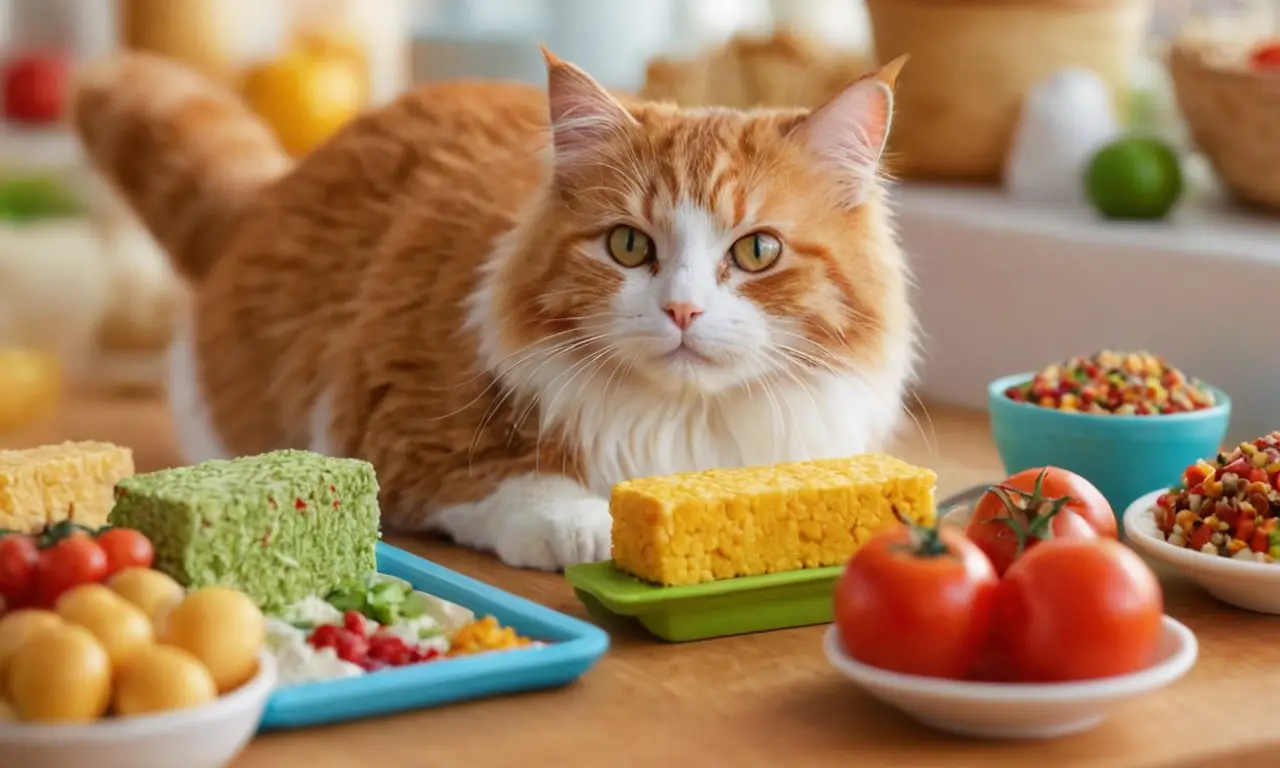
Obese Cat Diet: Expert Tips for Healthy Weight Loss
Obesity in cats is a growing concern among pet owners, leading to a myriad of health problems that can significantly impact their quality of life and lifespan. Implementing a carefully considered Diet for obese cats is not just about shedding a few extra pounds; it's about fostering long-term health, mobility, and happiness for your feline companion. This comprehensive guide will delve into the essential components of a successful weight loss plan for your overweight cat, covering everything from understanding the causes of feline obesity to selecting the right food, implementing feeding strategies, and incorporating exercise. We will explore the crucial role of veterinary consultation, the importance of patience and consistency, and how to manage common challenges encountered during a cat's weight loss journey.
𝙲𝚘𝚗𝚝𝚎𝚗𝚝
- Understanding Feline Obesity: More Than Just a Few Extra Pounds
- The Health Risks Associated with Obesity in Cats
- The Cornerstone of a Diet for Obese Cats: Veterinary Consultation
- Crafting the Diet for Obese Cats: Key Nutritional Principles
- Implementing Feeding Strategies for Success
- The Critical Role of Exercise: Burning Those Extra Calories
- Troubleshooting Common Challenges
- Maintaining a Healthy Weight: The Long-Term Goal
Understanding Feline Obesity: More Than Just a Few Extra Pounds
Before embarking on a weight loss program, it's crucial to understand why cats become overweight in the first place. Unlike humans, cats don't typically overeat due to emotional reasons, though stress can play a role. The primary culprits behind feline obesity are usually a combination of excessive calorie intake and insufficient calorie expenditure.
- Dietary Habits: This is often the most significant factor.
- Overfeeding: Free-feeding dry kibble throughout the day, regardless of the cat's actual caloric needs, can lead to a steady weight gain.
- High-Calorie Treats: While intended as rewards, excessive treats, especially those high in fat and carbohydrates, contribute significantly to calorie surplus.
- Inappropriate Food Choices: Feeding table scraps or highly palatable, calorie-dense commercial foods not specifically formulated for weight management can be detrimental.
- Lack of Physical Activity: Modern indoor cats often lead sedentary lives.
- Indoor Lifestyle: Confined to indoor environments with limited opportunities for hunting or extensive play.
- Age: Older cats may naturally become less active.
- Medical Conditions: Arthritis, pain, or other illnesses can reduce a cat's willingness or ability to move.
- Neutering/Spaying: While essential for health and population control, these procedures can slightly lower a cat's metabolic rate, making them more prone to weight gain if their diet isn't adjusted.
- Genetics: Some breeds may have a predisposition to weight gain.
- Underlying Medical Conditions: Though less common, certain hormonal imbalances or metabolic disorders can contribute to obesity. This underscores the importance of a veterinary check-up.
The Health Risks Associated with Obesity in Cats
The consequences of an overweight cat extend far beyond aesthetics. Obesity significantly compromises a cat's health and well-being, increasing their susceptibility to numerous serious conditions:
- Diabetes Mellitus: Overweight cats, particularly those fed high-carbohydrate diets, are at a much higher risk of developing diabetes. Fat accumulation can lead to insulin resistance.
- Arthritis and Joint Problems: Excess weight puts immense strain on a cat's joints, exacerbating or leading to osteoarthritis and painful mobility issues.
- Heart Disease: Obesity can contribute to high blood pressure and strain the cardiovascular system.
- Respiratory Issues: Excess fat around the chest and abdomen can restrict lung expansion, making breathing difficult, especially during exertion.
- Liver Disease (Hepatic Lipidosis): If an obese cat suddenly stops eating or experiences significant stress leading to a sharp reduction in food intake, their body can mobilize fat too quickly, overwhelming the liver and leading to a life-threatening condition.
- Urinary Tract Infections (UTIs): Obese cats may have difficulty grooming themselves thoroughly, increasing the risk of skin and urinary tract infections.
- Reduced Lifespan: Studies have consistently shown that overweight cats have shorter lifespans than their healthy-weight counterparts.
- Decreased Quality of Life: Difficulty moving, playing, grooming, and general lethargy all contribute to a lower quality of life for the cat.
The Cornerstone of a Diet for Obese Cats: Veterinary Consultation
Before making any drastic changes to your cat's diet, the absolute first step should be a consultation with your veterinarian. They are your most valuable resource in developing a safe and effective weight loss plan.
- Accurate Assessment: Your vet will perform a thorough physical examination, assess your cat's body condition score, and rule out any underlying medical conditions that might be contributing to the weight gain or could be complicated by a diet change.
- Determining Ideal Weight: They will help you determine your cat's target weight based on their breed, age, and frame.
- Calorie Calculation: The vet will calculate the precise daily caloric intake your cat needs for safe and gradual weight loss. This is crucial; too rapid weight loss can be dangerous.
- Dietary Recommendations: They can recommend specific prescription weight-loss diets or advise on appropriate commercial foods and portion sizes.
- Monitoring Progress: Regular weigh-ins and check-ups will be scheduled to monitor your cat's progress and make adjustments as needed.
Crafting the Diet for Obese Cats: Key Nutritional Principles
A successful Diet for obese cats focuses on reducing calorie intake while ensuring adequate nutrition to maintain muscle mass and overall health. This typically involves:
Obese Dog Diet: Vet-Approved Weight Loss Strategies1. Prescription Weight-Loss Diets
These diets are specifically formulated by veterinary nutritionists to meet the unique needs of overweight cats. They generally have:
- Lower Calorie Density: Fewer calories per serving compared to regular cat food.
- High Protein Content: Crucial for maintaining muscle mass during weight loss. Muscle burns more calories than fat, so preserving it is vital.
- Controlled Fat Content: Reduced fat helps lower overall calorie intake.
- Increased Fiber: Fiber promotes satiety, making your cat feel fuller for longer, thus reducing begging and overeating.
- Essential Nutrients: Fortified with vitamins, minerals, and antioxidants to support overall health during the calorie-restricted period.
Your veterinarian will recommend a specific prescription diet based on your cat's individual needs. These diets are often highly palatable to encourage consumption.
2. Portion Control: The Art of Measuring
Accurate portioning is non-negotiable. Guessing or "eyeballing" amounts will undermine your efforts.
- Use a Measuring Cup: Always use a standard measuring cup specifically designed for pet food.
- Weigh the Food: For maximum accuracy, consider using a kitchen scale to weigh out your cat's daily food allowance. This is especially helpful for dry kibble.
- Follow Veterinary Guidance: Adhere strictly to the portion sizes recommended by your veterinarian.
- Divide Meals: Instead of one or two large meals, divide your cat's daily food allowance into 3-4 smaller meals throughout the day. This can help manage hunger and prevent rapid eating, which can lead to digestive upset.
3. Managing Treats: The Hidden Calorie Culprits
Treats can be a significant source of hidden calories. If treats are used, they must be factored into the total daily caloric intake.
- Low-Calorie Options: Opt for veterinarian-approved low-calorie cat treats.
- Portion Treats Carefully: Even low-calorie treats should be given in moderation.
- Use Food as Treats: A few pieces of your cat's regular kibble can serve as a treat and won't add extra calories.
- Non-Food Rewards: Engage in playtime or offer verbal praise as rewards.
- Avoid Table Scraps: Human food is often too high in fat, salt, and spices for cats and should be strictly avoided.
4. Hydration: The Unsung Hero
Adequate water intake is crucial for overall health and can aid in weight management.
DIY Dog Cake Recipes : Delicious & Healthy Homemade Treats- Fresh Water Always Available: Ensure your cat has constant access to clean, fresh water.
- Multiple Water Bowls: Place water bowls in different locations around the house.
- Consider a Cat Water Fountain: Some cats are attracted to the movement of water and may drink more from a fountain.
- Wet Food: Incorporating wet food into your cat's diet can increase their water intake, as wet food has a higher moisture content.
Implementing Feeding Strategies for Success
Beyond the food itself, the way you feed your cat is equally important.
- Scheduled Meal Times: Instead of free-feeding, establish set meal times. This allows you to control portions accurately and prevents continuous grazing.
- Puzzle Feeders and Slow Feeders: These innovative tools dispense food slowly and require your cat to work for their meals, mimicking natural hunting behaviors and slowing down their eating. This can also provide mental stimulation.
- Separate Feeding Areas: If you have multiple pets, feed them in separate areas to prevent any one cat from stealing another's food or being overfed.
- Be Patient with Picky Eaters: Some cats can be resistant to new foods. Gradually introduce the new diet by mixing a small amount with their old food, slowly increasing the proportion of the new food over a week or two.
The Critical Role of Exercise: Burning Those Extra Calories
Diet is paramount, but exercise is the other essential pillar of a successful Diet for obese cats. Increased activity burns calories, builds muscle, and improves overall well-being.
- Interactive Play Sessions: Aim for at least two 10-15 minute play sessions daily. Use toys that mimic prey, such as feather wands, laser pointers (use with caution to avoid frustration), or crinkle balls. Rotate toys to keep things interesting.
- Encourage Natural Hunting Instincts: Hide treats or small portions of their kibble around the house for them to "hunt" and find.
- Vertical Space: Cats love to climb. Provide cat trees, shelves, or perches to encourage vertical movement and exploration.
- Cat-Friendly Toys: Invest in a variety of toys that stimulate their senses and encourage physical activity.
- Leash Training (with caution): Some cats can be trained to walk on a leash and harness, allowing them supervised outdoor exploration. This requires patience and a gradual introduction to the harness.
- Slow and Steady Wins the Race: For very obese or older cats, start with short, gentle play sessions and gradually increase the intensity and duration as their stamina improves. Never force a cat to exercise if they show signs of distress or fatigue.
Troubleshooting Common Challenges
Weight loss journeys are rarely linear. Be prepared for potential hurdles:
- Begging and Meowing: This is common, especially in the initial stages. Stick to the feeding schedule and the prescribed portions. Ignore persistent begging and distract your cat with play or affection.
- Food Stealing: If you have multiple pets, ensure strict separation during mealtimes to prevent food theft.
- Plateauing: Weight loss can sometimes slow down or plateau. This is normal. Re-consult your veterinarian to ensure your calorie intake is still appropriate or if minor adjustments are needed.
- Weight Regain: This is the biggest challenge. It often occurs if the owner reverts to old feeding habits once the cat reaches its target weight. A long-term, sustainable approach is key.
- Resistance to Diet Change: Patience and gradual introduction are key. If your cat absolutely refuses a particular diet, discuss alternatives with your vet.
Maintaining a Healthy Weight: The Long-Term Goal
Once your cat has reached their target weight, the journey isn't over. The goal is to maintain that healthy weight long-term.
- Gradual Transition: Slowly transition your cat to a maintenance diet, which will have slightly more calories than their weight-loss diet but still be a healthy, balanced food.
- Continued Portion Control: Maintain a consistent feeding schedule with accurate portioning.
- Regular Monitoring: Continue to monitor your cat's weight and body condition score. Occasional weigh-ins at home or at the vet can help catch any creeping weight gain early.
- Ongoing Exercise: Maintain regular play and enrichment activities to keep your cat active and prevent muscle loss.
Implementing a successful Diet for obese cats requires commitment, patience, and a strong partnership with your veterinarian. By understanding the nuances of feline nutrition, implementing consistent feeding strategies, and encouraging regular exercise, you can help your beloved feline companion achieve and maintain a healthy weight, leading to a longer, happier, and more vibrant life. Remember, a healthy cat is a happy cat!
Do Dogs Get Bored of Croquettes? Exploring Canine Food Fatigue
Parrot Diet: Best Fruits and Vegetables for Your Bird

Festive Feasts: Top Christmas Recipes for Dogs

Dog Kidney Failure Diet: Homemade Solutions & Care Tips

Choosing the Best Dog Food: A Comprehensive Guide

Cat Hepatitis Diet: Essential Foods for Your Feline Friend

Understanding the Composition of Cat Food for Health
Related posts