

German vs Belgian Shepherd: Key Differences Explained
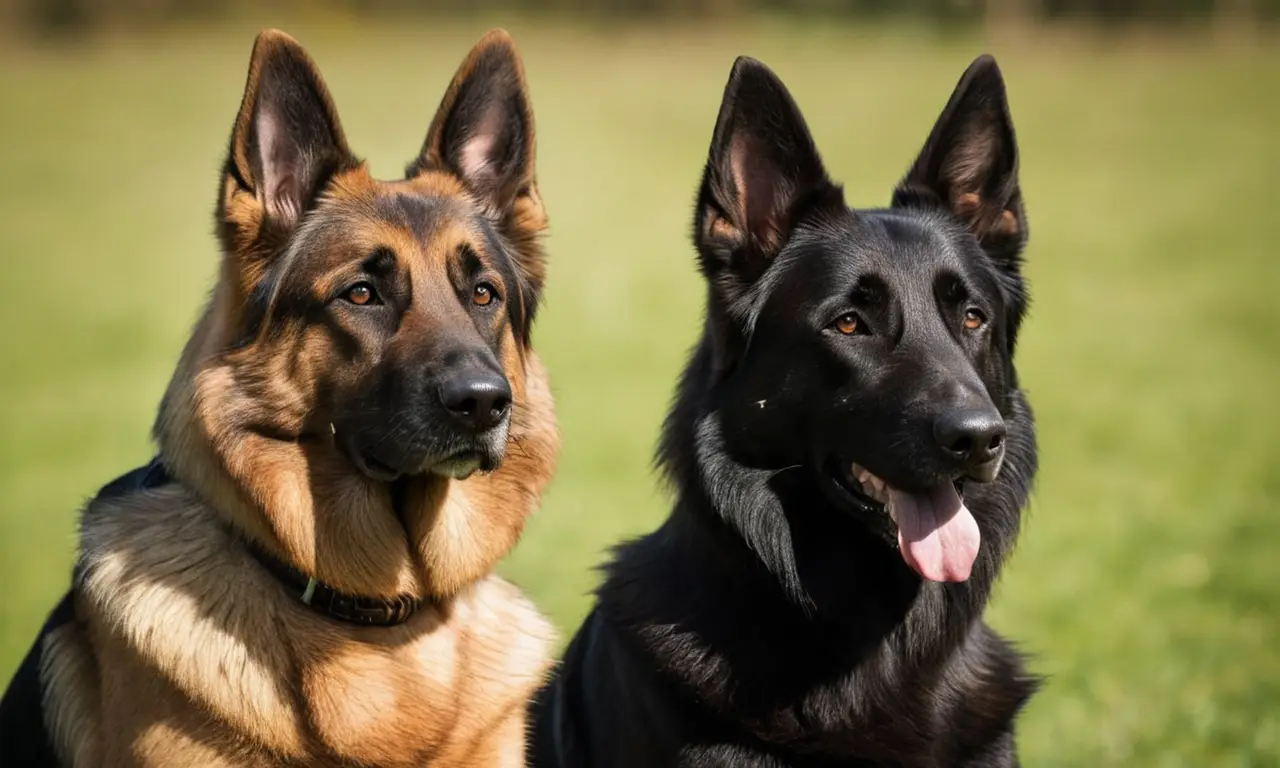
German Shepherd vs. Belgian Shepherd: Unveiling the Distinctions
The German Shepherd and the Belgian Shepherd, while sharing a common ancestry and many desirable traits, are distinct breeds with unique characteristics that set them apart. Often confused due to their similar appearances and roles as working dogs, understanding the nuances between them is crucial for potential owners, trainers, and enthusiasts alike. This in-depth exploration delves into the various differences between German Shepherd and Belgian Shepherd, covering their origins, physical attributes, temperaments, training needs, and suitability for different lifestyles. By dissecting these key distinctions, we aim to provide a comprehensive guide to help differentiate these magnificent canines.
𝙲𝚘𝚗𝚝𝚎𝚗𝚝
A Shared Heritage, Divergent Paths
Both the German Shepherd Dog (GSD) and the Belgian Shepherd Dog (BSD) breeds originated in Germany and Belgium, respectively, with a shared history rooted in herding and guarding livestock. Their development was driven by the need for intelligent, strong, and versatile working dogs. However, as their breeding progressed, distinct regional preferences and desired traits led to the divergence of these two magnificent breeds.
The German Shepherd was officially recognized in the late 19th century, largely thanks to the efforts of Captain Max von Stephanitz, who envisioned a breed that was not only an excellent herder but also a capable protector and companion. His famous motto, "Utility before all else," guided the breed's development.
The Belgian Shepherd, on the other hand, is not a single breed but rather a collection of four distinct types: the Groenendael, Tervuren, Malinois, and Laekenois. While all share a common origin, they were developed with slightly different regional needs and aesthetics in mind, leading to variations in coat type and color. The Malinois, in particular, has gained significant popularity as a modern-day working dog, often outshining its cousins in recognition.
Physical Characteristics: Subtle Yet Significant
While both breeds are medium to large-sized, athletic dogs with a similar overall build, several physical characteristics distinguish them.
Size and Build
- German Shepherd: German Shepherds are typically larger and more robust. They possess a strong, muscular body with a deep chest and a slightly sloping topline, particularly noticeable in show lines. Males generally stand between 24 to 26 inches at the shoulder and weigh 65 to 90 pounds, while females are slightly smaller.
- Belgian Shepherd: Belgian Shepherds tend to be slightly leaner and more refined in their build. They are often described as more square or slightly longer than tall. Males typically stand 24 to 26 inches at the shoulder, and females 22 to 24 inches, with a weight range of 45 to 65 pounds. The Malinois, in particular, has a very athletic and agile frame.
Coat Types and Colors
This is one of the most visually apparent differences between German Shepherd and Belgian Shepherd.
Labrador vs. Golden Retriever: Key Differences Explained- German Shepherd: The GSD is most commonly known for its double coat, which is dense and medium to long in length. The most prevalent colors are black and tan, black and red, or sable. Solid black or solid white are also recognized but less common. Their coat provides excellent protection against the elements.
- Belgian Shepherd: The four types of Belgian Shepherds exhibit distinct coat variations:
- Groenendael: Long, straight, black coat.
- Tervuren: Long, straight coat, fawn to mahogany in color, with black overlay.
- Malinois: Short, harsh, fawn to mahogany coat with black overlay. This is the most common type seen in working roles.
- Laekenois: Wiry, rough, fawn to mahogany coat with black overlay, a more weather-resistant texture.
Head and Expression
While both breeds have noble heads, there are subtle differences:
- German Shepherd: The head is wedge-shaped, proportionate to the body, with a moderate stop. Their eyes are almond-shaped and dark, conveying an alert and intelligent expression.
- Belgian Shepherd: The head is also wedge-shaped but can appear slightly narrower or more refined than the GSD's. The stop is less pronounced in some lines. Their eyes are dark, almond-shaped, and often described as giving a more intense or "fiery" gaze.
Temperament and Personality: Working Drive and Socialization
Both breeds are renowned for their intelligence, loyalty, and working drive. However, their temperaments can exhibit nuanced differences.
Drive and Intensity
- German Shepherd: GSDs possess a high prey drive and a strong desire to work. They are known for their courage, confidence, and natural guarding instincts. While capable of being calm and devoted family pets, their energy levels require consistent outlets.
- Belgian Shepherd: Belgian Shepherds, particularly the Malinois, are often described as having an even higher intensity and drive than German Shepherds. They are incredibly agile, explosive, and possess an exceptional work ethic. This intensity can translate to being more sensitive and requiring a handler who can provide clear leadership and structure.
Socialization and Adaptability
- German Shepherd: With proper socialization from a young age, German Shepherds can be excellent family dogs, often forming strong bonds with children. They can adapt to various environments, but regular exercise and mental stimulation are paramount to prevent behavioral issues.
- Belgian Shepherd: Belgian Shepherds, due to their high drive and intensity, can be more challenging for novice owners. Early and extensive socialization is critical to ensure they are well-adjusted and can interact appropriately with other dogs and people. They thrive in active households and may not be the best choice for sedentary lifestyles. Their sensitivity means they respond best to positive reinforcement and clear, consistent training.
Guarding Instincts
Both breeds possess natural guarding instincts. However, the manifestation can differ:
- German Shepherd: Their guarding can be more of a protective vigilance. They are naturally wary of strangers and will alert their owners to perceived threats.
- Belgian Shepherd: Belgian Shepherds often exhibit a more pronounced and immediate guarding response. Their intensity can lead to a more assertive protection of their territory and family. This is one of the significant differences between German Shepherd and Belgian Shepherd in how they might react to perceived threats.
Training and Exercise Requirements
Both breeds are highly intelligent and trainable, but their specific needs differ.
Trainability
- German Shepherd: German Shepherds are highly intelligent and eager to please, making them generally easy to train. They excel in various dog sports, obedience, protection work, and as service animals. Their ability to learn complex commands and tasks is exceptional.
- Belgian Shepherd: Belgian Shepherds are equally intelligent, if not more so, but their trainability can be more demanding due to their high intensity. They require a confident and consistent handler who understands how to channel their drive. Harsh training methods can be detrimental. They thrive in environments that challenge them mentally and physically, often excelling in advanced obedience, agility, and protection sports.
Exercise Needs
- German Shepherd: German Shepherds require significant daily exercise. This includes brisk walks, runs, playtime, and mental stimulation through puzzle toys or training sessions. Without adequate exercise, they can become bored and develop destructive behaviors.
- Belgian Shepherd: Belgian Shepherds have exceptionally high exercise needs. They need ample opportunities for vigorous physical activity, such as running, playing fetch, or engaging in structured training exercises. Simply letting them out in the yard is rarely sufficient. Their explosive energy requires an outlet.
Health Considerations
Both breeds are generally healthy, but they are predisposed to certain genetic conditions.
German Shepherd Health Issues:
- Hip and Elbow Dysplasia: A common orthopedic issue in many large breeds.
- Bloat (Gastric Dilatation-Volvulus - GDV): A life-threatening condition.
- Degenerative Myelopathy (DM): A progressive neurological disorder.
- Allergies: Skin and food allergies can be prevalent.
Belgian Shepherd Health Issues:
- Hip and Elbow Dysplasia: Similar to German Shepherds.
- Bloat (GDV): Also a risk for Belgian Shepherds.
- Epilepsy: More commonly seen in some lines of Belgian Shepherds.
- Eye Conditions: Such as progressive retinal atrophy (PRA).
It's crucial for potential owners to research the health clearances of the parents when acquiring a puppy from a reputable breeder for either breed.
Beagle vs. Basset Hound: Key Differences ExplainedSuitability as Pets and Working Dogs
The differences between German Shepherd and Belgian Shepherd also dictate their suitability for various roles.
German Shepherd as a Pet:
German Shepherds can be excellent family pets for active individuals or families who can provide consistent training, socialization, and ample exercise. They are loyal, protective, and form deep bonds with their families. Their intelligence makes them rewarding to train, and they can excel in various roles within the household.
Belgian Shepherd as a Pet:
Belgian Shepherds, especially Malinois, are often considered more of a working dog than a pet for the average household. Their high intensity, drive, and potential for sensitivity require a dedicated and experienced owner who can meet their demanding physical and mental needs. They are not typically recommended for first-time dog owners or for homes where they will be left alone for extended periods.
Working Dog Roles:
Both breeds excel in a wide array of working roles:
- German Shepherd: Police and military work, search and rescue, detection dogs, service dogs (guide dogs, assistance dogs), herding, and protection sports.
- Belgian Shepherd: Police and military work, protection sports (IPO/Schutzhund), agility, detection dogs, and search and rescue. Their explosive power and agility often make them favored for high-drive roles.
In summary: Choosing the Right Breed
Ultimately, the choice between a German Shepherd and a Belgian Shepherd depends on an individual's lifestyle, experience, and what they seek in a canine companion.
The differences between German Shepherd and Belgian Shepherd highlight that while both are exceptional breeds, they cater to different needs and handler capabilities. The German Shepherd, with its slightly more balanced temperament and adaptability, might be a better fit for a broader range of active households seeking a loyal and capable companion. The Belgian Shepherd, with its unparalleled intensity and drive, is best suited for experienced handlers who can channel its energy into demanding work or sport.
Dingo: Australia's Wild Dog - Fascinating Facts & InsightsThorough research, meeting dogs of both breeds, and consulting with breed experts are essential steps in making an informed decision. Understanding these distinctions will ensure that both the dog and the owner embark on a successful and fulfilling partnership.
Dog Color Vision: How Do Dogs Recognize & Distinguish Colors?

Fila Brasileiro: The Majestic Mastiff of Brazil Explored

Basenji: The Enigmatic Barkless Dog – Congo Terrier Facts
Dog Language & Calm Signals: The Complete Guide

The Enduring Bond: Dogs & Humans, 14,000 Years
Dalmatian Dog: History, Traits & Fun Facts
Related posts