
Male vs Female Parakeet: Spotting the Differences & Care
Male vs Female Parakeet: Spotting the Differences & Care
Understanding the nuances between male and female parakeets is crucial for responsible pet ownership. While often visually similar, a closer look reveals distinct characteristics that influence their behavior, vocalizations, and even dietary needs. This comprehensive guide delves into the key differences between male and female parakeet, empowering you to better care for your feathered companions and foster a deeper bond. From identifying their sex to understanding their unique personalities, we'll cover everything you need to know to ensure your parakeets thrive.
𝙲𝚘𝚗𝚝𝚎𝚗𝚝
The Most Obvious Distinction: Cere Color
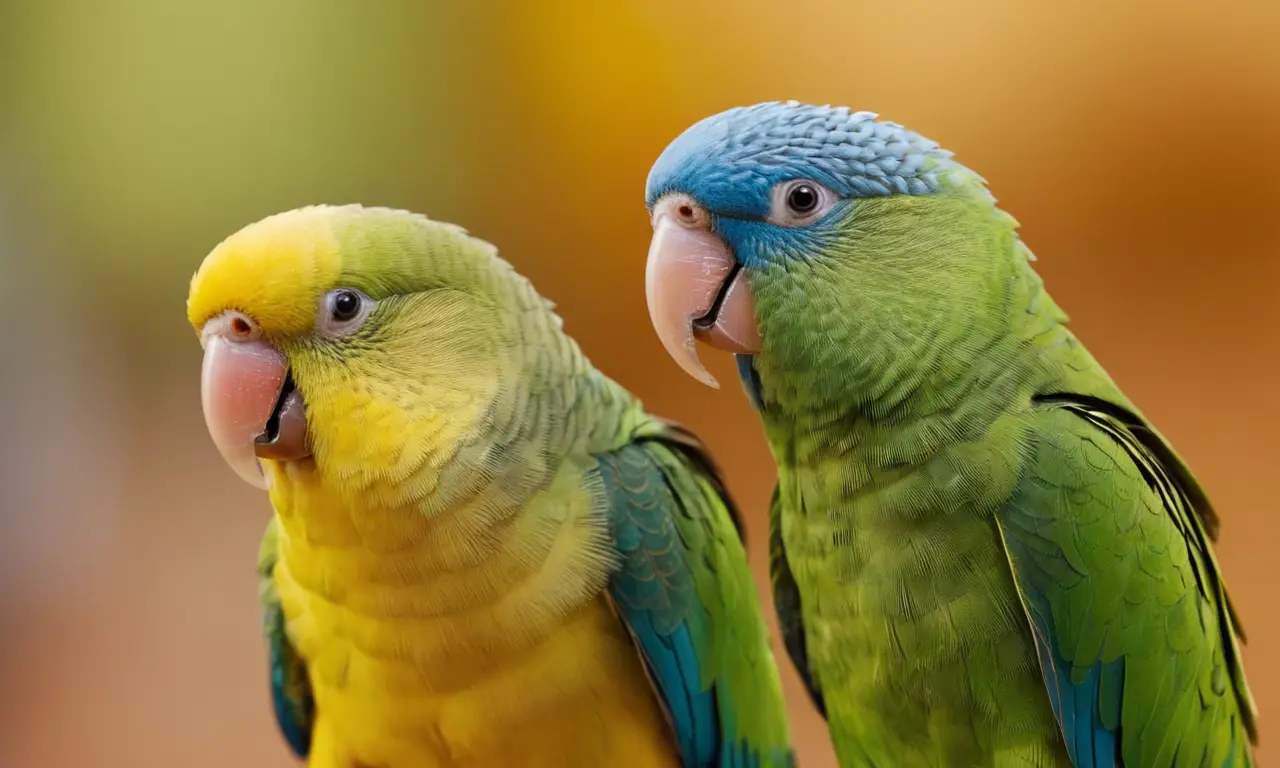
The most readily apparent way to distinguish between male and female parakeets lies in the color of their cere, the fleshy area above their beak where their nostrils are located. This difference is most pronounced in mature, healthy adult parakeets.
Adult Male Parakeets
In most adult male parakeets (specifically, the common budgerigar, Melopsittacus undulatus), the cere will be a vibrant, bright blue. This blue can range from a vivid cerulean to a deeper indigo, depending on the individual bird and its specific color mutation. Occasionally, a slightly purplish hue might be present, but it will generally lean towards blue.
Adult Female Parakeets
Adult female parakeets, on the other hand, typically have a cere that is brown, tan, or a pale, creamy white. The brown cere is a classic indicator of a female, especially during her breeding cycle when it can become a deeper, richer brown. If the cere is a lighter, chalky white or pale tan, it might indicate that the female is not in breeding condition or is very young.
Juveniles and Color Mutations
It's important to note that this cere coloration difference isn't always definitive, especially in very young parakeets or those with specific color mutations.
Male vs Female Parrot: Unveiling Key Differences- Juveniles: Young parakeets, both male and female, often have a pinkish or purplish cere that gradually changes color as they mature. This transition usually occurs between 3 to 6 months of age. During this period, it can be challenging to accurately sex them based solely on cere color.
- Color Mutations: Certain color mutations can affect cere appearance. For instance, in albino and lutino parakeets (which lack dark pigments), both males and females may have pink or red cere. In these cases, other behavioral indicators become more important for sexing. White-faced parakeets might also present with a cere color that is less distinctly blue in males.
Behavioral Tendencies: A Tale of Two Personalities
Beyond physical traits, male and female parakeets often exhibit different behavioral patterns. While individual personalities vary greatly, some general tendencies are commonly observed.
Vocalizations and Talking Ability
One of the most significant differences between male and female parakeet is their propensity for vocalization and mimicking speech.
- Males: Male parakeets are generally more vocal and are considered better "talkers." They often have a wider range of chirps, trills, and whistles. They are more likely to actively try to mimic human speech and sounds, often with greater clarity and persistence. This is believed to be linked to their mating displays, where vocalizations play a key role in attracting a mate.
- Females: Female parakeets are not silent by any means. They will chirp, whistle, and make various bird sounds. However, they are typically less inclined to mimic human speech compared to males. Their vocalizations might be more varied in pitch and intensity but less focused on repetitive "talking."
Social Interaction and Affection
Both sexes can be affectionate and enjoy interaction with their owners, but their styles of interaction can differ.
- Males: Males may be more overtly affectionate, seeking out interaction and displaying playful behaviors. They can be quite enthusiastic about engaging with their owners, sometimes showing a more persistent desire for attention.
- Females: Females can also be very affectionate, but they might express it more subtly or on their own terms. They may be more independent and content with their own company for periods. When they do engage, it can be just as rewarding, but their approach might be less boisterous.
Nesting and Breeding Behaviors
These are perhaps the most stark differences between male and female parakeet when it comes to instinctual behaviors.
- Females: Females possess a stronger innate drive to nest and lay eggs, even if they haven't mated. This instinct can manifest as:
- Chewing and Shredding: A strong urge to chew and shred materials like paper or cardboard to create a nest.
- Seeking Dark Enclosed Spaces: A preference for nesting in dark, enclosed areas, which can lead to them hiding in corners of the cage, under toys, or even in food dishes.
- Egg Laying: Even without a male, a female parakeet can lay infertile eggs. This is a natural biological process. Over-laying eggs can be detrimental to her health, leading to calcium depletion or egg binding.
- Males: Males do not exhibit these strong nesting behaviors. Their focus is more on courtship, vocalizations, and interacting with a potential mate.
Aggression and Territoriality
While not a hard and fast rule, there can be some general tendencies regarding aggression.
Pekingese vs. Shih Tzu: Key Differences for Dog Lovers- Females: Some female parakeets can become more territorial, especially when they are in a nesting mood or if they perceive a threat to their "nesting" area. This can sometimes lead to them being more nippy or defensive.
- Males: Males can also be territorial, particularly around their perceived mate or favorite perch. However, the territoriality in females can sometimes be more pronounced due to nesting instincts.
Breeding and Mating Considerations
If you are considering breeding parakeets, understanding the differences between male and female parakeet is paramount.
Choosing a Pair
- Mating Compatibility: While parakeets can form pairs, it's important to introduce them slowly and observe their interactions. Both sexes will engage in courtship rituals.
- Sexing Accuracy: Ensuring you have accurately sexed your birds before attempting to breed is crucial. Breeding two males or two females will not result in offspring.
Health Concerns Related to Breeding
- For Females: As mentioned, females are prone to laying eggs. If a female is laying frequently or experiencing difficulty passing an egg (egg binding), immediate veterinary attention is required. This is why it's often advised for single female parakeets to be provided with "nesting" deterrents.
- For Males: While less prone to the specific health issues of egg-laying, males can still suffer from stress or illness. Ensuring a balanced diet and a clean environment is vital for both sexes.
Diet and Nutrition: Subtle Differences
While the core dietary needs for male and female parakeets are largely the same, there are subtle considerations, especially for females.
The Importance of Calcium
- Females: As females lay eggs, they require a consistent and adequate intake of calcium. This can be provided through calcium supplements, cuttlebone, or a diet rich in calcium-fortified pellets and certain vegetables. A lack of calcium can lead to health problems like egg binding and weakened bones.
- Males: While males also benefit from a balanced diet that includes calcium for bone health, their requirement is generally not as high as that of breeding females.
General Nutritional Guidelines for All Parakeets
- High-Quality Pellets: A good base of high-quality parakeet pellets should form the majority of their diet.
- Fresh Vegetables and Fruits: Offer a variety of fresh, washed vegetables (leafy greens, carrots, broccoli) and fruits (apples, berries) in moderation.
- Seeds in Moderation: Seed mixes can be offered as a treat, but should not be the primary food source, as they are high in fat and can lead to obesity and nutritional deficiencies.
- Clean Water: Always provide fresh, clean water daily.
Sexing Your Parakeet: Beyond Cere Color
When cere color is ambiguous due to age or mutation, other methods can help determine your parakeet's sex.
Behavioral Observation
- Head Bobbing: Both males and females can head bob, but males often do so more vigorously and as part of their courtship display.
- Regurgitation: Males are more likely to regurgitate their food as a sign of affection towards their owner or a perceived mate. Females may regurgitate, but it's less common and usually associated with nesting behavior.
- Climbing: Some owners report that females tend to be more adept climbers, using their beaks and feet to navigate their environment.
- Preening: Females may be more inclined to preen their male companion (if they have one), while males might focus more on preening themselves.
DNA Testing
For definitive sex determination, especially in cases of ambiguous coloration or for breeding purposes, DNA testing is the most reliable method. This involves sending a feather sample to a specialized laboratory.
In summary: Understanding and Appreciating the Differences
The differences between male and female parakeet are fascinating and contribute to their unique personalities and needs. While cere color is the most common indicator, observing their behavior, vocalizations, and understanding their biological predispositions will provide a more complete picture. Whether you have a male, a female, or a mixed flock, appreciating these distinctions allows you to provide tailored care, foster a stronger bond, and ensure the well-being and happiness of your beloved parakeets. By understanding their individual traits, you can create an enriching environment that caters to their specific needs, leading to a more rewarding experience for both you and your feathered friends.
Bobtail vs. Bearded Collie: Key Differences for Dog Lovers
Cat Urinary Crystals: Types, Symptoms & Treatment Guide
Cat Weight: How Do I Know If My Cat Is Fat?

Encephalitis in Dogs: Symptoms, Causes & Treatment

Dog Cavities: Causes, Symptoms, and Treatment Options
Natural Flea Relief: Home Remedies for Fleas in Cats

Newborn Puppy Feeding Guide: From Birth to Weaning
Related posts