

Dog Breeds and Air Travel: What You Need to Know
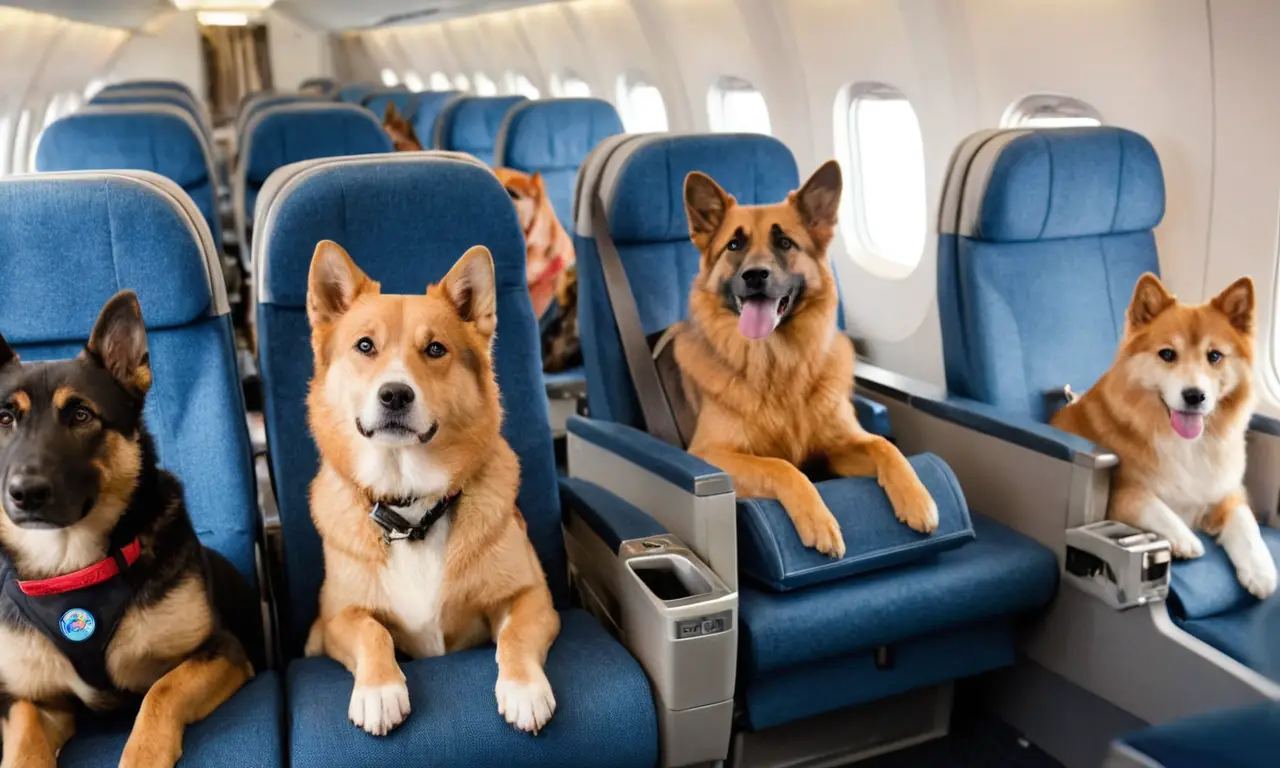
Dog Breeds Cannot Travel By Plane: Understanding the Complexities
Navigating the world of air travel with your canine companion can be a daunting task. While many owners dream of bringing their furry friends along on their adventures, the reality is that dog breeds cannot travel by plane in the same uninhibited manner as their human counterparts. Airlines have specific regulations, and certain breeds face significant restrictions or outright bans due to health concerns, safety considerations, and the inherent stress air travel can impose on animals. This article delves into the intricacies of flying with dogs, exploring the reasons behind breed-specific travel policies, the types of restrictions you might encounter, and essential tips for making the journey as safe and comfortable as possible for your pet.
𝙲𝚘𝚗𝚝𝚎𝚗𝚝
The Challenges of Air Travel for Dogs
Air travel presents a unique set of challenges for dogs. The pressurized cabin, fluctuating temperatures, loud noises, and the confinement of a carrier can be highly stressful. For certain breeds, these environmental factors are amplified, posing significant health risks. Understanding these challenges is the first step in comprehending why breed restrictions exist.
Environmental Stressors in the Cabin
- Pressure Changes: As an aircraft ascends and descends, the atmospheric pressure changes. While humans can equalize their ears, dogs may experience discomfort or even pain.
- Temperature Fluctuations: Cabin temperatures can vary, and while generally regulated, sudden changes can be unsettling for animals, especially those with certain coat types or underlying health conditions.
- Noise and Vibration: The constant hum of the engines, the sounds of the cabin, and the vibrations of the plane can be frightening for dogs, leading to anxiety and stress.
- Confinement: Being confined to a carrier for an extended period, often in a limited space, is unnatural for most dogs and can lead to frustration, boredom, and a heightened sense of anxiety.
Breed-Specific Vulnerabilities
Certain breeds are predisposed to specific health issues that can be exacerbated by the stresses of air travel. This is a primary reason why dog breeds cannot travel by plane without careful consideration and adherence to airline policies.
Brachycephalic Breeds: The Primary Concern
The most significant group of breeds facing travel restrictions are brachycephalic dogs, often referred to as "snub-nosed" or "short-nosed" breeds. These include:
Best Dog Breeds for Alzheimer's Patients: Companionship & Care- Pugs
- Bulldogs (English, French, American)
- Boxers
- Shih Tzus
- Chihuahuas (though not strictly brachycephalic, some have shortened muzzles and can experience breathing difficulties)
- Boston Terriers
- Pekingese
- Affenspinschers
- Griffons
These breeds have a characteristic shortened muzzle, which results in a reduced airway. This anatomical feature makes them more susceptible to respiratory distress, heatstroke, and other complications when exposed to the environmental stressors of air travel. The lack of efficient panting to cool down, combined with potential airway obstruction, makes them particularly vulnerable.
Other Breeds with Potential Travel Concerns
While brachycephalic breeds are the most common, other breeds may also face restrictions or require special considerations due to:
- Age: Very young puppies or senior dogs may have underdeveloped or compromised respiratory and cardiovascular systems.
- Size: Extremely large breeds may not fit comfortably or safely in designated cargo or cabin spaces.
- Health Conditions: Dogs with pre-existing heart conditions, respiratory illnesses, or anxiety disorders are at higher risk.
- Temperament: Highly anxious or aggressive dogs can pose a safety risk to themselves, other passengers, and airline staff.
Airline Policies and Restrictions
Airlines have developed specific policies to address the safety concerns associated with flying with dogs. These policies can vary significantly from one airline to another, making it crucial to research and understand the rules of the carrier you intend to use.
Cabin vs. Cargo Travel
Most airlines differentiate between dogs traveling in the cabin (as carry-on pets) and those traveling in the cargo hold.
Dog Collar or Harness: 5 Essential Buying TipsTraveling in the Cabin
- Size and Weight Limits: Typically, only small dogs that can comfortably fit in a carrier under the seat in front of you are allowed in the cabin. There are strict weight and size limits for both the dog and the carrier.
- Breed Exclusions: Even for small breeds, airlines often exclude brachycephalic breeds from cabin travel due to their respiratory vulnerabilities.
- Number of Pets: Airlines usually limit the number of pets allowed in the cabin per flight.
- Breed Confirmation: Some airlines may require documentation or visual confirmation to ensure the breed is not on their restricted list.
Traveling in the Cargo Hold
- Temperature Restrictions: This is a major factor. Many airlines impose temperature embargoes, meaning they will not transport pets in the cargo hold if the temperature at departure, arrival, or transit points is too hot or too cold. These embargoes are put in place to protect animals from heatstroke or hypothermia.
- Breed Restrictions: Most brachycephalic breeds are prohibited from traveling in the cargo hold.
- Carrier Requirements: Cargo carriers must meet strict IATA (International Air Transport Association) standards for durability, ventilation, and security.
- Age and Health Requirements: Puppies and older dogs may be restricted from cargo travel, and airlines may require a veterinary certificate confirming the dog's fitness to fly.
Common Restricted Breeds
As mentioned earlier, brachycephalic breeds are the most frequently banned breeds by airlines. This includes:
- Bulldogs (all varieties)
- Pugs
- Boston Terriers
- Shih Tzus
- Boxers
- Chihuahuas (often with specific exceptions or as carry-on only)
- Pekingese
It's important to note that lists can change, and some airlines might have slightly different interpretations or additional restrictions. Always verify directly with the airline.
Preparing Your Dog for Air Travel
If your dog's breed is permitted to travel by plane, thorough preparation is key to minimizing stress and ensuring their well-being.
Veterinary Consultation
- Health Check-up: Schedule a comprehensive veterinary check-up well in advance of your travel date. Your vet can assess your dog's overall health, paying close attention to their respiratory and cardiovascular systems.
- Vaccinations and Documentation: Ensure all vaccinations are up-to-date. You will likely need a health certificate from your veterinarian, issued within a specific timeframe before travel, stating that your dog is healthy and fit to fly.
- Sedation Debate: Discuss the use of sedatives with your veterinarian. While it might seem like a good idea to calm your dog, sedation can sometimes be counterproductive. It can hinder their ability to regulate body temperature and can interact negatively with the stresses of flight, potentially leading to serious complications. Most airlines and veterinarians advise against routine sedation for air travel.
Carrier Selection and Acclimation
- IATA-Compliant Carrier: If your dog is traveling in the cargo hold, the carrier must meet IATA standards. This means it needs to be sturdy, have secure latches, adequate ventilation, and be large enough for your dog to stand, turn around, and lie down comfortably.
- Cabin Carrier: For cabin travel, the carrier must fit under the seat and be soft-sided or collapsible to accommodate the limited space.
- Acclimation is Crucial: Introduce the carrier to your dog weeks or months before travel. Leave it open in your home with bedding and toys inside. Feed your dog meals near or inside the carrier. Gradually increase the time spent inside with the door closed, starting with short periods and working up to longer durations. This helps your dog associate the carrier with safety and comfort, rather than confinement.
Pre-Travel Routine
- Exercise: On the day of travel, ensure your dog has had plenty of exercise to help them relax.
- Feeding: Feed a light meal several hours before the flight. Avoid feeding a large meal immediately before travel, as this can increase the risk of nausea or vomiting.
- Potty Break: Take your dog out for a final potty break right before heading to the airport.
Traveling with Your Dog: Tips for a Smoother Journey
Beyond breed restrictions, several other factors contribute to a successful air travel experience for your dog.
Dog Ear Mites: Symptoms, Treatment & Prevention GuideChoosing the Right Airline
- Research Policies: As emphasized before, thoroughly research the pet travel policies of different airlines. Look for carriers with more accommodating rules or those that have a better track record for pet safety.
- Direct Flights: Whenever possible, opt for direct flights. Layover periods can be stressful for dogs, involving being moved between planes and potentially spending time in unfamiliar environments.
During the Flight
- Cabin Passengers: If your dog is traveling in the cabin, keep them in their carrier under the seat at all times. Avoid letting them out, as this can be disruptive and is against airline regulations. You can quietly offer water if needed and reassure them with your voice.
- Cargo Passengers: You will not have direct access to your dog during the flight if they are in the cargo hold. Trust in the airline's protocols and the care provided by the ground staff.
- Arrival: Upon arrival, be the first to collect your dog. Check them over for any signs of distress or injury.
The Importance of Identification
- ID Tags: Ensure your dog wears a collar with up-to-date ID tags, including your name, phone number, and a temporary contact number if possible.
- Microchip: Confirm that your dog's microchip registration is current and includes your contact information.
Alternatives to Air Travel
If air travel presents too many challenges or your dog's breed is prohibited, consider alternative transportation methods:
- Road Trips: Driving offers more flexibility, allowing for frequent stops for your dog to relieve themselves, exercise, and drink water. You can also control the climate more effectively.
- Pet-Friendly Accommodation: Research pet-friendly hotels or rental properties at your destination.
- Pet Transport Services: Professional pet transport companies can offer specialized services, including ground transportation, to ensure your pet arrives safely.
In summary: Prioritizing Your Dog's Well-being
The fact that dog breeds cannot travel by plane without strict regulations underscores the inherent risks involved. While the desire to travel with our beloved pets is strong, their safety and well-being must always come first. By understanding the specific challenges, airline policies, and meticulously preparing your dog, you can make informed decisions about their travel arrangements. If air travel is not a viable or safe option, exploring alternatives will ensure your canine companion remains healthy and happy throughout your journey. Always consult with your veterinarian and the airline well in advance to navigate the complexities of pet air travel.
Cat Urinary Crystals: Types, Symptoms & Treatment Guide

Cat Weight: How Do I Know If My Cat Is Fat?

Encephalitis in Dogs: Symptoms, Causes & Treatment

Dog Cavities: Causes, Symptoms, and Treatment Options

Natural Flea Relief: Home Remedies for Fleas in Cats

Newborn Puppy Feeding Guide: From Birth to Weaning
Related posts