

Best Dog Breeds for Alzheimer's Patients: Companionship & Care
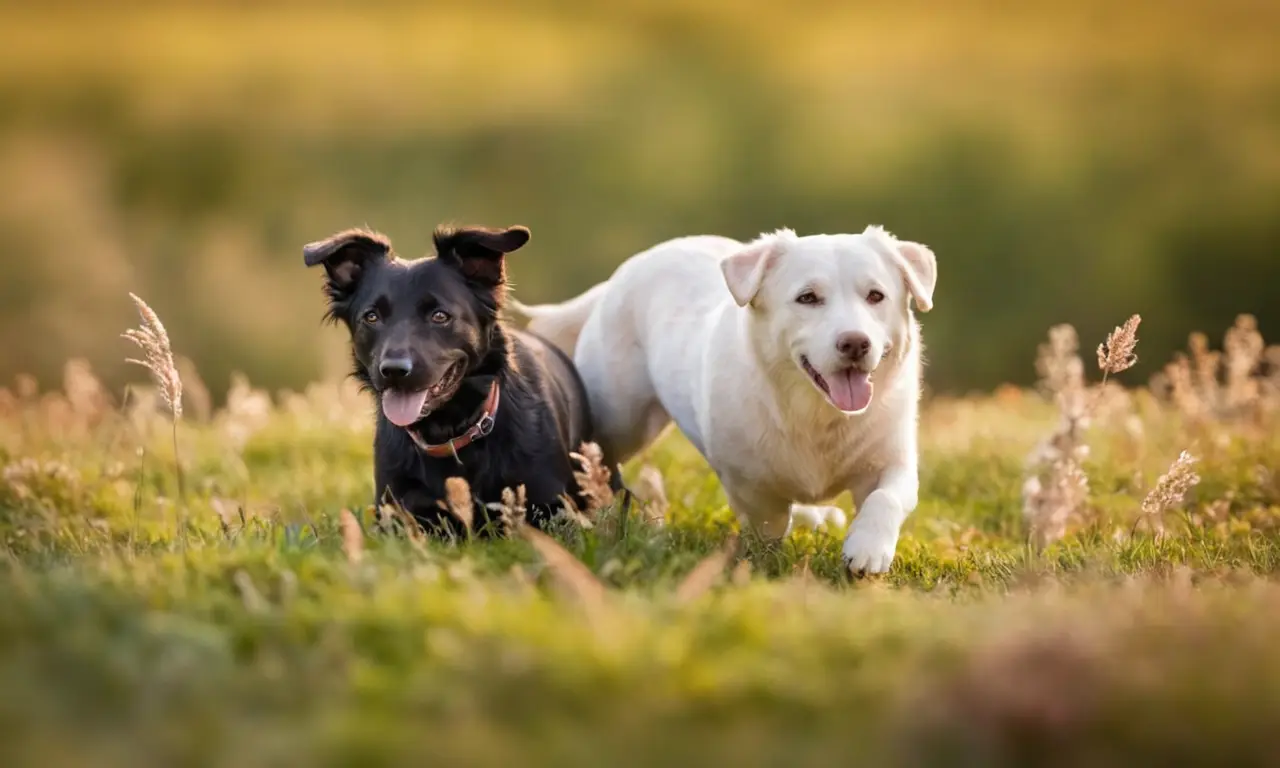
The Gentle Companions: Dog Breeds for Alzheimer's Patients
Caring for a loved one with Alzheimer's presents unique challenges, and the introduction of a canine companion can offer a profound source of comfort, routine, and emotional support. The right dog breed can significantly enhance the quality of life for both the individual with Alzheimer's and their caregivers. This article delves into the characteristics that make certain Dog breeds for people with Alzheimer's particularly well-suited, exploring their temperaments, training needs, and the invaluable benefits they bring to individuals navigating the complexities of this neurodegenerative disease. We will discuss specific breeds known for their gentle nature, adaptability, and capacity for forming strong bonds, along with practical considerations for integrating a dog into the caregiving routine.
𝙲𝚘𝚗𝚝𝚎𝚗𝚝
- Understanding the Needs of Individuals with Alzheimer's in Relation to Pet Ownership
- Key Traits of Ideal Dog Breeds for Alzheimer's Patients
- Top Dog Breeds for Individuals with Alzheimer's Disease
- The Benefits of Canine Companionship for Alzheimer's Patients
- Practical Considerations for Integrating a Dog into Alzheimer's Care
- In summary
Understanding the Needs of Individuals with Alzheimer's in Relation to Pet Ownership
Individuals in the early to mid-stages of Alzheimer's can benefit immensely from the presence of a dog. The key lies in identifying breeds that are patient, non-demanding, and possess a calm demeanor. The routine associated with dog care – feeding, walking, and grooming – can provide a sense of purpose and structure, which is often disrupted by the progression of the disease. Furthermore, the unconditional love and physical touch offered by a dog can reduce feelings of loneliness, anxiety, and agitation, common symptoms experienced by those with Alzheimer's.
It's crucial to select a dog whose energy levels are manageable and whose training needs are not overly complex. High-energy or highly independent breeds might prove challenging, potentially leading to frustration for both the individual and their caregiver. The focus should be on a dog that thrives on companionship and is content with gentle interaction.
Key Traits of Ideal Dog Breeds for Alzheimer's Patients
When considering Dog breeds for people with Alzheimer's, several key traits stand out as particularly important:
- Gentle and Patient Temperament: The ability to remain calm and composed in the face of unpredictable behavior is paramount.
- Affectionate and Sociable Nature: Dogs that enjoy being petted and are happy to be close to their human companions provide significant emotional benefits.
- Moderate Energy Levels: A dog that doesn't require extensive exercise or intense play is generally easier to manage.
- Trainability and Adaptability: Breeds that are eager to please and can adapt to a stable routine are ideal.
- Low Grooming Requirements (Optional but beneficial): While not a primary concern, breeds requiring less intensive grooming can reduce the burden on caregivers.
- Size: While personal preference plays a role, smaller to medium-sized dogs can be easier to handle and manage within a home environment.
Top Dog Breeds for Individuals with Alzheimer's Disease
Based on these essential characteristics, several Dog breeds for people with Alzheimer's consistently rank high:
1. Cavalier King Charles Spaniel
These charming dogs are renowned for their incredibly gentle and affectionate nature. Cavaliers are small, adaptable, and thrive on human companionship. They possess a calm demeanor, are eager to please, and their moderate exercise needs make them perfect for a less active lifestyle. Their velvety ears and sweet disposition make them ideal lapdogs, providing consistent comfort.
- Temperament: Extremely gentle, affectionate, patient, eager to please.
- Energy Level: Moderate. Enjoys short walks and cuddle time.
- Trainability: Highly trainable due to their desire to please.
- Grooming: Requires regular brushing to prevent matting.
2. Bichon Frise
The Bichon Frise is a cheerful and playful breed known for its affectionate disposition. They are highly social and form strong bonds with their families. Their small size and relatively low exercise needs make them suitable for indoor living. They are also hypoallergenic, which can be a significant advantage for individuals with allergies.
Dog Collar or Harness: 5 Essential Buying Tips- Temperament: Cheerful, affectionate, playful, outgoing.
- Energy Level: Moderate. Enjoys short play sessions and walks.
- Trainability: Intelligent and trainable, respond well to positive reinforcement.
- Grooming: Requires professional grooming or regular at-home maintenance due to their curly coat.
3. Golden Retriever
While larger than the previous two, Golden Retrievers are exceptionally gentle, patient, and devoted family dogs. Their intelligence and eagerness to please make them highly trainable. They possess a calm and stable temperament, which is crucial for individuals with Alzheimer's. Their playful nature can also encourage light activity and engagement.
- Temperament: Gentle, patient, devoted, friendly, intelligent.
- Energy Level: Moderate to high, but can be content with regular walks and play.
- Trainability: Highly trainable and excel in various tasks.
- Grooming: Requires regular brushing to manage shedding and maintain coat health.
4. Labrador Retriever
Similar to Golden Retrievers, Labrador Retrievers are known for their friendly, outgoing, and good-natured personalities. They are intelligent, adaptable, and form deep bonds with their owners. Their even temperament makes them reliable companions.
- Temperament: Friendly, outgoing, good-natured, patient.
- Energy Level: Moderate to high, requires regular exercise.
- Trainability: Highly trainable and eager to please.
- Grooming: Requires regular brushing to manage shedding.
5. Poodle (Miniature or Toy)
Poodles, particularly the miniature and toy varieties, are highly intelligent and trainable dogs. They are also known for their hypoallergenic coats, which is a significant benefit. Their playful yet gentle nature makes them excellent companions.
- Temperament: Intelligent, playful, affectionate, eager to please.
- Energy Level: Moderate. Enjoys short walks and mental stimulation.
- Trainability: Highly trainable and excel in obedience.
- Grooming: Requires professional grooming or regular at-home maintenance due to their non-shedding coat.
6. Shih Tzu
These small, affectionate dogs are bred for companionship. Shih Tzus are known for their calm and gentle nature. They are content with indoor living and require only moderate exercise. Their small size makes them easy to handle and manage.
- Temperament: Affectionate, gentle, calm, friendly.
- Energy Level: Low to moderate. Enjoys short walks and indoor play.
- Trainability: Can be a bit stubborn but are generally trainable with patience.
- Grooming: Requires daily brushing and regular professional grooming.
7. Greyhound (Retired Racers)
While often perceived as high-energy athletes, retired racing Greyhounds are surprisingly calm and gentle dogs. They are often described as "couch potatoes" once they are out of their racing environment. Their quiet demeanor and affectionate nature make them excellent, low-impact companions.
- Temperament: Gentle, quiet, affectionate, independent but loyal.
- Energy Level: Surprisingly low once retired. Enjoys short bursts of activity followed by long naps.
- Trainability: Can be trained, but may have a more independent streak.
- Grooming: Low maintenance, requiring occasional brushing.
The Benefits of Canine Companionship for Alzheimer's Patients
The positive impact of dogs on individuals with Alzheimer's is well-documented and multifaceted:
- Reduced Anxiety and Agitation: The calming presence of a dog can significantly lower stress levels, reducing instances of restlessness and agitation.
- Alleviation of Loneliness and Depression: The unconditional love and constant companionship provided by a dog combat feelings of isolation and sadness.
- Improved Mood and Emotional Well-being: Interacting with a dog releases endorphins, leading to an improved mood and a sense of happiness.
- Encouragement of Routine and Purpose: The daily tasks associated with dog care – feeding, walking, and grooming – can provide a much-needed sense of structure and accomplishment.
- Increased Physical Activity: Gentle walks with a dog can encourage light physical activity, benefiting the individual's overall health.
- Enhanced Social Interaction: Dogs can act as social catalysts, encouraging conversation and interaction with others.
- Sensory Stimulation: The tactile experience of petting a dog, along with their sounds and movements, can provide valuable sensory input.
- Improved Sleep Patterns: The comfort and security a dog provides can contribute to better sleep for individuals with Alzheimer's.
Practical Considerations for Integrating a Dog into Alzheimer's Care
When considering Dog breeds for people with Alzheimer's, practicalities are paramount. The caregiver plays a crucial role in ensuring the well-being of both the individual with Alzheimer's and the dog.
Dog Ear Mites: Symptoms, Treatment & Prevention Guide1. Caregiver Responsibility:
It is essential that the primary caregiver understands they will bear the ultimate responsibility for the dog's care, including feeding, veterinary visits, and more demanding aspects of training or exercise.
2. Training and Socialization:
Even gentle breeds benefit from basic obedience training and socialization. This ensures the dog is well-behaved and can adapt to the routines and potential challenges of living with someone with Alzheimer's. Enrolling in obedience classes can be beneficial.
3. Safety First:
Ensure the dog's environment is safe. Remove any potential hazards that the individual or the dog could encounter. Consider whether the dog's size or temperament might pose a tripping hazard.
4. Routine and Predictability:
Establishing a consistent daily routine for the dog is vital. This consistency provides a sense of stability for the individual with Alzheimer's and helps the dog feel secure.
5. Supervision:
Close supervision is always recommended, especially in the initial stages of introducing a dog. This allows caregivers to monitor interactions and intervene if necessary.
6. Choosing the Right Source:
Consider adopting a mature dog from a reputable shelter or rescue organization. Adult dogs often have a more settled temperament and their personalities are already established, making it easier to assess their suitability. Rescues may also be able to provide information on a dog's past behavior and needs.
7. Veterinarian Consultation:
Discuss the decision with your veterinarian. They can offer advice on breeds, potential health issues, and the general suitability of a dog for your specific situation.
Dog Hair Types: Master Coat Care for Your CanineIn summary
The journey with Alzheimer's is challenging, but the unwavering affection and companionship of a well-chosen dog can bring immense joy and solace. By carefully considering the temperament, energy levels, and training needs of various Dog breeds for people with Alzheimer's, caregivers can select a furry friend who will not only enhance the daily lives of their loved ones but also become a cherished member of the family. The gentle nature, adaptability, and loving disposition of breeds like the Cavalier King Charles Spaniel, Bichon Frise, and Golden Retriever make them particularly well-suited to provide comfort, routine, and a profound sense of connection during this vulnerable time.
Cat Urinary Crystals: Types, Symptoms & Treatment Guide
Cat Weight: How Do I Know If My Cat Is Fat?

Encephalitis in Dogs: Symptoms, Causes & Treatment

Dog Cavities: Causes, Symptoms, and Treatment Options

Natural Flea Relief: Home Remedies for Fleas in Cats

Newborn Puppy Feeding Guide: From Birth to Weaning
Related posts