

Dog Collar or Harness: 5 Essential Buying Tips
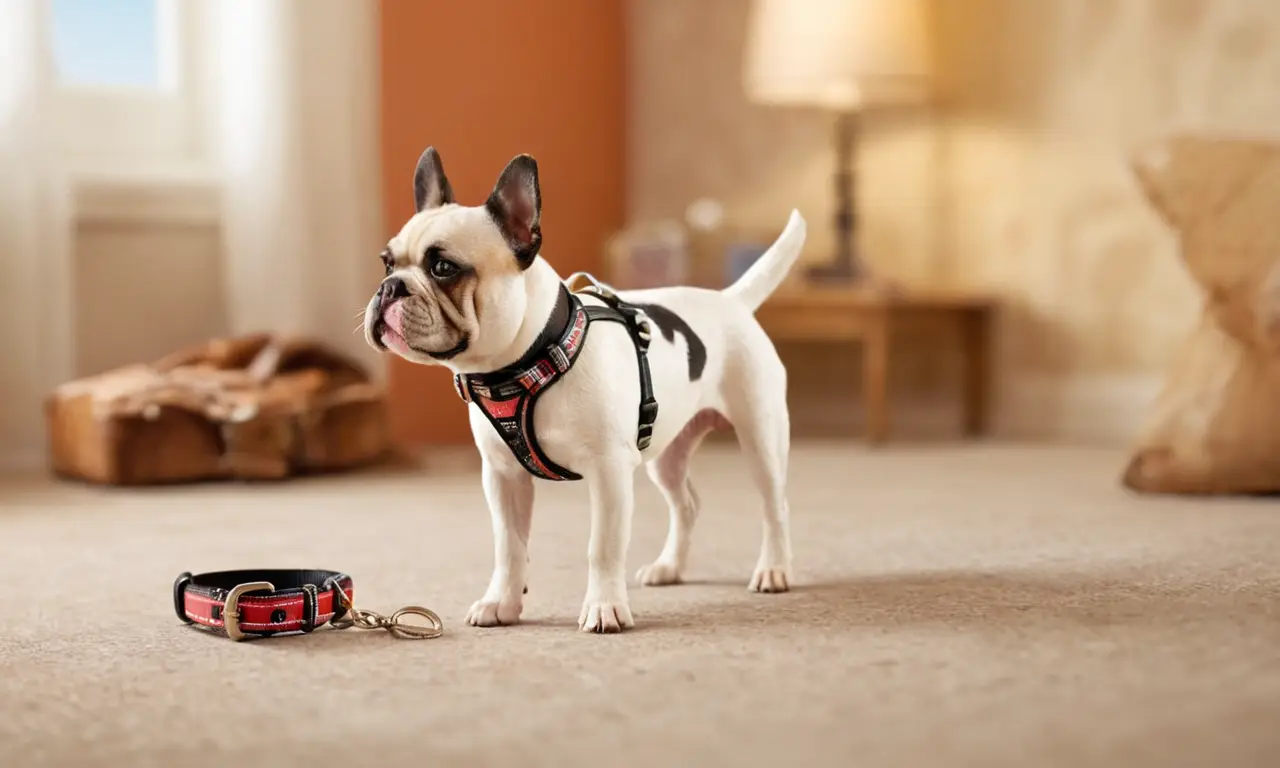
Dog Collar or Harness – 5 Practical Tips for Choosing
Selecting the right walking equipment for your canine companion is a fundamental aspect of responsible pet ownership, directly impacting their comfort, safety, and your control during walks. This decision often boils down to choosing between a traditional dog collar or a dog harness. Each has its own set of advantages and disadvantages, and the "better" option is rarely a one-size-fits-all answer. It depends on your dog's breed, size, temperament, and any specific behavioral or physical needs they may have. This comprehensive guide will equip you with the knowledge to make an informed decision, offering five practical tips to help you navigate the choices and find the perfect fit for your furry friend.
The world of dog walking accessories can seem overwhelming with the sheer variety of collars and harnesses available. From simple flat collars to intricate anti-pull harnesses, the options are vast. Understanding the purpose and mechanics of each type is crucial. A collar sits around the neck and is typically used for identification tags and for attaching a leash. A harness, on the other hand, is a contraption that fits around the dog's chest and back, distributing pressure across a wider area. This distinction is vital when considering issues like tracheal collapse, brachycephalic breeds, or dogs prone to pulling. Let's delve into the practical considerations that will guide your choice.
𝙲𝚘𝚗𝚝𝚎𝚗𝚝
1. Consider Your Dog's Breed, Size, and Anatomy
The physical characteristics of your dog are the primary drivers in deciding between a collar and a harness. Not all breeds are built the same, and their inherent anatomy dictates what will be most comfortable and safe.
-
Small Breeds and Toy Breeds: For very small dogs like Chihuahuas, Yorkshire Terriers, or Pomeranians, a collar can be a suitable option, especially a lightweight, flat collar. However, it's essential to ensure the collar is not too tight and doesn't put undue pressure on their delicate tracheas. Many vets recommend harnesses for these breeds to completely avoid any neck pressure. If opting for a collar, a martingale collar can be a good choice as it prevents escape without choking. For most small breeds, a lightweight harness that goes around the chest and back is often the safest and most comfortable choice.
-
Medium to Large Breeds: For larger breeds such as Labradors, Golden Retrievers, German Shepherds, and Boxers, both collars and harnesses can be effective. A sturdy, well-fitting flat collar is generally appropriate for well-behaved dogs that don't pull excessively. However, if your larger dog is a strong puller or has a tendency to lunge, a harness can offer better control and distribute the force more evenly, reducing strain on their neck and your arm.
-
Brachycephalic (Short-Nosed) Breeds: Dogs with short snouts, like Pugs, Bulldogs, French Bulldogs, and Shih Tzus, are particularly susceptible to breathing difficulties. Collars can exacerbate these issues by putting pressure on their windpipes. For these breeds, a harness is almost always the recommended choice. Ensure the harness fits well and doesn't rub against their sensitive facial features.
-
Dogs with Neck or Throat Issues: If your dog has a history of tracheal collapse, laryngeal paralysis, or any other condition affecting their neck or throat, a harness is unequivocally the safer option. Collars can worsen these conditions, leading to pain and respiratory distress.
-
Puppies: Puppies are still growing and developing. While they can wear a lightweight collar for identification, a harness is often preferred for walks. It helps to start leash training without associating any discomfort with the neck area and can provide better control as they learn to walk nicely. Ensure the harness is adjustable to accommodate their growth.
2. Evaluate Your Dog's Temperament and Behavior
Your dog's personality and typical walking behavior play a significant role in determining the most effective restraint.
-
Pullers: Dogs that pull on the leash are a common challenge. While some argue for training methods to correct pulling with a collar, a harness can be an immediate and effective solution to manage the pulling and make walks more enjoyable for both dog and owner.
Dog Ear Mites: Symptoms, Treatment & Prevention Guide- Front-Clip Harnesses: These harnesses have a leash attachment point on the chest. When the dog pulls, they are gently turned back towards you, redirecting their momentum and discouraging further pulling. This is often the most recommended type of harness for strong pullers.
- Back-Clip Harnesses: These have the leash attachment on the back. While good for distributing pressure, they can sometimes inadvertently encourage pulling in strong dogs, as they feel they can lean into the pressure. However, some dogs find these more comfortable.
-
Escape Artists: Some dogs are incredibly adept at slipping out of collars and harnesses.
- Martingale Collars: These are designed to tighten slightly when the dog pulls but have a stopper to prevent them from choking. They are effective for preventing escape but require careful fitting.
- Harnesses with Multiple Adjustment Points: Look for harnesses that offer a wide range of adjustability around the neck, chest, and even the belly. This allows for a snug, secure fit that is harder to slip out of. Some harnesses also have a "back-up" strap or a connection point on the chest in addition to the back, offering extra security.
-
Anxious or Fearful Dogs: For dogs who are easily startled or fearful, a harness can provide a greater sense of security and stability. The distributed pressure can make them feel more grounded. It's also important to ensure the harness doesn't restrict their movement or cause discomfort, which could heighten their anxiety.
-
Well-Behaved Walkers: If your dog walks politely on a leash without excessive pulling or lunging, a comfortable, well-fitting flat collar is often perfectly adequate. Ensure it's not too loose that they can slip out, nor too tight that it causes irritation.
3. Prioritize Safety and Comfort
Regardless of the type you choose, safety and comfort should be paramount. A poorly fitting or uncomfortable piece of equipment can lead to chafing, skin irritation, or even injury.
-
Material: Opt for durable, high-quality materials. Nylon is common and durable, while padded options can offer extra comfort, especially for dogs with sensitive skin or who wear their gear for extended periods. Leather collars can be stylish and durable but require more maintenance.
-
Fit is Key: This cannot be stressed enough.
- For Collars: You should be able to comfortably slip two fingers between the collar and your dog's neck. Any tighter is too restrictive; any looser and they risk slipping out or getting it caught on something.
- For Harnesses: The straps should be snug but not tight. You should be able to fit two fingers underneath the straps around the chest and shoulders. Ensure there's no rubbing or chafing around the armpits or neck. If the harness has multiple adjustment points, take the time to get them all just right.
-
Chafing and Irritation: Regularly check your dog's skin for any signs of redness, irritation, or hair loss where the collar or harness makes contact. If you notice any, adjust the fit, consider a different material, or try a different style of equipment. For harnesses, pay close attention to the areas around the front legs and chest.
-
Weight Distribution: Harnesses excel at distributing pressure. If you have a dog that pulls, a harness is designed to spread the force across their chest and back, rather than concentrating it on their neck. This is crucial for preventing injuries.
-
Quick-Release vs. Buckle: Most collars have a quick-release buckle for ease of use, while some traditional ones have a metal buckle. For harnesses, most have quick-release buckles. Ensure the buckle mechanism is secure and won't come undone accidentally.
4. Consider Ease of Use and Durability
Your lifestyle and how often you'll be using the equipment should also factor into your decision.
Dog Hair Types: Master Coat Care for Your Canine-
Ease of Putting On and Taking Off: For busy owners or those with less mobile dogs, a harness that is easy to slip on and secure quickly can be a major advantage. Some harnesses are designed to be stepped into, while others are put over the head. Consider what works best for you and your dog.
-
Durability and Maintenance: If you're often out in wet or muddy conditions, choose materials that are easy to clean and maintain. Washable nylon is often a good choice. For leather, be prepared for conditioning and care. High-quality hardware (buckles, D-rings) is essential for longevity.
-
Attachment Points: Most collars have a single D-ring for leash attachment. Harnesses vary, with some having front-clip, back-clip, or even dual-clip options. The type of attachment point can influence how you walk your dog and the control you have.
-
Aesthetics vs. Functionality: While it's nice for your dog's gear to look good, functionality and safety should always take precedence over fashion. Choose a design that is practical and effective for your dog's needs.
5. Test and Adjust as Needed
The best way to ensure you've made the right choice is to actually use the equipment and observe your dog.
-
Initial Walks: Take your dog for a few short walks with the new collar or harness. Pay attention to their body language. Do they seem comfortable? Are they pulling more or less? Do they try to paw at the equipment?
-
Observe for Discomfort: After the walk, check your dog for any signs of rubbing, irritation, or unusual behavior. If they seem uncomfortable or are constantly trying to remove the gear, it's not the right fit or style.
-
Adjustments: Most adjustable collars and harnesses allow for fine-tuning. Don't be afraid to make small adjustments to improve the fit and comfort. Sometimes, a slight change in strap tension can make a world of difference.
-
Consider a Combination: In some cases, a combination of a collar and harness might be beneficial. For example, a collar for identification tags and a harness for walking control.
-
Consult Professionals: If you are struggling to find the right fit or are dealing with significant behavioral issues like extreme pulling or anxiety, don't hesitate to consult a professional dog trainer or your veterinarian. They can offer personalized advice and recommend specific products based on your dog's individual needs.
Dog Insurance: 10 Keys to Hiring Smartly
In conclusion, the choice between a Dog Collar or Harness – 5 practical tips for choosing hinges on a thorough understanding of your dog's individual characteristics, your training goals, and a commitment to their safety and comfort. By carefully considering your dog's breed, size, anatomy, temperament, and behavior, and prioritizing safety, comfort, ease of use, and durability, you can confidently select the ideal walking accessory for your beloved canine companion. Remember that this is an ongoing process; as your dog grows, changes, or develops new habits, you may need to re-evaluate your choice. A well-chosen collar or harness is an investment in your dog's well-being and a key component of a happy and harmonious life together.
Cat Urinary Crystals: Types, Symptoms & Treatment Guide

Cat Weight: How Do I Know If My Cat Is Fat?

Encephalitis in Dogs: Symptoms, Causes & Treatment

Dog Cavities: Causes, Symptoms, and Treatment Options

Natural Flea Relief: Home Remedies for Fleas in Cats

Newborn Puppy Feeding Guide: From Birth to Weaning
Related posts