

Dog Leashes: 8,000-Year-Old Invention & Pet Care
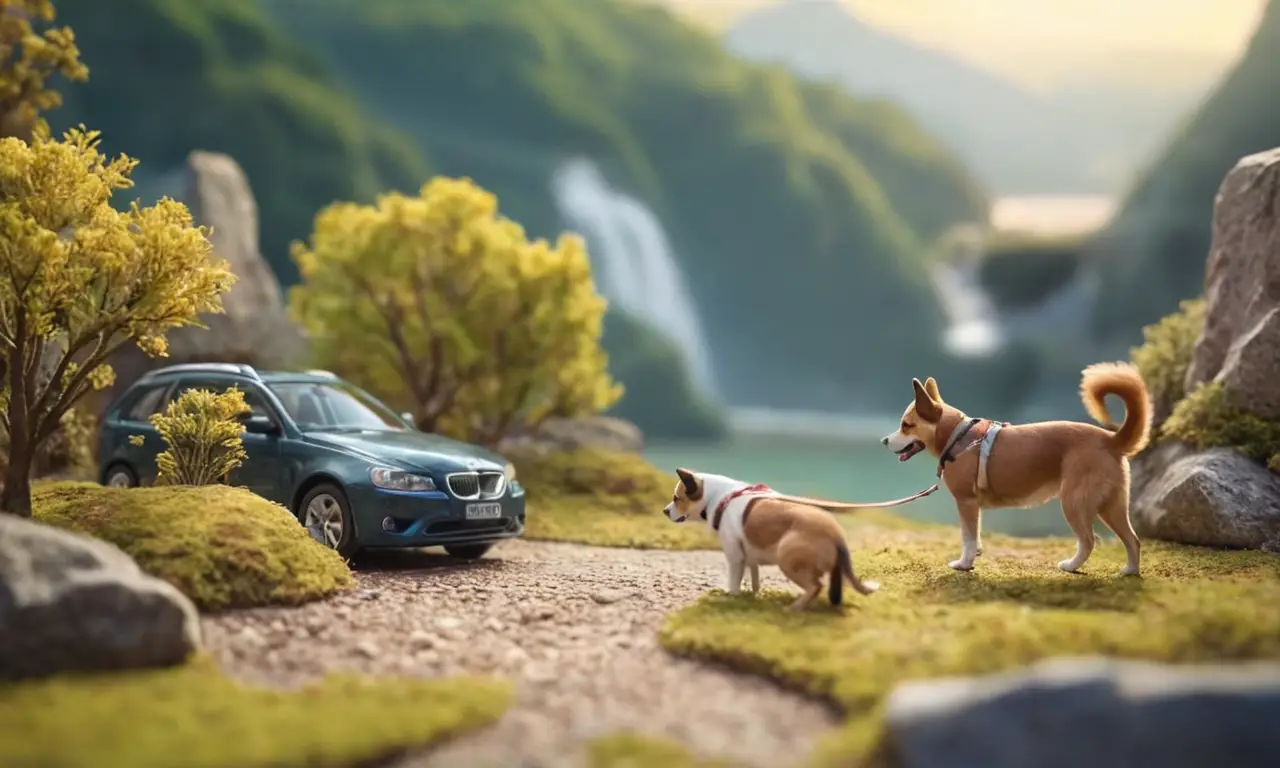
Dog Leashes: An 8,000-Year-Old Invention Shaping Pet Care
The humble dog leash, a seemingly simple tool, boasts an astonishingly long history, tracing its origins back over 8,000 years. This ancient invention has played a pivotal role in the domestication of dogs, enabling humans to guide, control, and secure their canine companions for millennia. Far more than just a means of restraint, dog leashes have evolved alongside human civilization, adapting to changing needs and technologies while remaining a cornerstone of responsible pet ownership and a testament to the enduring bond between humans and dogs. This article delves into the fascinating history of dog leashes, explores their diverse applications today, and highlights their indispensable role in modern pet care and training.
The journey of the dog leash is intrinsically linked to the journey of the dog itself. As early humans began to domesticate wolves, they recognized the potential for these animals to aid in hunting, guarding, and companionship. The ability to manage and direct these powerful creatures was paramount. Evidence suggests that early forms of leashes or tethers were fashioned from readily available natural materials. Animal hides, woven plant fibers, and even strips of bark would have served the purpose of securing a dog to a handler. These rudimentary restraints allowed for greater control during hunting expeditions, preventing prey from escaping and ensuring the safety of both the hunter and the dog. Furthermore, they would have been essential for managing dogs in settled communities, preventing them from straying or causing disruption. The domestication process, which began in various parts of the world around 10,000 to 15,000 years ago, laid the groundwork for the invention and widespread use of Dog leashes, an invention from more than 8,000 years ago.
Archaeological findings provide compelling evidence for the antiquity of dog leashes. Discoveries in regions spanning Europe and Asia have unearthed ancient tools and depictions that strongly suggest the use of restraints for dogs. While definitive "leashes" as we recognize them today are difficult to pinpoint from such ancient times, the presence of harnesses and tethering artifacts, along with cave paintings and carvings depicting humans with dogs on leads, paints a clear picture of their early existence. For instance, some of the earliest evidence comes from the Neolithic period, where artifacts suggesting the use of leashes have been found in ancient settlements. These early leashes were not just about control; they were also about fostering a working partnership. Hunters could more effectively direct their dogs to track game, and shepherds could better manage their flocks by using leashes to guide their canine assistants. The development of specialized breeds for different tasks, such as hunting or guarding, would have further emphasized the need for effective methods of control and guidance, making the leash an indispensable tool.
As societies evolved, so too did the materials and designs of dog leashes. Bronze Age cultures, for example, saw the development of more sophisticated techniques for working with metals, which may have led to the creation of more durable and decorative leashes and harnesses. The Roman Empire, known for its advanced engineering and organization, likely employed leashes extensively for various purposes, from military dogs to hunting hounds. Written accounts and artistic representations from this era hint at the importance of these tools in managing canine populations. Throughout the medieval period and into the Renaissance, the use of leashes continued to be prominent, particularly among the nobility and those involved in hunting. Elaborate collars and leashes, often made of leather and adorned with metalwork, became status symbols as well as practical necessities. The evolution of the leash mirrored the evolution of human-animal relationships, reflecting changing societal structures and the increasing integration of dogs into human lives.
The modern era has witnessed an explosion in the variety and functionality of dog leashes. No longer limited to simple leather or rope, contemporary leashes are crafted from a wide array of materials, each offering distinct advantages. Nylon, a synthetic fiber, has become incredibly popular due to its strength, durability, and resistance to rot and mildew. It is lightweight and comes in a vast spectrum of colors and patterns, allowing for personalization. Biothane, a coated webbing, offers a waterproof, odor-resistant, and easy-to-clean alternative, making it ideal for dogs who love to swim or get muddy. Reflective materials are integrated into many leashes to enhance visibility during low-light conditions, a crucial safety feature for urban environments.
Barcelona Dog Pools: Your Ultimate Guide for PupsBeyond materials, the design of dog leashes has also diversified to cater to specific needs and training methods. The standard flat leash, typically made of nylon or leather, remains a popular choice for everyday walks and general control. These come in various lengths, with shorter leashes (3-4 feet) offering more immediate control in busy areas and longer leashes (6-8 feet) providing more freedom for exploration in open spaces.
The slip lead, also known as a slip-on leash or a Martingale collar lead, is a versatile tool that functions as both a collar and a leash. It tightens when the dog pulls and loosens when the tension is released, making it effective for training and for dogs who tend to pull. However, it's important to use slip leads correctly to avoid causing discomfort or injury to the dog.
The retractable leash, a controversial but widely used option, allows the dog to roam a significant distance from the handler thanks to a spring-loaded mechanism that retracts the leash line. While offering a sense of freedom, retractable leashes can pose safety risks. The thin cord can be prone to snapping, and the sudden jolt when the leash reaches its maximum extension can injure both the dog and the handler. Furthermore, they can make it challenging to maintain consistent control, especially in crowded or unpredictable environments. Responsible use and awareness of their limitations are crucial if opting for this type of leash.
The gentle leader and head halter are specialized walking aids that function differently from traditional leashes. These are designed to provide more control over a dog's head, gently guiding them and discouraging pulling. They are often used in conjunction with positive reinforcement training methods and can be highly effective for strong pullers or dogs with high prey drives.
For training purposes, the long line, a very long leash (often 15-50 feet), is invaluable. It allows a dog to explore and practice commands at a distance while still maintaining a safety line for the handler to intervene if necessary. This is particularly useful for recall training and building confidence in off-leash scenarios once the dog has a solid foundation of obedience.
Second Dog for High-Energy Pup? Expert Tips & InsightsThe importance of the dog leash extends far beyond mere convenience; it is a critical component of responsible pet ownership and a fundamental tool for ensuring the safety and well-being of both dogs and the public. In urban environments, leashes are often legally mandated for a reason. They prevent dogs from running into traffic, encountering aggressive or fearful animals, and disturbing or frightening people. A leash provides a physical barrier that allows the owner to manage their dog's interactions and prevent potentially dangerous situations.
For new dog owners, understanding how to properly use a leash is essential. Introducing a puppy to a leash should be a gradual and positive experience, associating the leash with enjoyable activities like playtime and treats. Teaching a dog to walk politely on a leash, without pulling, is a core aspect of obedience training. This involves consistency, positive reinforcement, and understanding canine body language. A dog that pulls constantly can be uncomfortable for the owner and can also be indicative of underlying behavioral issues or insufficient exercise.
The leash also plays a vital role in the rehabilitation of rescue dogs. Many dogs entering shelters have had inconsistent or negative past experiences, and the leash becomes a tool for building trust and re-establishing a sense of security. Gradual introductions to leashes and walking, combined with patient training, can help these dogs adapt to their new homes and become well-adjusted companions.
Furthermore, the dog leash is a symbol of the bond between humans and dogs. It represents a commitment to care for and protect these animals, acknowledging their dependence on us for guidance and safety. The act of walking a dog on a leash is a shared experience, fostering communication and strengthening the relationship. It's an opportunity for exercise, socialization, and mental stimulation for the dog, all facilitated by this ancient yet ever-relevant invention.
The legacy of Dog leashes, an invention from more than 8,000 years ago, continues to shape our modern world. From the practicalities of daily walks to the intricacies of specialized training, the leash remains an indispensable tool. As our understanding of canine behavior and welfare grows, so too will the ways in which we utilize and design these essential accessories. The humble leash, born out of necessity in humanity's earliest partnerships with dogs, is a testament to our enduring connection and a vital instrument in ensuring the safety, happiness, and responsible integration of our canine companions into our lives for generations to come. The evolution from simple hide strips to sophisticated, ergonomic designs showcases not only human ingenuity but also the profound and lasting impact of this simple yet revolutionary invention.
Hypoallergenic Pups: Your Guide to Dogs That Do Not Shed Hair
Cat Urinary Crystals: Types, Symptoms & Treatment Guide

Cat Weight: How Do I Know If My Cat Is Fat?

Encephalitis in Dogs: Symptoms, Causes & Treatment
Dog Cavities: Causes, Symptoms, and Treatment Options

Natural Flea Relief: Home Remedies for Fleas in Cats

Newborn Puppy Feeding Guide: From Birth to Weaning
Related posts