

The Enduring Bond: Dogs & Humans, 14,000 Years
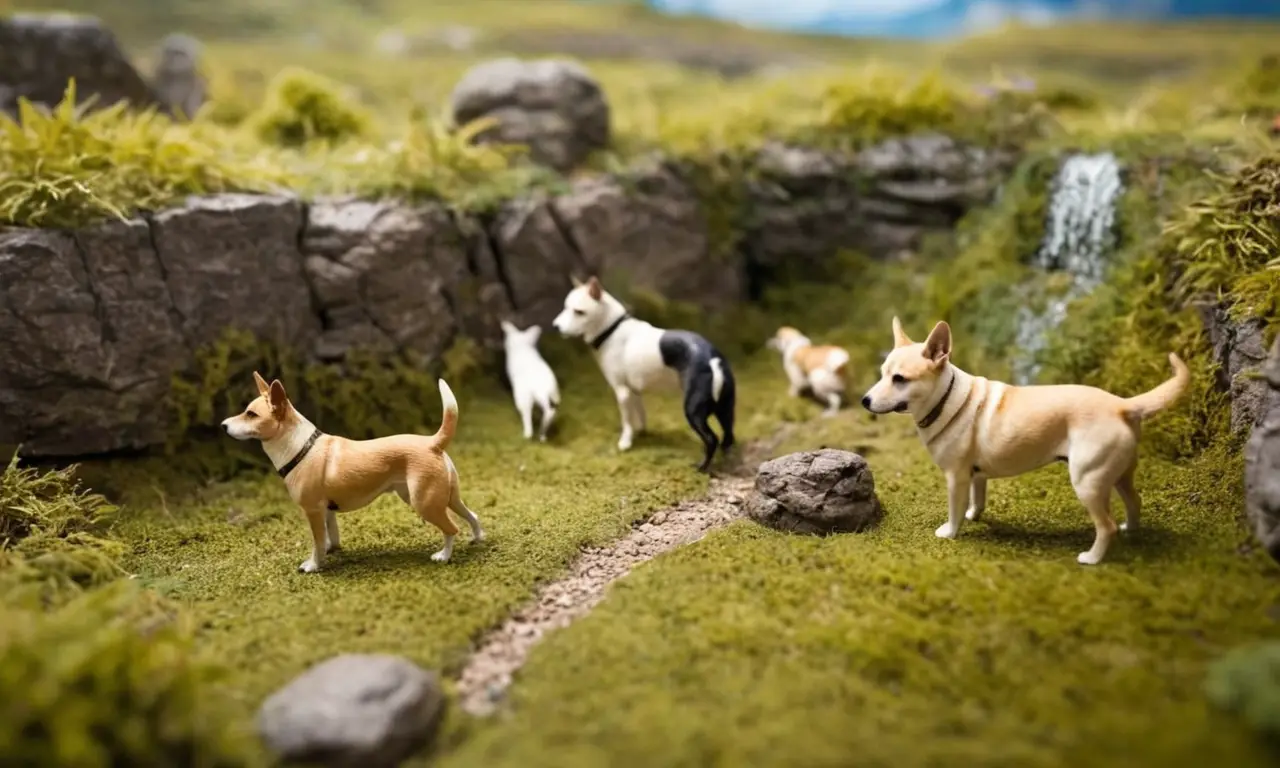
The Enduring Bond: Dogs & Humans, 14,000 Years of Companionship
For over fourteen millennia, a profound and unwavering connection has blossomed between humans and dogs, shaping the very fabric of both our species. This isn't just a story of domestication; it's a testament to a deeply ingrained emotional relationship that has evolved, strengthened, and enriched lives for countless generations. From the earliest hunter-gatherer societies to the bustling metropolises of today, the presence of dogs has been a constant, offering not just utility but an unparalleled depth of companionship, loyalty, and unconditional love. The journey of Dogs and humans, an emotional relationship of 14,000 years is a narrative woven with mutual understanding, shared experiences, and a unique form of interspecies communication that continues to captivate and astound us.
𝙲𝚘𝚗𝚝𝚎𝚗𝚝
- Unraveling the Origins: The Genesis of a Partnership
- Beyond Utility: The Dawn of Emotional Bonding
- The Evolution of Breeds: A Reflection of Human Needs and Desires
- The Science Behind the Bond: Hormones and Empathy
- The Modern Canine Companion: More Than Just a Pet
- Preserving the Bond: Responsibility and Understanding
- The Future of Our Furry Friends
Unraveling the Origins: The Genesis of a Partnership
The story of how dogs became our "best friends" is a fascinating one, shrouded in the mists of prehistory but illuminated by scientific discovery. The prevailing theory suggests that the domestication of dogs began in Eurasia, with wolves gradually becoming accustomed to human settlements. This wasn't a sudden event, but rather a slow, incremental process driven by mutual benefit. Early humans likely left scraps of food near their camps, and bolder wolves, less fearful of humans, began to scavenge. Over generations, those wolves that exhibited more docile temperaments and were less prone to aggression were implicitly or explicitly favored.
- The Role of Scavenging: Wolves that could tolerate human presence and exploit the food waste from early settlements had a survival advantage.
- Natural Selection and Temperament: Humans, perhaps unconsciously at first, would have been more inclined to tolerate or even encourage wolves that were less threatening and more amenable to their presence. This acted as a form of natural selection, favoring traits that would eventually define the domestic dog.
- Co-evolution: It's believed that this process led to a co-evolutionary spiral, where both humans and dogs adapted to each other's presence, developing physical and behavioral traits that facilitated their coexistence.
Archaeological evidence, including ancient canine remains found alongside human artifacts, supports the timeline of this remarkable partnership. These early dogs weren't the diverse breeds we know today, but rather proto-dogs, likely resembling the wolves from which they descended, albeit with subtler physical and behavioral differences.
Beyond Utility: The Dawn of Emotional Bonding
While the initial stages of domestication may have been driven by practical advantages – guarding settlements, assisting in hunts, or even providing a source of food – the deeper emotional connection likely emerged much earlier than commonly assumed. As these early canines integrated more fully into human life, a bond of affection and interdependence began to form.
Dogs' Nose: Can They Smell Thermal Energy?- Mutual Protection: Early humans and dogs would have provided each other with protection from predators and other threats. This shared vulnerability fostered a sense of camaraderie.
- Companionship in Solitude: For individuals or small groups living in often harsh and solitary environments, the presence of a loyal canine companion would have provided immense psychological comfort and alleviated loneliness.
- Early Forms of Communication: Even without spoken language, humans and dogs are adept at reading each other's body language and vocalizations. This non-verbal communication was crucial in establishing trust and understanding.
The discovery of ancient burial sites where dogs were interred with humans, sometimes even in protective or affectionate poses, offers poignant evidence of the emotional significance they held. These were not simply discarded animals; they were cherished members of the community, mourned and honored.
The Evolution of Breeds: A Reflection of Human Needs and Desires
As human societies progressed and diversified, so too did the role and form of dogs. Selective breeding, driven by specific tasks and aesthetic preferences, led to the astonishing array of dog breeds we see today. This intentional shaping of canine characteristics is a testament to the deep understanding humans developed of canine potential.
- Herding Dogs: Developed for their intelligence, agility, and innate herding instincts, breeds like the Border Collie and Australian Shepherd are perfect examples of dogs bred to work closely with humans in managing livestock.
- Hunting Dogs: From scent hounds that track game to gun dogs that retrieve fowl, these breeds were honed for their keen senses and specific hunting abilities, becoming indispensable partners in securing food.
- Guard Dogs: Breeds like the Doberman Pinscher and Rottweiler were developed for their strength, courage, and protective instincts, serving as vigilant guardians of homes and families.
- Companion Dogs: Smaller breeds and those with particularly gentle temperaments, such as the Cavalier King Charles Spaniel or the Bichon Frise, evolved to fulfill the need for companionship and affection, becoming cherished lapdogs.
The sheer diversity of breeds underscores the multifaceted ways in which dogs have integrated into human lives, each tailored to a specific niche, yet all retaining that fundamental canine spirit of loyalty and devotion. This process of selective breeding further solidified the Dogs and humans, an emotional relationship of 14,000 years, as humans actively molded their canine partners to suit their evolving lifestyles and aspirations.
The Science Behind the Bond: Hormones and Empathy
Modern science is increasingly unraveling the biological underpinnings of the human-canine bond. Research has revealed fascinating parallels in the hormonal responses of humans and dogs when they interact, suggesting a deeper, neurobiological connection.
Dogs vs. Wolves: Brain Differences from Domestication- The Oxytocin Connection: Studies have shown that the act of petting a dog, making eye contact, and engaging in positive interactions can lead to a release of oxytocin – often referred to as the "love hormone" – in both humans and dogs. This hormone plays a crucial role in social bonding, trust, and maternal care, and its shared release highlights a profound, reciprocal emotional exchange.
- Mirroring Emotions: Dogs are remarkably adept at picking up on human emotional cues. They can sense our moods, be it joy, sadness, or anxiety, and often respond in ways that reflect our emotional state. This empathic ability fosters a sense of being understood and supported.
- Behavioral Synchronization: Studies have also observed that humans and their dogs can synchronize their breathing and heart rates during moments of calm interaction, further illustrating the depth of their connection.
These scientific findings provide a tangible basis for the intuitive understanding and deep affection that characterizes the human-dog relationship, confirming that this bond is not merely psychological but also deeply rooted in our shared biology.
The Modern Canine Companion: More Than Just a Pet
In contemporary society, dogs continue to play an integral role, often transcending their traditional utilitarian functions. They are family members, confidantes, and integral components of our well-being.
- Therapy and Assistance Animals: The role of dogs has expanded significantly into areas of therapy and assistance. Certified therapy dogs bring comfort and emotional support to hospitals, nursing homes, and schools, while assistance dogs provide invaluable aid to individuals with disabilities, enhancing their independence and quality of life.
- Emotional Support Systems: For many, dogs are a primary source of emotional support, offering a non-judgmental ear, a warm presence during difficult times, and a constant source of unconditional love. This is particularly true for individuals who may feel isolated or lonely.
- Promoting an Active Lifestyle: Dog ownership often encourages physical activity, as daily walks and playtime become essential. This benefits both the dog's health and the owner's overall well-being.
- Facilitating Social Interaction: Dogs can act as social catalysts, helping their owners meet new people and connect with their communities through dog parks, training classes, and casual encounters.
The journey of Dogs and humans, an emotional relationship of 14,000 years continues to unfold, with modern dogs enriching our lives in ways that our ancient ancestors might have only dreamed of.
Preserving the Bond: Responsibility and Understanding
The enduring nature of this relationship places a significant responsibility on humans to ensure the well-being and happiness of their canine companions. Understanding their needs, providing proper care, and fostering a strong bond based on mutual respect are paramount.
Dogs Sense Negativity: How Canines Read Human Attitudes- Nutritional Needs: Providing a balanced and appropriate diet is crucial for a dog's health and longevity. Understanding their specific nutritional requirements based on age, breed, and activity level is essential.
- Veterinary Care: Regular veterinary check-ups, vaccinations, and prompt attention to any health concerns are vital for ensuring a dog's quality of life.
- Training and Socialization: Positive reinforcement training methods help dogs understand boundaries and expectations, while early socialization ensures they are comfortable and well-adjusted around other people and animals.
- Mental and Physical Stimulation: Dogs require both physical exercise and mental engagement to thrive. Providing opportunities for play, exploration, and learning keeps them happy and prevents behavioral issues.
- Love and Affection: Above all, showering our dogs with love, attention, and affection is the cornerstone of a strong and fulfilling relationship.
The legacy of Dogs and humans, an emotional relationship of 14,000 years is one of mutual benefit, unwavering loyalty, and profound emotional connection. As we continue to share our lives with these incredible animals, we are reminded of the deep and ancient bond that has shaped us both, a testament to the extraordinary power of interspecies friendship.
The Future of Our Furry Friends
Looking ahead, the relationship between dogs and humans is likely to continue to evolve. Advances in veterinary medicine, genetics, and behavioral science will undoubtedly offer new ways to understand and care for our canine companions. The deep emotional bond, however, is something that has endured for millennia and will undoubtedly continue to be the bedrock of this remarkable partnership. The story of Dogs and humans, an emotional relationship of 14,000 years is far from over; it is a living, breathing testament to the enduring power of love and companionship.
Dog Color Vision: How Do Dogs Recognize & Distinguish Colors?

Fila Brasileiro: The Majestic Mastiff of Brazil Explored

Basenji: The Enigmatic Barkless Dog – Congo Terrier Facts

Dog Language & Calm Signals: The Complete Guide

Dalmatian Dog: History, Traits & Fun Facts
Can You Have a Monkey as a Pet? The Truth About Primate Companions
Related posts