
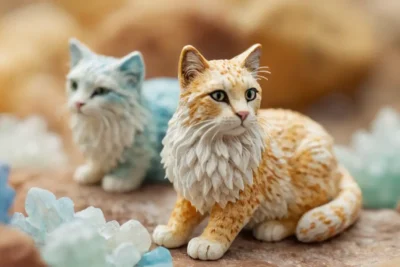
Dominant Cat Behavior: Understanding & Managing Your Feline

Dominant Cat Behavior: Understanding & Managing Your Feline
Understanding and managing dominant cat behavior is crucial for a harmonious household. This comprehensive guide delves into the signs, causes, and effective strategies for dealing with a cat exhibiting dominance, aiming to foster a balanced relationship between you and your feline companion.
𝙲𝚘𝚗𝚝𝚎𝚗𝚝
What is Dominant Cat Behavior?
When we talk about a Dominant Cat - Behavior and What to Do, it's important to clarify that feline dominance isn't the same as the pack-based dominance seen in canines. In cats, dominance is often expressed through resource guarding, spatial control, and subtle assertions of presence rather than outright aggression. A dominant cat might believe they have priority access to resources like food, favorite resting spots, or even your attention. This isn't about being "mean" or "bad," but rather a natural instinct to secure what they perceive as theirs.
It's a common misconception that only intact male cats exhibit dominant traits. Female cats, as well as neutered males, can display similar behaviors. The key is to recognize these behaviors as a form of communication and a way for your cat to establish their perceived status within the household environment.
Recognizing the Signs of a Dominant Cat
Identifying dominant behavior in your cat is the first step to addressing it. Look out for a combination of these indicators:
Double Fang in Dogs: Causes & Expert Advice- Resource Guarding: This is perhaps the most common sign. Your cat may become agitated, hiss, swat, or even bite if another pet or person approaches their food bowl, water dish, litter box, or favorite sleeping spot while they are using or near it. They might eat very slowly or guard their food even after they've finished.
- Staring and Intense Glances: A dominant cat might engage in prolonged, direct staring at you or other pets, often accompanied by a stiff body posture. This can be a way of asserting their presence and observing their surroundings for potential challenges to their perceived status.
- Blocking Pathways and Doorways: They may position themselves in a way that blocks your path or prevents other pets from accessing certain areas of the house, such as a favorite window perch or a doorway.
- Demanding Attention: While many cats are affectionate, a dominant cat might demand your attention incessantly, nudging you, meowing loudly, or even pawing at you until they receive what they want (petting, playtime, or food).
- Asserting Physical Space: They might push their way into prime resting spots, displace other pets, or insist on being the first one to be petted.
- Initiating Play Fights or Dominance Displays: This can manifest as playful pouncing or wrestling with other pets, which may escalate if the other animal shows submissiveness. However, it's important to distinguish this from genuine aggression.
- Marking Territory (less common for dominance, but can be related): While spraying is often linked to stress or territoriality, in some cases, a dominant cat might engage in more frequent rubbing or scent marking to establish their presence in key areas.
- Disdainful Behavior Towards Others: They might ignore, walk away from, or display mild annoyance (ear flicking, tail twitching) when other pets or people try to interact with them in a way they don't approve of.
It's crucial to remember that not all these behaviors automatically indicate dominance. Some cats are naturally more vocal, playful, or enjoy their personal space. The key is the pattern of behavior and how it affects the dynamics within your household.
Why Do Cats Exhibit Dominant Behavior?
Several factors can contribute to a cat displaying dominant behavior:
- Genetics and Personality: Just like humans, cats have individual personalities. Some are naturally more assertive or confident, which can be interpreted as dominance.
- Early Socialization: A cat that didn't have adequate positive socialization experiences with other cats or humans during their kittenhood might be less confident and try to compensate with dominant behaviors.
- Resource Scarcity (Real or Perceived): If a cat feels that resources like food, water, or comfortable resting spots are limited, they may become more possessive and guarded to ensure they have access to these essentials. This is especially true in multi-cat households.
- Stress and Anxiety: Ironically, stress and anxiety can sometimes manifest as dominance. A cat might try to control their environment and resources as a coping mechanism to feel more secure. This could be triggered by changes in the household, new pets, or even loud noises.
- Learned Behavior: If a cat has successfully used dominant tactics in the past to get what they want (e.g., guarding food and then being fed), they will continue to employ those strategies.
- Medical Conditions: In rare cases, underlying medical issues or hormonal imbalances could influence a cat's behavior, making them more territorial or aggressive. If sudden behavioral changes occur, a veterinary check-up is always recommended.
- Owner's Behavior: Unintentionally, owners can sometimes reinforce dominant behaviors. For instance, if you give in to a demanding cat's meows for treats, you are teaching them that this behavior works.
Strategies for Managing a Dominant Cat
Dealing with a dominant cat requires patience, consistency, and a deep understanding of feline psychology. The goal is not to "break" their spirit but to help them feel secure and understand appropriate social interactions within the family unit.
1. Ensure Adequate Resources for All Pets
This is paramount, especially in multi-cat households.
Doxycycline for Cats: Dosage, Uses & Contraindications- Multiple Feeding Stations: Provide separate food and water bowls for each cat, placed in different locations. This reduces competition and the need for guarding.
- Ample Litter Boxes: The general rule is one litter box per cat, plus one extra, located in quiet, accessible areas.
- Sufficient Resting Spots: Offer a variety of comfortable beds, perches, and hiding places throughout the house. Ensure there are enough prime spots for everyone to have their preferred choices.
- Enrichment: Provide plenty of toys, scratching posts, and opportunities for play to prevent boredom and reduce territorial tension.
2. Avoid Reinforcing Dominant Behavior
Be mindful of how you interact with your cat.
- Don't Reward Demanding Behavior: If your cat meows incessantly for attention or food, wait for a moment of quiet before responding. This teaches them that calm behavior gets results.
- Don't Engage in Power Struggles: Never try to force a dominant cat out of a spot or take away a resource they are guarding. This can escalate the situation. Instead, distract them with a toy or treat and then remove the resource or redirect them.
- Consistent Routine: Cats thrive on routine. Predictable feeding times, playtime, and grooming sessions can reduce anxiety and the need for them to assert control.
3. Positive Reinforcement and Training
Use positive methods to encourage desired behaviors.
- Reward Calmness: When your cat is relaxed, interacting peacefully with others, or sharing a space, offer praise, gentle petting, or a small treat.
- Clicker Training: This can be an excellent tool for teaching your cat desired behaviors, such as coming when called or sitting. This redirects their energy into a constructive activity.
- Desensitization and Counter-Conditioning: If your cat guards a specific area or resource, you can slowly work on associating that resource with positive experiences. For example, feed them treats in a location they tend to guard after they have left it.
4. Managing Resource Guarding Specifically
- Feed Separately: Feed your cat in a separate room or a quiet corner where they won't be disturbed.
- Never Interrupt Meal Times: Avoid approaching your cat while they are eating, and do not let other pets or people get too close.
- "Trade" for Items: If your cat is guarding a toy, you can try offering a high-value treat in exchange for the toy. Gradually, they may learn that giving up items leads to positive outcomes.
5. Creating a Safe and Secure Environment
- Vertical Space: Cats feel more secure when they have access to high places. Install shelves, cat trees, or window perches so they can observe their territory from above.
- Safe Havens: Ensure your cat has at least one or two "safe rooms" or hiding spots where they can retreat if they feel overwhelmed or threatened.
- Calming Pheromones: Consider using Feliway diffusers or sprays, which release synthetic feline facial pheromones that can help create a sense of calm and security.
6. Professional Help
If you've tried various strategies and are still struggling with a Dominant Cat - Behavior and What to Do that is causing significant household disruption or aggression, it's time to seek professional advice.
- Veterinary Behaviorist: A certified veterinary behaviorist is a veterinarian with specialized training in animal behavior. They can diagnose underlying medical issues, assess behavioral problems, and develop a tailored treatment plan.
- Certified Cat Behavior Consultant: These professionals can offer valuable insights and practical strategies for managing your cat's behavior within your home environment.
When Dominance Becomes Aggression
It's important to differentiate between assertive dominance and true aggression. If your cat is exhibiting behaviors that cause harm or fear, such as biting, scratching, or chasing other pets or people with malicious intent, this is a serious issue that requires immediate professional intervention. Aggression can stem from fear, pain, territoriality, or learned responses, and a professional can help identify the root cause and provide effective solutions.
Doxycycline for Dogs: Uses, Dosage & Side EffectsIn summary
Understanding Dominant Cat - Behavior and What to Do is an ongoing process. By recognizing the signs, understanding the underlying causes, and implementing consistent, positive strategies, you can help your dominant cat feel more secure and foster a more peaceful and loving environment for everyone in your household. Remember that patience and a deep appreciation for your cat's natural instincts are your most valuable tools. By working with your feline companion, you can build a stronger bond and ensure a happy coexistence.
Cat Urinary Crystals: Types, Symptoms & Treatment Guide

Cat Weight: How Do I Know If My Cat Is Fat?

Encephalitis in Dogs: Symptoms, Causes & Treatment

Dog Cavities: Causes, Symptoms, and Treatment Options

Natural Flea Relief: Home Remedies for Fleas in Cats

Newborn Puppy Feeding Guide: From Birth to Weaning
Related posts