
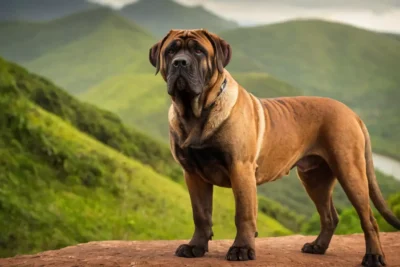
Ranger: Dwarf Dog Captivates US as Eternal Puppy
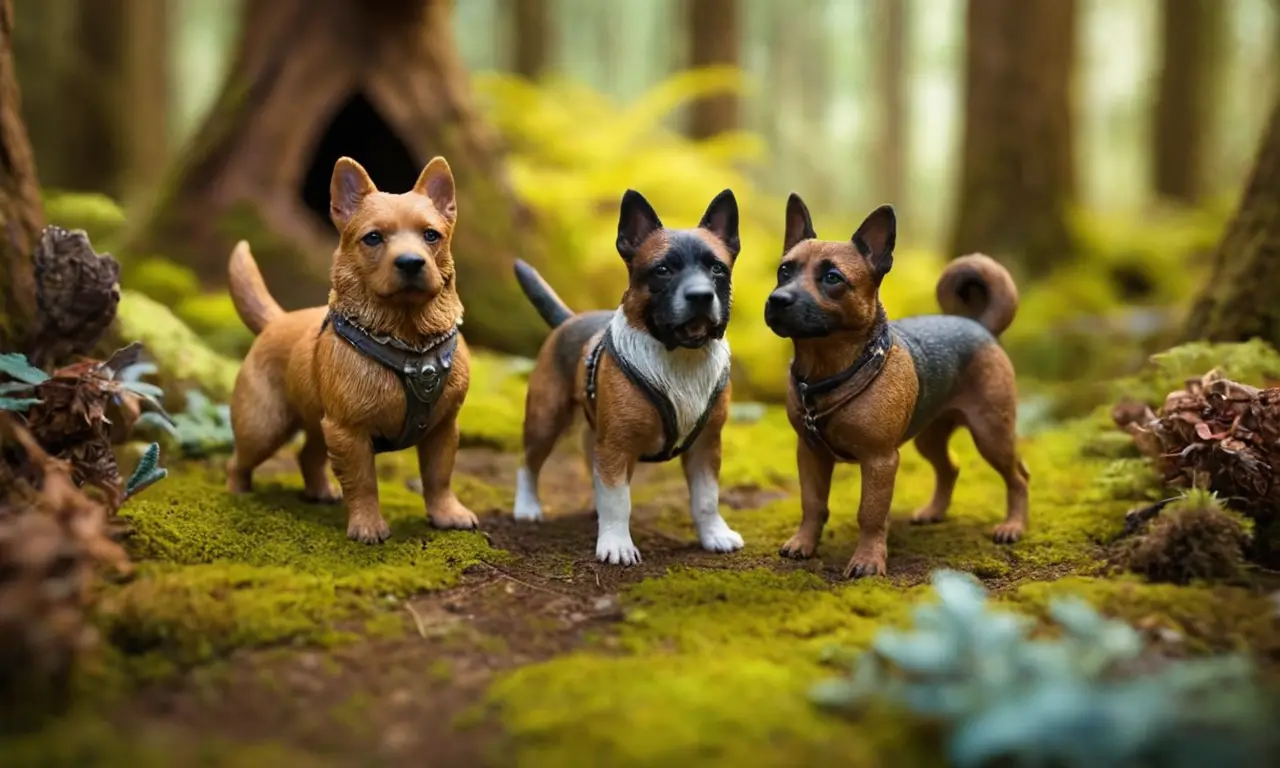
Ranger: Dwarfism in Dogs and the Eternal Puppy Who Conquered America
In a world often captivated by the grand and the imposing, there’s a unique charm in the miniature. This is especially true when it comes to our canine companions. The story of Ranger, a dog whose life has been defined by dwarfism, exemplifies this. Ranger, a canine who appears perpetually like a puppy, has captured the hearts of Americans, showcasing the endearing nature of dogs with dwarfism and raising awareness about this fascinating condition. This article delves into the world of dwarfism in dogs, using Ranger as a shining example of resilience, joy, and the unconditional love that transcends physical differences. We will explore the genetic basis of dwarfism, its various manifestations in dogs, the unique care requirements for affected breeds, and how personalities like Ranger's shine through, defying expectations and melting hearts.
𝙲𝚘𝚗𝚝𝚎𝚗𝚝
- Understanding Dwarfism in Dogs: A Genetic Perspective
- Common Breeds Affected by Dwarfism
- Ranger's Story: A Beacon of Joy
- Health Considerations for Dogs with Dwarfism
- Specialized Care and Management
- The Unwavering Spirit: Personality and Socialization
- Promoting Awareness and Understanding
- In summary: Celebrating the Uniqueness
Understanding Dwarfism in Dogs: A Genetic Perspective
Dwarfism in dogs is not a singular condition but rather a spectrum of genetic mutations that affect bone growth and development. The most common form, achondroplasia, is a genetic disorder characterized by disproportionate dwarfism. This means that the limbs are significantly shorter than normal, while the body and head size remain relatively proportional to the dog's breed standard. Other forms of dwarfism can include disproportionate dwarfism affecting the spine or trunk, leading to a shorter body, or proportionate dwarfism, where all body parts are reduced in size but remain in proportion.
The genetic basis for these conditions often involves mutations in genes responsible for cartilage and bone formation. These genes play a crucial role in the process of endochondral ossification, the process by which cartilage is replaced by bone. When these genes are altered, the growth plates in the long bones close prematurely or develop abnormally, leading to stunted growth and the characteristic features of dwarfism.
Common Breeds Affected by Dwarfism
While dwarfism can occur in any breed, certain breeds are more predisposed due to inherited genetic traits. These include:
- Basset Hounds: Known for their long bodies and short legs, Basset Hounds are a prime example of a breed where disproportionate dwarfism is a natural, though sometimes exaggerated, characteristic.
- Dachshunds: Often referred to as "wiener dogs," Dachshunds are another breed whose distinctive short legs are a result of genetic factors contributing to dwarfism.
- Corgis (Pembroke Welsh and Cardigan Welsh): These beloved herding dogs possess the characteristic short legs and long bodies due to a specific genetic mutation.
- Siberian Huskies and Alaskan Malamutes: While not always considered "dwarf" in the same way as the breeds above, some individuals within these breeds can exhibit forms of dwarfism, often referred to as "miniature" versions.
- Scottish Terriers: These tenacious terriers can also be affected by dwarfism.
It's important to note that responsible breeding practices aim to minimize the occurrence of extreme forms of dwarfism that can lead to significant health issues. However, some breeds have developed characteristics associated with dwarfism as part of their breed standard.
Ranger's Story: A Beacon of Joy
Ranger, the dog who has captured the nation's attention, is a testament to the spirit and resilience of animals. His dwarfism presents him with a perpetually youthful appearance, earning him the affectionate moniker of an "eternal puppy." This endearing quality, combined with a vibrant personality, has made him a social media sensation and a beloved figure.
Eagle Owl Feeding: Diet, Habits, and CareRanger's journey highlights that while dwarfism can present unique challenges, it does not define a dog's capacity for love, joy, or a fulfilling life. His story emphasizes the importance of seeing beyond physical characteristics and appreciating the individual personality and spirit of each animal. Dwarfism in dogs: Ranger, eternal puppy that the US falls in love with is more than just a catchy phrase; it's a reflection of how this remarkable dog has touched so many lives.
Health Considerations for Dogs with Dwarfism
While many dogs with dwarfism live happy and healthy lives, it's essential for owners to be aware of potential health concerns associated with the condition. These can vary depending on the specific type and severity of dwarfism.
- Orthopedic Issues: Due to abnormal bone development, dogs with dwarfism are more prone to orthopedic problems. These can include:
- Hip Dysplasia: A malformation of the hip socket, leading to pain and lameness.
- Elbow Dysplasia: Similar to hip dysplasia, but affecting the elbow joint.
- Intervertebral Disc Disease (IVDD): Particularly common in breeds with long backs and short legs like Dachshunds and Basset Hounds, this condition involves the degeneration of the spinal discs, which can lead to pain, nerve damage, and paralysis.
- Arthritis: Early onset of arthritis is common due to increased stress on joints.
- Dental Problems: Some breeds with dwarfism may have malocclusions or crowded teeth due to skull shape variations.
- Heart Conditions: Certain genetic mutations associated with dwarfism can also be linked to congenital heart defects.
- Eye Conditions: While not directly caused by dwarfism itself, some breeds predisposed to dwarfism may also have a higher incidence of certain eye conditions.
Regular veterinary check-ups are crucial for early detection and management of any potential health issues. A veterinarian can provide tailored advice on diet, exercise, and potential treatments to ensure a good quality of life for a dog with dwarfism.
Specialized Care and Management
Caring for a dog with dwarfism often involves a few extra considerations to ensure their comfort and well-being.
1. Diet and Weight Management:
Maintaining a healthy weight is paramount. Excess weight can put additional strain on their developing joints and exacerbate orthopedic issues. A balanced, high-quality diet formulated for their age and activity level is essential. Owners should consult their veterinarian for specific dietary recommendations.
2. Exercise and Activity:
While dogs with dwarfism may not be built for strenuous activities, regular, moderate exercise is vital for maintaining muscle tone, joint health, and overall fitness. Low-impact activities such as short walks, gentle play, and swimming can be beneficial. It's important to avoid activities that involve excessive jumping or twisting motions, which can put undue stress on their spine and joints.
Ancient Egyptian Cat Names: Unleash Their Divine Side3. Environmental Modifications:
Making minor adjustments to the home environment can significantly improve the quality of life for dogs with dwarfism. This can include:
- Ramps or stairs: To help them access furniture or higher areas without jumping.
- Raised food and water bowls: To reduce strain on their neck and spine.
- Soft bedding: To provide cushioning and support for their joints.
- Non-slip flooring: To prevent slips and falls, especially on hard surfaces.
4. Regular Veterinary Care:
As mentioned, consistent veterinary check-ups are non-negotiable. Early diagnosis and proactive management of any health concerns are key to a long and happy life. This includes regular orthopedic assessments and monitoring for any signs of pain or discomfort.
The Unwavering Spirit: Personality and Socialization
One of the most heartwarming aspects of dogs with dwarfism is that their spirit and personality are rarely diminished by their physical condition. Like Ranger, many of these dogs are full of life, love, and an indomitable will to play and interact. Their unique appearance often draws attention, and positive socialization from a young age is important to ensure they are comfortable and well-adjusted around people and other animals.
Their perceived "eternal puppy" status can be attributed to their smaller size and sometimes a certain youthful exuberance that persists. This makes them incredibly endearing and capable of forming deep bonds with their families. Stories like Ranger's serve as a powerful reminder that love and companionship come in all shapes and sizes, and that the joy a dog brings is immeasurable.
Promoting Awareness and Understanding
The popularity of dogs like Ranger plays a significant role in raising awareness about dwarfism in dogs. It helps to educate the public about the condition, dispel myths, and promote understanding and acceptance. This increased visibility can lead to:
- Responsible Breeding: Greater awareness can encourage breeders to prioritize health over exaggerated physical traits, reducing the incidence of severe dwarfism that leads to suffering.
- Adoption and Rescue: It can encourage people to consider adopting dogs with dwarfism from shelters and rescue organizations, giving these deserving animals loving homes.
- Empathetic Interactions: When people understand dwarfism, they are more likely to interact with these dogs with empathy and respect, rather than curiosity or pity.
Ranger's journey is a beautiful illustration of how a dog's unique characteristics can become a source of immense joy and connection. His story transcends the mere fact of his dwarfism, highlighting the universal appeal of a happy, loved, and well-adjusted pet.
Ancient Egyptian Dog Names & Their MeaningsIn summary: Celebrating the Uniqueness
The phenomenon of dwarfism in dogs: Ranger, eternal puppy that the US falls in love with is a heartwarming tale that shines a spotlight on the incredible diversity within the canine world. It teaches us valuable lessons about acceptance, resilience, and the profound capacity for love that all animals possess. Ranger, with his perpetually youthful charm, reminds us that true beauty lies not in perfection of form, but in the spirit and personality that shines from within. By understanding the genetic underpinnings, potential health considerations, and specialized care needs, we can ensure that all dogs, regardless of their size or appearance, can live long, happy, and fulfilling lives. The love that Ranger has inspired across the US is a testament to the power of these unique companions to enrich our lives in countless ways.
Fila Brasileiro: The Majestic Mastiff of Brazil Explored

Basenji: The Enigmatic Barkless Dog – Congo Terrier Facts

Dog Language & Calm Signals: The Complete Guide
The Enduring Bond: Dogs & Humans, 14,000 Years
Dalmatian Dog: History, Traits & Fun Facts
Can You Have a Monkey as a Pet? The Truth About Primate Companions
Related posts