

Dyspnea in Cats: Causes, Symptoms & Effective Treatment
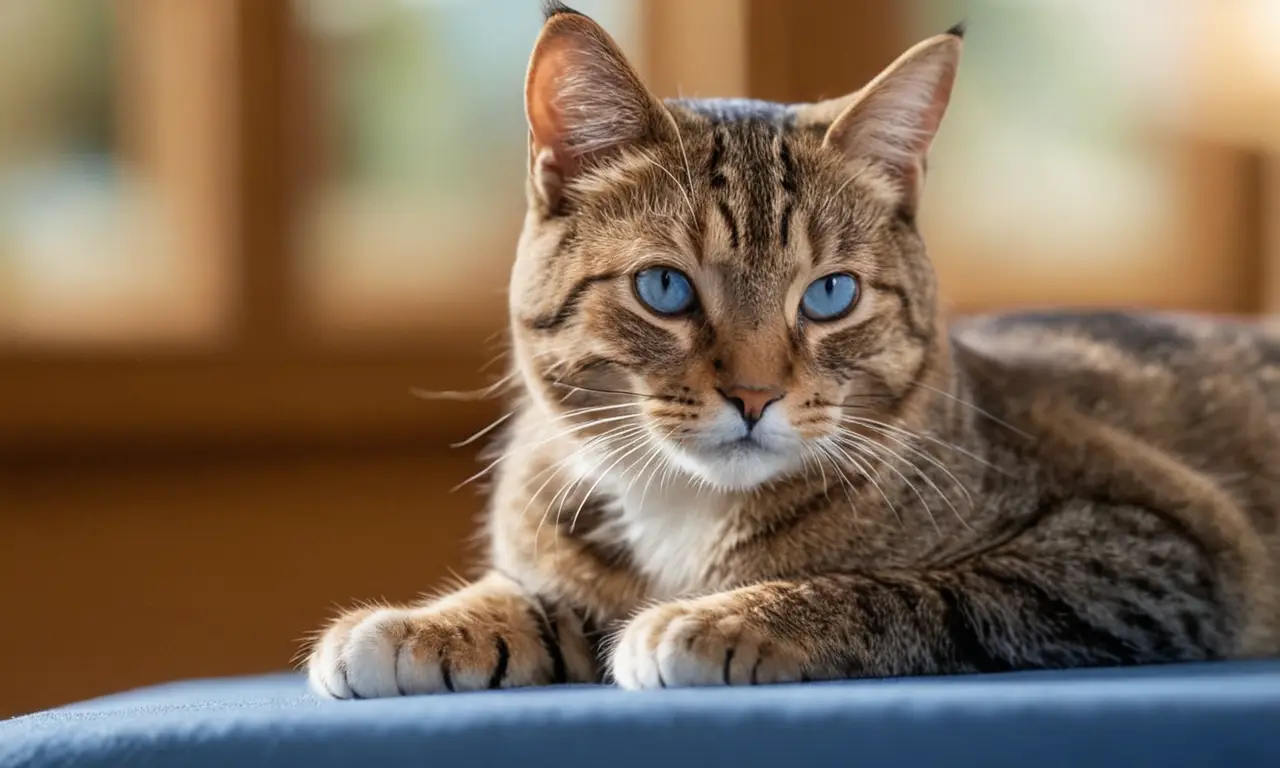
Dyspnea in Cats: Causes, Symptoms & Effective Treatment
Feline dyspnea, commonly known as difficulty breathing in cats, is a serious medical condition that requires immediate veterinary attention. This symptom can arise from a multitude of underlying issues, ranging from cardiac problems to respiratory infections and even environmental irritants. Recognizing the signs of dyspnea and understanding its potential causes are crucial for cat owners to ensure their feline companions receive prompt and appropriate care, ultimately improving their prognosis and quality of life.
𝙲𝚘𝚗𝚝𝚎𝚗𝚝
Understanding Feline Dyspnea
Dyspnea in cats is characterized by abnormal breathing patterns, which can manifest in various ways. Cats experiencing dyspnea may exhibit rapid breathing (tachypnea), shallow breathing, open-mouth breathing (which is unusual for cats), labored breathing with abdominal effort, or even abnormal respiratory sounds such as wheezing or crackling. The underlying cause of dyspnea is a disruption in the normal respiratory process, where the body struggles to obtain enough oxygen or expel sufficient carbon dioxide. This can stem from issues within the lungs themselves, the airways leading to the lungs, the heart, or even external factors that impede breathing. Prompt diagnosis and treatment are paramount as prolonged oxygen deprivation can lead to organ damage and be life-threatening.
Common Causes of Dyspnea in Cats
The reasons behind a cat's difficulty breathing are diverse and often interconnected. A thorough veterinary examination is essential to pinpoint the exact cause. Some of the most prevalent causes include:
1. Cardiac Conditions (Heart Disease)
Feline heart disease is a leading cause of dyspnea. Conditions such as hypertrophic cardiomyopathy (HCM), where the heart muscle thickens, can lead to inefficient pumping of blood. This can result in fluid buildup in the lungs (pulmonary edema) or in the chest cavity (pleural effusion), both of which directly impair breathing. Other cardiac issues like dilated cardiomyopathy (DCM) or valvular disease can also contribute to these fluid accumulations.
- Hypertrophic Cardiomyopathy (HCM): This is the most common form of heart disease in cats. It causes thickening of the heart muscle, making it harder for the heart to fill and pump blood effectively.
- Congestive Heart Failure (CHF): When the heart can no longer pump blood efficiently, fluid can back up into the lungs, causing difficulty breathing.
- Arrhythmias: Irregular heartbeats can affect the heart's ability to pump blood, potentially leading to fluid buildup and dyspnea.
2. Respiratory Infections and Inflammation
The respiratory system, from the nasal passages to the lungs, can become infected or inflamed, obstructing airflow and causing dyspnea.
- Feline Asthma: Similar to human asthma, this condition involves inflammation and narrowing of the airways, leading to wheezing and difficulty breathing. Triggers can include allergens like dust, pollen, or even stress.
- Pneumonia: Infection in the lungs can cause inflammation and fluid accumulation, making it hard for cats to breathe. Pneumonia can be caused by bacteria, viruses, or fungi.
- Bronchitis: Inflammation of the bronchial tubes can lead to coughing and shortness of breath.
- Upper Respiratory Infections (URIs): While often associated with sneezing and nasal discharge, severe URIs can sometimes progress to cause more significant breathing difficulties, especially if they involve the lower airways.
3. Allergic Reactions and Environmental Irritants
Exposure to certain substances can trigger an allergic response or directly irritate the respiratory tract, leading to inflammation and swelling that constricts airways.
Natural Solutions: Ear Infection in Dogs - Home Remedies- Smoke: Exposure to cigarette smoke or smoke from fires can severely irritate a cat's lungs.
- Chemical Irritants: Household cleaning products, air fresheners, or strong perfumes can be harmful.
- Pollen and Dust Mites: For sensitive cats, these common allergens can trigger asthmatic reactions.
4. Pleural Effusion (Fluid in the Chest Cavity)
This condition involves the accumulation of excess fluid in the space between the lungs and the chest wall. The presence of this fluid compresses the lungs, making it difficult for them to expand fully and thus causing dyspnea. Pleural effusion can be a symptom of various underlying issues, including heart disease, infections, or certain types of cancer.
5. Trauma and Injury
Blunt force trauma to the chest, such as from being hit by a car or a fall, can cause internal injuries that lead to breathing difficulties. This can include rib fractures, lung contusions, or pneumothorax (air in the chest cavity, causing lung collapse).
6. Foreign Body Obstruction
Less common, but still possible, is the inhalation of a foreign object (e.g., a piece of toy, food) that becomes lodged in the airway, causing immediate and severe dyspnea.
7. Neoplasia (Cancer)
Tumors in the chest cavity, lungs, or surrounding structures can press on airways or lungs, leading to breathing difficulties. Lymphoma, lung cancer, and mediastinal tumors are among those that can cause dyspnea.
8. Anemia
Severe anemia, a deficiency in red blood cells, means the blood can carry less oxygen. The body compensates by breathing faster and deeper, which can sometimes be perceived as dyspnea.
Recognizing the Symptoms of Dyspnea in Cats
Early recognition of dyspnea is critical for a positive outcome. Owners should be vigilant for any changes in their cat's normal breathing patterns. Key symptoms to watch for include:
Dog Ear Pain: Causes, Symptoms & Relief Strategies- Rapid Breathing (Tachypnea): Breathing at a rate significantly faster than normal when the cat is at rest.
- Open-Mouth Breathing: Cats are obligate nasal breathers. If a cat is panting with its mouth open, it is a strong indicator of respiratory distress.
- Labored Breathing: Using abdominal muscles to breathe, often characterized by the belly visibly moving in and out with each breath.
- Abnormal Respiratory Sounds: Wheezing, crackling, or gurgling noises during inhalation or exhalation.
- Blue or Purple Gums/Tongue (Cyanosis): This is a severe sign indicating a lack of oxygen in the blood and requires immediate emergency care.
- Reluctance to Move or Exercise: Cats may become lethargic and avoid activity due to breathlessness.
- Coughing: While not always present, coughing can accompany dyspnea, especially in cases of asthma or bronchitis.
- Distended Abdomen: In cases of significant pleural effusion, the abdomen may appear swollen due to fluid buildup.
- Head Extended Forward: Some cats may adopt a posture with their head and neck extended to try and open up their airway.
Diagnosis of Dyspnea in Cats
When a cat presents with dyspnea, a veterinarian will perform a comprehensive diagnostic workup. This typically involves:
- Physical Examination: The veterinarian will assess the cat's overall condition, listen to lung and heart sounds using a stethoscope (auscultation), and observe the breathing pattern.
- Oxygen Saturation Monitoring: Using a pulse oximeter to measure the level of oxygen in the cat's blood.
- Radiographs (X-rays): Chest X-rays are crucial for visualizing the lungs, heart, and pleural space to identify fluid, masses, or structural abnormalities.
- Blood Tests: Complete blood count (CBC) to check for anemia or infection, and biochemistry profiles to assess organ function.
- Echocardiogram (Ultrasound of the Heart): Essential for diagnosing cardiac conditions, assessing heart muscle thickness, valve function, and overall pumping efficiency.
- Bronchoscopy/Laryngoscopy: In some cases, a scope may be used to visualize the airways directly, especially if a foreign body or severe inflammation is suspected.
- Thoracentesis: If pleural effusion is present, a needle is used to collect fluid from the chest cavity for analysis, which can help determine the cause.
Treatment of Dyspnea in Cats
The Dyspnea in cats - Treatment and causes approach is highly dependent on the underlying diagnosis. The primary goal is to alleviate the breathing difficulty, improve oxygenation, and then address the root cause.
1. Emergency Stabilization
In severe cases, immediate oxygen therapy is crucial. Cats may be placed in an oxygen cage or given supplemental oxygen via a mask. Intravenous fluids may be administered to support circulation and hydration.
2. Medications
- Diuretics: For conditions like congestive heart failure or pleural effusion, diuretics (e.g., furosemide) are used to remove excess fluid from the lungs and body.
- Bronchodilators: Medications like albuterol (inhalers or nebulizers) can help open up narrowed airways in cases of asthma.
- Corticosteroids: These anti-inflammatory drugs are often used to reduce inflammation in the airways, particularly in asthmatic cats or those with pneumonia.
- Antibiotics: If a bacterial infection is suspected as the cause of pneumonia or other respiratory infections, antibiotics will be prescribed.
- Heart Medications: For cardiac-related dyspnea, veterinarians may prescribe medications to improve heart function, such as ACE inhibitors or beta-blockers.
- Anticoagulants: In some cardiac conditions, blood thinners might be necessary to prevent clot formation.
3. Fluid Drainage
If significant pleural effusion is present, thoracentesis (draining the fluid from the chest cavity) can provide immediate relief and allow for easier breathing. This procedure may need to be repeated if fluid reaccumulates.
4. Surgery
In specific cases, surgery may be required. This could include:
- Removal of a Foreign Body: If an object is obstructing the airway.
- Tumor Resection: If a tumor is causing compression of the airways or lungs.
- Chest Tube Placement: To continuously drain fluid or air from the chest cavity.
5. Environmental Management and Supportive Care
- Allergen Avoidance: Identifying and removing potential allergens from the cat's environment is vital for asthmatic cats. This includes using air purifiers, avoiding dusty litter, and limiting exposure to smoke.
- Stress Reduction: A calm environment can help cats with respiratory issues.
- Weight Management: For overweight cats, losing weight can reduce the strain on their respiratory and cardiovascular systems.
- Regular Veterinary Check-ups: Crucial for monitoring chronic conditions and early detection of any worsening symptoms.
Prevention and Prognosis
While not all cases of dyspnea can be prevented, proactive pet ownership can reduce the risk and improve outcomes.
Ebastine for Dogs: Dosage, Uses, and Safety- Regular Veterinary Care: Annual or semi-annual check-ups allow veterinarians to detect potential health issues, including early signs of heart disease or respiratory problems, before they become severe.
- Maintain a Healthy Environment: Avoid smoking around your cat, limit exposure to strong chemicals and air fresheners, and keep the home clean to minimize dust and allergens.
- Monitor for Changes: Be observant of your cat's behavior and breathing patterns. Any deviation from normal warrants a call to your veterinarian.
- Proper Nutrition: A balanced diet supports overall health and immune function.
The prognosis for cats experiencing dyspnea varies greatly depending on the underlying cause, the severity of the condition, and how quickly treatment is initiated. Cats with treatable infections or mild asthma may have a good prognosis with appropriate medical management. However, advanced heart disease or aggressive cancers can present a more guarded outlook. Early intervention and consistent follow-up care with your veterinarian are the most critical factors in achieving the best possible outcome for your feline companion.
In conclusion, Dyspnea in cats - Treatment and causes is a complex medical challenge that demands immediate attention. By understanding the diverse causes, recognizing the subtle yet critical symptoms, and seeking prompt veterinary diagnosis and treatment, cat owners play a vital role in safeguarding their pets' respiratory health and overall well-being.
Cat Urinary Crystals: Types, Symptoms & Treatment Guide

Cat Weight: How Do I Know If My Cat Is Fat?

Encephalitis in Dogs: Symptoms, Causes & Treatment

Dog Cavities: Causes, Symptoms, and Treatment Options

Natural Flea Relief: Home Remedies for Fleas in Cats

Newborn Puppy Feeding Guide: From Birth to Weaning
Related posts