
Rottweiler Exercise: Vital Routines for a Happy Dog
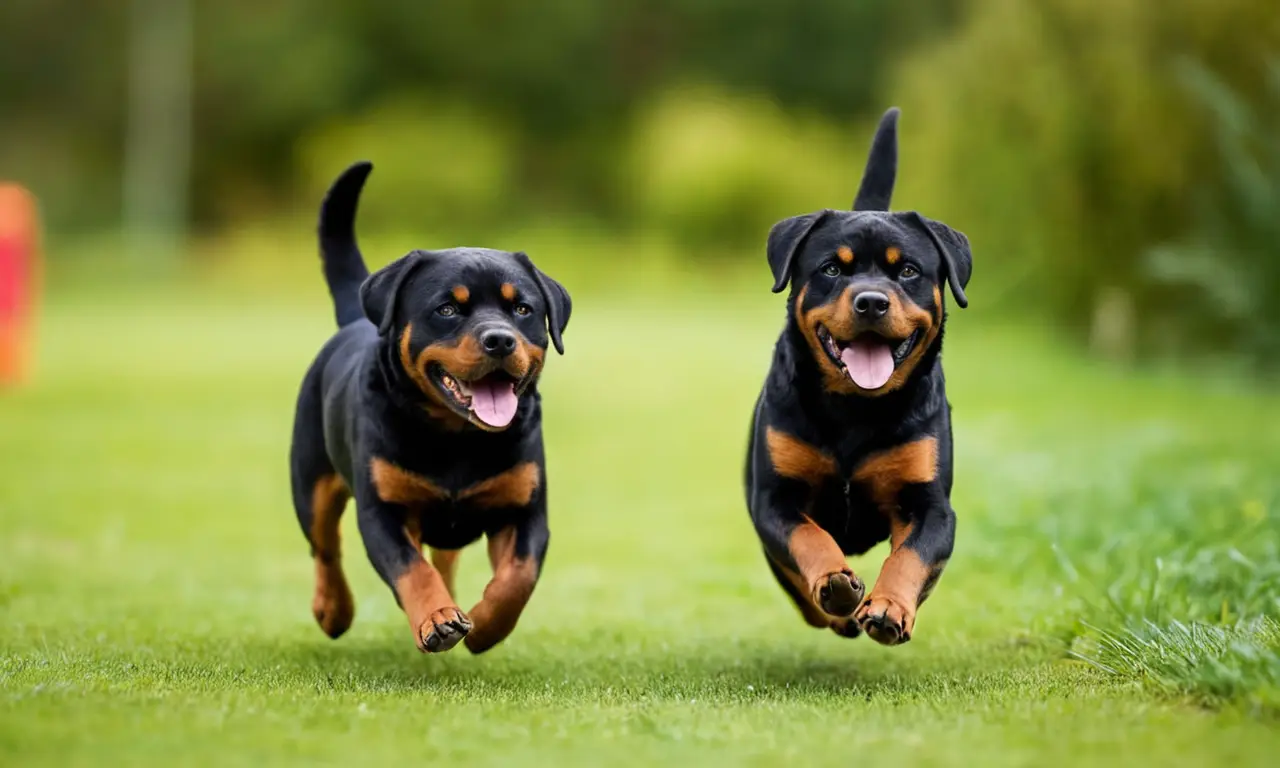
Rottweiler Exercise: Vital Routines for a Happy Dog
Rottweilers, with their powerful build and intelligent minds, are a breed that thrives on activity. Proper exercise is not merely about burning off energy; it's fundamental to their physical health, mental well-being, and overall behavior. Without adequate physical and mental stimulation, Rottweilers can develop behavioral issues, become overweight, and suffer from boredom-induced destructive tendencies. This comprehensive guide delves into the essential aspects of Exercises for rottweiler dogs, exploring the types of activities that best suit their needs, the importance of consistency, and how to tailor exercise routines to their age and individual temperament. Understanding and implementing a well-rounded exercise plan is paramount for any Rottweiler owner seeking to foster a happy, healthy, and well-adjusted companion.
𝙲𝚘𝚗𝚝𝚎𝚗𝚝
- Understanding the Rottweiler's Energy Levels and Needs
- The Cornerstone of Rottweiler Well-being: Physical Exercise
- The Crucial Role of Mental Stimulation
- Exercise Considerations for Rottweiler Puppies
- Exercise for Senior Rottweilers
- Recognizing Signs of Under- and Over-Exercising
- Creating a Consistent Exercise Routine
- In summary
Understanding the Rottweiler's Energy Levels and Needs
Rottweilers are often perceived as low-energy dogs, but this is a misconception. While they may enjoy relaxing sessions, they were originally bred as working dogs, used for herding cattle and guarding property. This working heritage means they possess a significant amount of stamina and require regular, vigorous activity to stay happy and healthy. Their strong bodies are built for endurance, and their intelligent minds need constant engagement.
Several factors influence a Rottweiler's individual exercise needs:
- Age: Puppies and younger adult Rottweilers will generally have higher energy levels and a greater need for varied activities. Senior dogs will require less intense, shorter sessions.
- Health: Any underlying health conditions will dictate the type and intensity of exercise that is safe and beneficial. Always consult your veterinarian before starting a new exercise regimen, especially if your dog has any health concerns.
- Temperament: Some Rottweilers are naturally more energetic than others. Observing your dog's behavior will provide clues as to whether they are getting enough exercise. Signs of under-exercising can include restlessness, excessive barking, destructive chewing, and a general lack of focus.
- Environment: Dogs living in spacious yards might have more opportunities for self-directed play, but structured exercise is still crucial. Apartment dwellers will need to be particularly diligent in providing their Rottweilers with ample opportunities to move and explore.
The Cornerstone of Rottweiler Well-being: Physical Exercise
Physical exercise is the most obvious component of ensuring your Rottweiler is well-exercised. It helps maintain a healthy weight, builds strong muscles and bones, and improves cardiovascular health. Here are some of the most effective Exercises for rottweiler dogs:
1. Brisk Walks and Jogging
This is the most accessible and fundamental form of exercise for Rottweilers. Aim for at least two brisk walks a day, each lasting 30 to 60 minutes. The key is "brisk" – your dog should be moving at a pace that elevates their heart rate and requires them to pant slightly.
- Vary the Routes: To keep walks interesting for your Rottweiler, vary the routes you take. Explore different parks, neighborhoods, or trails. New sights, sounds, and smells provide mental stimulation alongside physical exertion.
- Incorporate Hills: If possible, incorporate some hilly terrain into your walks. This adds an extra challenge and works different muscle groups.
- Leash Manners: Ensure your Rottweiler has excellent leash manners. This not only makes walks more enjoyable for you but also ensures their safety and allows for more freedom to explore without being a danger to themselves or others.
2. Running and Hiking
Once your Rottweiler is fully grown and has completed their initial skeletal development (typically around 18-24 months for large breeds), running and hiking can be excellent activities. These activities provide a more intense cardiovascular workout and allow them to explore more challenging terrains.
- Gradual Introduction: Start with short runs and gradually increase the duration and intensity. Pay close attention to your dog's stamina and avoid overexertion, especially in hot weather.
- Hydration: Always carry plenty of water for your dog on longer runs or hikes.
- Trail Safety: Be mindful of potential hazards on trails, such as sharp objects, poisonous plants, or encounters with wildlife.
3. Fetch and Playtime
While it might seem simple, games of fetch are fantastic for building your Rottweiler's agility, speed, and responsiveness. Use durable toys that can withstand their powerful jaws.
Canine EPI: Symptoms, Diagnosis & Treatment for Dogs- Varied Toys: Introduce different types of toys to keep things engaging, such as balls, frisbees (if your dog enjoys them), or tough chew toys.
- Interactive Play: Don't just throw the ball; engage with your dog during playtime. This strengthens your bond and provides valuable mental stimulation.
- Tug-of-War: When played correctly, tug-of-war can be an excellent exercise for both you and your Rottweiler. Ensure you establish rules, such as the dog releasing the toy on command, to maintain control and prevent aggressive behavior.
4. Swimming
Many Rottweilers enjoy swimming, which is a low-impact, full-body workout. It’s particularly beneficial for older dogs or those with joint issues as it's gentle on their joints.
- Safe Entry and Exit: Ensure there are safe ways for your dog to enter and exit the water.
- Supervision: Always supervise your Rottweiler when they are swimming, even if they are strong swimmers.
- Rinse Off: After swimming, it's important to rinse your dog off with fresh water to remove chlorine or salt, which can irritate their skin.
5. Dog Sports and Agility
For Rottweilers with a high drive and a love for activity, dog sports can be incredibly rewarding. These activities provide both physical and mental challenges.
- Obedience Training: While not strictly a "sport," advanced obedience training is a form of mental exercise that is crucial for Rottweilers. It reinforces good behavior and strengthens the bond between dog and owner.
- Agility Training: Agility courses, with their jumps, tunnels, and weave poles, are excellent for developing your Rottweiler's coordination, confidence, and athleticism.
- Canicross: This is a form of cross-country running where the dog is attached to the runner via a harness and towline. It’s a great way to incorporate your Rottweiler into your running routine.
- Rally Obedience: This is a team sport where the dog and handler navigate a course of obedience stations. It’s a fun and engaging way to practice obedience skills.
The Crucial Role of Mental Stimulation
Physical exercise is only half the equation for a well-rounded Rottweiler. Mental stimulation is equally important, as Rottweilers are intelligent dogs that can become bored and destructive if their minds are not engaged.
1. Puzzle Toys and Treat Dispensers
These toys are designed to challenge your dog's problem-solving skills. They require your Rottweiler to figure out how to access treats, providing hours of mental engagement.
- Variety is Key: Rotate puzzle toys to keep them interesting and challenging.
- Start Simple: Begin with easier puzzles and gradually introduce more complex ones as your dog masters them.
2. Training Sessions
Regular training sessions are a fantastic way to provide mental exercise. They reinforce basic commands, teach new tricks, and improve your dog's focus and problem-solving abilities.
- Short and Frequent: Short, positive training sessions (5-10 minutes) multiple times a day are more effective than one long session.
- Positive Reinforcement: Use positive reinforcement methods, such as treats, praise, and play, to make training enjoyable.
- Trick Training: Teaching your Rottweiler fun tricks not only provides mental stimulation but also strengthens your bond.
3. Scent Work and Nose Games
Rottweilers have a strong sense of smell, and scent games can be incredibly stimulating for them.
- Hide and Seek: Hide treats or toys around the house or yard and encourage your Rottweiler to find them.
- Scent Trails: Create simple scent trails for your dog to follow. This can be done with treats or a favorite toy.
- Professional Scent Work: Consider enrolling in a professional scent work class if your dog shows a strong aptitude for it.
4. Socialization
While not direct exercise, positive social interactions with other well-behaved dogs and people are crucial for a Rottweiler's mental well-being. It helps them develop good social skills and reduces anxiety.
Cat Eye Drops: Types, Doses, and Essential Uses- Controlled Environments: Ensure social interactions are in safe, controlled environments.
- Positive Experiences: Focus on creating positive experiences for your Rottweiler during socialization.
Exercise Considerations for Rottweiler Puppies
Rottweiler puppies have different needs than adult dogs. Their bones and joints are still developing, so high-impact activities should be avoided.
- Short, Frequent Play Sessions: Puppies have short attention spans and need frequent bursts of activity. Several short play sessions throughout the day are ideal.
- Gentle Walks: Leash training can begin early with short, gentle walks around the house or yard.
- Avoid Overexertion: Do not force a puppy to exercise for extended periods or engage in strenuous activities like long-distance running. This can lead to joint damage.
- Socialization is Key: Early socialization is paramount for puppies, exposing them to various sights, sounds, people, and well-behaved dogs in a positive manner.
Exercise for Senior Rottweilers
As Rottweilers age, their exercise needs will change. While they may slow down, it's still vital to keep them active to maintain muscle mass, joint health, and cognitive function.
- Shorter, More Frequent Walks: Instead of one long walk, opt for several shorter, gentler walks throughout the day.
- Low-Impact Activities: Swimming or gentle physical therapy can be excellent options for seniors.
- Mental Stimulation: Continue to provide mental challenges with puzzle toys and gentle training sessions.
- Veterinary Consultation: Always consult your veterinarian about appropriate exercise for your senior Rottweiler, especially if they have any age-related health issues.
Recognizing Signs of Under- and Over-Exercising
It's crucial to be able to recognize the signs that your Rottweiler is either not getting enough or getting too much exercise.
Signs of Under-Exercising:
- Restlessness and pacing
- Excessive barking
- Destructive chewing and digging
- Lethargy or depression
- Weight gain
- Difficulty settling down
Signs of Over-Exercising:
- Extreme fatigue or exhaustion
- Excessive panting that doesn't subside
- Limping or soreness
- Reluctance to move
- Heatstroke symptoms (excessive drooling, vomiting, diarrhea, collapse) – seek immediate veterinary attention.
Creating a Consistent Exercise Routine
Consistency is key to reaping the full benefits of Exercises for rottweiler dogs. Establish a regular schedule that works for both you and your dog.
- Morning and Evening: Most Rottweilers benefit from a good walk or play session in the morning and another in the evening.
- Weekend Adventures: Dedicate time on weekends for longer outings, hikes, or trips to the dog park.
- Flexibility: Be prepared to adjust your routine based on weather, your dog's energy levels, and any changes in their health.
In summary
Providing adequate Exercises for rottweiler dogs is a non-negotiable aspect of responsible ownership. A combination of physical activity and mental stimulation is essential for their overall health, happiness, and good behavior. By understanding your Rottweiler's individual needs and committing to a consistent and varied exercise regimen, you can ensure they lead a fulfilling and well-balanced life, strengthening your bond and creating a loyal, happy companion for years to come. Remember, a tired Rottweiler is a good Rottweiler.
Dog Diabetes Risk Factors Revealed: Key Insights
Cat Urinary Crystals: Types, Symptoms & Treatment Guide
Cat Weight: How Do I Know If My Cat Is Fat?
Encephalitis in Dogs: Symptoms, Causes & Treatment
Dog Cavities: Causes, Symptoms, and Treatment Options
Natural Flea Relief: Home Remedies for Fleas in Cats

Newborn Puppy Feeding Guide: From Birth to Weaning
Related posts