

Feeding the Lion: Mastering Big Cat Nutrition & Care
Feeding the Lion: Mastering Big Cat Nutrition & Care
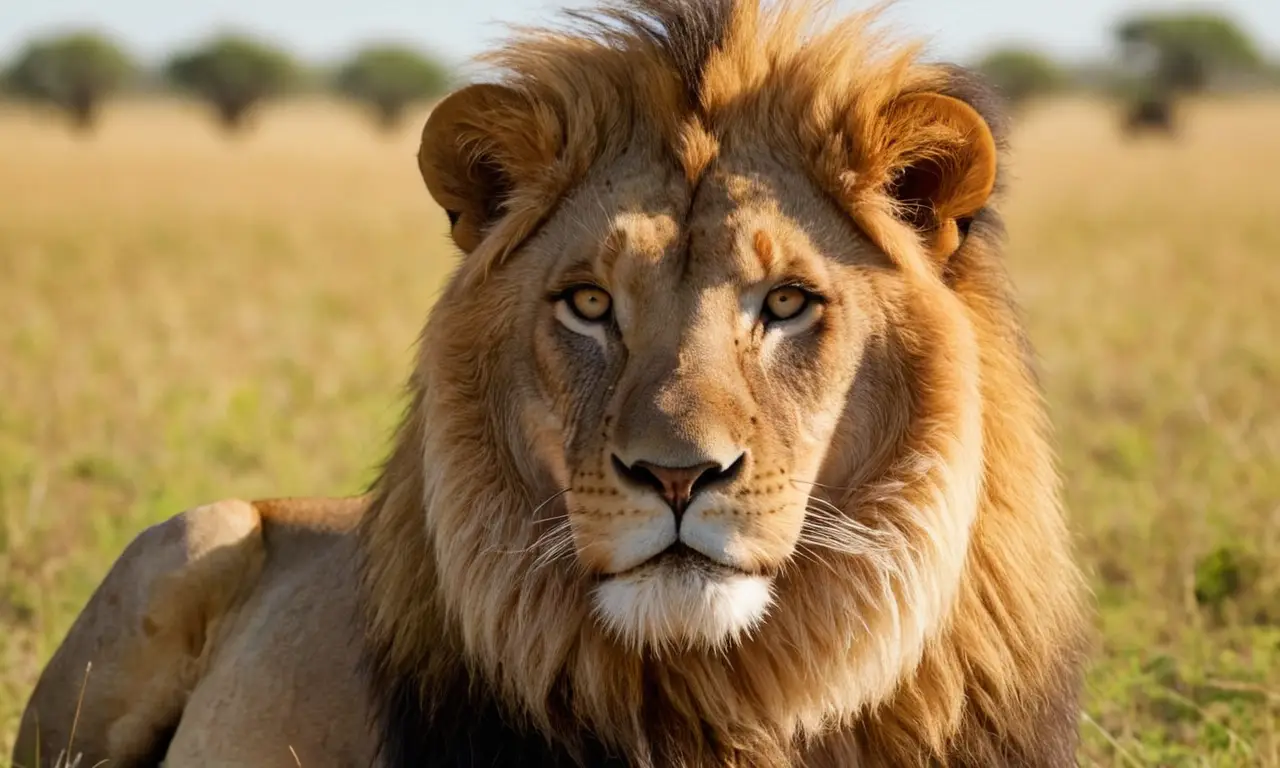
Feeding the lion, whether in a zoological setting or in the wild, is a complex and crucial aspect of their survival and well-being. This article delves into the intricate world of big cat diets, exploring the nutritional science behind their carnivorous needs, the practicalities of provisioning, and the vital role of proper feeding in maintaining their health, behavior, and the overall success of conservation efforts. Understanding what and how these apex predators are fed is not just about filling a belly; it’s about replicating their natural ecological roles and ensuring their continued existence.
𝙲𝚘𝚗𝚝𝚎𝚗𝚝
The Carnivore's Blueprint: Understanding Big Cat Physiology
Big cats, including lions, tigers, leopards, jaguars, and cheetahs, are obligate carnivores. This classification is not merely a dietary preference but a fundamental biological imperative. Their physiology is exquisitely adapted to a diet composed almost entirely of animal tissue. This means their digestive systems, metabolic processes, and even their sensory organs are geared towards hunting, consuming, and processing prey.
Digestive System Adaptations
Unlike omnivores or herbivores, big cats possess a relatively short digestive tract. This is efficient for processing meat, which is more easily digestible than plant matter. Their stomach is highly acidic, capable of breaking down bone and flesh, and their intestinal enzymes are specialized for protein and fat metabolism. The lack of complex carbohydrate-digesting enzymes highlights their evolutionary path as pure meat-eaters.
Nutritional Requirements: Beyond Just Meat
While meat forms the cornerstone of their diet, feeding the lion and other big cats requires a nuanced understanding of specific nutritional components. A successful diet isn't just about providing muscle meat; it encompasses a balance of:
- Protein: Essential for muscle development, tissue repair, and enzymatic functions. Big cats have a higher protein requirement than many other mammals.
- Fat: A concentrated source of energy, crucial for maintaining body temperature and providing essential fatty acids. Different types of fats, including Omega-3 and Omega-6, are vital.
- Vitamins: Particularly Vitamin A (obtained from liver), B vitamins (essential for metabolism), and Vitamin D.
- Minerals: Calcium and phosphorus are critical for bone health, in a specific ratio. Other minerals like iron, zinc, and selenium are also vital.
- Water: Hydration is paramount, and while much is obtained from prey, constant access to fresh water is non-negotiable.
The Importance of Whole Prey
In their natural habitat, big cats consume whole prey, which naturally provides the correct balance of nutrients. This includes not just muscle meat but also organs, bones, and blood. Organs are rich in vitamins and minerals, while bones provide calcium and phosphorus. The fur or feathers of prey can also contribute to fiber intake. This complete package is difficult to replicate entirely in captivity.
The Practicalities of Feeding the Lion in Captivity
The challenge of feeding the lion in zoos and wildlife sanctuaries lies in replicating the nutritional completeness of a wild diet while ensuring safety, hygiene, and cost-effectiveness.
FirstMate Dog Food: Unveiling Its Composition & BenefitsDiet Composition: What's on the Menu?
The most common food source for captive big cats is commercially prepared meat. This is often a mixture of horse meat, beef, and poultry. However, simply feeding muscle meat is insufficient and can lead to long-term health problems. Modern zoological diets are formulated to be nutritionally complete, often incorporating:
- Meat: Typically a blend of lean and fatty meats to provide adequate protein and fat.
- Organ Meats: Liver, heart, and kidney are frequently added to supply essential vitamins and minerals.
- Bones: Ground bone or calcium supplements are crucial for maintaining the correct calcium-to-phosphorus ratio.
- Supplements: Vitamins and minerals are often added to ensure a complete and balanced diet, especially if whole prey is not consistently available or if specific deficiencies are identified.
- Water: Always provided fresh and accessible.
Sourcing and Quality Control
The quality and safety of the meat used are paramount. Reputable zoos and sanctuaries work with suppliers who adhere to strict food safety standards. The meat is typically frozen to kill parasites and bacteria and is thawed just before feeding. Regular testing for contaminants and pathogens is also a critical part of the process.
Feeding Schedules and Methods
The frequency and method of feeding can vary depending on the species, age, health status, and behavioral enrichment goals.
- Frequency: Adult big cats are often fed one large meal per day or every other day, mimicking the infrequent but substantial meals they would consume after a successful hunt. This also helps to prevent obesity.
- Enrichment Feeding: Simply placing a pile of meat in a feeding area is not ideal. To encourage natural hunting behaviors and reduce stress, feeding often incorporates enrichment techniques. This can include:
- Scattering food: Spreading meat around the enclosure to encourage searching.
- Hiding food: Concealing meat in puzzle feeders, logs, or elevated spots.
- Hanging meat: Suspending meat from branches to mimic prey hanging from trees.
- Using scent: Incorporating animal scents to stimulate hunting instincts.
- Live prey (rare and controversial): In some specialized research or conservation breeding programs, live prey might be used, but this is highly regulated due to welfare concerns for both predator and prey, and the risk of injury to the predator.
Portion Control and Monitoring
Accurate portion control is essential to prevent obesity, which can lead to serious health issues like arthritis, heart disease, and reproductive problems. Regular monitoring of body weight and condition is a standard practice for all captive big cats.
The Link Between Feeding the Lion and Health
Proper nutrition is the bedrock of good health for big cats. Deficiencies or imbalances in their diet can manifest in a variety of health problems.
Common Nutritional Deficiencies and Their Impact
- Calcium and Phosphorus Imbalance: Can lead to metabolic bone disease, characterized by weak, brittle bones, lameness, and fractures. This is a significant concern if a diet is predominantly muscle meat without adequate bone or supplementation.
- Vitamin A Deficiency: Primarily from a lack of liver in the diet, it can cause poor eyesight, reproductive issues, and skin problems.
- Vitamin E and Selenium Deficiency: Can lead to muscle degeneration and other health complications.
- Obesity: Overfeeding or a diet too high in fat can lead to a cascade of health problems, reducing lifespan and quality of life.
The Role of Diet in Behavioral Health
Beyond physical health, nutrition significantly impacts a big cat's behavior. A well-fed, appropriately stimulated animal is less likely to exhibit stereotypic behaviors (repetitive, abnormal behaviors like pacing) and is generally calmer and more engaged with its environment. Feeding the lion with enrichment strategies can reduce stress and promote natural behaviors, contributing to their psychological well-being.
Baby Iguana Diet: Essential Foods & Nutrition GuideConservation and Feeding the Lion
In the wild, the concept of feeding the lion is intrinsically linked to the health of ecosystems. Apex predators like lions play a critical role in regulating prey populations, which in turn influences vegetation and the overall biodiversity of their habitat.
Prey Availability and Human Conflict
In many parts of their range, wild lion populations face threats from habitat loss and prey depletion. This often forces them into closer contact with human settlements, leading to livestock predation and subsequent retaliatory killings. Understanding the dietary needs of wild lions can inform conservation strategies aimed at maintaining healthy prey populations and mitigating human-wildlife conflict.
Captive Breeding Programs and Genetic Diversity
Zoos and wildlife sanctuaries play a crucial role in conservation through captive breeding programs. For these programs to be successful, the nutritional needs of the breeding animals must be meticulously met. A healthy diet is essential for reproductive success, cub survival, and the long-term viability of the species in captivity, serving as a genetic reservoir for potential reintroduction efforts or to support wild populations.
Challenges and Future Directions in Big Cat Nutrition
Despite significant advancements, challenges remain in optimizing the nutrition of big cats.
Replicating Natural Diets with Modern Foods
While commercial diets are formulated for nutritional completeness, they often lack the texture, scent, and physical act of tearing and chewing that is part of a natural meal. Research is ongoing to develop food sources that better mimic whole prey.
Individualized Nutrition Plans
As our understanding of feline physiology deepens, there is a growing trend towards more individualized feeding plans. Factors like age, reproductive status, activity level, and specific health conditions (e.g., kidney disease, allergies) require tailored dietary adjustments.
Cat Hepatitis Diet: Essential Foods for Your Feline FriendThe Ethics of Feeding the Lion
The practice of feeding the lion in captivity, particularly when considering the sourcing of meat, raises ethical considerations. Zoos and sanctuaries are increasingly committed to ethical sourcing, preferring to use animal by-products from humane and sustainable sources, rather than contributing to unnecessary animal slaughter.
In summary: A Commitment to Well-being
Feeding the lion is a multifaceted endeavor that extends far beyond simply providing sustenance. It is a science-driven practice rooted in understanding the intricate biological needs of these magnificent predators. From the precise balance of proteins, fats, vitamins, and minerals to the enrichment strategies that stimulate natural behaviors, every aspect of their diet plays a vital role in their physical and psychological health. As we continue to learn and evolve our practices, our commitment to providing optimal nutrition is a cornerstone of both captive animal welfare and the broader conservation of these iconic species. The future of big cat conservation hinges, in part, on our ability to master the art and science of feeding the lion and their kin.
Festive Feasts: Top Christmas Recipes for Dogs

Dog Kidney Failure Diet: Homemade Solutions & Care Tips

Choosing the Best Dog Food: A Comprehensive Guide
Cat Hepatitis Diet: Essential Foods for Your Feline Friend
Understanding the Composition of Cat Food for Health

Obese Dog Diet: Vet-Approved Weight Loss Strategies
Related posts