

Feline Alopecia: Causes, Symptoms & Effective Treatments
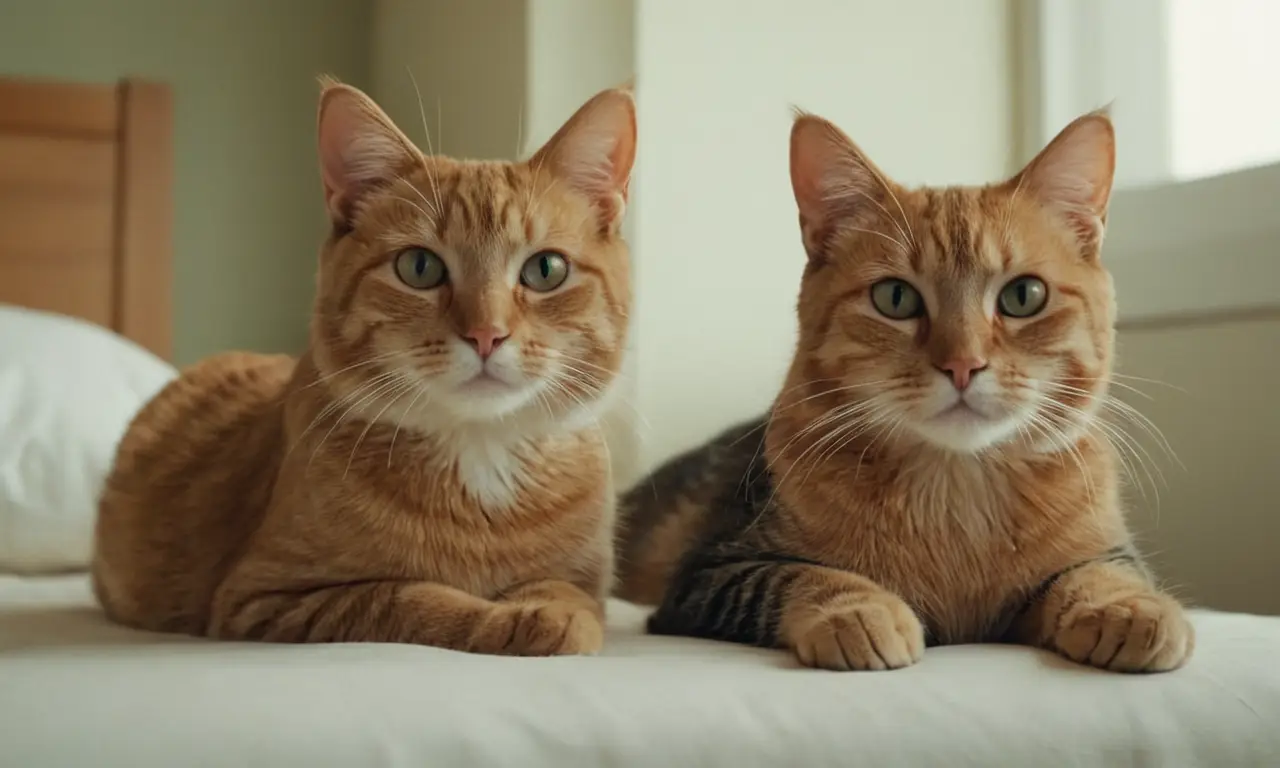
Feline Psychogenic Alopecia: Causes, Symptoms, and Treatment
Feline psychogenic alopecia is a complex behavioral condition in cats characterized by excessive grooming leading to hair loss. This condition, often referred to as overgrooming, stems from underlying stress, anxiety, or behavioral issues, rather than primary skin disease. Understanding the triggers, recognizing the subtle signs, and implementing appropriate treatment strategies are crucial for restoring your feline companion's well-being and coat health. This comprehensive guide delves into the multifaceted nature of Feline psychogenic alopecia - Causes, symptoms and treatment, offering insights for concerned cat owners.
𝙲𝚘𝚗𝚝𝚎𝚗𝚝
- Understanding Feline Psychogenic Alopecia
- The Multifaceted Causes of Feline Psychogenic Alopecia
- Recognizing the Symptoms of Feline Psychogenic Alopecia
- The Diagnostic Process: Ruling Out Other Conditions
- Treatment Strategies for Feline Psychogenic Alopecia
- Prognosis and Long-Term Management
- When to Seek Professional Help
Understanding Feline Psychogenic Alopecia
Psychogenic alopecia, also known as stress-induced alopecia, is a diagnosis of exclusion. This means that before considering it, veterinarians must rule out all other possible medical causes for the hair loss, such as parasites (fleas, mites), fungal infections (ringworm), allergies (food, environmental), hormonal imbalances, or other dermatological conditions. Once medical causes are eliminated, the focus shifts to the cat's mental and emotional state.
Cats are creatures of habit and are highly sensitive to changes in their environment and routines. When faced with stressors, they may engage in displacement behaviors, one of which is excessive grooming. This grooming can become compulsive and lead to the removal of healthy fur, creating bald patches, often symmetrically distributed on the cat's body.
The Multifaceted Causes of Feline Psychogenic Alopecia
The roots of Feline psychogenic alopecia - Causes, symptoms and treatment are often intertwined with a cat's emotional landscape. Identifying these underlying triggers is the first and most critical step in addressing the problem.
Environmental Stressors
Changes in a cat's living environment are common instigators of stress. These can include:
- Introduction of a New Pet: Whether it's another cat, dog, or even a small animal, a new household member can disrupt the established social hierarchy and create tension.
- New Human Household Member: The arrival of a baby or a new partner can significantly alter a cat's routine and sense of security.
- Moving to a New Home: The unfamiliar surroundings, smells, and sounds of a new residence can be overwhelming for cats.
- Home Renovations or Reorganization: Loud noises, unfamiliar people (contractors), and rearranged furniture can disrupt a cat's sense of order.
- Changes in Owner's Schedule: Longer working hours, frequent travel, or changes in who is home when can affect a cat's companionship and routine.
- Lack of Stimulation or Boredom: Indoor cats, especially those without adequate environmental enrichment, can become bored and anxious.
- Conflict with Other Pets: Sibling rivalry or territorial disputes between resident cats can lead to chronic stress.
- External Stressors: Loud noises from outside (construction, traffic, fireworks), or the presence of stray animals visible from windows can cause anxiety.
Social Stressors
A cat's social interactions play a vital role in their emotional well-being.
- Inter-cat Aggression: Even subtle forms of aggression, like staring, blocking access to resources, or mild hissing, can create a constant state of anxiety for a subordinate cat.
- Inadequate Socialization During Kittenhood: Kittens who haven't had sufficient positive experiences with humans and other animals may struggle with social interactions and be more prone to anxiety.
- Owner's Emotional State: Cats are perceptive and can pick up on their owner's stress or anxiety, which can, in turn, affect their own emotional state.
Boredom and Lack of Enrichment
A mentally understimulated cat is more likely to develop behavioral issues.
Feline Triaditis: Symptoms, Causes, and Treatment Explained- Insufficient Playtime: Lack of interactive play with their owners can lead to pent-up energy and frustration.
- Limited Opportunities for Exploration: Cats are naturally curious. If their environment doesn't offer opportunities for exploration and discovery, they can become bored.
- Lack of Vertical Space: Cats feel safer and more secure when they have access to high places to observe their surroundings.
Recognizing the Symptoms of Feline Psychogenic Alopecia
The most obvious symptom is hair loss, but it's crucial to observe the pattern and the cat's behavior leading up to and during grooming.
Visible Signs of Hair Loss
- Symmetrical Hair Loss: This is a hallmark of psychogenic alopecia. The hair loss is often observed in areas the cat can easily reach with its tongue, such as the belly, inner thighs, flanks, and forelegs.
- Patchy or Thinning Fur: Instead of complete baldness, some cats may exhibit thinning fur, making their skin visible.
- Skin Appearance: The underlying skin is usually normal, without redness, scaling, or scabs unless secondary infections develop due to excessive licking or scratching.
- Hair Plucking: In severe cases, owners might find small clumps of hair around the cat's favorite resting spots.
Behavioral Clues
Observing your cat's grooming habits is key to identifying the problem early.
- Excessive Grooming (Overgrooming): This is the primary behavioral indicator. The grooming may appear more intense, prolonged, or frequent than normal.
- Compulsive Licking or Chewing: The cat may be seen constantly licking or chewing at specific areas of its body.
- Repetitive Behaviors: Some cats may develop other compulsive behaviors alongside overgrooming, such as excessive vocalization, repetitive pacing, or even self-mutilation.
- Changes in Appetite or Thirst: Stress can sometimes manifest in alterations to eating or drinking patterns.
- Lethargy or Increased Vocalization: Some cats may become more withdrawn and lethargic, while others might become unusually vocal, meowing more frequently.
- Hiding or Social Withdrawal: A stressed cat might seek isolation and spend more time hiding.
- Aggression or Fearfulness: In some cases, stress can lead to increased irritability, aggression towards humans or other pets, or heightened fearfulness.
It's important to note that the hair loss might not be immediately apparent. Cats are meticulous groomers, so you might notice the behavioral changes (excessive licking) before you see the physical signs of hair loss.
The Diagnostic Process: Ruling Out Other Conditions
A veterinarian will employ a systematic approach to diagnose Feline psychogenic alopecia - Causes, symptoms and treatment.
- Thorough Medical History: The vet will ask detailed questions about your cat's diet, lifestyle, environment, behavior, and any recent changes.
- Complete Physical Examination: This includes a general health assessment, looking for any signs of underlying medical conditions.
- Dermatological Examination: The vet will meticulously examine the skin and coat for parasites, fungal infections, or signs of inflammation.
- Diagnostic Tests:
- Flea Comb Test: To detect the presence of fleas or flea dirt.
- Skin Scrapings: To examine for mites (e.g., scabies, Demodex).
- Fungal Culture (Wood's Lamp and Culture): To check for ringworm.
- Allergy Testing (Food Trial or Environmental Allergy Testing): If allergies are suspected.
- Blood Tests: To assess for hormonal imbalances or other internal diseases.
- Biopsy: In some ambiguous cases, a skin biopsy might be performed.
Only after all other potential medical causes have been definitively ruled out can psychogenic alopecia be considered the primary diagnosis.
Treatment Strategies for Feline Psychogenic Alopecia
Addressing Feline psychogenic alopecia - Causes, symptoms and treatment requires a multi-pronged approach that focuses on reducing stress and managing the underlying behavioral issues.
Environmental Enrichment and Stress Reduction
Creating a calming and stimulating environment is paramount.
Optimal Ferret Feeding: A Complete Guide for Healthy Pets- Provide Vertical Space: Install cat trees, shelves, or window perches to allow cats to survey their territory and feel secure.
- Offer Hiding Spots: Ensure there are plenty of safe, quiet places for your cat to retreat and feel secure, such as covered beds or tunnels.
- Increase Playtime and Interactive Toys: Engage in daily interactive play sessions with wand toys, laser pointers (used responsibly), and puzzle feeders to mimic hunting behaviors and provide mental stimulation.
- Rotate Toys: Keep toys interesting by rotating them regularly so your cat doesn't get bored.
- Safe Routes for Movement: Ensure all cats in the household have access to resources (food, water, litter boxes, resting spots) without needing to pass by or confront other cats, especially if inter-cat tension is present.
- Window Perches with Visual Stimulation: Bird feeders outside windows or cat-specific nature videos can provide passive entertainment.
- Calming Pheromones: Products like Feliway diffusers release synthetic feline facial pheromones that can help create a sense of calm and security in the environment.
Behavioral Modification and Training
Working with a veterinarian or a certified feline behaviorist can be invaluable.
- Identify and Mitigate Stressors: Once the triggers are identified, actively work to remove or reduce them. This might involve separating cats during meal times, providing more resources, or slowly reintroducing them if a new pet was the cause.
- Positive Reinforcement: Reward calm behavior and discourage anxiety-inducing situations with positive reinforcement techniques.
- Redirection: If you catch your cat overgrooming, gently redirect their attention to a more appropriate activity, such as playing with a toy. Avoid punishment, as this can increase stress.
Pharmacological Interventions
In some cases, medication may be necessary to help manage anxiety and compulsive behaviors. These are typically prescribed by a veterinarian and used in conjunction with behavioral modification.
- Anti-anxiety Medications: Selective serotonin reuptake inhibitors (SSRIs) or tricyclic antidepressants (TCAs) can help regulate mood and reduce anxiety.
- Other Medications: In some instances, other medications might be used to address specific symptoms.
Important Note: Medications should always be prescribed and monitored by a veterinarian. They are not a standalone solution and should be part of a comprehensive treatment plan.
Nutritional Support
While not a primary treatment, a balanced diet contributes to overall health, which can indirectly support stress management.
- High-Quality Diet: Ensure your cat is on a well-balanced, high-quality diet recommended by your veterinarian.
- Specific Diets: In some cases, veterinarians may recommend therapeutic diets designed to support mood and stress reduction, often containing L-theanine or hydrolyzed proteins.
Complementary Therapies
Some owners explore complementary therapies.
- Acupuncture: May help some cats with anxiety and pain.
- Herbal Supplements: Certain calming herbs, like valerian root or chamomile, may be used, but always consult with a veterinarian before administering any supplements.
Prognosis and Long-Term Management
The prognosis for cats with Feline psychogenic alopecia - Causes, symptoms and treatment varies depending on the severity of the underlying stress and the cat's responsiveness to treatment. With a dedicated and consistent approach to stress reduction, environmental enrichment, and, when necessary, medication, many cats can experience significant improvement and remission of their overgrooming behaviors.
It's crucial to remember that psychogenic alopecia is often a chronic condition, meaning it may require ongoing management. Regular veterinary check-ups and continued attention to your cat's emotional well-being are essential for maintaining their health and preventing relapses. Patience and understanding are key when addressing this complex behavioral issue. By working closely with your veterinarian and committing to creating a supportive and enriching environment, you can help your feline companion regain their comfort and a beautiful, healthy coat.
Cat Fever: Causes, Symptoms & How to Reduce ItWhen to Seek Professional Help
If you notice any signs of excessive grooming or hair loss in your cat, it is imperative to consult your veterinarian promptly. Early detection and intervention are crucial for accurate diagnosis and effective management. A veterinarian can differentiate psychogenic alopecia from other medical conditions and guide you through the most appropriate treatment plan tailored to your cat's individual needs. Do not attempt to self-diagnose or treat your cat without professional veterinary advice.
Cat Urinary Crystals: Types, Symptoms & Treatment Guide

Cat Weight: How Do I Know If My Cat Is Fat?

Encephalitis in Dogs: Symptoms, Causes & Treatment

Dog Cavities: Causes, Symptoms, and Treatment Options

Natural Flea Relief: Home Remedies for Fleas in Cats

Newborn Puppy Feeding Guide: From Birth to Weaning
Related posts