
Betta Fish Tank Mates: Find Compatible Companions
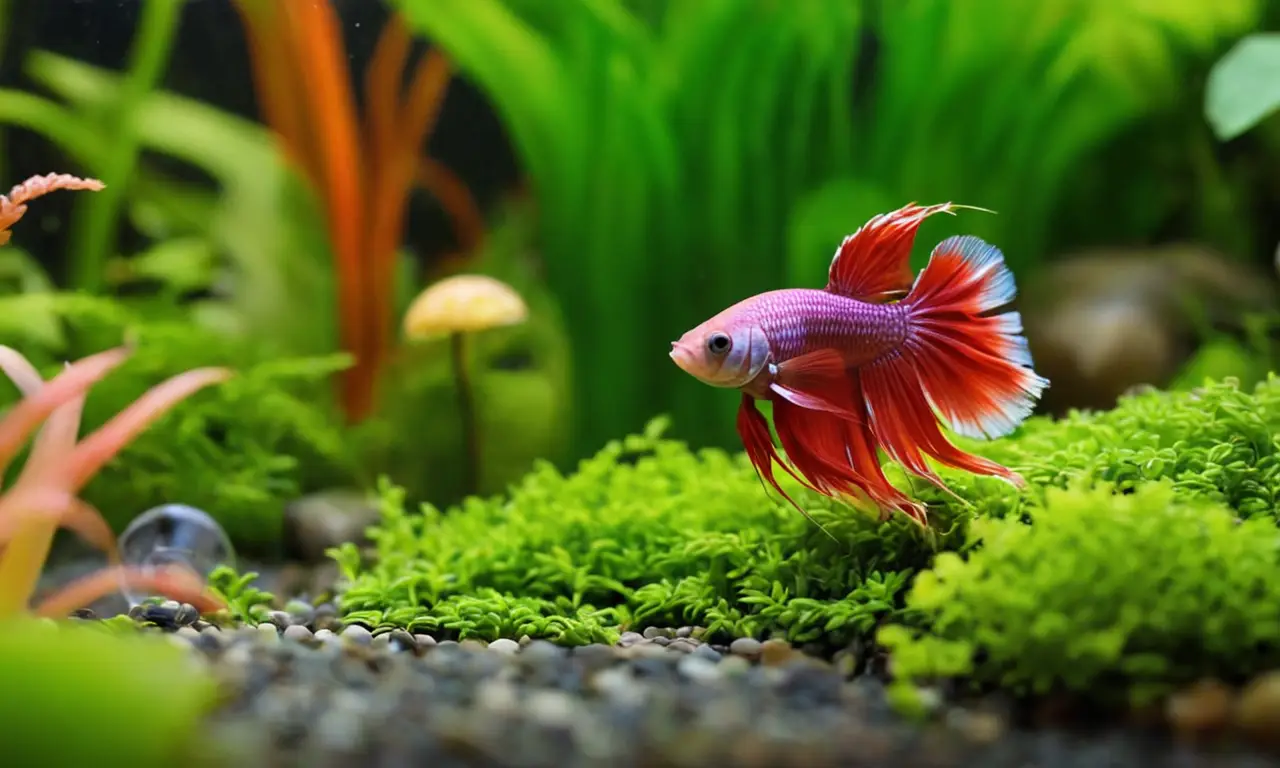
Understanding Betta Fish Compatibility: Finding Ideal Tank Mates
Betta fish, also known as Siamese fighting fish, are renowned for their vibrant colors, flowing fins, and captivating personalities. While they are often kept as solitary inhabitants in their tanks due to their territorial nature, many aquarists are curious about the possibility of housing them with other fish. This exploration delves into the intricacies of Betta fish compatibility, outlining the crucial factors to consider when introducing tank mates and highlighting specific species that are generally considered Fish compatible with Betta fish. Successfully creating a harmonious multi-species aquarium requires careful planning, understanding of individual fish temperaments, and diligent monitoring to ensure the well-being of all inhabitants.
𝙲𝚘𝚗𝚝𝚎𝚗𝚝
- The Solitary Nature of Betta Fish: A Foundation for Understanding
- Key Factors for Successful Betta Tank Mate Selection
- Generally Recommended Fish Compatible with Betta Fish
- Species to Approach with Extreme Caution (or Avoid)
- Creating a Compatible Environment: Beyond Just the Fish
- The Betta Sorority: An Exception to the Rule?
- When Solitude is Best
The Solitary Nature of Betta Fish: A Foundation for Understanding
Before diving into potential tank mates, it's essential to grasp why Betta fish are often kept alone. Males, in particular, are highly aggressive towards other male Bettas and often display similar aggression towards fish that resemble them in color or finnage. This territoriality stems from their natural habitat in shallow, slow-moving waters where they must defend their breeding grounds. Females can also exhibit aggression, though typically to a lesser degree, and can sometimes be kept in sororities under very specific conditions. This inherent territorial instinct is the primary driver behind the need for careful selection when considering Fish compatible with Betta fish.
Key Factors for Successful Betta Tank Mate Selection
Introducing new fish to a Betta's territory is a delicate balancing act. Several factors significantly influence the success of such introductions. Ignoring these can lead to stress, injury, or even death for the Betta or its potential tank mates.
Guppy Tank Mates: The Best Fish Compatible With Guppies- Tank Size and Setup: A larger tank provides more territory and hiding places, reducing territorial disputes. For a Betta and tank mates, a minimum of a 20-gallon tank is recommended. Ample decorations, plants (live or artificial), and hiding spots are crucial to break up sightlines and provide refuge.
- Betta's Temperament: Not all Bettas are created equal. Some are naturally more docile, while others are exceptionally aggressive. Observing your Betta's behavior in its current setup is vital. If it constantly flares at its own reflection or aggressively chases any movement, it's likely not a good candidate for tank mates.
- Tank Mate Temperament and Characteristics: The personality and physical traits of potential tank mates are just as important as the Betta's. Aggressive, fin-nipping, or overly boisterous fish are generally poor choices. Likewise, fish with long, flowing fins can be mistaken for rivals by Bettas.
- Water Parameters and Compatibility: All fish in a shared aquarium must thrive in similar water conditions (temperature, pH, hardness). Betta fish prefer warmer water (76-82°F or 24-28°C) and slightly acidic to neutral pH. Ensure any chosen tank mates have similar requirements.
- Introduction Strategy: Introducing new fish should be done gradually and carefully. Acclimate the new fish properly and observe interactions closely, especially during the initial days and weeks. Be prepared to separate them if aggression arises.
Generally Recommended Fish Compatible with Betta Fish
While no guarantee can be made for every individual Betta, certain species have a higher likelihood of coexisting peacefully. These fish typically possess traits that minimize the chances of conflict.
Peaceful Schooling Fish
Schooling fish, when kept in adequate numbers, can sometimes distract a Betta or offer a less direct target for aggression due to their group behavior.
- Corydoras Catfish (Dwarf varieties): These small, peaceful bottom-dwellers are an excellent choice. They are not territorial, are generally very docile, and occupy a different niche in the aquarium. Species like Corydoras pygmaeus (Pygmy Cory) or Corydoras habrosus (Salt and Pepper Cory) are particularly well-suited due to their small size. They appreciate a sand or fine gravel substrate.
- Harlequin Rasboras (Trigonostigma heteromorpha): These attractive, schooling fish are known for their peaceful nature and can hold their own in a community tank. They are also relatively hardy. A school of at least 6-8 is recommended.
- Ember Tetras (Hyphessobrycon amandae): The vibrant orange hue of Ember Tetras makes them a visually appealing choice. They are small, peaceful, and tend to stay towards the mid to upper levels of the tank, away from the Betta's primary territory. A school of 6 or more is ideal.
- Neon Tetras (Paracheirodon innesi) and Cardinal Tetras (Paracheirodon axelrodi): While generally peaceful, Neon and Cardinal Tetras can sometimes be targets for fin-nipping by overly curious or aggressive Bettas, especially if the tank is too small or lacks hiding places. Introduce them with caution and in larger schools (8+).
Small, Peaceful Bottom Dwellers and Snails
These species occupy different areas of the tank and have less likelihood of directly interacting with the Betta in a confrontational manner.
Best Community Aquarium Fish: Your Ultimate Guide- Otocinclus Catfish ("Otos"): These small, algae-eating catfish are shy and peaceful. They are excellent at keeping algae in check and tend to stay on decor or the glass. They require a well-established tank with plenty of algae or supplemental feeding.
- Amano Shrimp (Caridina multidentata): Amano shrimp are larger than most common aquarium shrimp and are primarily scavengers and algae eaters. They are generally not bothered by Bettas and can be quite hardy. Ensure there are hiding places for them.
- Nerite Snails: These snails are excellent algae eaters and come in various attractive patterns. They are peaceful and their movement is slow, making them unlikely targets for a Betta's aggression. They also do not breed in freshwater, which is a bonus.
Species to Approach with Extreme Caution (or Avoid)
Some fish, despite their general peaceful reputation, can pose a risk to Betta fish due to their behavior or physical characteristics.
- Fin-Nippers: Any fish known for nipping fins, such as Tiger Barbs or some types of Danios, should be avoided. This is a direct threat to a Betta's prized fins.
- Overly Active and Aggressive Fish: Fish that are constantly on the move, chase other fish, or are inherently aggressive are not suitable. This includes most larger Cichlids, Gouramis (especially other Betta-like species), and some aggressive Tetras or Barbs.
- Fish with Similar Appearance: Avoid fish that are brightly colored or have long, flowing fins, as they can be mistaken for rivals by a male Betta. This includes fish like Fancy Guppies or certain types of mollies.
- Large or Predatory Fish: Obviously, any fish that could potentially prey on or intimidate your Betta should be kept separate.
Creating a Compatible Environment: Beyond Just the Fish
The physical environment of the aquarium plays a significant role in determining the success of Betta tank mates.
- Ample Hiding Places: A well-decorated tank with plenty of plants (live or silk), caves, driftwood, and other structures is crucial. These provide visual barriers and safe havens for both the Betta and its tank mates, reducing stress and territorial encounters.
- Tank Flow and Filtration: Betta fish prefer gentle water flow. Ensure your filter output is not too strong, or baffle it. The chosen tank mates should also be comfortable with similar flow rates.
- Regular Water Changes and Maintenance: A clean and stable aquarium environment is paramount for the health of all inhabitants. Regular partial water changes and proper filtration help maintain water quality, reducing stress and the likelihood of disease.
- Observation is Key: Once tank mates are introduced, diligent observation is crucial. Look for signs of aggression, stress (e.g., clamped fins, rapid breathing, hiding excessively), or injury. Be prepared to intervene and separate fish if necessary.
The Betta Sorority: An Exception to the Rule?
Betta sororities, consisting of multiple female Betta fish kept together, are a more advanced aquarium concept. They require a very large tank (30 gallons or more), extensive hiding places, and careful introduction of females that have been raised together or are known to be docile. Even in a sorority, aggression can occur, and it's not a setup for beginners. While technically a form of Betta compatibility, it's a specific scenario with its own set of challenges and is not what is typically meant when discussing Fish compatible with Betta fish in a mixed-species tank.
Best Small Aquarium Fish: Your Ultimate GuideWhen Solitude is Best
It's important to reiterate that not all Betta fish are suited for community tanks. If your Betta exhibits extreme aggression, displays constant stress in the presence of other fish, or if you are unable to provide a sufficiently large and well-decorated tank, it is kinder to keep your Betta as a solitary inhabitant. Their well-being should always be the top priority. The joy of owning a Betta fish can be immense, and whether they live alone or with carefully chosen companions, ensuring their health and happiness is the ultimate goal.
By understanding the inherent nature of Betta fish and carefully considering the characteristics of potential tank mates and the aquarium environment, aquarists can increase their chances of success in creating a peaceful and thriving community aquarium. The search for Fish compatible with Betta fish is an ongoing journey of observation, patience, and a deep appreciation for these fascinating aquatic creatures.
Cat Urinary Crystals: Types, Symptoms & Treatment Guide

Cat Weight: How Do I Know If My Cat Is Fat?

Encephalitis in Dogs: Symptoms, Causes & Treatment

Dog Cavities: Causes, Symptoms, and Treatment Options
Natural Flea Relief: Home Remedies for Fleas in Cats

Newborn Puppy Feeding Guide: From Birth to Weaning
Related posts