
Best Community Aquarium Fish: Your Ultimate Guide
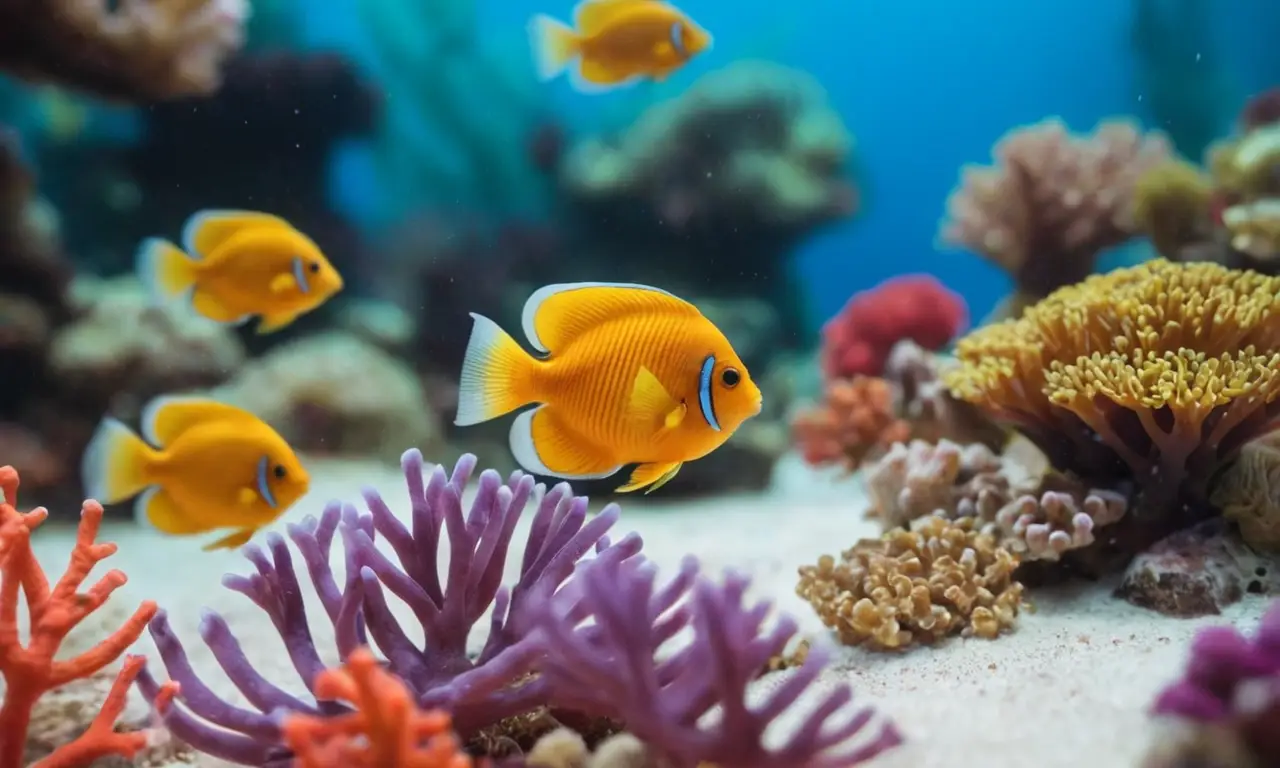
The Ultimate Guide to Choosing the Best Fish for a Community Aquarium
Setting up a thriving community aquarium is a rewarding endeavor, offering a vibrant and dynamic ecosystem right in your home. However, success hinges on selecting the right inhabitants. A community aquarium is a delicate balance, and choosing incompatible species can lead to stress, aggression, illness, and even death. This comprehensive guide will delve deep into the principles of creating a harmonious community tank, exploring various fish species that coexist peacefully, and providing essential tips for maintaining a healthy aquatic environment. We will cover everything from understanding compatibility factors to specific recommendations for beginner and advanced aquarists, ensuring your journey into the world of Fish for a community aquarium is both enjoyable and successful.
𝙲𝚘𝚗𝚝𝚎𝚗𝚝
- Understanding Compatibility: The Cornerstone of Community Aquariums
- Top Picks for Peaceful Community Aquarium Fish
- Semi-Aggressive Options for More Experienced Aquarists
- Fish to AVOID in a Typical Community Aquarium
- Setting Up and Maintaining Your Community Aquarium
- In summary: A Harmonious Aquatic World
Understanding Compatibility: The Cornerstone of Community Aquariums
Before diving into specific species, it's crucial to grasp the fundamental principles of fish compatibility. Not all fish are created equal, and their natural behaviors, dietary needs, and physical characteristics dictate how well they will get along in a shared environment.
Temperament and Aggression Levels
This is perhaps the most critical factor. Fish can be broadly categorized as:
- Peaceful: These fish generally ignore other tank mates and are not prone to nipping fins or bullying.
- Semi-Aggressive: These fish might show territorial behavior, chase smaller fish occasionally, or nip at flowing fins. They require careful tank mate selection and adequate space.
- Aggressive: These fish are territorial, prone to attacking and injuring other fish, and are generally unsuitable for most community tanks.
Size and Physical Characteristics
The size of the fish plays a significant role. A large, boisterous fish can easily intimidate or even prey on smaller, more delicate species. Conversely, very small fish might be stressed by the presence of larger tank mates, even if they aren't directly attacked. Features like long, flowing fins can also attract fin-nippers.
Dietary Requirements
Ensuring all fish in the tank can access the food they need is vital. If you have a mix of herbivores, carnivores, and omnivores, you must be able to provide appropriate food for each group without one group outcompeting the others. For instance, bottom feeders might not get enough food if all the food sinks too quickly or is consumed by mid-water swimmers.
Water Parameters and Environmental Needs
Different fish species have specific requirements for water temperature, pH, hardness, and filtration. While many popular aquarium fish thrive in similar conditions, significant discrepancies can lead to stress and health issues. It's generally best to choose fish that share similar ideal water parameters.
Tank Size and Stocking Levels
The size of your aquarium is paramount. Overstocking is a leading cause of problems in community tanks. Insufficient space leads to increased aggression, higher waste production, and rapid deterioration of water quality. Always research the minimum tank size recommended for each species you are considering.
Top Picks for Peaceful Community Aquarium Fish
These species are renowned for their placid nature and make excellent additions to most community tanks.
Tetras (Various Species)
Tetras are a diverse group of small, schooling fish that are incredibly popular for a reason. They are generally peaceful, come in a stunning array of colors and patterns, and are relatively hardy.
Best Small Aquarium Fish: Your Ultimate Guide- Neon Tetra (Paracheirodon innesi): Iconic for their iridescent blue stripe and red lateral line, Neons are a classic choice. They are peaceful and do best in schools of 6 or more.
- Cardinal Tetra (Paracheirodon axelrodi): Similar to Neons but with a more vibrant, full-length red stripe. They are also schooling fish and prefer slightly softer, more acidic water than Neons.
- Glowlight Tetra (Hemigrammus erythrozonus): Distinguished by a bright, iridescent orange stripe that glows under certain lighting conditions. They are very peaceful and hardy.
- Black Skirt Tetra (Gymnocorymbus ternetzi): These larger tetras have a distinctive black "skirt" when young, which can fade with age. They are peaceful but can be slightly more boisterous than smaller tetras.
- Rummy Nose Tetra (Hemigrammus rhodostomus): Easily identifiable by their bright red noses and striped heads. They are excellent indicator fish, as their red nose will fade if water quality is poor. They are peaceful schooling fish.
Key Considerations for Tetras:
* Always keep tetras in schools of at least 6 individuals of the same species.
* They appreciate planted tanks with some open swimming space.
* Avoid housing them with large, boisterous fish that might outcompete them for food or stress them.
Rasboras (Various Species)
Rasboras are another group of small, schooling fish known for their peaceful demeanor and attractive appearances. They are often a bit more resilient than some tetras.
- Harlequin Rasbora (Trigonostigma heteromorpha): Easily recognized by their triangular black spot on their flank and coppery-orange body. They are very peaceful and do well in schools.
- Chili Rasbora (Boraras brigittae): Tiny, vibrant red fish that are perfect for nano aquariums or as colorful additions to larger tanks. They are extremely peaceful and school tightly.
- Espei Rasbora (Trigonostigma espei): Similar to Harlequins but with a more uniform coppery-orange color and a less pronounced or absent black spot. Also peaceful schoolers.
Key Considerations for Rasboras:
* Like tetras, they thrive in groups of 6 or more.
* They prefer tanks with plenty of plants and hiding places.
* Their small size makes them susceptible to predation by larger fish.
Corydoras Catfish (Various Species)
Corydoras, often called "cories," are peaceful, bottom-dwelling catfish that are excellent scavengers and help keep the substrate clean. They are social fish and should be kept in groups.
- Pygmy Corydoras (Corydoras pygmaeus): Tiny, schooling cories that swim in the mid-water as well as the bottom. They are very peaceful and social.
- Albino Corydoras (Corydoras aeneus - Albino variant): A popular and hardy variant of the Bronze Corydoras. They are peaceful and active scavengers.
- Peppered Corydoras (Corydoras paleatus): Known for their speckled pattern and hardy nature. They are peaceful and curious.
- Panda Corydoras (Corydoras panda): Characterized by their distinctive black "panda" markings. They are shy and prefer well-planted tanks.
Key Considerations for Corydoras:
* Keep them in groups of at least 3-5 of the same species.
* They require a sand or fine gravel substrate to protect their barbels.
* Ensure they have access to food that sinks to the bottom.
Livebearers (Certain Species)
Livebearers are a group of fish that give birth to live fry rather than laying eggs. Some species are known for their hardiness and prolific breeding, but can also be quite peaceful if managed correctly.
- Guppy (Poecilia reticulata): Famous for their dazzling colors and varied tail shapes. Guppies are generally peaceful but can be prone to fin nipping if stressed or if males outnumber females significantly.
- Platy (Xiphophorus maculatus): Hardy, colorful, and active fish that come in a wide range of colors. They are peaceful and good for beginners.
- Molly (Poecilia sphenops/latipinna/velifera): Mollies are a bit larger and can be boisterous. Some varieties, like the Black Molly, are hardy. They can sometimes nip at long-finned fish. A brackish water setup can benefit some Molly species.
Key Considerations for Livebearers:
* Be prepared for fry! If you don't want to breed them, it's best to keep only males or introduce them to a tank with species that will eat the fry.
* Males can be very persistent with females, so a good male-to-female ratio is important (e.g., 1 male to 2-3 females).
* Some Mollies benefit from a small amount of aquarium salt in the water.
Otocinclus Catfish (Otocinclus spp.)
These small, algae-eating catfish are excellent for keeping algae under control. They are incredibly peaceful and shy.
- Otocinclus Catfish: Often referred to as "Otos," these are peaceful, small catfish that graze on algae.
Key Considerations for Otocinclus:
* They are sensitive to water quality and should only be introduced to mature, stable tanks.
* They need a good supply of algae or supplemental food like algae wafers.
* Keep them in groups of at least 3-5.
Semi-Aggressive Options for More Experienced Aquarists
These fish can be integrated into a community tank with careful planning and the right tank mates.
Angelfish (Pterophyllum scalare)
Angelfish are stunning, tall-bodied cichlids that, when kept in the right environment and with appropriate tank mates, can be part of a community.
Key Considerations for Angelfish:
* They require tall aquariums (at least 20 inches high).
* Young angelfish are often peaceful, but as they mature, they can become territorial, especially around their chosen mate or breeding area.
* Avoid housing them with very small fish that they might see as food.
* Ensure they are fed a varied diet to prevent them from targeting other fish for food.
Dwarf Gourami (Trichogaster lalius)
Dwarf Gouramis are colorful and generally peaceful labyrinth fish. However, males can be territorial towards each other and sometimes towards other brightly colored fish.
Key Considerations for Dwarf Gourami:
* Keep only one male per tank unless it's a very large aquarium with ample hiding places.
* Avoid housing them with fish that have long, flowing fins that could be mistaken for rivals.
* They are susceptible to Dwarf Gourami Iridovirus (DGIV), so choose healthy specimens.
Barbs (Certain Species)
While some barbs can be nippy and aggressive, others are relatively peaceful.
- Cherry Barb (Puntius titteya): Males develop a beautiful cherry-red color and are generally peaceful, especially in a planted tank.
- Gold Barb (Barbodes semifasciolatus): Hardy and active, they are usually peaceful but can be boisterous.
Key Considerations for Barbs:
* Research specific barb species carefully. Some are known for fin-nipping.
* They often do best in larger schools.
Fish to AVOID in a Typical Community Aquarium
Certain fish, due to their aggressive nature, size, or specific dietary needs, are generally unsuitable for a standard community tank.
- Betta Fish (Betta splendens): While beautiful, males are highly aggressive towards other males and can be aggressive towards other fish with flowing fins or bright colors. Females can sometimes be kept together in sororities, but this requires careful management.
- Cichlids (Most Species): The majority of cichlids are highly territorial and aggressive, especially as they mature. Only a few dwarf cichlids are sometimes suitable for heavily planted community tanks with specific tank mate choices.
- Oscars (Astronotus ocellatus): Large, predatory fish that will eat almost anything smaller than their head.
- Pufferfish: Many pufferfish species are aggressive and can be fin-nippers. Some require specialized diets or brackish/marine conditions.
- Gouramis (Larger Species): While Dwarf Gouramis can work, larger gourami species like the Three Spot Gourami can become quite aggressive as they age.
- Plecostomus (Common Pleco - Hypostomus plecostomus): While they eat algae, common plecos grow to be enormous and produce a huge amount of waste, quickly outgrowing most home aquariums. Suckermouth catfish are better suited for very large tanks or specialized setups.
- Goldfish (Carassius auratus): Goldfish are cold-water fish and produce a significant amount of waste. They are not compatible with tropical community fish.
Setting Up and Maintaining Your Community Aquarium
Beyond choosing the right fish, proper tank setup and maintenance are critical for a thriving community.
Fleas in Rabbits: Detection & Removal GuideTank Size Matters
- A minimum of 20 gallons is recommended for beginners wanting a small community. Larger tanks (55 gallons and up) offer more stability and options for fish diversity.
- Consider the footprint (length and width) as much as the height. Many fish need swimming space horizontally.
Filtration is Key
- Invest in a high-quality filter that is rated for a tank size larger than what you have.
- A good filter provides mechanical, biological, and sometimes chemical filtration.
Substrate and Decor
- Sand or fine gravel is essential for bottom dwellers like Corydoras.
- Plants (live or artificial) provide hiding places, reduce stress, and improve water quality.
- Driftwood and rocks can add to the aesthetic and provide surfaces for beneficial bacteria.
- Ensure there are plenty of hiding spots for shyer fish.
Water Parameters and Changes
- Cycle your aquarium before adding any fish. This establishes beneficial bacteria to process waste.
- Regular water changes (20-30% weekly) are crucial for removing nitrates and replenishing minerals.
- Use a water conditioner to remove chlorine and chloramines from tap water.
- Monitor temperature, pH, ammonia, nitrite, and nitrate regularly.
Feeding
- Variety is the spice of life! Offer a balanced diet that includes flakes, pellets, frozen foods, and live foods suitable for your fish.
- Do not overfeed. Remove any uneaten food after a few minutes.
- Ensure all fish, especially bottom feeders, get their fair share.
Gradual Introduction
- Introduce new fish slowly and gradually to avoid overwhelming the biological filter and to observe for any signs of stress or aggression.
- Quarantine new fish in a separate tank for 2-4 weeks to prevent the introduction of diseases.
In summary: A Harmonious Aquatic World
Creating a successful Fish for a community aquarium is about more than just filling a tank with pretty fish. It's about understanding the intricate needs and behaviors of each species and fostering an environment where they can coexist peacefully. By carefully considering compatibility factors, choosing appropriate species, and maintaining excellent water quality, you can create a vibrant, dynamic, and beautiful underwater world that brings joy and tranquility to your home. Remember to research each fish species thoroughly before purchasing, and don't be afraid to seek advice from experienced aquarists or reputable aquarium stores. A well-planned community aquarium is a testament to thoughtful husbandry and a deep appreciation for the aquatic realm.
Cat Urinary Crystals: Types, Symptoms & Treatment Guide

Cat Weight: How Do I Know If My Cat Is Fat?

Encephalitis in Dogs: Symptoms, Causes & Treatment

Dog Cavities: Causes, Symptoms, and Treatment Options
Natural Flea Relief: Home Remedies for Fleas in Cats

Newborn Puppy Feeding Guide: From Birth to Weaning
Related posts