

Foods Rich in Taurine for Cats: Essential Nutrients
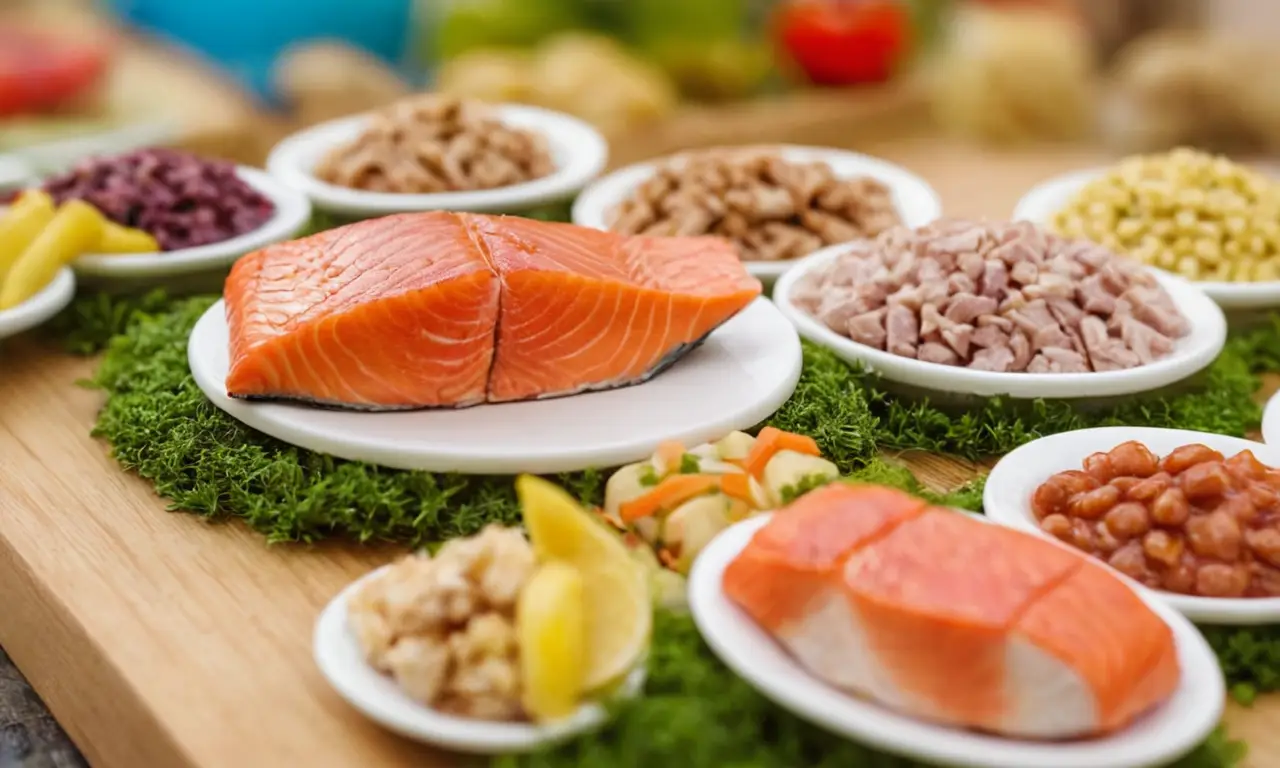
Foods Rich in Taurine for Cats: Essential Nutrients for Feline Health
Ensuring your cat receives adequate taurine is paramount for their overall health and well-being. This essential amino acid plays a critical role in various bodily functions, from heart health to vision. While cats can synthesize some taurine, their diet must be supplemented to prevent deficiency, which can lead to serious health issues. This article will delve into the importance of taurine for felines, discuss the symptoms of taurine deficiency, and, most importantly, highlight the key foods rich in taurine for cats that should be a staple in their diet.
𝙲𝚘𝚗𝚝𝚎𝚗𝚝
- The Indispensable Role of Taurine in Feline Physiology
- Understanding Taurine Deficiency: Symptoms and Consequences
- Identifying Foods Rich in Taurine for Cats
- Practical Considerations for Ensuring Adequate Taurine Intake
- The Risks of Over-Supplementation
- In summary: Prioritizing Taurine for a Healthy and Happy Cat
The Indispensable Role of Taurine in Feline Physiology
Taurine, or 2-aminoethanesulfonic acid, is an organic acid that plays a vital role in the physiology of cats. Unlike humans and many other mammals, cats have a limited ability to synthesize taurine from other amino acids. This means they are heavily reliant on dietary sources to meet their needs. Taurine is not a protein building block in the same way as other amino acids; instead, it acts more like a conditionally essential nutrient, meaning that under certain circumstances, a cat's body cannot produce enough of it on its own.
Its importance stems from its involvement in a multitude of critical bodily functions:
- Cardiovascular Health: Taurine is crucial for the proper functioning of the heart muscle. It helps regulate heart rhythm, maintain contractility, and prevent certain heart conditions like dilated cardiomyopathy (DCM), a serious and often fatal disease in cats.
- Vision: Taurine is found in high concentrations in the retina of the eye and is essential for maintaining good vision. It plays a role in photoreceptor function and can help prevent retinal degeneration, which can lead to blindness.
- Digestive System: Taurine aids in the digestion and absorption of fats and fat-soluble vitamins. It is involved in bile salt conjugation, a process that helps break down fats in the intestines.
- Reproductive Health: Adequate taurine levels are important for normal reproductive function in both male and female cats.
- Immune System Function: Taurine contributes to a healthy immune response, helping cats fight off infections.
- Nervous System Development: It plays a role in the development and function of the nervous system.
Given these extensive roles, it's clear why ensuring a sufficient intake of taurine is not just beneficial, but absolutely essential for a cat's long-term health and quality of life.
Taurine for Dogs: Essential Foods & BenefitsUnderstanding Taurine Deficiency: Symptoms and Consequences
A deficiency in taurine can have severe and irreversible consequences for cats. Because cats cannot synthesize taurine efficiently, prolonged inadequate intake can lead to a range of health problems. Recognizing the signs of taurine deficiency is crucial for prompt veterinary intervention.
Symptoms of taurine deficiency can manifest over time and may include:
- Ocular Issues:
- Central retinal degeneration, leading to vision impairment and eventual blindness. This is often one of the first and most noticeable signs.
- Dilated pupils.
- Reduced vision in low light conditions.
- Cardiac Problems:
- Dilated Cardiomyopathy (DCM): This is a serious condition where the heart muscle becomes weakened and enlarged, leading to congestive heart failure. Symptoms can include lethargy, difficulty breathing, coughing, and exercise intolerance.
- Arrhythmias (irregular heartbeats).
- Reproductive Issues:
- Reduced fertility.
- Abnormal fetal development.
- Kittens born with developmental abnormalities.
- Growth and Development Problems:
- Poor growth rates in kittens.
- Weakened immune system, making them more susceptible to illness.
- Other Symptoms:
- Lethargy and weakness.
- Poor coat quality.
It is important to note that these symptoms can also be indicative of other health conditions. Therefore, if you suspect your cat may be deficient in taurine, a prompt veterinary examination is essential for accurate diagnosis and treatment. The prognosis for conditions like DCM related to taurine deficiency can be improved with early detection and supplementation, but some damage, particularly to the eyes, can be permanent.
Identifying Foods Rich in Taurine for Cats
The primary source of taurine for cats is animal-based protein. Cats are obligate carnivores, meaning their digestive systems are designed to extract nutrients from meat. Therefore, a diet rich in animal tissues is naturally high in taurine.
Budgie Diet: Essential Fruit and Vegetables for BirdsHere are the key foods rich in taurine for cats:
- Meat and Poultry:
- Beef: Red meats, especially beef, are excellent sources of taurine. Heart meat, in particular, is exceptionally rich.
- Chicken and Turkey: These are also good sources, with darker meat and organs generally containing more taurine than white meat.
- Lamb and Venison: These meats also contribute to taurine intake.
- Organ Meats:
- Heart: This is arguably the single richest source of taurine for cats. Muscle meat from the heart of animals like beef, chicken, turkey, and lamb is packed with taurine.
- Liver: While not as concentrated as heart, liver is still a valuable source of taurine, along with other essential vitamins and minerals. However, it should be fed in moderation due to its high vitamin A content.
- Fish:
- Sardines, Mackerel, Tuna: Certain types of fish, especially oily fish, are good sources of taurine. However, feeding fish exclusively or in very large quantities can lead to nutritional imbalances and potential health issues (e.g., thiamine deficiency if raw, mercury poisoning from certain types of tuna). It is best to offer fish as part of a balanced diet and cooked.
- Eggs:
- Eggs, particularly the yolks, contain a moderate amount of taurine. They are also a good source of protein and other nutrients. Cooked eggs are safer and more digestible for cats.
The Importance of Whole Prey and Commercial Diets
Historically, cats would obtain sufficient taurine by consuming whole prey, which includes muscle meat, organs, and blood – all of which are rich in taurine. Modern domestic cats, however, often rely on commercial cat food.
- Commercial Cat Food: High-quality commercial cat foods are formulated to meet the nutritional needs of cats, including adequate taurine levels. Reputable manufacturers ensure that their dry and wet cat foods are supplemented with taurine to prevent deficiency. It's crucial to select foods from trusted brands that adhere to AAFCO (Association of American Feed Control Officials) standards, which specify the minimum taurine requirements for cat food.
- Wet Food vs. Dry Food: Wet cat food often contains higher levels of animal-based ingredients and moisture, which can make it a generally better source of readily available nutrients like taurine. However, both high-quality wet and dry foods should be properly supplemented.
- Homemade Diets: If you choose to feed your cat a homemade diet, it is absolutely critical to work closely with a veterinary nutritionist. Creating a balanced homemade diet that precisely meets all of a cat's nutritional requirements, including sufficient taurine, is complex. Without proper formulation, taurine deficiency is a significant risk. Such diets must include specific ratios of muscle meat, organ meat (especially heart), and potentially supplements to ensure adequate taurine intake.
Practical Considerations for Ensuring Adequate Taurine Intake
Beyond simply knowing which foods are rich in taurine, there are practical aspects to consider to ensure your cat's dietary needs are met.
- Avoid Taurine-Deficient Diets:
- Vegetarian or Vegan Diets: Cats are obligate carnivores and cannot thrive on plant-based diets. These diets are inherently deficient in taurine and other essential nutrients and should never be fed to cats.
- Over-reliance on Certain Processed Foods: Some lower-quality processed foods might not be adequately supplemented. Always check the ingredient list and nutritional guarantees.
- Cooking Matters:
- Raw Meat Diets: While some owners opt for raw meat diets, there are significant risks associated with raw meat, including bacterial contamination (e.g., Salmonella, E. coli) that can be harmful to both cats and humans. If feeding raw, it's essential to source from reputable suppliers and understand the risks. Taurine is relatively stable during cooking, but excessive heat or prolonged cooking can degrade it.
- Cooked Meats: Cooking meat thoroughly can help mitigate bacterial risks. When preparing homemade meals, ensure meats are cooked but not overcooked to preserve nutrient content.
- Supplementation: In cases where dietary intake is questionable or if a veterinarian recommends it (e.g., for cats with specific health conditions), taurine supplements can be administered. However, supplementation should always be done under veterinary guidance to avoid over-supplementation and potential imbalances.
- Regular Veterinary Check-ups: Routine veterinary visits are crucial for monitoring your cat's overall health. Your veterinarian can assess for any signs of nutritional deficiencies and can perform blood tests if necessary to check taurine levels, especially if your cat is on a specialized diet or exhibits concerning symptoms.
The Risks of Over-Supplementation
While taurine deficiency is a serious concern, it's also important to understand that over-supplementation is generally not a significant issue, as excess taurine is typically excreted in the urine. However, it's always best to adhere to recommended feeding guidelines and veterinary advice to maintain a balanced nutritional profile. The primary goal is to meet, not exceed, the cat's requirements through a well-balanced diet.
Parrot Diet: Best Fruits and Vegetables for Your BirdIn summary: Prioritizing Taurine for a Healthy and Happy Cat
Taurine is an indispensable amino acid for feline health, playing a fundamental role in maintaining a healthy heart, sharp vision, and overall bodily function. As cats cannot synthesize sufficient amounts of taurine on their own, their diet must be carefully managed to ensure an adequate intake. By understanding which foods rich in taurine for cats are available and by choosing high-quality, commercially prepared foods that are appropriately supplemented, or by working with a veterinary nutritionist for homemade diets, you can safeguard your cat against the devastating effects of taurine deficiency. Regular veterinary check-ups and a vigilant approach to your cat's nutrition are the cornerstones of providing them with a long, healthy, and happy life.
Festive Feasts: Top Christmas Recipes for Dogs

Dog Kidney Failure Diet: Homemade Solutions & Care Tips

Choosing the Best Dog Food: A Comprehensive Guide
Cat Hepatitis Diet: Essential Foods for Your Feline Friend
Understanding the Composition of Cat Food for Health
Obese Dog Diet: Vet-Approved Weight Loss Strategies
Related posts