
French Shorthaired Pointer: A Classy European Dog Breed
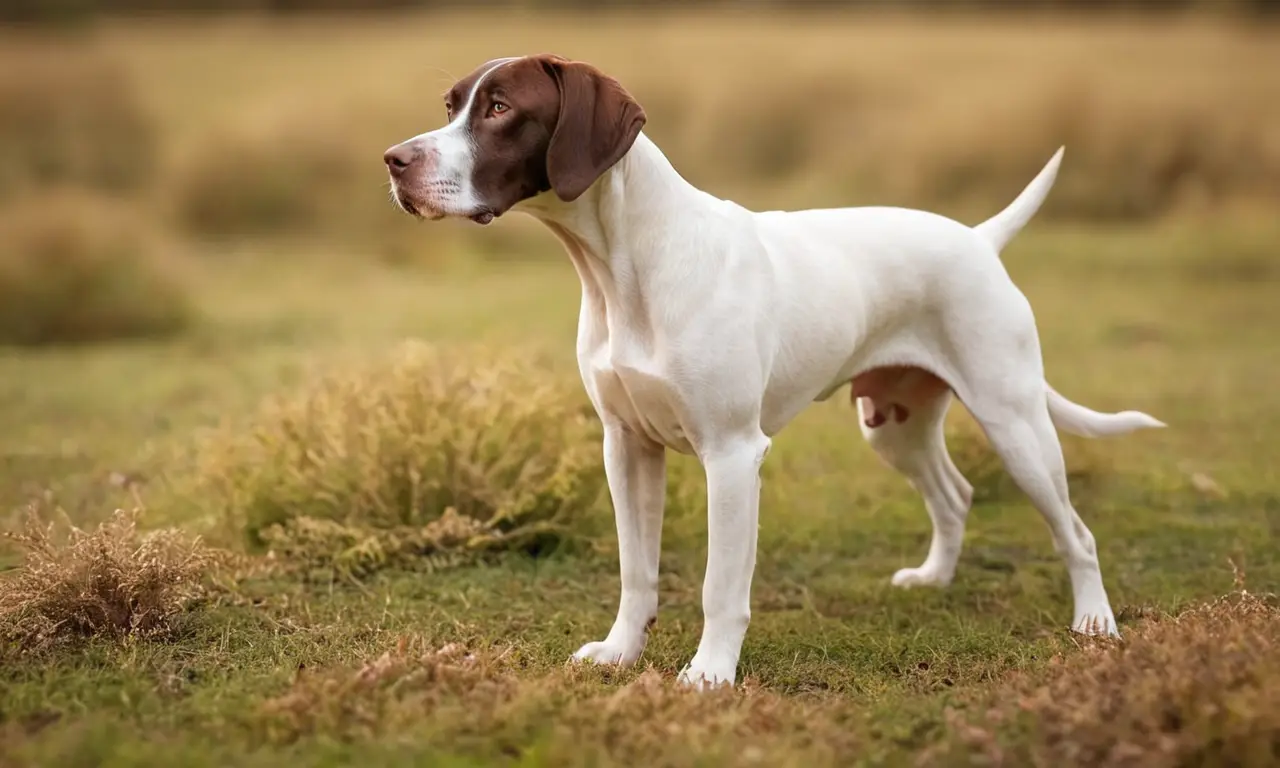
French Shorthaired Pointer: A Classy European Dog Breed
The French Shorthaired Pointer: A Classy European Dog Breed is a captivating canine with a rich history and an array of desirable traits. Originating from France, this versatile hunting dog is known for its intelligence, athleticism, and affectionate nature, making it a beloved companion for active families and dedicated hunters alike. This article delves into the captivating world of the French Shorthaired Pointer, exploring its history, physical characteristics, temperament, training needs, health considerations, and suitability as a family pet.
𝙲𝚘𝚗𝚝𝚎𝚗𝚝
- A Noble Heritage: The History of the French Shorthaired Pointer
- Physical Prowess: What Makes a French Shorthaired Pointer Stand Out
- A Gentle Giant: Temperament and Personality
- Training and Socialization: Nurturing a Well-Behavioned Companion
- Health and Longevity: Keeping Your Pointer in Top Condition
- The French Shorthaired Pointer as a Family Pet: A Loyal and Active Companion
- In summary: A Classy Choice for the Active Canine Enthusiast
A Noble Heritage: The History of the French Shorthaired Pointer
The lineage of the French Shorthaired Pointer: A Classy European Dog Breed is deeply rooted in the hunting traditions of France. While its exact origins are somewhat shrouded in the mists of time, it is believed to have evolved from older French pointing breeds, possibly with influences from Spanish and Portuguese pointers brought to France by nobility. For centuries, these dogs were indispensable companions for aristocratic hunters, prized for their exceptional scenting abilities, stamina, and their innate talent for locating and indicating game birds.
Their primary role was to "point," meaning they would freeze and indicate the location of game by holding a steady, statuesque pose. This allowed the hunter to approach and flush the game, which the pointer would then retrieve, demonstrating both its intelligence and its soft mouth. Over time, selective breeding further refined these traits, leading to the development of the breed we recognize today, a testament to generations of dedicated work by French sportsmen.
Golden Retriever FAQs: Your Ultimate GuidePhysical Prowess: What Makes a French Shorthaired Pointer Stand Out
The French Shorthaired Pointer: A Classy European Dog Breed possesses a distinctive and athletic build that speaks to its working heritage.
- Size and Build: Typically, they are medium to large dogs, standing between 21 and 27 inches at the shoulder and weighing from 35 to 65 pounds. Males are generally larger and more robust than females. Their build is lean and muscular, conveying both strength and agility.
- Head: The head is well-proportioned to the body, with a slightly domed skull and a pronounced stop. The muzzle is long and square, and the nose is typically dark in color, with well-open nostrils that facilitate excellent scent detection.
- Eyes: Their eyes are large, expressive, and often a rich amber or hazel color, conveying an alert and intelligent gaze. They are set wide apart, contributing to a broad field of vision.
- Ears: The ears are set high on the head and hang close to the cheeks, being moderately broad and tapering to a rounded tip.
- Neck: A strong, muscular neck arches gracefully into the shoulders, allowing for efficient movement and head carriage.
- Body: The body is well-balanced, with a deep chest that extends down to the elbows, providing ample lung capacity for extended periods of work. The back is strong and level, leading to a well-muscled loin and a slightly tucked abdomen.
- Tail: The tail is typically carried horizontally or slightly above the level of the back. It is of moderate length and thickness, tapering towards the tip. Some dogs may have naturally bobbed tails.
- Coat: The most distinctive feature of the French Shorthaired Pointer: A Classy European Dog Breed is its short, dense, and smooth coat. It lies flat against the body, offering protection from the elements while remaining low-maintenance. The coat is weather-resistant, making them suitable for various outdoor conditions.
- Coloration: The breed exhibits a range of colors, most commonly solid white, or white with patches or ticking of liver (brown), orange, or chestnut. Sometimes, roan patterns are also seen.
A Gentle Giant: Temperament and Personality
Beyond their physical attributes, the French Shorthaired Pointer: A Classy European Dog Breed is renowned for its amiable and devoted temperament.
- Intelligent and Eager to Please: They are highly intelligent dogs, quick learners who possess a strong desire to please their owners. This makes them highly trainable, responding well to positive reinforcement methods.
- Affectionate and Loyal: French Shorthaired Pointers form deep bonds with their families. They are typically very affectionate and enjoy being close to their humans, often seeking out cuddles and companionship. Their loyalty is unwavering.
- Energetic and Playful: These dogs are bred for activity and require a significant amount of exercise to remain happy and healthy. They are naturally playful and enjoy a variety of activities, from fetch to long hikes.
- Good with Children: With proper socialization from a young age, French Shorthaired Pointers generally get along well with children. Their patient and gentle nature makes them suitable family pets, though supervision is always recommended during interactions.
- Sociable with Other Pets: They can often coexist peacefully with other dogs and pets, particularly if introduced early and properly socialized. However, their strong prey drive means that careful introductions to smaller animals like cats and rodents are essential.
- Alert but Not Aggressive: While they are alert watchdogs and will bark to alert their owners to unusual activity, they are not typically aggressive. Their primary instinct is to point rather than to defend.
Training and Socialization: Nurturing a Well-Behavioned Companion
The intelligence and trainability of the French Shorthaired Pointer: A Classy European Dog Breed mean that with consistent and positive training, they can become exceptionally well-behaved dogs.
Dwarf Puffer Fish Feeding: Essential Diet & Care GuideEarly Socialization: The Foundation for a Balanced Dog
- Exposure to Different Environments: Introduce your puppy to a variety of sights, sounds, people, and other well-behaved animals from a young age. This will help them develop into a confident and adaptable adult.
- Positive Experiences: Ensure these early encounters are positive and stress-free to build a foundation of trust and comfort.
- Obedience Classes: Enrolling in puppy socialization classes is highly recommended. These classes provide a safe environment for puppies to interact with others and learn basic social cues.
Effective Training Techniques
- Positive Reinforcement: French Shorthaired Pointers thrive on positive reinforcement. This includes using praise, treats, and toys to reward desired behaviors. Harsh corrections can be counterproductive and damage their trusting nature.
- Consistency is Key: Establish clear rules and boundaries from the outset and ensure all family members are consistent in their application.
- Early and Consistent Obedience Training: Start basic obedience training (sit, stay, come, down) as soon as your puppy settles into your home. This not only teaches them commands but also strengthens your bond.
- Leash Training: As they are active dogs, effective leash manners are crucial. Start leash training early to prevent pulling and ensure enjoyable walks.
- Recall Training: Given their hunting instincts, a reliable recall is paramount. Practice recall in a safe, enclosed area, gradually increasing distractions.
- Stimulation: Mental stimulation is as important as physical exercise for these intelligent dogs. Puzzle toys, scent games, and learning new tricks can help prevent boredom and destructive behaviors.
Health and Longevity: Keeping Your Pointer in Top Condition
Like all breeds, the French Shorthaired Pointer: A Classy European Dog Breed is prone to certain health conditions. Responsible breeding practices and attentive pet ownership can help mitigate these risks.
- Common Health Concerns:
- Hip Dysplasia: A genetic condition where the hip joint doesn't form correctly, leading to arthritis. Responsible breeders screen their breeding stock for this condition.
- Eye Conditions: Certain eye disorders, such as progressive retinal atrophy (PRA) and entropion, can affect the breed. Regular veterinary eye exams are recommended.
- Bloat (Gastric Dilatation-Volvulus - GDV): A life-threatening condition where the stomach fills with gas and can twist. Feeding smaller meals, avoiding vigorous exercise after eating, and possibly prophylactic gastropexy surgery can help reduce the risk.
- Ear Infections: Due to their hanging ears, French Shorthaired Pointers can be prone to ear infections. Regular ear cleaning and drying are essential.
- Lifespan: With proper care, diet, and exercise, a French Shorthaired Pointer can live for approximately 10 to 12 years.
- Veterinary Care: Regular veterinary check-ups are vital for monitoring their health, administering vaccinations, and addressing any concerns promptly. Discussing preventive care, such as parasite control and dental hygiene, with your veterinarian is also important.
- Grooming: Their short coat requires minimal grooming. Brushing once or twice a week with a firm brush or grooming glove will help remove loose hair and keep their coat healthy. Occasional baths as needed will suffice. Regular nail trimming and dental care are also essential components of their grooming routine.
The French Shorthaired Pointer as a Family Pet: A Loyal and Active Companion
The French Shorthaired Pointer: A Classy European Dog Breed can make an excellent family pet for the right household. Their intelligence, affection, and willingness to please are significant assets.
- Ideal Home Environment: They are best suited to homes where they receive ample attention, exercise, and mental stimulation. An active family that enjoys the outdoors and can integrate the dog into their daily lives will find a devoted companion. A fenced yard is highly recommended for safe outdoor play and exercise.
- Exercise Requirements: These dogs are not couch potatoes. They require at least an hour of vigorous exercise daily. This can include long walks, jogging, hiking, swimming, or engaging in dog sports like agility or field trials. Insufficient exercise can lead to boredom, anxiety, and destructive behaviors.
- Training Commitment: Potential owners must be committed to consistent positive reinforcement training and early socialization. Their intelligence means they can learn quickly, but they also need guidance and structure.
- Not for Sedentary Lifestyles: If you lead a sedentary lifestyle or have limited time for exercise and training, a French Shorthaired Pointer might not be the best fit.
- The Hunting Instinct: While they can adapt to life as a pet, their strong prey drive remains. Owners must be mindful of this, especially around smaller animals.
In summary: A Classy Choice for the Active Canine Enthusiast
The French Shorthaired Pointer: A Classy European Dog Breed embodies a perfect blend of elegance, athleticism, and companionship. Their noble heritage as a skilled hunting dog is complemented by their gentle and loving nature as a family member. For those seeking an intelligent, active, and devoted canine partner, the French Shorthaired Pointer offers a truly rewarding experience. With the right environment, consistent training, and a commitment to their well-being, this classy European breed will undoubtedly become a cherished member of any loving home.
Safe Fruits and Vegetables for Hamsters: A Healthy Diet
Cat Urinary Crystals: Types, Symptoms & Treatment Guide
Cat Weight: How Do I Know If My Cat Is Fat?

Encephalitis in Dogs: Symptoms, Causes & Treatment

Dog Cavities: Causes, Symptoms, and Treatment Options

Natural Flea Relief: Home Remedies for Fleas in Cats

Newborn Puppy Feeding Guide: From Birth to Weaning
Related posts