

Parrot Diet: Best Fruits and Vegetables for Your Bird
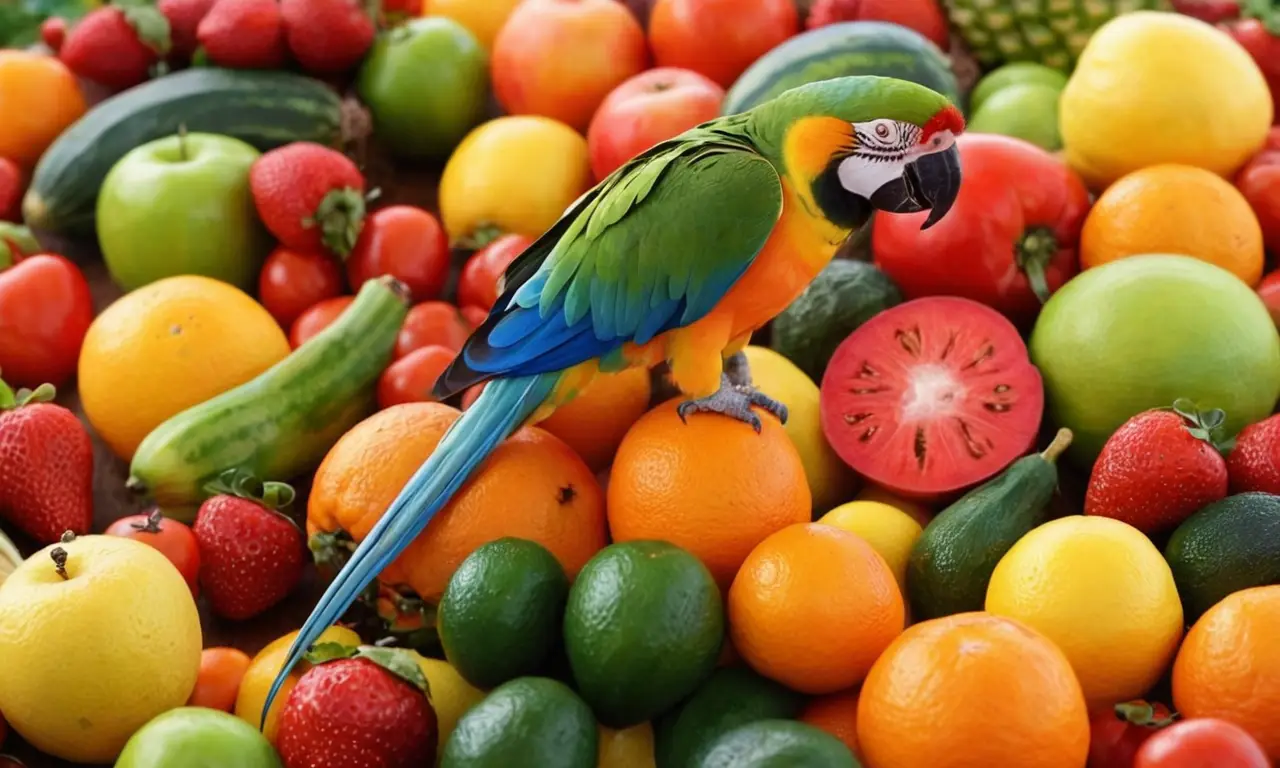
Parrot Diet: Best Fruits and Vegetables for Your Bird
Providing your feathered companion with a balanced and nutritious diet is paramount for their health, happiness, and longevity. While commercial parrot pellets form the foundation of a healthy diet, fresh fruits and vegetables for parrots play a crucial role in supplying essential vitamins, minerals, and antioxidants that promote optimal well-being. This comprehensive guide will delve into the world of avian nutrition, highlighting the best fruits and vegetables for parrots to incorporate into their daily meals, along with important considerations for safe and beneficial feeding.
𝙲𝚘𝚗𝚝𝚎𝚗𝚝
- The Importance of Fresh Produce in a Parrot's Diet
- Essential Fruits for Parrots: A Colorful Bounty
- Powerhouse Vegetables for Parrots: Green Goodness and More
- Fruits and Vegetables to Avoid: Safety First!
- How to Introduce New Fruits and Vegetables
- How to Serve Fruits and Vegetables
- Building a Balanced Parrot Diet
The Importance of Fresh Produce in a Parrot's Diet
Parrots, much like humans, require a diverse range of nutrients to thrive. Their natural diets in the wild consist of a variety of seeds, nuts, fruits, flowers, and insects. Replicating this diversity in captivity is key to preventing nutritional deficiencies and promoting a strong immune system. Fresh fruits and vegetables for parrots offer a wealth of benefits, including:
- Vitamins and Minerals: They are packed with essential vitamins like A, C, E, and K, as well as minerals such as calcium, potassium, and magnesium, which are vital for bone health, feather growth, eyesight, and overall bodily functions.
- Antioxidants: These compounds help combat free radicals, protecting cells from damage and reducing the risk of chronic diseases.
- Fiber: Crucial for a healthy digestive system, fiber aids in proper digestion and prevents constipation.
- Hydration: Many fruits and vegetables have a high water content, contributing to your parrot's hydration levels.
- Mental Stimulation: The variety in textures, colors, and flavors of fresh produce can provide mental enrichment, preventing boredom and encouraging natural foraging behaviors.
Essential Fruits for Parrots: A Colorful Bounty
When selecting fruits for your parrot, aim for a vibrant spectrum of colors, as different colors often indicate different nutrient profiles. Always wash fruits thoroughly and remove any pits, seeds, or large rinds that could be a choking hazard or contain toxins.
Apples
Apples are a popular and safe choice for most parrots. They provide Vitamin C and fiber.
- Preparation: Remove the core and seeds. Chop into bite-sized pieces.
- Caution: Apple seeds contain cyanide and should always be removed.
Berries: Blueberries, Raspberries, Strawberries
These small, nutrient-dense fruits are excellent sources of antioxidants and Vitamin C.
- Preparation: Offer whole or halved, depending on the size of your parrot.
- Caution: While generally safe, offer in moderation due to their sugar content.
Bananas
Bananas are a sweet treat rich in potassium and Vitamin B6.
- Preparation: Peel and mash or slice into manageable pieces.
- Caution: Due to their high sugar content, bananas should be offered as an occasional treat rather than a daily staple.
Mangoes
A tropical delight, mangoes are loaded with Vitamin A, C, and beta-carotene.
- Preparation: Peel and remove the pit. Dice into small pieces.
- Caution: Ensure the pit is completely removed, as it can be a choking hazard.
Oranges and Other Citrus Fruits
Oranges, grapefruits, and mandarins provide Vitamin C and hydration.
- Preparation: Peel and separate into segments. Remove any seeds.
- Caution: Offer in moderation as the acidity can sometimes cause digestive upset in sensitive birds.
Melons: Cantaloupe, Honeydew, Watermelon
These juicy fruits are excellent for hydration and provide vitamins A and C.
- Preparation: Remove the rind and seeds. Dice into bite-sized pieces.
- Caution: Watermelon seeds should be removed.
Papayas
A rich source of Vitamin A, C, and digestive enzymes (papain).
- Preparation: Remove the black seeds (which are safe to eat in small quantities but can be bitter) and the rind. Dice the flesh.
- Caution: The seeds are edible but may have a peppery taste.
Pears
Pears offer Vitamin C and fiber.
Pogonas Diet: Best Fruits and Vegetables Guide- Preparation: Remove the core and seeds. Chop into manageable pieces.
- Caution: Similar to apples, pear seeds should be removed.
Grapes
Grapes are a good source of vitamins and hydration.
- Preparation: Offer whole or halved, depending on the parrot's size.
- Caution: Grapes should be offered in moderation due to their sugar content.
Powerhouse Vegetables for Parrots: Green Goodness and More
Vegetables should form a significant portion of your parrot's fresh diet. They are generally lower in sugar than fruits and provide a wider array of essential nutrients.
Leafy Greens: Spinach, Kale, Romaine Lettuce, Swiss Chard
These are nutritional powerhouses, rich in vitamins A, C, K, calcium, and iron.
- Preparation: Wash thoroughly and chop finely.
- Caution: Spinach should be offered in moderation due to its high oxalate content, which can interfere with calcium absorption. Rotate leafy greens to ensure a balanced intake of nutrients.
Broccoli
Broccoli is an excellent source of Vitamin C, K, and fiber.
- Preparation: Offer florets and stems, chopped into small pieces.
- Caution: Some parrots may enjoy raw broccoli, while others might prefer it lightly steamed.
Carrots
Carrots are famous for their high beta-carotene content, which converts to Vitamin A, essential for vision and immune function.
- Preparation: Offer raw or lightly steamed. Grate or chop into small pieces.
- Caution: Both the root and the leafy green tops are safe and nutritious.
Sweet Potatoes
A fantastic source of Vitamin A, C, and fiber.
- Preparation: Bake or steam until tender. Mash or dice into small pieces.
- Caution: Ensure they are cooked thoroughly and cooled before serving.
Bell Peppers (All Colors)
Bell peppers are packed with Vitamin C and antioxidants.
- Preparation: Remove seeds and membranes. Chop into bite-sized pieces.
- Caution: All colors of bell peppers are safe and beneficial, including the generally feared green ones.
Peas
Peas are a good source of vitamins, minerals, and protein.
- Preparation: Offer fresh or frozen (thawed).
- Caution: Shelling peas can be a fun foraging activity for your parrot.
Zucchini and Other Summer Squash
These are hydrating and provide Vitamin C and potassium.
- Preparation: Offer raw or lightly steamed, chopped into small pieces.
- Caution: The seeds and flesh are safe.
Corn
Corn offers some vitamins and minerals.
- Preparation: Offer fresh or frozen (thawed). Kernels can be removed from the cob.
- Caution: Offer in moderation due to its carbohydrate content.
Green Beans
A good source of Vitamin K and fiber.
Mandarin Diamond Diet: Best Fruits & Vegetables- Preparation: Offer fresh or frozen (thawed), chopped into small pieces.
- Caution: Raw or lightly steamed are both acceptable.
Fruits and Vegetables to Avoid: Safety First!
While many fruits and vegetables for parrots are beneficial, some can be toxic or harmful to birds. It's crucial to be aware of these and exclude them from your parrot's diet.
Avocado
Highly toxic to birds due to a persin compound. Even small amounts can be fatal.
Onions and Garlic
Can cause digestive upset and damage red blood cells.
Mushrooms
Some varieties can be toxic to birds. It's best to err on the side of caution and avoid them.
Rhubarb
Contains oxalic acid, which can be harmful.
Citrus Pits and Seeds (Apples, Pears, Cherries, Peaches, Plums)
Contain cyanide compounds that are toxic to birds.
Potatoes (Green parts and sprouts)
The green parts and sprouts of potatoes contain solanine, which is toxic. Cooked potato flesh can be offered in moderation.
Uncooked Beans (Kidney, Lima, etc.)
Can contain toxins that are neutralized by cooking.
How to Introduce New Fruits and Vegetables
Introducing new fruits and vegetables for parrots can sometimes be a challenge. Parrots can be neophobic (fearful of new things), and it may take multiple exposures before they try a new food.
Here are some tips for successful introduction:
- Persistence: Don't give up after the first few tries. Offer the new food repeatedly over several days or weeks.
- Presentation: Experiment with different preparations. Offer food raw, lightly steamed, grated, diced, or in a pureed form.
- Variety: Mix new foods with familiar favorites to make them more appealing.
- Observation: Pay attention to what your parrot seems to enjoy. Some birds prefer certain textures or colors.
- Foraging Opportunities: Hide small pieces of new foods in foraging toys or around their cage to encourage exploration.
- Social Proof: If you have multiple parrots, sometimes seeing another bird eat a new food can encourage them to try it.
How to Serve Fruits and Vegetables
- Washing: Always wash all produce thoroughly under running water to remove pesticides and other contaminants.
- Size Matters: Chop fruits and vegetables into bite-sized pieces that your parrot can easily handle and consume. The size will vary depending on the species of parrot.
- Variety is Key: Offer a diverse selection of fruits and vegetables for parrots throughout the week. Don't just stick to a few favorites.
- Moderation: While healthy, some fruits are high in sugar and should be offered in moderation. Vegetables should generally make up a larger portion of the fresh diet.
- Avoid Cooking with Salt or Spices: Only offer fresh, plain produce.
- Freshness: Remove any uneaten fresh food from the cage within a few hours to prevent spoilage and bacterial growth.
Building a Balanced Parrot Diet
Remember, fruits and vegetables for parrots are a vital supplement to a high-quality, balanced diet. The primary component of a parrot's diet should be a reputable parrot pellet formulated to meet their specific nutritional needs. Seeds and nuts should be offered sparingly as treats due to their high fat content.
Harmful Fruits & Veggies: What Dogs Can't EatA typical daily diet for a parrot might include:
- 70-80% High-Quality Parrot Pellets: This forms the nutritional backbone.
- 15-20% Fresh Fruits and Vegetables: A colorful and varied selection of the safe options listed above.
- 5-10% Seeds and Nuts (as treats): Offer these in moderation.
Consult with an avian veterinarian or a certified avian nutritionist for personalized dietary recommendations tailored to your specific parrot's species, age, and health status. They can help you create a comprehensive feeding plan that ensures your feathered friend receives all the necessary nutrients to live a long, healthy, and vibrant life. By understanding the benefits and potential risks associated with different fruits and vegetables for parrots, you can confidently provide your beloved companion with a diet that is both delicious and incredibly nourishing.
Festive Feasts: Top Christmas Recipes for Dogs
Dog Kidney Failure Diet: Homemade Solutions & Care Tips
Choosing the Best Dog Food: A Comprehensive Guide
Cat Hepatitis Diet: Essential Foods for Your Feline Friend
Understanding the Composition of Cat Food for Health
Obese Dog Diet: Vet-Approved Weight Loss Strategies
Related posts