

Fruits & Vegetables Cats Can't Eat: A Safe Guide
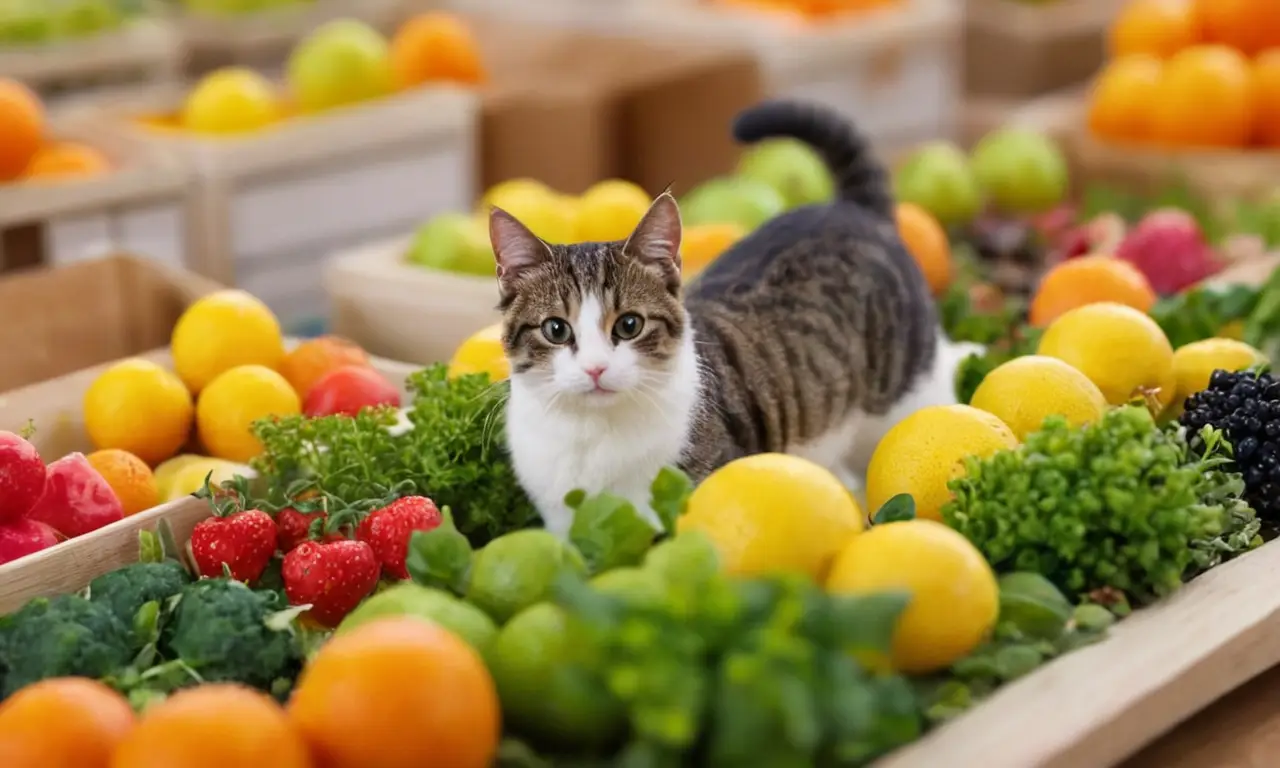
Fruits and Vegetables Prohibited for Cats: A Comprehensive Safety Guide
As loving cat guardians, we often extend our culinary curiosity to our feline companions, wondering if the colorful bounty of fruits and vegetables we enjoy can be shared. While many human foods are harmless or even beneficial in moderation for cats, a crucial aspect of responsible pet ownership involves understanding which items are toxic and should be strictly avoided. This article delves into the specific fruits and vegetables prohibited for cats, offering a detailed overview to ensure your cat’s diet remains safe and healthy. Understanding these dietary restrictions is paramount in preventing accidental poisoning and maintaining your cat's well-being.
𝙲𝚘𝚗𝚝𝚎𝚗𝚝
- The Unique Digestive System of Cats
- Key Toxic Principles in Plant-Based Foods for Cats
- A Detailed List of Fruits and Vegetables Prohibited for Cats
- Why the Caution? Understanding the Risks
- What About "Safe" Fruits and Vegetables?
- Recognizing Symptoms of Poisoning
- Prevention is Key: Securing Your Home Environment
- In summary: Prioritizing Feline Health
The Unique Digestive System of Cats
Before we explore the prohibited list, it's essential to grasp why cats have such different dietary needs than humans or even dogs. Cats are obligate carnivores, meaning their bodies are biologically designed to thrive on a diet primarily composed of animal protein. Their digestive systems are short and highly efficient at processing meat, extracting essential nutrients like taurine and certain fatty acids that are difficult or impossible for them to synthesize on their own. This fundamental difference means that many plant-based foods, even those considered healthy for us, can be problematic for cats. Their bodies lack the necessary enzymes to effectively break down and absorb many carbohydrates, fibers, and plant-derived compounds. Consequently, introducing certain fruits and vegetables can lead to digestive upset, nutrient imbalances, or even severe toxicity.
Key Toxic Principles in Plant-Based Foods for Cats
Several mechanisms contribute to the toxicity of certain fruits and vegetables for cats:
- Specific Toxins: Many plants contain natural compounds that are inherently poisonous to cats. These can affect various bodily systems, including the nervous system, kidneys, and digestive tract.
- Oxalates: Found in some leafy greens, oxalates can bind to calcium in the digestive tract, preventing its absorption and potentially leading to kidney damage over time, especially in susceptible individuals.
- Glycosides: These compounds, common in certain fruits, can be broken down into toxic substances like cyanide in the digestive system.
- Phthalates: Present in some fruits and vegetables, these can interfere with hormone regulation and have other adverse health effects.
- Digestive Upset: Even if not acutely toxic, some plant matter can be very difficult for a cat's digestive system to process, leading to vomiting, diarrhea, and abdominal pain.
A Detailed List of Fruits and Vegetables Prohibited for Cats
It is vital to be aware of the following fruits and vegetables prohibited for cats. This list is not exhaustive, and it is always best to consult your veterinarian before introducing any new food item to your cat's diet.
Cat Fungus: Symptoms, Causes, and Effective TreatmentsToxic Fruits for Cats
While cats are less likely to crave fruits due to their obligate carnivore nature, accidental ingestion can occur. Some fruits pose significant risks:
- Grapes and Raisins: This is perhaps one of the most well-known and dangerous toxicities. Even small amounts of grapes or raisins can cause acute kidney failure in cats and dogs. The exact toxic compound is still unknown, but the effects are severe and can be fatal. Symptoms include vomiting, lethargy, diarrhea, loss of appetite, and decreased urination.
- Citrus Fruits (Oranges, Lemons, Limes, Grapefruits): The essential oils and psoralens found in citrus fruits can cause gastrointestinal upset, including vomiting and diarrhea. The acidity can also irritate their digestive tract. While small amounts of the pulp might not be life-threatening, it's best to avoid them altogether.
- Avocado: Avocado contains persin, a fungicidal toxin that can be harmful to cats. While the pit and skin are the most concentrated sources, the flesh also contains persin. Ingesting avocado can lead to vomiting, diarrhea, and respiratory distress.
- Cherries, Peaches, Plums, Apricots (and their pits/seeds): The seeds and pits of these stone fruits contain cyanide, a potent poison. Even the flesh of these fruits can cause stomach upset in cats. While a cat is unlikely to chew and swallow a whole pit, it’s a risk best avoided.
- Berries (Strawberries, Blueberries, Raspberries): While small amounts of some berries might be tolerated by some cats, they are generally not recommended. The high sugar content can be problematic, and some cats may experience digestive upset. Furthermore, there's a risk of pesticide residue if not thoroughly washed.
- Tomatoes and Tomato Plants: While ripe tomato flesh is generally considered safe in very small, cooked quantities (minus the seeds and skin), the plant itself, including the leaves, stems, and unripe fruit, contains solanine, a toxic compound that can cause gastrointestinal distress, lethargy, and neurological symptoms.
Toxic Vegetables for Cats
Similar to fruits, many vegetables are not suitable for feline consumption due to their composition or inherent toxins.
- Onions, Garlic, Chives, Leeks (All Allium Vegetables): These are highly toxic to cats. They contain compounds that can damage red blood cells, leading to anemia. Even small amounts, whether raw, cooked, or in powdered form (found in many processed foods), can be dangerous. Symptoms include lethargy, weakness, pale gums, and rapid breathing.
- Grapes and Raisins: (Mentioned above, but important to reiterate as they are botanically considered fruits but often grouped with vegetables in general discussions of produce).
- Raw Potatoes and Potato Plants: Raw potatoes contain solanine, a toxic alkaloid. The uncooked starch can also be difficult for cats to digest, leading to gastrointestinal upset. While cooked, plain potato flesh in small amounts might be tolerated by some cats, it offers no nutritional benefit and carries risks, so it’s best to avoid. The plant itself is also toxic.
- Mushrooms (Certain Varieties): Wild mushrooms are particularly dangerous, as many varieties contain toxins that can cause severe liver and kidney damage, neurological issues, and even death. While some commercially grown mushrooms might be considered safe in tiny, cooked amounts, the risk of misidentification or accidental ingestion of a toxic species makes it prudent to avoid all mushrooms for cats.
- Rhubarb: Rhubarb contains high levels of oxalates, which can cause kidney damage, digestive upset, and tremors. Both the leaves and stalks are problematic.
- Spinach, Kale, and other high-Oxalate Leafy Greens: While these are nutritious for humans, the high oxalate content can interfere with calcium absorption and potentially contribute to kidney stone formation in cats, especially those predisposed to urinary issues. Small amounts of cooked spinach might be tolerated, but it's generally safer to avoid.
- Asparagus: Raw asparagus is difficult for cats to digest and can cause gastrointestinal upset. While cooked asparagus is less problematic, it offers little nutritional value and is best omitted from a cat's diet.
Why the Caution? Understanding the Risks
Cats are not miniature dogs or humans. Their physiology is distinctly different, and what is safe for other species can be dangerous for them. Introducing fruits and vegetables prohibited for cats can lead to a range of health issues, from mild digestive discomfort to life-threatening conditions.
- Gastrointestinal Upset: Many plant-based foods are high in fiber or contain compounds that are simply too difficult for a cat’s digestive system to process. This can manifest as vomiting, diarrhea, loss of appetite, and abdominal pain.
- Toxicity and Organ Damage: As detailed above, certain fruits and vegetables contain specific toxins that can target vital organs like the kidneys and liver, or affect red blood cells, leading to anemia.
- Nutritional Imbalances: A diet too high in plant matter can displace essential animal-based nutrients, leading to deficiencies in critical amino acids (like taurine) and fatty acids.
- Choking Hazards and Obstructions: While not directly toxic, small, hard pieces of fruits or vegetables can pose a choking hazard or lead to intestinal obstructions.
What About "Safe" Fruits and Vegetables?
While this article focuses on prohibited items, it's worth noting that a few fruits and vegetables are generally considered safe for cats in very small quantities, provided they are cooked and plain (no seasonings, oils, or sugars). These include:
Fungus in Dogs: Symptoms, Treatments & Prevention- Cooked Pumpkin (plain, canned): A small amount can be beneficial for digestion.
- Cooked Carrots (plain): A very small amount of cooked carrot might be tolerated.
- Cooked Green Beans (plain): Another vegetable that, in very small, cooked portions, may be safe for some cats.
Important Caveat: Even these "safe" options should be given sparingly and not as a regular part of a cat's diet. Their primary nutrition should come from a high-quality, meat-based cat food. Always introduce new foods gradually and monitor your cat for any adverse reactions.
Recognizing Symptoms of Poisoning
If you suspect your cat has ingested a toxic fruit or vegetable, it is crucial to act quickly. Contact your veterinarian or an animal poison control center immediately. Symptoms of poisoning can vary depending on the substance ingested but may include:
- Vomiting
- Diarrhea
- Lethargy or weakness
- Loss of appetite
- Drooling or excessive salivation
- Pale gums
- Difficulty breathing
- Tremors or seizures
- Changes in urination (increased or decreased)
- Abdominal pain
Prevention is Key: Securing Your Home Environment
The best approach to preventing accidental poisoning is to be diligent about what you bring into your home and where you store it.
- Secure Storage: Keep all fruits and vegetables, especially those on the prohibited list, out of your cat's reach. Use cabinets, sealed containers, or high shelves.
- Be Mindful of Waste: Discard fruit pits, vegetable scraps, and peels in a secure trash can that your cat cannot access.
- Educate Household Members and Guests: Ensure everyone in the household, including children and visiting friends or family, understands the dangers of feeding cats certain human foods.
- Avoid Sharing Your Food: Resist the temptation to give your cat "just a little bite" of your meal, especially if it contains ingredients that could be harmful.
- Read Labels Carefully: Be aware that many processed human foods, including baby food, seasonings, and baked goods, can contain ingredients like onion powder or garlic powder that are toxic to cats.
In summary: Prioritizing Feline Health
Understanding the fruits and vegetables prohibited for cats is a fundamental aspect of responsible pet ownership. Cats have unique dietary needs as obligate carnivores, and their bodies are not equipped to process many plant-based foods. By familiarizing yourself with this list, practicing safe food storage, and always consulting with your veterinarian before introducing new foods, you can ensure your feline companion remains healthy, happy, and safe from the hidden dangers lurking in our kitchens and gardens. Remember, a balanced diet formulated specifically for cats is the best way to meet their nutritional requirements and support their overall well-being.
Guinea Pig Fungus: Spotting Symptoms & Effective Treatments
Cat Urinary Crystals: Types, Symptoms & Treatment Guide

Cat Weight: How Do I Know If My Cat Is Fat?

Encephalitis in Dogs: Symptoms, Causes & Treatment

Dog Cavities: Causes, Symptoms, and Treatment Options
Natural Flea Relief: Home Remedies for Fleas in Cats

Newborn Puppy Feeding Guide: From Birth to Weaning
Related posts