

Gastritis in Dogs: Symptoms, Causes & Effective Treatments
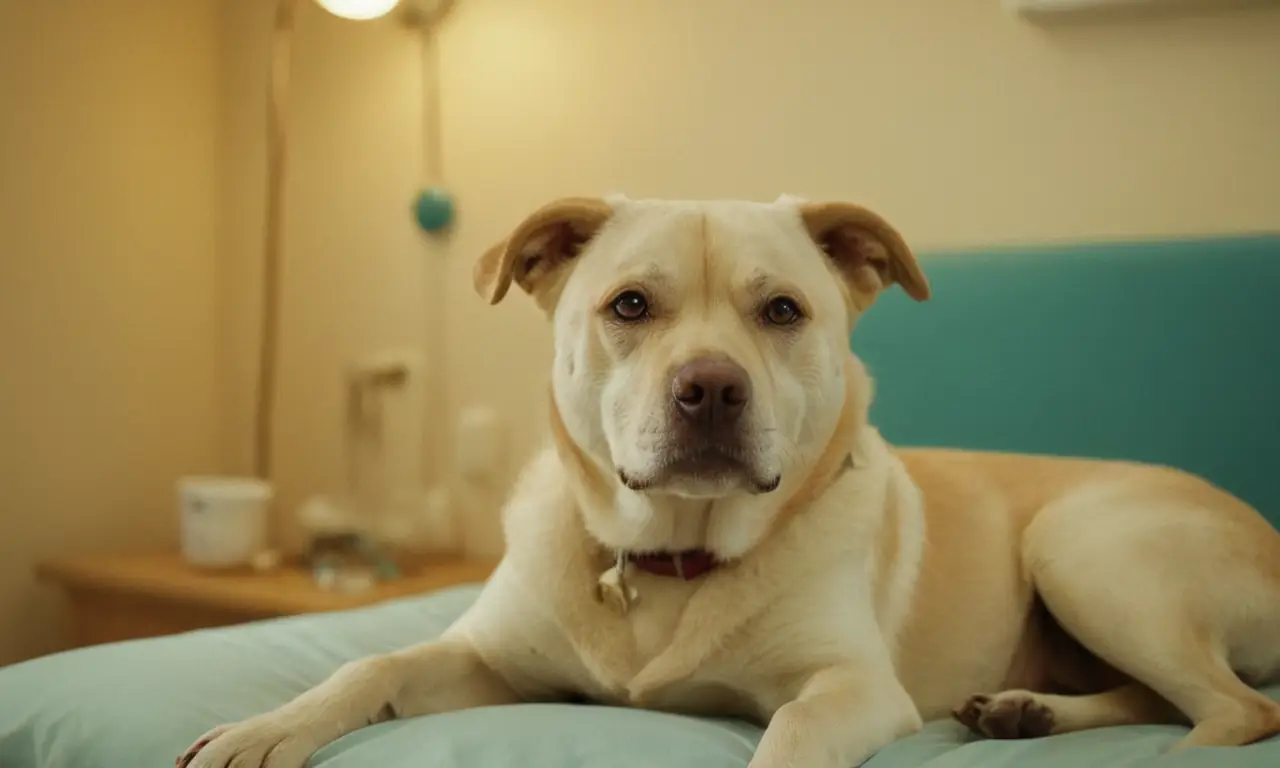
Gastritis in Dogs: Understanding Symptoms and Effective Treatments
Gastritis in dogs is a common yet potentially serious condition affecting the stomach lining. This article delves into the intricacies of Gastritis in dogs - Symptoms and treatment, providing comprehensive information for pet owners. We will explore the various causes, identify the telltale signs, and outline the effective treatment strategies to ensure your canine companion's swift recovery and long-term well-being. Understanding this ailment is crucial for early detection and timely intervention, ultimately contributing to a healthier, happier life for your dog.
𝙲𝚘𝚗𝚝𝚎𝚗𝚝
What is Gastritis in Dogs?
Gastritis refers to the inflammation of the stomach lining. This inflammation can be acute, meaning it comes on suddenly and severely, or chronic, persisting for a longer period. The stomach lining, or gastric mucosa, plays a vital role in digestion by producing acid and enzymes, and also acts as a barrier against ingested substances. When this lining becomes inflamed, its normal functions are compromised, leading to a range of uncomfortable and potentially dangerous symptoms.
Common Causes of Gastritis in Dogs
The reasons behind gastritis in dogs are diverse and can range from simple dietary indiscretions to more complex underlying medical issues. Identifying the cause is a critical step in effective treatment.
Dietary Indiscretions and Irritants
One of the most frequent culprits is something a dog eats that irritates its stomach. This can include:
- Eating garbage or spoiled food: This is a classic cause, often leading to sudden and severe gastritis.
- Ingesting non-food items: Objects like socks, toys, rocks, or plant material can cause irritation or even blockages, leading to inflammation.
- Sudden diet changes: Abruptly switching a dog's food without a gradual transition can upset their digestive system.
- Eating rich or fatty foods: Human foods, especially those high in fat, can be difficult for dogs to digest and trigger gastritis.
- Food allergies or intolerances: Similar to humans, dogs can develop sensitivities to certain ingredients in their food, leading to gastrointestinal upset.
Infections and Parasites
Certain microorganisms and internal parasites can inflame the stomach lining:
- Bacterial infections: Pathogens like E. coli, Salmonella, and Clostridium can cause significant gastric irritation.
- Viral infections: Viruses such as canine parvovirus, while often causing more severe systemic illness, can also manifest with gastritis.
- Intestinal parasites: Worms like roundworms, hookworms, and whipworms can irritate the stomach and intestines, contributing to gastritis.
Ingesting Toxins and Medications
Exposure to harmful substances is a serious cause of gastritis:
- Toxic plants: Many common houseplants and outdoor plants are poisonous to dogs and can cause severe gastrointestinal distress.
- Household chemicals: Cleaning products, antifreeze, and pesticides are highly toxic and can lead to rapid onset gastritis.
- Certain human medications: Over-the-counter pain relievers like ibuprofen and aspirin are particularly dangerous for dogs and can cause severe stomach ulcers and bleeding.
- Heavy metals: Ingesting objects containing lead or other heavy metals can also cause gastritis.
Underlying Medical Conditions
Gastritis can sometimes be a symptom of a more significant health problem:
- Kidney or liver disease: These conditions can affect the body's ability to process toxins, leading to secondary gastritis.
- Pancreatitis: Inflammation of the pancreas is often accompanied by severe vomiting and gastritis.
- Inflammatory Bowel Disease (IBD): This chronic condition affects the entire gastrointestinal tract and can include significant stomach inflammation.
- Gastric ulcers: These are open sores in the stomach lining, which can be a cause or a consequence of gastritis.
- Cancer: Tumors in the stomach can lead to chronic gastritis and other symptoms.
Stress and Anxiety
While less common as a primary cause, significant stress or anxiety can exacerbate or contribute to gastritis in some dogs, particularly those with a sensitive digestive system.
Symptoms of Gastritis in Dogs
The signs of gastritis can vary in intensity depending on the cause and severity of the inflammation. Recognizing these symptoms is key to seeking prompt veterinary care.
Vomiting
This is the most common and often the first sign of gastritis. The vomit may contain:
Cat Gastroenteritis: Symptoms, Treatment & Duration Guide- Undigested food: Especially if the onset is sudden.
- Bile: A foamy, yellowish fluid.
- Blood: This can appear as fresh red blood (hematemesis) or look like coffee grounds, indicating partially digested blood.
- Mucus: A clear, slimy substance.
Vomiting can be intermittent or continuous.
Diarrhea
Loose or watery stools can accompany vomiting. The diarrhea may also contain:
- Blood: Fresh red blood or a dark, tarry appearance (melena), indicating digested blood from further down the digestive tract.
- Mucus: Similar to the vomit.
Loss of Appetite and Lethargy
Dogs with gastritis often feel unwell and may show a decreased interest in food. They may also appear less energetic and more withdrawn than usual.
Abdominal Pain and Discomfort
Your dog might exhibit signs of discomfort when their abdomen is touched or even just when moving. This can manifest as:
- Crying out or yelping: When their belly is pressed.
- Reluctance to be picked up: Especially if it involves pressure on the abdomen.
- Tense or "hunched" posture: As if trying to protect their stomach.
- Pacing or restlessness: Indicating discomfort.
Dehydration
Persistent vomiting and diarrhea can quickly lead to dehydration, which is a serious concern. Signs of dehydration include:
- Dry gums: They should be moist and pink.
- Sunken eyes: The eyes may appear to be set deeper in their sockets.
- Loss of skin elasticity: When you gently pinch the skin on their back, it should snap back quickly. In a dehydrated dog, it will stay tented for a moment.
- Increased panting: Even when not exercising.
Drooling and Nausea
Some dogs may excessively drool or lick their lips frequently, indicating nausea.
Diagnosis of Gastritis in Dogs
A veterinarian will perform a thorough examination and may recommend several diagnostic tests to determine the cause and severity of gastritis.
Physical Examination
The vet will assess your dog's overall health, check for signs of dehydration, and gently palpate the abdomen to check for pain or abnormalities.
Medical History
Detailed information about your dog's diet, any recent ingestions of foreign objects or toxins, vaccination history, and any pre-existing medical conditions is crucial for diagnosis.
Blood Tests
- Complete Blood Count (CBC): Can reveal signs of infection, inflammation, or anemia (if there's significant blood loss).
- Biochemistry Profile: Assesses organ function (kidneys, liver), electrolyte levels, and blood sugar.
Fecal Examination
To check for intestinal parasites.
Gastroenteritis in Dogs: Symptoms, Treatment, and DurationUrinalysis
To evaluate kidney function and screen for other health issues.
Imaging Studies
- X-rays: Can help identify foreign objects, signs of obstruction, or masses in the gastrointestinal tract.
- Ultrasound: Provides more detailed images of the stomach and other abdominal organs, allowing for assessment of the stomach wall thickness and detection of any masses or fluid accumulation.
Endoscopy and Biopsy
In cases of chronic or severe gastritis, an endoscopy may be recommended. A flexible tube with a camera is inserted into the stomach, allowing the veterinarian to visualize the lining directly. Biopsy samples can be taken for microscopic examination to identify specific causes of inflammation, such as cancer or specific types of infections.
Treatment of Gastritis in Dogs
The treatment approach for Gastritis in dogs - Symptoms and treatment is tailored to the underlying cause and the severity of the condition. The primary goals are to alleviate symptoms, address the root cause, and prevent complications.
Dietary Management
This is often the first and most crucial step.
- Bland Diet: Once vomiting subsides, a veterinarian may recommend a temporary diet of easily digestible foods. This typically includes boiled white rice mixed with boiled, lean protein such as chicken breast or turkey. This diet is fed in small, frequent meals.
- Prescription Diets: For dogs with food allergies or intolerments, specialized veterinary prescription diets formulated for sensitive stomachs may be recommended.
- Gradual Transition: When returning to their regular food, it should be done gradually over several days to avoid re-triggering the gastritis.
Medications
Several types of medications are commonly used:
- Anti-emetics: To control vomiting and reduce nausea. Examples include maropitant (Cerenia) or ondansetron.
- Gastroprotectants: To protect the stomach lining and promote healing.
- Sucralfate: Forms a protective coating over ulcers and inflamed areas.
- H2 Blockers (e.g., famotidine, ranitidine) and Proton Pump Inhibitors (e.g., omeprazole): Reduce stomach acid production, which can help alleviate pain and allow the lining to heal.
- Antibiotics: If a bacterial infection is diagnosed.
- Dewormers: If intestinal parasites are identified.
- Pain relievers: For dogs experiencing significant abdominal pain. However, caution is exercised, as some pain relievers can further irritate the stomach.
Fluid Therapy
For dogs that are dehydrated due to vomiting and diarrhea, intravenous (IV) or subcutaneous (under the skin) fluid therapy is essential to restore hydration and electrolyte balance.
Addressing the Underlying Cause
- Removal of Toxins/Irritants: If the gastritis is due to ingesting a toxin or foreign object, prompt veterinary intervention is needed for removal or detoxification.
- Management of Chronic Diseases: If gastritis is secondary to conditions like kidney disease or pancreatitis, managing these primary illnesses is paramount.
Rest and Supportive Care
Allowing your dog to rest and providing a calm, comfortable environment can aid in their recovery.
Preventing Gastritis in Dogs
Preventing Gastritis in dogs - Symptoms and treatment is always better than treating it. Here are some key preventative measures:
- Supervise your dog: Especially outdoors, to prevent them from eating garbage, toxic plants, or other inappropriate items.
- Secure garbage cans: Use lids that your dog cannot open.
- Dog-proof your home: Keep toxic household cleaners, medications, and plants out of reach.
- Gradual diet changes: When switching your dog's food, do so slowly over a week to 10 days.
- Avoid feeding table scraps: Especially fatty or spicy human foods, which can upset a dog's stomach.
- Regular deworming and parasite prevention: Follow your veterinarian's recommendations for internal parasite control.
- Maintain a consistent feeding schedule: Feeding your dog at regular intervals can help maintain a stable digestive system.
- Manage stress: Provide a stable and predictable environment for your dog.
When to See a Veterinarian
It is crucial to seek veterinary attention immediately if your dog exhibits any of the following signs:
- Persistent or severe vomiting.
- Vomiting blood or material that looks like coffee grounds.
- Bloody or black, tarry diarrhea.
- Signs of severe pain or distress.
- Lethargy or weakness that does not improve.
- Signs of dehydration.
Early diagnosis and treatment are vital for a positive outcome and to prevent potential complications like severe dehydration, electrolyte imbalances, or gastric ulceration and perforation.
German Shorthaired Pointer: Your Guide to This Versatile BreedIn summary
Gastritis in dogs is a common ailment with a variety of causes, but with prompt recognition of symptoms and appropriate veterinary care, most dogs can make a full recovery. Understanding the potential triggers, recognizing the signs, and implementing preventative measures are essential responsibilities of every dog owner. By working closely with your veterinarian and providing diligent care, you can ensure your canine companion stays healthy and happy, free from the discomfort and risks associated with gastritis.
Cat Urinary Crystals: Types, Symptoms & Treatment Guide

Cat Weight: How Do I Know If My Cat Is Fat?

Encephalitis in Dogs: Symptoms, Causes & Treatment
Dog Cavities: Causes, Symptoms, and Treatment Options
Natural Flea Relief: Home Remedies for Fleas in Cats

Newborn Puppy Feeding Guide: From Birth to Weaning
Related posts