
Boost Your Dog's Coat: Best Foods for Healthy Hair
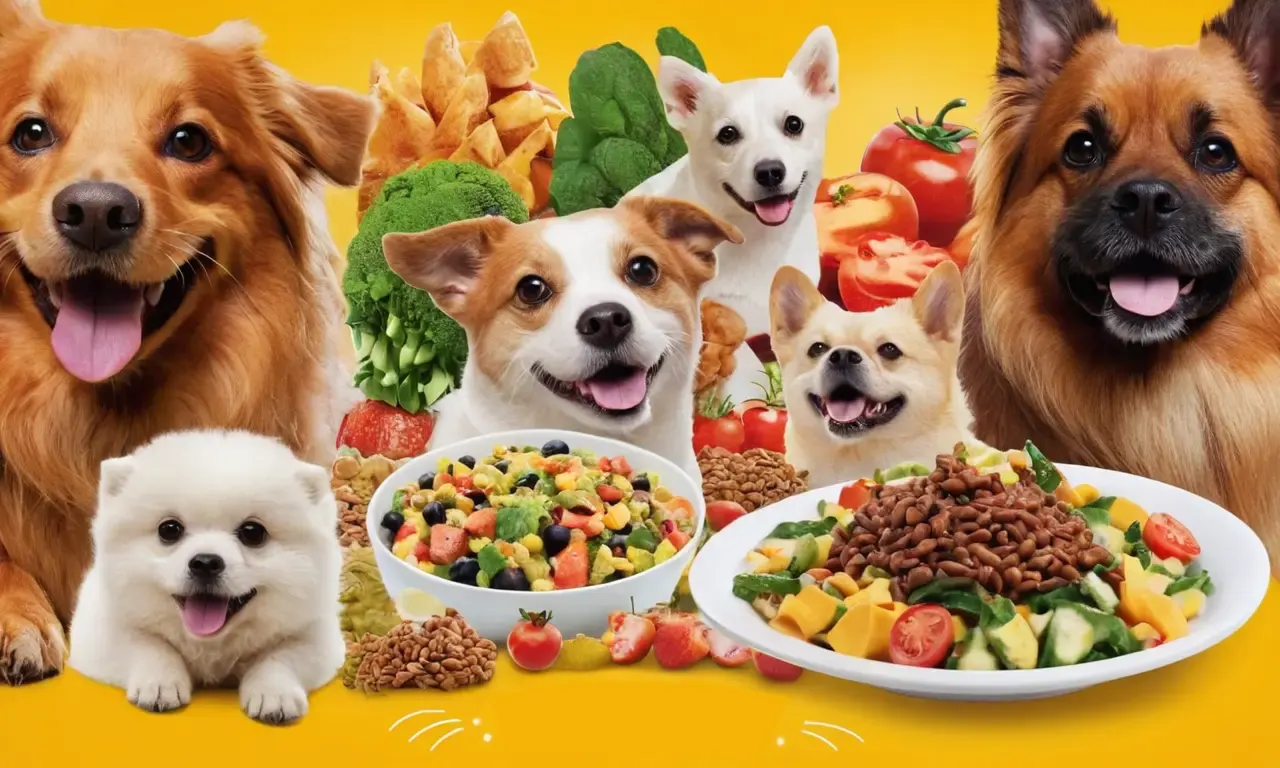
Boost Your Dog's Coat: Best Foods for Healthy Hair
A lustrous, healthy coat is often a reflection of a dog's overall well-being. While genetics play a significant role, the right nutrition is paramount in supporting strong hair follicles, reducing shedding, and promoting a shiny, vibrant coat. Understanding the nutritional components that contribute to healthy dog hair can empower owners to make informed dietary choices, leading to a happier, healthier, and more beautifully coated canine companion. This article delves into the key nutrients and specific good foods for dog hair, offering practical advice for optimizing your dog's diet for a magnificent mane.
𝙲𝚘𝚗𝚝𝚎𝚗𝚝
- The Science Behind a Healthy Coat: Key Nutrients
-
Top Good Foods for Dog Hair: Incorporating Them into Your Dog's Diet
- 1. Fatty Fish: The Omega-3 Powerhouse
- 2. Eggs: A Protein and Biotin Bonanza
- 3. Lean Meats: High-Quality Protein Sources
- 4. Sweet Potatoes: Beta-Carotene and Vitamins
- 5. Carrots: More Beta-Carotene Goodness
- 6. Spinach and Kale: Vitamin and Mineral Boosters
- 7. Flaxseed and Chia Seeds: Plant-Based Omega-3s
- 8. Berries: Antioxidant Powerhouses
- The Role of Commercial Dog Food and Supplements
- Beyond Diet: Other Factors for a Healthy Coat
- Common Signs of a Poor Coat and What They Might Indicate
- In summary: Investing in Your Dog's Health Through Nutrition
The Science Behind a Healthy Coat: Key Nutrients
A dog's hair is primarily composed of protein, and its growth, strength, and sheen are influenced by a complex interplay of vitamins, minerals, and essential fatty acids. When these elements are deficient, it can manifest as dull fur, excessive shedding, dry skin, and a susceptibility to skin infections.
Protein: The Building Block of Hair
Protein is the fundamental component of hair, skin, and nails. For optimal hair growth, dogs require a diet rich in high-quality, digestible proteins. These proteins provide the amino acids necessary for keratin production, the structural protein that forms hair. Insufficient protein intake can lead to brittle, weak hair and increased shedding.
Essential Fatty Acids (EFAs): The Shine and Moisture Factor
Essential fatty acids, particularly Omega-3 and Omega-6, are crucial for maintaining healthy skin and a shiny coat. Omega-6 fatty acids, found in vegetable oils and animal fats, help to keep the skin hydrated and supple, while Omega-3 fatty acids, abundant in fish oil, have anti-inflammatory properties that can reduce dryness and itchiness, contributing to a glossier appearance.
Vitamins: Supporting Cellular Function
Several vitamins play vital roles in hair health:
- Vitamin A: Essential for cell growth and differentiation, vitamin A helps maintain healthy skin and hair follicles.
- B Vitamins (especially Biotin): Biotin is particularly well-known for its role in hair and skin health. It aids in the metabolism of fats, carbohydrates, and proteins, all of which are essential for hair growth. Other B vitamins, like niacin and pantothenic acid, also contribute to healthy skin and coat.
- Vitamin E: A powerful antioxidant, vitamin E protects cells from damage and can improve blood circulation to the scalp, promoting healthy hair growth.
Minerals: The Backbone of Strength
Certain minerals are indispensable for robust hair growth and structure:
- Zinc: Crucial for protein synthesis and cell division, zinc is vital for hair growth and repair. Zinc deficiency can lead to hair loss and skin issues.
- Copper: Aids in the formation of melanin, the pigment that gives hair its color, and is involved in the production of collagen, which strengthens hair.
- Selenium: Works with vitamin E as an antioxidant and plays a role in hair follicle health.
Top Good Foods for Dog Hair: Incorporating Them into Your Dog's Diet
Now that we understand the essential nutrients, let's explore specific good foods for dog hair that can be incorporated into your dog's diet, whether through their regular kibble, homemade additions, or supplements.
The Ultimate Guide to Healthy Dog Food Choices1. Fatty Fish: The Omega-3 Powerhouse
Fatty fish like salmon, mackerel, sardines, and anchovies are exceptional sources of Omega-3 fatty acids (EPA and DHA). These fatty acids are renowned for their anti-inflammatory properties, which can alleviate dry, itchy skin and promote a noticeably shinier coat.
- Benefits: Reduces inflammation, combats dry skin, enhances coat shine, may help with shedding.
- How to feed: Cooked salmon or sardines (boneless and skinless) can be added to your dog's regular food as a treat or meal topper. Ensure any fish given is free of bones and cooked thoroughly to eliminate potential parasites. Fish oil supplements are also widely available and a convenient way to ensure adequate Omega-3 intake.
2. Eggs: A Protein and Biotin Bonanza
Eggs are a nutritional powerhouse, offering high-quality protein, essential amino acids, and biotin. Biotin, in particular, is a cornerstone for healthy hair and skin.
- Benefits: Excellent source of protein and biotin, promotes hair growth and strength.
- How to feed: Cooked eggs (scrambled or boiled) can be given to your dog in moderation. Raw eggs are often debated; while they contain biotin, they also contain avidin, which can inhibit biotin absorption. Cooking denatures avidin, making the biotin more bioavailable.
3. Lean Meats: High-Quality Protein Sources
Lean meats like chicken, turkey, and lean beef provide essential amino acids necessary for keratin production. Opting for lean cuts minimizes excessive fat intake while maximizing protein benefits.
- Benefits: Provides essential amino acids for hair structure, supports muscle health.
- How to feed: Plain, cooked, unseasoned chicken or turkey breast can be added to your dog's diet. Ensure meats are cooked thoroughly and free from bones.
4. Sweet Potatoes: Beta-Carotene and Vitamins
Sweet potatoes are rich in beta-carotene, which the body converts to vitamin A. This vitamin is vital for healthy skin and hair follicle function, contributing to a healthy, vibrant coat. They also provide other beneficial vitamins and fiber.
- Benefits: Source of beta-carotene (precursor to Vitamin A), supports skin health, adds fiber to the diet.
- How to feed: Baked or steamed sweet potato, mashed or cubed, can be a delicious and nutritious addition to your dog's meals. Ensure it's cooked until soft and cooled.
5. Carrots: More Beta-Carotene Goodness
Similar to sweet potatoes, carrots are an excellent source of beta-carotene, promoting healthy skin and a glossy coat. They also offer fiber and other antioxidants.
- Benefits: Rich in beta-carotene, supports coat shine and skin health.
- How to feed: Small, raw or lightly cooked carrot pieces can be given as treats. For older dogs or those with dental issues, steaming them until soft is a good option.
6. Spinach and Kale: Vitamin and Mineral Boosters
These leafy greens are packed with vitamins A, C, and E, as well as iron and other minerals that support overall health, including hair vitality.
- Benefits: Provides a broad spectrum of vitamins and minerals, including antioxidants.
- How to feed: Cooked and finely chopped spinach or kale can be added in small quantities to your dog's food. Introduce them gradually to avoid digestive upset.
7. Flaxseed and Chia Seeds: Plant-Based Omega-3s
For owners looking for plant-based sources of Omega-3 fatty acids (ALA), flaxseed and chia seeds are excellent choices. These seeds also provide fiber and lignans, which have antioxidant properties.
Homemade Cat Cakes: Healthy & Delicious Recipes for Felines- Benefits: Plant-based Omega-3 source, adds fiber, contains antioxidants.
- How to feed: Ground flaxseed or chia seeds can be sprinkled onto your dog's food. It's important to grind flaxseed to ensure proper absorption. Start with small amounts to monitor for any digestive changes.
8. Berries: Antioxidant Powerhouses
Berries like blueberries and raspberries are rich in antioxidants, which help combat free radical damage and support cellular health, including that of hair follicles.
- Benefits: High in antioxidants, supports overall cellular health.
- How to feed: A small handful of fresh or frozen berries (avoiding stems and leaves) can be given as an occasional treat.
The Role of Commercial Dog Food and Supplements
While adding these whole foods can be beneficial, it's crucial to ensure your dog's primary diet is a high-quality commercial dog food that is nutritionally balanced and specifically formulated for their life stage and breed. Many premium dog foods already contain optimal levels of the nutrients discussed.
Choosing the Right Dog Food
When selecting a dog food, look for:
- High-quality protein source as the first ingredient (e.g., chicken, lamb, fish).
- Named fat sources (e.g., chicken fat, fish oil).
- Absence of artificial colors, flavors, and excessive fillers.
- Formulations tailored to your dog's needs (e.g., puppy, adult, senior, sensitive skin).
When to Consider Supplements
In some cases, even with a good diet, your dog might benefit from supplements. This is particularly true for:
- Dogs with specific skin or coat issues: A veterinarian might recommend supplements to address deficiencies or underlying conditions.
- Dogs on restricted diets: If your dog has allergies or other dietary limitations, ensuring they receive all necessary nutrients might require supplementation.
- Dogs that are picky eaters: Supplements can help fill nutritional gaps if your dog isn't consuming enough from their food.
Commonly recommended supplements for coat health include:
- Fish oil supplements: For Omega-3 fatty acids.
- Biotin supplements: For improved hair and skin health.
- Zinc supplements: To prevent deficiency.
Always consult with your veterinarian before introducing any new supplements to your dog's diet. They can help determine if a supplement is necessary and recommend the appropriate dosage.
Beyond Diet: Other Factors for a Healthy Coat
While nutrition is paramount, other lifestyle factors also contribute to a healthy coat:
Homemade Cat Food: Delicious Fish Recipe for Your Feline- Regular Grooming: Brushing your dog regularly removes loose hair, distributes natural oils, stimulates blood circulation to the skin, and allows you to check for any skin abnormalities.
- Parasite Prevention: Fleas, ticks, and internal parasites can significantly impact your dog's skin and coat health, leading to irritation, hair loss, and nutrient depletion.
- Hydration: Adequate water intake is essential for overall health, including maintaining skin hydration and supporting healthy cell function.
- Veterinary Care: Regular veterinary check-ups can identify underlying health issues that might be affecting your dog's coat. Conditions like hypothyroidism or allergies can manifest as poor coat quality.
Common Signs of a Poor Coat and What They Might Indicate
Observing changes in your dog's coat can be an early indicator of nutritional deficiencies or other health concerns.
- Dull, Brittle Hair: May suggest a lack of essential fatty acids or protein.
- Excessive Shedding: While some shedding is normal, a sudden increase can point to dietary imbalances, stress, or underlying health issues.
- Dry, Flaky Skin: Often indicates a deficiency in Omega-6 fatty acids or inadequate hydration.
- Bald Patches (Alopecia): Can be a sign of nutritional deficiencies, hormonal imbalances, allergies, or infections.
- Greasy Coat: Sometimes linked to an imbalance in fatty acids or skin conditions.
In summary: Investing in Your Dog's Health Through Nutrition
Providing your dog with a diet rich in essential nutrients is one of the most impactful ways to promote a healthy, shiny, and robust coat. By incorporating a variety of good foods for dog hair – from fatty fish and eggs to nutrient-dense vegetables – and choosing a high-quality commercial dog food, you can significantly contribute to your dog's overall well-being. Remember to always consult with your veterinarian for personalized dietary advice and before making any significant changes to your dog's diet or introducing supplements. A beautiful coat is a testament to a healthy, happy dog, and good nutrition is the foundation upon which that beauty is built.
Parrot Diet: Best Fruits and Vegetables for Your Bird

Festive Feasts: Top Christmas Recipes for Dogs
Dog Kidney Failure Diet: Homemade Solutions & Care Tips
Choosing the Best Dog Food: A Comprehensive Guide
Cat Hepatitis Diet: Essential Foods for Your Feline Friend
Understanding the Composition of Cat Food for Health
Related posts