
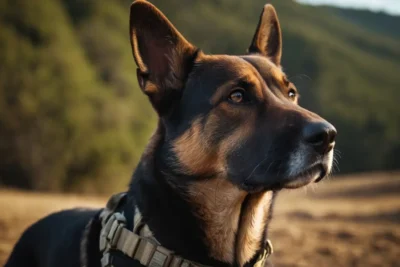
Guide Dogs: Support for Diabetes, Autism, Epilepsy

Guide Dogs: Specialized Assistance for Diabetes, Autism, and Epilepsy
The world of assistance animals is vast and increasingly specialized, offering invaluable support to individuals with a range of needs. While guide dogs are perhaps most widely recognized for assisting people who are blind or visually impaired, their capabilities extend far beyond visual navigation. This article delves into the remarkable ways Guide dogs for people with diabetes, autism or epilepsy are transforming lives, providing not just assistance but also companionship, safety, and enhanced independence. We will explore the unique training and roles these incredible animals undertake to address the specific challenges faced by individuals with these diverse conditions.
The Evolving Role of Guide Dogs: Beyond Visual Impairment
Historically, guide dogs have been synonymous with helping individuals navigate their physical environment safely and independently. Their rigorous training in tasks such as route following, obstacle avoidance, and traffic awareness has empowered countless people with vision loss. However, the understanding of how dogs can benefit individuals with other disabilities has grown exponentially. This has led to the development of specialized training programs for guide dogs to assist those with conditions like diabetes, autism, and epilepsy, addressing crucial aspects of health monitoring, emotional regulation, and emergency response.
Guide Dogs for People with Diabetes: A Lifesaving Partnership
Diabetes, particularly Type 1, can present life-threatening challenges due to fluctuating blood glucose levels. Unnoticed hypoglycemia (low blood sugar) or hyperglycemia (high blood sugar) can lead to confusion, loss of consciousness, seizures, and even coma. This is where Guide dogs for people with diabetes have become an extraordinary asset.
Scent Detection: A Canine Superpower
The remarkable olfactory abilities of dogs are at the core of their effectiveness in assisting individuals with diabetes. Dogs can be trained to detect subtle changes in human scent that are associated with abnormal blood glucose levels. These changes are often imperceptible to humans.
- Hypoglycemia Detection: Dogs can be trained to recognize the specific scent markers released by the body when blood sugar drops too low. Their response typically involves alerting their handler through nuzzling, pawing, barking, or bringing a glucose source.
- Hyperglycemia Detection: Similarly, some dogs can be trained to detect the scent profiles associated with dangerously high blood sugar levels, prompting their handler to take appropriate action, such as administering insulin.
The Training Process for Diabetic Alert Dogs
The training for a diabetic alert dog is intensive and highly specialized:
- Scent Imprinting: Dogs are exposed to the scent of a person experiencing low or high blood sugar. This can be achieved through collected breath samples or by working with a handler whose blood sugar is fluctuating.
- Alert Behavior Training: Once the dog reliably associates the scent with the condition, they are trained to perform a specific alert behavior when they detect the scent. This behavior is practiced extensively to ensure consistency.
- General Obedience and Public Access: Alongside scent training, the dog undergoes comprehensive obedience training and socialization to ensure they are well-behaved and can accompany their handler in public spaces.
- Handler Training: Crucially, the handler is trained to understand and respond to the dog's alerts, recognizing the importance of taking immediate action.
The presence of a diabetic alert dog provides an invaluable layer of safety, offering peace of mind to both the individual and their loved ones. They can provide alerts when the handler is asleep, in the shower, or otherwise unable to monitor their own levels.
Guide Dogs for Victims of Sexist Violence: A New HopeGuide Dogs for People with Autism Spectrum Disorder (ASD): Enhancing Social and Emotional Well-being
Autism Spectrum Disorder is a complex neurodevelopmental condition that can affect social interaction, communication, and behavior. Individuals with ASD often experience sensory sensitivities, challenges with emotional regulation, and difficulties in navigating social situations. Guide dogs for people with autism are trained to provide a unique form of support that addresses these specific needs.
Bridging Social Gaps and Providing Sensory Input
- Social Bridging: The presence of a trained autism service dog can act as a social bridge. The dog's calm demeanor and non-judgmental presence can make interactions with strangers easier for the individual with autism. People are often more approachable when they have a dog with them, and the dog can serve as a conversational starter.
- Sensory Regulation: For individuals who are easily overwhelmed by sensory input, a service dog can provide a grounding presence. The rhythmic petting of the dog, its steady heartbeat, and its predictable behavior can help to calm and regulate the individual.
- Deep Pressure Therapy: Some autism service dogs are trained to provide deep pressure therapy (DPT) on command. This involves the dog leaning its weight on the individual, which can have a calming and organizing effect on the nervous system, similar to a weighted blanket.
- Behavior Interruption: Dogs can be trained to interrupt repetitive or self-harming behaviors. If an individual starts to engage in such behavior, the dog may gently nudge them, lick their hand, or stand between them and whatever is causing distress.
- Emotional Support and Companionship: The unconditional love and companionship of a service dog can significantly reduce feelings of anxiety, loneliness, and isolation often experienced by individuals with autism.
Training for Autism Service Dogs
The training for an autism service dog focuses on a combination of tasks tailored to the individual's specific needs:
- Calming Techniques: Training to provide deep pressure, gentle nudging, and to remain calm in chaotic environments.
- Behavioral Interruption: Teaching the dog to recognize and interrupt specific problematic behaviors.
- Social Interaction Facilitation: Encouraging the dog to initiate calm interactions and be a buffer in social settings.
- Tethering (in some cases): For individuals prone to bolting, the dog can be trained to wear a harness that allows the handler to hold onto it for stability and to prevent them from running off.
- General Obedience and Public Access: As with all service dogs, these are fundamental components of their training.
The impact of an autism service dog can be profound, helping individuals to feel more secure, understood, and capable of engaging with the world around them.
Guide Dogs for People with Epilepsy: Early Warning and Safety
Epilepsy is a neurological disorder characterized by recurrent seizures. These seizures can be unpredictable, and for individuals who experience them, there is a constant concern about safety and when the next seizure might occur. Guide dogs for people with epilepsy are trained to detect and alert their handlers to an impending seizure, as well as to provide assistance during and after one.
Seizure Alert and Response
The ability of dogs to detect changes in behavior or scent prior to a seizure is a critical aspect of their role. While the exact mechanism is still being researched, it is believed that dogs can detect subtle changes in body chemistry, scent, or even minute behavioral shifts that precede a seizure.
- Pre-Seizure Alert: Many dogs can sense an impending seizure and alert their handler. This alert can take various forms, such as pacing, increased attention, vocalization, or nudging. This allows the handler to move to a safe place, such as sitting on the floor, to prevent injury.
- During-Seizure Assistance: Some dogs are trained to stay with their handler during a seizure, providing a calming presence and acting as a buffer to prevent them from injuring themselves.
- Post-Seizure Support: After a seizure, the individual may feel disoriented, confused, or distressed. The dog can provide comfort and reassurance, and in some cases, can be trained to fetch medication or contact help if programmed to do so.
The Rigorous Training of Epilepsy Alert Dogs
The training for an epilepsy alert dog is highly specialized and focuses on the specific needs of the individual:
Gumboro Disease in Birds: Symptoms, Treatment, and Prevention- Seizure Scent/Behavior Detection: Similar to diabetic alert dogs, epilepsy alert dogs are trained to recognize subtle scent or behavioral cues that precede a seizure. This often involves working with handlers who have documented seizure patterns.
- Alert Behavior Training: The dog is trained to perform a consistent and clear alert behavior to notify the handler of an impending seizure.
- Safety Behaviors: Training may include the dog to gently guide the handler to a safe location or to lie down with them if a seizure is imminent.
- Emergency Response (in some cases): For certain individuals, dogs can be trained to activate a medical alert device or fetch a specific item needed after a seizure.
- General Obedience and Public Access: These are paramount for the dog's safety and ability to function in public.
The ability of an epilepsy alert dog to provide advance warning can be life-changing, significantly reducing the risk of injury and increasing the individual's confidence and independence.
The Selection and Temperament of Guide Dogs
Regardless of the specific task, the selection of a suitable dog is paramount. Certain breeds are often favored for their intelligence, trainability, and stable temperaments. Common breeds include Labrador Retrievers, Golden Retrievers, and German Shepherds. However, temperament and individual aptitude are more important than breed alone.
Key characteristics of successful Guide dogs for people with diabetes, autism or epilepsy include:
- Calm Demeanor: The ability to remain calm and composed in various environments and under stress.
- Trainability and Intelligence: A willingness to learn and an aptitude for understanding complex cues.
- Confidence: Not being overly fearful or anxious in new situations.
- Sociability: A friendly and positive attitude towards people and other animals.
- Focus and Work Ethic: The ability to concentrate on their tasks and a desire to please their handler.
The Partnership: A Journey of Trust and Understanding
The relationship between an individual and their service dog is a profound partnership built on trust, communication, and mutual respect. The training is not just for the dog; the handler also undergoes extensive training to learn how to effectively work with their canine partner, understand their cues, and maintain their well-being.
The integration of a service dog into an individual's life can lead to:
- Increased Independence: Greater freedom to travel, socialize, and participate in daily activities.
- Enhanced Safety: Reduced risk of accidents or health crises going unnoticed.
- Improved Emotional Well-being: Decreased anxiety, loneliness, and depression.
- Greater Confidence and Self-Esteem: A sense of empowerment and capability.
Challenges and Considerations
While the benefits are immense, it's important to acknowledge the challenges:
DIY Dog Sniffing Games: Fun & Enrichment at Home- Cost: Training and maintaining a service dog can be expensive.
- Time Commitment: Training and ongoing care require significant time and dedication.
- Public Access Issues: While protected by law in many places, misunderstandings and discrimination can still occur.
- Dog's Retirement: Service dogs eventually retire, and planning for this transition is crucial.
In summary: A Brighter Future with Canine Companions
Guide dogs for people with diabetes, autism or epilepsy represent a remarkable advancement in assistive technology and animal-human partnerships. Their specialized training, coupled with their innate abilities, provides invaluable support, safety, and companionship to individuals facing unique challenges. As our understanding of these conditions and the capabilities of dogs continues to grow, we can anticipate even more innovative and life-changing roles for these extraordinary animals in the future. They are not just helpers; they are cherished members of the family, enabling individuals to live fuller, safer, and more independent lives.
Mastering Dog Training: Defense & Attack Techniques

Dog Behavior Expert: When Your Pet Needs Guidance

Stop Garden Holes: Effective Ways to Prevent Dog Digging

Overcoming Canine Insecurity & Fear: A Comprehensive Guide

Stop Male Dog Fights: Expert Tips for Harmony

Teach Your Dog to Give Paw: A Simple Guide
Related posts