

The Ultimate Guide to Healthy Dog Food Choices
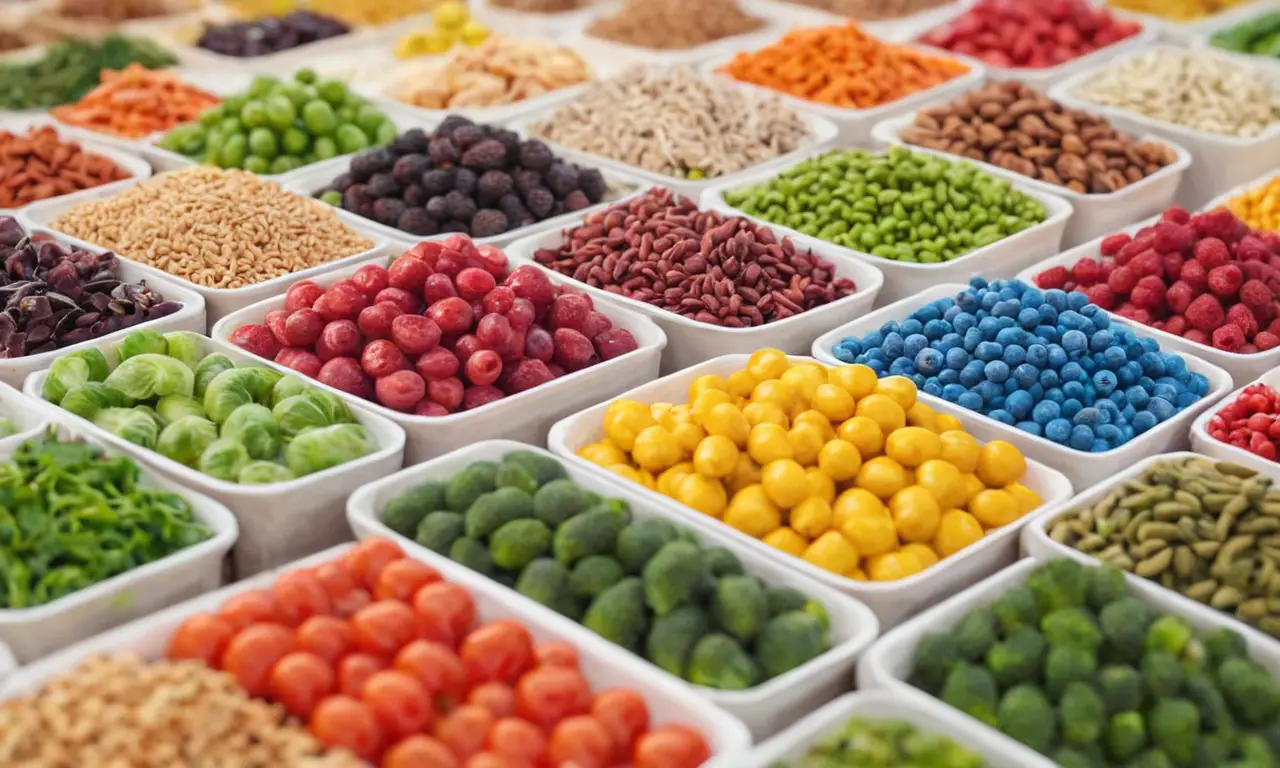
The Ultimate Guide to Healthy Dog Food Choices
Choosing the right food for your canine companion is one of the most crucial decisions you'll make as a pet owner. The quality of your dog's diet directly impacts their overall health, energy levels, longevity, and even their behavior. This comprehensive guide delves deep into the world of Healthy dog food, exploring the essential components, the different types available, how to read labels, common pitfalls to avoid, and how to tailor your dog's diet to their specific needs. By understanding these elements, you can empower yourself to make informed choices that contribute to a happier, healthier life for your furry friend.
𝙲𝚘𝚗𝚝𝚎𝚗𝚝
Understanding the Nutritional Needs of Dogs
Dogs, like all living beings, require a balanced intake of macronutrients and micronutrients to thrive. While their dietary needs differ from humans, there are fundamental similarities.
Macronutrients: The Building Blocks of Health
Macronutrients are the nutrients your dog needs in large amounts to provide energy and support bodily functions.
- Proteins: Essential for building and repairing tissues, producing enzymes and hormones, and supporting the immune system. High-quality protein sources are paramount. Animal-based proteins like chicken, beef, lamb, and fish are generally considered superior due to their complete amino acid profile. Plant-based proteins can supplement a diet but may not always provide all essential amino acids on their own.
- Fats: A concentrated source of energy, crucial for absorbing fat-soluble vitamins (A, D, E, K), maintaining healthy skin and coat, and supporting cognitive function. Healthy fats include omega-3 and omega-6 fatty acids. Omega-3s are known for their anti-inflammatory properties and can benefit skin, coat, and joint health. Omega-6s are important for skin barrier function and growth.
- Carbohydrates: Provide energy and fiber. While not as essential as protein and fat, complex carbohydrates like those found in whole grains (brown rice, oats), sweet potatoes, and peas can offer sustained energy release and aid in digestion. Some dogs may have sensitivities to certain grains, leading to the development of grain-free diets.
Micronutrients: The Essential Extras
Micronutrients are needed in smaller quantities but are vital for a multitude of bodily processes.
Homemade Cat Cakes: Healthy & Delicious Recipes for Felines- Vitamins: Dogs require both fat-soluble (A, D, E, K) and water-soluble (B vitamins, C) vitamins. These play roles in everything from vision and bone health to energy metabolism and immune function.
- Minerals: Essential for bone strength (calcium, phosphorus), nerve function (potassium, sodium), oxygen transport (iron), and enzyme activity (zinc, selenium). Maintaining the correct balance of minerals is crucial, as too much or too little of certain minerals can be detrimental.
Decoding Dog Food Labels: What to Look For
Navigating the aisles of pet food can be overwhelming. Learning to read and understand dog food labels is your first line of defense in selecting Healthy dog food.
The Ingredient List: The Heart of the Label
The ingredient list is presented in descending order by weight. This means the first few ingredients are the most abundant.
- First few ingredients: Aim for high-quality animal protein sources (e.g., chicken, lamb, fish) to be among the first ingredients. Avoid foods where "by-products" or generic "meat meals" are listed at the top.
- Whole foods: Look for recognizable whole food ingredients like sweet potatoes, peas, carrots, and blueberries.
- Avoid artificial additives: Steer clear of artificial colors, flavors, and preservatives. Natural preservatives like mixed tocopherols (a form of Vitamin E) are preferable.
- Grains vs. Grain-Free: The debate continues, but for most dogs, a moderate amount of digestible grains like brown rice or oats can be beneficial. If your dog has a diagnosed grain allergy or sensitivity, a carefully formulated grain-free option may be necessary.
Guaranteed Analysis: A Snapshot of Nutrition
The guaranteed analysis provides the minimum percentages of crude protein and fat, and the maximum percentages of crude fiber and moisture.
- Protein and Fat: Higher percentages generally indicate a more nutrient-dense food, especially for active dogs. However, the quality of the protein source is more important than the raw percentage.
- Fiber: Adequate fiber is important for digestive health.
- Moisture: Kibble has a low moisture content (around 10%), while wet food can have up to 80%. This impacts how much food your dog needs to consume to get the same amount of nutrients.
AAFCO Statement: The Seal of Approval
The Association of American Feed Control Officials (AAFCO) sets standards for pet food. Look for a statement on the packaging that indicates the food is "formulated to meet the nutritional levels established by the AAFCO Dog Food Nutrient Profiles for [life stage]." This ensures the food is complete and balanced for a specific life stage (e.g., puppy, adult, senior).
Homemade Cat Food: Delicious Fish Recipe for Your FelineTypes of Healthy Dog Food
The market offers a wide variety of dog food types, each with its own advantages and disadvantages.
Dry Dog Food (Kibble)
- Pros: Cost-effective, convenient, long shelf life, helps with dental hygiene by scraping plaque.
- Cons: Lower moisture content, can be highly processed, some formulas may contain fillers.
- Choosing Kibble: Opt for brands with high-quality protein as the first ingredient, whole food carbohydrates, and minimal artificial additives.
Wet Dog Food (Canned Food)
- Pros: High moisture content (beneficial for hydration), often more palatable, can be easier to digest for some dogs.
- Cons: More expensive than kibble, shorter shelf life once opened, can be less effective for dental cleaning.
- Choosing Wet Food: Look for similar quality indicators as kibble, prioritizing recognizable protein sources and avoiding excessive fillers.
Semi-Moist Dog Food
- Pros: Palatable, convenient for training treats.
- Cons: Often contain higher levels of sugar and artificial preservatives, generally not recommended as a primary diet.
Raw Dog Food Diets
- Pros: Mimics a dog's ancestral diet, can lead to improved coat health, energy levels, and digestion for some dogs.
- Cons: Risk of bacterial contamination (for both dog and humans), requires careful balancing of nutrients to avoid deficiencies, can be more expensive and time-consuming to prepare.
- Considerations: If considering a raw diet, consult with a veterinary nutritionist to ensure it is safe and nutritionally complete.
Fresh or Home-Cooked Dog Food
- Pros: Complete control over ingredients, can be tailored to specific dietary needs and sensitivities, often highly palatable.
- Cons: Requires significant time and effort, potential for nutritional imbalances if not formulated by a professional, can be expensive.
- Considerations: Similar to raw diets, working with a veterinary nutritionist is crucial for formulating a safe and balanced home-cooked diet.
Common Pitfalls to Avoid When Choosing Dog Food
Even with the best intentions, pet owners can fall into common traps when selecting Healthy dog food.
- Marketing Hype: Don't be swayed by clever marketing slogans or celebrity endorsements. Focus on the ingredients and nutritional analysis.
- Grain-Free Fad: Unless your veterinarian has diagnosed a grain allergy or sensitivity, there's often no proven benefit to feeding a grain-free diet. In fact, some studies have linked certain grain-free diets to dilated cardiomyopathy (DCM) in dogs, though the exact cause is still under investigation.
- "All-Natural" vs. "Organic": These terms can be misleading. "All-natural" doesn't necessarily mean a food is free of artificial ingredients or is nutritionally superior. "Organic" refers to specific farming practices and may not always translate to a healthier pet food.
- Overfeeding: Even the best food can lead to health problems if fed in excess. Follow feeding guidelines and adjust based on your dog's individual needs and activity level.
- Sudden Diet Changes: Abruptly switching your dog's food can lead to digestive upset. Transition to a new food gradually over 7-10 days by mixing increasing amounts of the new food with decreasing amounts of the old food.
Tailoring Diet to Your Dog's Specific Needs
A one-size-fits-all approach to dog food doesn't exist. Several factors influence what constitutes Healthy dog food for your individual dog.
Life Stage Considerations
- Puppies: Require higher levels of protein, calories, and specific nutrients like calcium and phosphorus for growth and development. Puppy formulas are specifically designed to meet these needs.
- Adult Dogs: Need a balanced diet to maintain their weight, energy levels, and overall health.
- Senior Dogs: May benefit from lower calorie diets to prevent weight gain, and may require supplements for joint health or cognitive support. Look for senior-specific formulas.
Breed and Size
- Small Breeds: Have faster metabolisms and may require smaller kibble sizes.
- Large Breeds: Have specific growth requirements to prevent skeletal issues. Large breed puppy formulas often have controlled calcium and phosphorus levels.
- Breed-Specific Needs: Some breeds are predisposed to certain health conditions (e.g., allergies, joint problems) that might warrant a specialized diet.
Activity Level
- Highly Active Dogs: (e.g., working dogs, sporting dogs) need more calories and fat to fuel their demanding lifestyles.
- Less Active Dogs: (e.g., couch potatoes) require fewer calories to prevent obesity.
Health Conditions
- Allergies and Sensitivities: If your dog suffers from allergies, you may need to explore limited ingredient diets (LID) or novel protein sources.
- Digestive Issues: May benefit from easily digestible ingredients and added prebiotics and probiotics.
- Weight Management: Overweight dogs need calorie-restricted diets, while underweight dogs require calorie-dense options.
- Medical Conditions: Dogs with specific medical conditions (e.g., kidney disease, diabetes) require prescription diets formulated by veterinarians.
The Role of Veterinary Consultation
Your veterinarian is your most valuable resource when it comes to your dog's nutrition. They can:
Dog Kidney Failure Diet: Homemade Solutions & Care Tips- Assess your dog's overall health and identify any underlying conditions.
- Recommend specific types of food or brands based on your dog's individual needs.
- Help you formulate a balanced home-cooked or raw diet if you choose that path.
- Provide guidance on portion control and feeding schedules.
- Monitor your dog's response to a new diet.
In summary: Investing in Your Dog's Well-being
Selecting Healthy dog food is an ongoing commitment to your dog's health and happiness. By understanding their nutritional needs, learning to decipher food labels, exploring the various food types, avoiding common pitfalls, and consulting with your veterinarian, you can make informed decisions that will contribute to a long, vibrant, and fulfilling life for your beloved canine companion. Remember, the food you choose is a direct investment in their well-being.
Festive Feasts: Top Christmas Recipes for Dogs

Dog Kidney Failure Diet: Homemade Solutions & Care Tips

Choosing the Best Dog Food: A Comprehensive Guide

Cat Hepatitis Diet: Essential Foods for Your Feline Friend
Understanding the Composition of Cat Food for Health

Obese Dog Diet: Vet-Approved Weight Loss Strategies
Related posts