
Natural Lice Removal for Your Dog: Effective Home Remedies
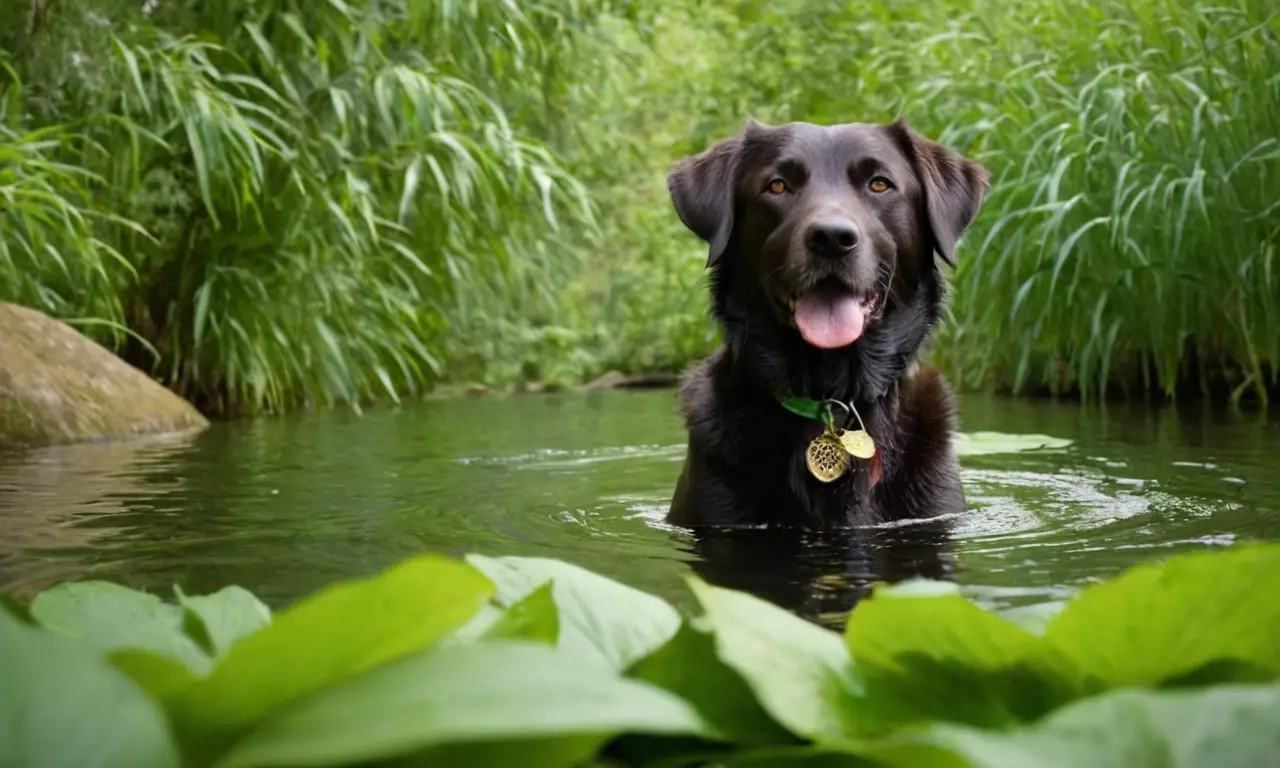
Natural Lice Removal for Your Dog: Effective Home Remedies
Dealing with lice on your beloved canine companion can be a stressful experience for both you and your furry friend. While commercial treatments are readily available, many pet owners are seeking natural, effective, and readily accessible solutions. This comprehensive guide delves into a variety of home remedies for lice in dogs, exploring their mechanisms, applications, and important considerations to ensure a safe and successful eradication of these irritating parasites. From common kitchen ingredients to specific herbal applications, we'll equip you with the knowledge to tackle lice infestations naturally.
𝙲𝚘𝚗𝚝𝚎𝚗𝚝
Understanding Dog Lice: The Tiny Invaders
Before we dive into the remedies, it's crucial to understand what we're up against. Canine lice are small, wingless insects that live on the skin and fur of dogs. They feed on dead skin cells, oils, and sometimes blood. There are two main types of lice that affect dogs: chewing lice (species like Trichodectes canis) and sucking lice (species like Linognathus setosus). Chewing lice have broad heads and chew on skin debris, while sucking lice have pointed heads and feed on blood, which can lead to anemia in severe infestations.
Lice infestations are more common in puppies, older dogs, and those with compromised immune systems. They spread through direct contact with an infested animal, sharing bedding, grooming tools, or other contaminated items. Symptoms of lice infestation include:
- Intense itching and scratching: This is the most common sign. Your dog may incessantly scratch, leading to skin irritation, sores, and hair loss.
- Visible nits (eggs): These are tiny, oval-shaped eggs that cling tightly to the dog's hair shafts, often near the base. They can appear as small white or yellowish specks.
- Visible lice: In heavy infestations, you might be able to see the adult lice, which are usually tan or grayish-brown.
- Dull and rough coat: The dog's fur may lose its luster and feel dry.
- Skin irritation and redness: The constant scratching can cause inflamed and sensitive skin.
- Hair loss: Patches of thinning or complete hair loss can occur due to excessive scratching and damage.
- Secondary bacterial infections: Open sores from scratching can become infected.
It's important to distinguish lice from fleas, as their treatment methods differ. Fleas are typically larger, jump, and are more mobile. Lice are slower-moving and primarily cling to the hair.
The Power of Nature: Exploring Home Remedies for Lice in Dogs
The good news is that many natural ingredients can effectively combat lice without the harsh chemicals often found in commercial treatments. These remedies often work by suffocating the lice, disrupting their life cycle, or creating an environment that is inhospitable to them.
1. Vinegar: A Natural Astringent and Insecticide
Vinegar, particularly apple cider vinegar (ACV), is a popular and effective home remedy for a variety of pet ailments, including lice. Its acidic nature can help break down the outer shell of lice and their nits, making them easier to remove.
How to use:
- Diluted Spray: Mix equal parts of raw, unfiltered apple cider vinegar and water in a spray bottle.
- Application: Lightly spray your dog's coat, avoiding the eyes, nose, and mouth. Gently massage the solution into the fur, ensuring it reaches the skin.
- Let it sit: Allow the solution to dry naturally on your dog's fur.
- Repeat: This can be done daily for a week or two, or until the lice are gone.
- Bathing: You can also add a cup of ACV to your dog's bathwater as a rinse after shampooing.
Why it works: The acetic acid in vinegar is believed to be toxic to lice and nits. It can also help soothe irritated skin caused by scratching.
Important Note: Always use raw, unfiltered apple cider vinegar for its beneficial enzymes and minerals. Dilute it properly to avoid skin irritation.
2. Olive Oil: Suffocation and Removal
Olive oil, like other oils, can be a simple yet effective method for killing lice by suffocation. The oil coats the lice, preventing them from breathing.
How to use:
- Application: Generously apply olive oil to your dog's fur, focusing on areas where you see the most lice or nits. Massage it thoroughly into the coat and down to the skin.
- Covering: For better efficacy, you can cover your dog with a shower cap or a plastic bag (ensure it's secure and your dog can breathe comfortably and isn't overheating). This helps to trap the oil and any escaping lice.
- Leave it on: Leave the olive oil on for at least 4-8 hours, or even overnight if your dog tolerates it.
- Washing: Thoroughly wash your dog with a mild dog shampoo to remove all the oil. You may need to shampoo twice.
- Combing: After washing and drying, meticulously comb through your dog's fur with a fine-toothed comb (nit comb) to remove any remaining dead lice and nits.
Why it works: The oil creates a barrier that blocks the spiracles (breathing pores) of the lice, leading to their suffocation.
Natural Mite Relief: Home Remedies for Mites in DogsImportant Note: Ensure you wash out all the oil, as it can attract dirt and make your dog's coat greasy if left on.
3. Lemon Spray: A Natural Insecticide
Lemons, due to their citric acid content, possess natural insecticidal properties that can be effective against lice.
How to use:
- Preparation: Slice two lemons and boil them in a pint of water. Let the mixture steep overnight.
- Straining: Strain the liquid and discard the lemon pieces.
- Application: Pour the lemon water into a spray bottle.
- Spraying: Lightly spray your dog's coat, avoiding the eyes and mouth. Focus on areas with lice.
- Drying: Let the solution air dry on your dog's fur.
- Repeat: This can be done daily until the lice are eradicated.
Why it works: Citric acid is a natural pesticide that can kill lice and their eggs.
Important Note: Lemon can be drying to the skin, so monitor your dog for any signs of irritation. Use in moderation.
4. Essential Oils: Potent Natural Repellents and Killers
Certain essential oils have insecticidal properties and can be used as part of a lice treatment plan. However, it's crucial to use them with extreme caution, as some essential oils can be toxic to dogs if used improperly or in high concentrations.
Recommended Essential Oils (Diluted):
- Lavender Oil: Known for its calming properties and mild insecticidal effects.
- Peppermint Oil: A strong repellent for many insects.
- Rosemary Oil: Traditionally used to repel insects.
- Tea Tree Oil (Use with extreme caution and in very low dilution): While potent, tea tree oil can be toxic to dogs if ingested or applied undiluted. It should be used as a last resort and only with expert guidance.
How to use:
- Dilution is KEY: Always dilute essential oils heavily with a carrier oil like coconut oil, olive oil, or jojoba oil. A general guideline is 1-2 drops of essential oil per ounce of carrier oil.
- Patch Test: Before applying to the entire body, perform a patch test on a small area of your dog's skin to check for any adverse reactions.
- Application: Apply the diluted mixture sparingly to your dog's fur, avoiding the face, eyes, and mouth. You can also apply a few drops to your dog's collar (ensure it's a safe material).
- Frequency: Use once or twice a week, as needed.
Why it works: These oils disrupt the nervous system of lice and act as repellents.
Crucial Warnings Regarding Essential Oils:
- NEVER use essential oils undiluted on your dog.
- Avoid use on puppies, elderly dogs, pregnant or nursing dogs, and dogs with pre-existing health conditions.
- Do not let your dog ingest the oils.
- If you are unsure about specific oils or their dilution, consult with your veterinarian or a certified animal aromatherapist.
5. Baking Soda: A Gentle Exfoliant and Deterrent
Baking soda can be used as a natural drying agent and mild abrasive that can help dislodge lice and nits.
How to use:
Natural Relief: Home Remedies for Your Dog's Cough- Paste: Mix baking soda with a small amount of water to create a paste.
- Application: Apply the paste to your dog's coat, focusing on areas with lice.
- Let it sit: Allow the paste to dry completely.
- Brush/Wash off: Once dry, brush it out thoroughly or give your dog a bath to wash off the residue.
- Powder: You can also lightly dust your dog's fur with baking soda, let it sit for a few hours, and then brush it out.
Why it works: Baking soda can dry out the lice and nits, making them brittle and easier to remove.
Important Note: While generally safe, ensure your dog doesn't ingest large amounts of baking soda.
6. Diatomaceous Earth (Food Grade): A Natural Desiccator
Food-grade diatomaceous earth (DE) is a fine powder made from fossilized algae. It's highly effective at killing insects by dehydrating them.
How to use:
- Ensure Food Grade: It is absolutely critical to use only FOOD GRADE diatomaceous earth. Industrial or pool grade DE is harmful.
- Application: Lightly dust your dog's dry fur with food-grade DE, working it down to the skin. Be careful not to inhale the dust yourself or let your dog inhale it. Avoid the eyes and nose.
- Allow to work: Let the DE sit on your dog's fur for a few hours.
- Brush/Wash: Brush out the excess DE. You can also bathe your dog afterwards.
- Repeat: This can be done a few times a week until the lice are gone.
Why it works: The microscopic sharp edges of DE cut through the exoskeleton of the lice, causing them to dehydrate and die.
Important Precautions:
- Inhalation Hazard: Wear a mask when applying DE to avoid inhaling the fine dust. Ensure your dog also avoids inhaling it.
- Eye Irritation: Keep DE away from your dog's eyes and nose.
- Not for ingestion: While food grade, it's not meant to be ingested in large quantities by your pet.
The Crucial Step: Combing and Cleaning
Regardless of the chosen home remedy, meticulous combing and thorough cleaning are paramount to successfully eradicating lice.
The Power of the Nit Comb
A fine-toothed comb, specifically designed for removing lice and nits (a "nit comb" or "lice comb"), is your most valuable tool.
How to comb effectively:
- Wet Hair: It's often easiest to comb wet hair as it helps to trap lice and nits.
- Work in Sections: Divide your dog's fur into small sections.
- Comb from Root to Tip: Starting at the base of the hair shaft, comb through to the ends.
- Wipe the Comb: After each pass, wipe the comb on a damp paper towel to remove any lice or nits. Dispose of the paper towel immediately in a sealed bag.
- Inspect: Carefully inspect the paper towel for any signs of lice or nits.
- Repeat, Repeat, Repeat: This process needs to be repeated diligently every 2-3 days for at least two weeks to break the lice life cycle. Nits hatch into new lice, so continuous combing is essential to remove them before they mature and lay more eggs.
Environmental Decontamination
Lice can survive off the host for a period, so it's vital to clean your environment to prevent reinfestation.
- Wash Bedding: Wash all dog bedding, blankets, and toys in hot water and dry them on the highest heat setting.
- Vacuum Thoroughly: Vacuum carpets, upholstery, and any other areas where your dog spends time. Dispose of the vacuum bag or empty the canister outside immediately.
- Clean Grooming Tools: Wash all brushes, combs, and other grooming tools in hot, soapy water.
When to Seek Professional Help
While home remedies for lice in dogs can be very effective, there are times when you should consult your veterinarian:
- Severe Infestations: If your dog has a very heavy infestation, or if you see signs of anemia (pale gums, lethargy), seek veterinary advice immediately.
- Skin Sores and Infections: If your dog's skin is severely irritated, has open sores, or shows signs of infection, a veterinarian can provide appropriate treatment.
- Underlying Health Issues: If your dog has a weakened immune system or other underlying health problems, a vet can offer the safest and most effective treatment plan.
- Lack of Improvement: If you have diligently tried home remedies for a couple of weeks and see no improvement, it's time to see your vet. They can diagnose the issue definitively and prescribe stronger treatments if necessary.
By understanding the signs of lice, employing these natural remedies with care and consistency, and diligently cleaning your home, you can effectively free your furry friend from these bothersome parasites. Remember that patience and perseverance are key to a successful lice eradication.
Puppy Cold Remedies: Natural Relief for Your Furry Friend
Cat Urinary Crystals: Types, Symptoms & Treatment Guide

Cat Weight: How Do I Know If My Cat Is Fat?
Encephalitis in Dogs: Symptoms, Causes & Treatment
Dog Cavities: Causes, Symptoms, and Treatment Options
Natural Flea Relief: Home Remedies for Fleas in Cats

Newborn Puppy Feeding Guide: From Birth to Weaning
Related posts