

DIY Cat Scratching Post: Build a Fun Haven
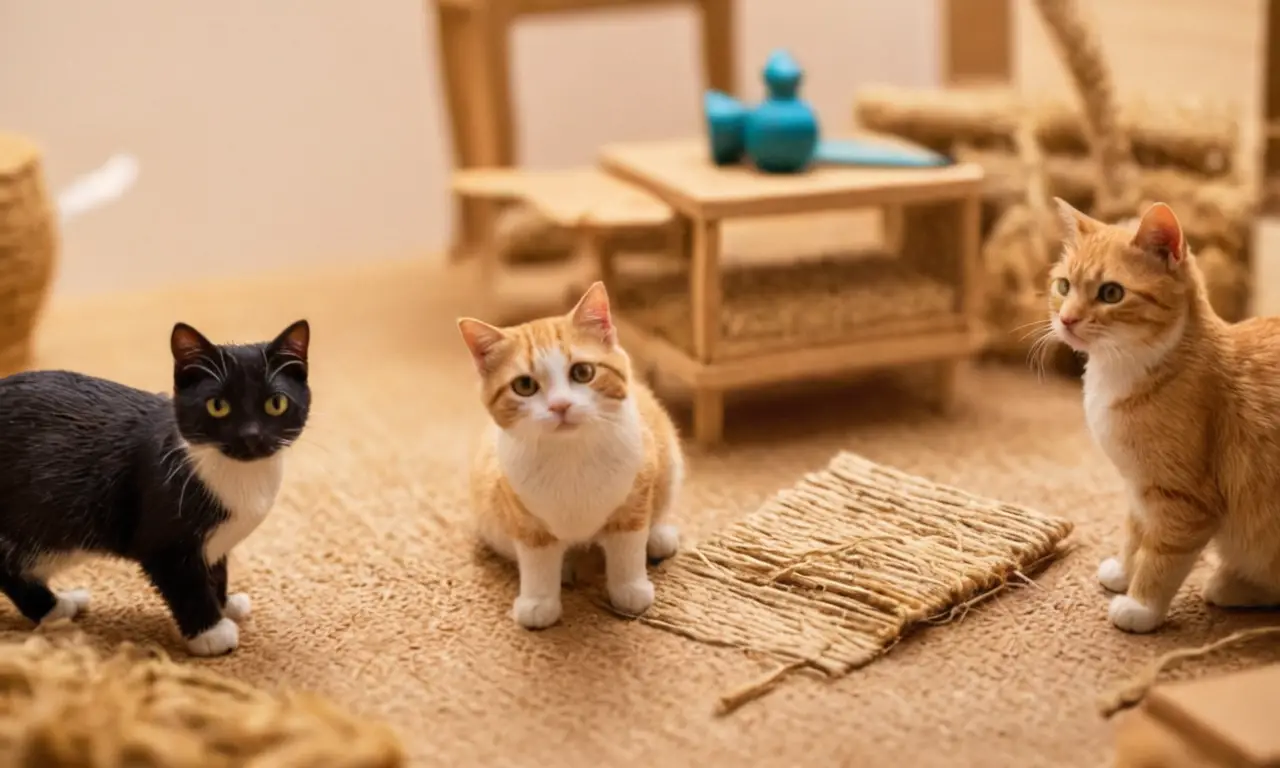
DIY Cat Scratching Post: Build a Fun Haven for Your Feline Friend
Creating a dedicated scratching space for your cat is essential for their well-being and to protect your furniture. Instead of purchasing expensive store-bought options, have you ever considered building your own? A homemade cat scratching post can be a rewarding and cost-effective project, allowing you to customize it to your cat's preferences and your home's aesthetic. This guide will walk you through the process of designing and constructing a fantastic homemade cat scratching post, ensuring your feline companion has a happy and stimulating environment.
𝙲𝚘𝚗𝚝𝚎𝚗𝚝
- Why Your Cat Needs a Scratching Post
- Planning Your Homemade Cat Scratching Post
- Essential Materials for Your Homemade Cat Scratching Post
- Building Your Homemade Cat Scratching Post: Step-by-Step Guides
- Tips for Making Your Homemade Cat Scratching Post a Hit
- Beyond the Basic: Advanced Homemade Cat Scratching Post Ideas
Why Your Cat Needs a Scratching Post
Before we dive into the "how-to," it's crucial to understand why cats scratch. Scratching is a natural and instinctive behavior for felines, serving multiple purposes:
- Claw Maintenance: Scratching helps cats shed the outer husks of their claws, keeping them sharp and healthy.
- Stretching and Exercise: It's a full-body workout, allowing them to stretch their back, shoulder, and leg muscles.
- Scent Marking: Cats have scent glands in their paws, and scratching leaves both a visual mark and a scent marker, communicating their presence to other cats.
- Stress Relief and Play: For many cats, scratching is a way to relieve stress, excitement, or boredom.
Depriving a cat of an appropriate scratching outlet can lead to destructive behavior, such as scratching furniture, carpets, or curtains. Providing a dedicated homemade cat scratching post is a win-win situation.
Planning Your Homemade Cat Scratching Post
The success of your homemade cat scratching post hinges on good planning. Consider these factors before you begin gathering materials:
Cat Size and Strength
A tiny kitten will have different scratching needs than a large, robust Maine Coon. The post should be tall enough for your cat to fully stretch their body while scratching. For larger cats, a sturdier base is essential to prevent tipping.
Scratching Material Preference
Cats have preferences! Some prefer rough, fibrous materials like sisal rope, while others might enjoy the texture of cardboard or even carpet. You can even offer a variety of textures in your design.
DIY Dog Repellents: Safe & Effective Homemade SolutionsPlacement
Where will the homemade cat scratching post be located? Cats often like to scratch in prominent areas, such as near their favorite napping spots, entrances to rooms, or close to furniture they're tempted to scratch. Observe your cat's habits to determine the best location.
Stability and Durability
A wobbly scratching post is more likely to be ignored or even feared by your cat. Ensure your design is stable and the materials used are durable enough to withstand vigorous scratching.
Essential Materials for Your Homemade Cat Scratching Post
The beauty of a homemade cat scratching post is its adaptability. Here are some common and effective materials you might need:
For the Post Itself:
- Cardboard Tubes: Sturdy cardboard tubes from carpet rolls or large shipping tubes are excellent bases.
- Wood Posts: Untreated lumber, like a 4x4 or a thick branch, can be a very durable option. Ensure it's smooth and free of splinters.
- PVC Pipes: Thick PVC pipes can also serve as a sturdy core, especially if you plan to wrap them with other materials.
For the Scratching Surface:
- Sisal Rope: This is a classic for a reason. It's durable, offers excellent grip, and is highly appealing to most cats. Opt for natural, untreated sisal.
- Corrugated Cardboard: You can create amazing scratching surfaces by layering and gluing strips of corrugated cardboard. This is an eco-friendly and inexpensive option.
- Carpet Remnants: If you have old carpet scraps, they can be repurposed. Ensure the carpet is tightly woven and doesn't fray easily. Avoid looped or shag carpets, as claws can get caught.
- Natural Fabrics: Burlap or jute fabric can also be used, offering a different texture.
For the Base:
- Plywood or MDF: A sturdy piece of wood for the base provides stability. The larger and heavier the base, the more stable the post will be.
- Old Furniture Base: The base of an old table or a sturdy wooden crate can be repurposed.
Fasteners and Adhesives:
- Screws and Washers: For securing wooden components and attaching fabric or rope.
- Wood Glue or Craft Glue: For adhering cardboard layers or fabric.
- Heavy-Duty Stapler and Staples: Useful for attaching fabric or rope to wooden surfaces.
- Hot Glue Gun and Glue Sticks: Can be helpful for securing the ends of rope or fabric.
Tools:
- Saw: For cutting wood or cardboard tubes.
- Drill and Drill Bits: For creating pilot holes and driving screws.
- Measuring Tape: For accurate measurements.
- Scissors or Utility Knife: For cutting rope, fabric, or cardboard.
- Sander (optional): To smooth rough edges on wood.
Building Your Homemade Cat Scratching Post: Step-by-Step Guides
Here are a few popular and effective designs for a homemade cat scratching post, ranging in complexity:
Design 1: The Simple Sisal Rope Post
This is a fantastic starting point for beginners and requires minimal tools.
Materials:
DIY Dog Toys: Fun & Affordable Homemade Options- A sturdy cardboard tube (e.g., from carpet rolls or shipping)
- A circular or square wooden base (plywood or MDF)
- Sisal rope (enough to wrap the entire tube)
- Screws or heavy-duty staples
- Wood glue or strong craft glue
- Optional: Wood for attaching the tube to the base
Instructions:
- Prepare the Base: Cut a piece of plywood or MDF for your base. Ensure it's wide enough to provide good stability for the height of your post.
- Prepare the Tube: If your cardboard tube is too long, cut it to your desired height.
- Attach Tube to Base (Option A - Direct):
- Center the cardboard tube on the base.
- From the underside of the base, drive several screws upwards into the bottom edge of the cardboard tube. Use washers to help distribute the pressure.
- Attach Tube to Base (Option B - Wooden Support):
- Cut a smaller wooden support piece (e.g., a square of plywood).
- Screw this support piece to the center of the base.
- Then, screw the cardboard tube to this wooden support piece. This adds extra stability.
- Start Wrapping with Sisal Rope:
- Begin at the bottom of the tube. Apply a generous amount of glue to the tube's surface.
- Press the end of the sisal rope firmly into the glue.
- Begin tightly wrapping the rope around the tube, ensuring each coil is snug against the previous one. Apply glue as you go, section by section, to keep the rope secure.
- Continue Wrapping: Keep wrapping, applying glue and pressing the rope firmly, until you reach the top of the tube.
- Secure the Top: Once you reach the top, cut the rope, leaving a few extra inches. Apply a final dab of glue and tuck the end of the rope securely, or use a staple to hold it in place. You can also use a dab of hot glue for a quick fix.
- Drying: Allow the glue to dry completely before letting your cat test it out.
Design 2: The Multi-Level Cardboard Scratcher Condo
This design offers more vertical space and variety.
Materials:
- Several sturdy cardboard boxes of varying sizes
- Corrugated cardboard strips (can be cut from other boxes)
- Strong craft glue or hot glue gun
- Box cutter or utility knife
- Measuring tape
Instructions:
- Plan Your Layout: Sketch out how you want your condo to look. You might want different levels, openings, or platforms.
- Cut and Assemble Boxes:
- Cut openings in the boxes to create tunnels, cubbies, or platforms.
- Use glue to securely attach boxes together to form your desired structure.
- Create Scratching Surfaces:
- Cut strips of corrugated cardboard. The wider the strips, the more texture they offer.
- Glue these strips onto the sides and tops of your cardboard boxes, covering areas you want your cat to scratch. You can glue them vertically, horizontally, or in a mosaic pattern.
- Reinforce: Add extra layers of cardboard or glue to areas that will receive the most scratching to ensure durability.
- Consider a Base: For extra stability, you might want to glue the entire structure to a larger piece of cardboard or plywood.
- Drying: Allow all glue to dry thoroughly.
Design 3: The Wooden Post with Carpet and Rope Accents
This is a more robust and potentially more visually appealing option.
Materials:
DIY Flea Shampoo for Cats: Natural & Effective Recipes- A thick wooden post (e.g., a 4x4 or a sturdy, smooth tree branch)
- A sturdy wooden base (plywood or MDF)
- Carpet remnant
- Sisal rope
- Wood screws and washers
- Heavy-duty staple gun and staples
- Optional: Wood glue
Instructions:
- Prepare the Base: Cut a substantial wooden base for stability.
- Prepare the Post: Ensure the wooden post is smooth and free of splinters. You can sand it if necessary.
- Attach Post to Base:
- Center the wooden post on the base.
- From the underside of the base, drive several long wood screws (with washers) up into the bottom of the post. This needs to be very secure.
- Cover with Carpet:
- Cut a piece of carpet remnant to fit around the post.
- Wrap the carpet around the post, ensuring it's taut.
- Use a heavy-duty staple gun to secure the carpet in place, both at the seam and along the top and bottom edges where it meets the base.
- Add Sisal Rope Accents (Optional):
- For areas where your cat might prefer rope, wrap sisal rope around sections of the post, securing it with staples and glue. This adds visual interest and variety.
- Finishing Touches: Ensure all staples are flush and there are no loose threads.
Tips for Making Your Homemade Cat Scratching Post a Hit
- Entice Your Cat: Once your homemade cat scratching post is built, don't expect your cat to automatically use it. Rub catnip on the scratching surface or dangle a toy from the top to encourage them to investigate.
- Positive Reinforcement: When you see your cat using the post, praise them enthusiastically. Avoid scolding them for scratching the wrong things; instead, redirect them to their new post.
- Variety is Key: If you have multiple cats or a particularly discerning feline, consider building several homemade cat scratching posts with different materials and orientations (horizontal, vertical, inclined).
- Placement Matters: As mentioned before, put the post where your cat likes to hang out or where they tend to scratch.
- Regular Maintenance: Check your homemade cat scratching post periodically for wear and tear. Re-glue loose rope, replace worn-out cardboard, or reinforce loose staples to keep it safe and appealing.
Beyond the Basic: Advanced Homemade Cat Scratching Post Ideas
- Wall-Mounted Scratchers: Instead of a freestanding post, consider attaching scratching surfaces directly to walls or furniture legs. This can be done with sisal-wrapped planks or sturdy cardboard panels.
- Cat Trees with Integrated Scratchers: If you're feeling ambitious, incorporate scratching surfaces into a multi-level cat tree design.
- Interactive Scratching Stations: Add hanging toys or treat dispensers to your homemade cat scratching post to make it more engaging.
Building a homemade cat scratching post is a fulfilling project that benefits your cat immensely. It's an opportunity to get creative, save money, and provide your furry friend with a dedicated space for their natural instincts. With a little planning and some basic materials, you can create a scratching haven that your cat will love.
Cat Urinary Crystals: Types, Symptoms & Treatment Guide

Cat Weight: How Do I Know If My Cat Is Fat?

Encephalitis in Dogs: Symptoms, Causes & Treatment

Dog Cavities: Causes, Symptoms, and Treatment Options

Natural Flea Relief: Home Remedies for Fleas in Cats

Newborn Puppy Feeding Guide: From Birth to Weaning
Related posts