

Homemade Dog Food vs. Commercial: A Nutritional Showdown
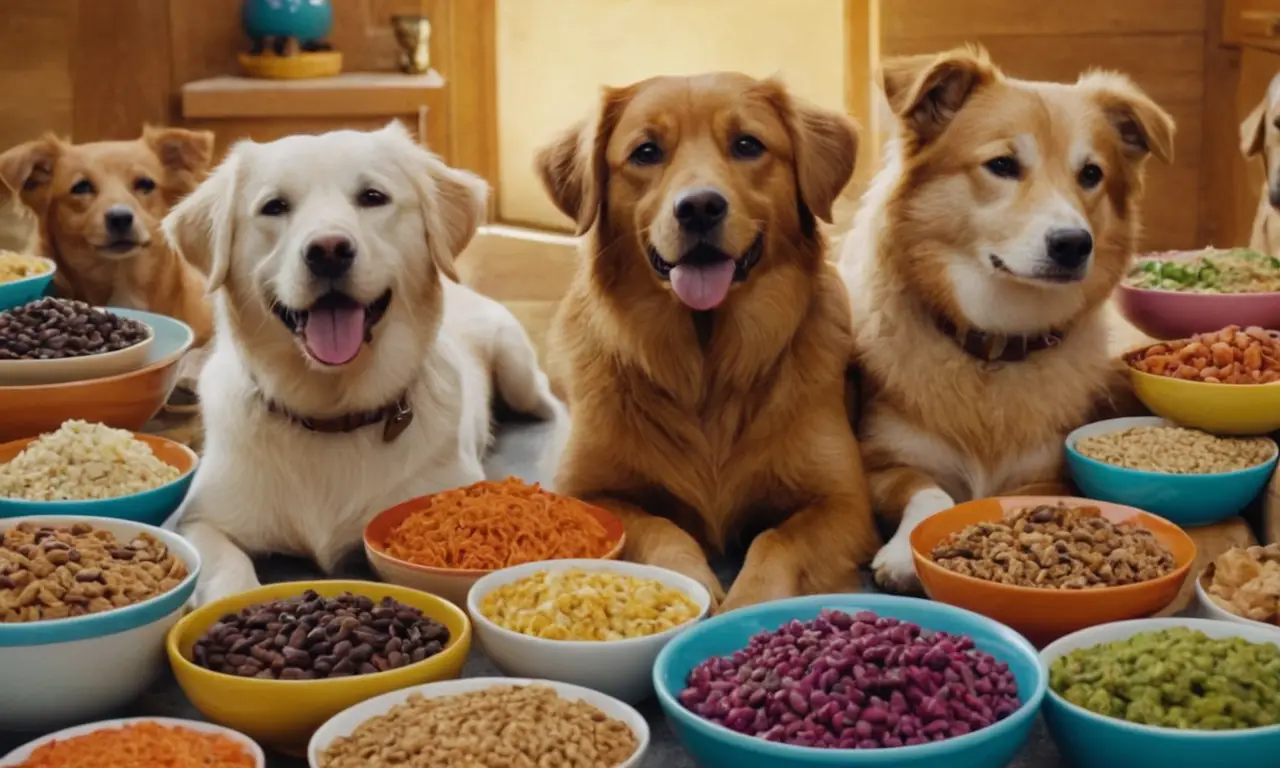
Homemade Dog Food vs. Commercial: A Nutritional Showdown
Navigating the world of canine nutrition can be overwhelming. Pet parents are constantly seeking the best for their furry companions, and a significant question that arises is whether to opt for homemade dog food or feed - which is better? This article delves deep into the pros and cons of both approaches, exploring nutritional completeness, convenience, cost, safety, and ultimately, helping you make an informed decision for your dog's well-being.
The debate surrounding homemade dog food or feed - which is better? is a complex one with passionate advocates on both sides. While commercial dog food offers convenience and a perceived guarantee of nutritional completeness, homemade diets, when carefully planned, can provide a tailored approach to your dog's specific needs. Understanding the nuances of each is crucial for making the best choice.
𝙲𝚘𝚗𝚝𝚎𝚗𝚝
The Appeal of Commercial Dog Food
Commercial dog food has dominated the pet food market for decades, and for good reason. Its primary draw is convenience. In a busy world, the ability to simply scoop kibble or open a can saves considerable time and effort compared to preparing a meal from scratch.
Nutritional Guarantees and Regulation
One of the most significant advantages of commercial dog food is the reliance on established nutritional guidelines. Organizations like the Association of American Feed Control Officials (AAFCO) provide nutrient profiles for different life stages (puppy, adult, senior) and sizes (small, medium, large breeds). Reputable commercial brands formulate their foods to meet these standards, ensuring a balanced intake of essential nutrients, vitamins, and minerals.
- Complete and Balanced Nutrition: Commercial foods are designed to be "complete and balanced," meaning they theoretically provide all the necessary nutrients in the correct proportions for a dog's general health.
- Regulation and Oversight: The pet food industry is subject to some regulation, ensuring a baseline level of quality and safety. While not as stringent as human food regulations, it offers a layer of accountability.
- Variety of Formulations: The market offers a vast array of commercial foods catering to specific needs, such as:
- Life Stage Specific: Puppy, adult, senior formulas.
- Breed Specific: Often tailored to common breed concerns.
- Dietary Sensitivities: Limited ingredient diets, grain-free options, sensitive stomach formulas.
- Health Concerns: Prescription diets for kidney disease, urinary issues, allergies, etc. (under veterinary guidance).
Convenience and Accessibility
The sheer convenience of commercial dog food cannot be overstated. It is readily available at pet stores, supermarkets, and online retailers. Measuring and serving are straightforward, and storage is generally simple. This accessibility makes it a practical choice for many pet owners.
Homemade Dog Muffins: Healthy & Delicious Recipes for Your PupCost-Effectiveness (Sometimes)
While premium commercial dog foods can be expensive, many standard kibble options are relatively affordable on a per-meal basis, especially when considering the time and cost of sourcing individual ingredients for a homemade diet.
The Rise of Homemade Dog Food
Despite the prevalence of commercial options, there's a growing interest in homemade dog food or feed - which is better? and many owners are exploring homemade diets. This trend is often driven by a desire for greater control over ingredients, a belief that it's more natural, or specific health concerns about commercial products.
The Advantages of a Tailored Approach
When properly formulated, homemade dog food offers the unparalleled advantage of customization. You have complete control over the ingredients, allowing you to:
- Address Specific Allergies and Sensitivities: For dogs with severe allergies to common ingredients in commercial foods (like chicken, beef, or grains), a homemade diet can be meticulously designed to exclude these triggers.
- Manage Health Conditions: For dogs with certain health issues, a veterinarian or veterinary nutritionist can help craft a homemade diet that supports their specific medical needs, such as low-protein diets for kidney disease or specific fat levels for pancreatitis.
- Use High-Quality, Fresh Ingredients: You can choose fresh, human-grade ingredients, ensuring the quality and sourcing of what your dog consumes. This can be particularly appealing for owners who are concerned about preservatives, artificial colors, and fillers in commercial foods.
- Cater to Picky Eaters: Some dogs are notoriously picky. A homemade diet allows you to experiment with different flavors and textures that might appeal to your dog more than standard kibble.
- Potential for Improved Palatability: Freshly prepared meals can often be more appealing to dogs than dry kibble, leading to increased food intake and enjoyment.
Key Components of a Nutritionally Sound Homemade Diet
Creating a balanced homemade diet is not as simple as throwing together some leftover meat and vegetables. It requires careful planning and a solid understanding of canine nutritional needs. A well-rounded homemade diet typically includes:
- Protein Source: Lean meats (chicken, turkey, lean beef, lamb), fish, or eggs.
- Carbohydrate Source: Cooked rice, pasta, sweet potatoes, oats, or quinoa.
- Fat Source: Small amounts of healthy fats from animal proteins or added oils like fish oil or flaxseed oil (for omega-3 fatty acids).
- Vegetables and Fruits: Cooked or raw (depending on the vegetable) non-toxic options like carrots, green beans, spinach, blueberries, and apples.
- Calcium Source: This is critically important and often overlooked. Calcium supplements, crushed eggshells (properly processed), or calcium carbonate are necessary to balance phosphorus.
- Vitamins and Minerals: Supplementation is almost always required to ensure all micronutrient needs are met.
The Importance of Veterinary Consultation
This cannot be stressed enough: Never embark on a homemade dog food diet without consulting a board-certified veterinary nutritionist. They are the experts who can:
Homemade Recipes for Baby Cats: Nourishing Your Kitten Safely- Assess Your Dog's Individual Needs: Considering age, breed, activity level, and any existing health conditions.
- Formulate a Specific Recipe: Providing precise ingredient quantities and cooking instructions.
- Recommend Appropriate Supplements: Ensuring no nutrient deficiencies or excesses.
- Guide on Food Safety: Advising on proper ingredient handling and storage.
- Monitor Your Dog's Health: Regularly assessing if the diet is meeting your dog's needs.
The Downsides of Both Approaches
While both commercial and homemade diets have their merits, they also come with significant drawbacks that need careful consideration.
Challenges with Commercial Dog Food
- Ingredient Quality Concerns: Not all commercial foods are created equal. Some may contain lower-quality ingredients, excessive fillers, artificial additives, or by-products that some owners find undesirable.
- Allergen Triggers: Common protein sources like chicken and beef are frequent culprits for allergies in dogs, making it challenging to find a suitable commercial option for sensitive dogs.
- Digestibility Issues: Some dogs may struggle to digest certain commercial formulas, leading to digestive upset, gas, or loose stools.
- The "Picky Eater" Problem: Some dogs simply refuse to eat kibble, regardless of its nutritional value.
- Recall Risks: Although rare, commercial pet food recalls due to contamination (like salmonella or Listeria) can be a significant concern for pet owners.
The Pitfalls of Homemade Dog Food
The most significant pitfall of homemade dog food is the high risk of nutritional imbalances.
- Nutritional Deficiencies and Excesses: This is the most common and dangerous consequence of improperly formulated homemade diets. Deficiencies in essential vitamins, minerals (especially calcium), or essential fatty acids can lead to serious health problems, including:
- Skeletal Issues: Particularly in puppies, calcium deficiencies can cause rickets and severe bone deformities.
- Organ Damage: Long-term deficiencies can impact organ function.
- Immune System Weakness: Making dogs more susceptible to illness.
- Dermatological Problems: Poor skin and coat condition due to essential fatty acid deficiencies.
- Time and Effort Commitment: Preparing a balanced homemade diet is time-consuming and labor-intensive. It requires consistent effort in sourcing ingredients, preparing them, and cooking.
- Cost Can Be Higher: While it might seem cheaper, the cost of sourcing high-quality, fresh ingredients and necessary supplements can sometimes exceed the cost of good-quality commercial food.
- Food Safety Risks: Improper handling or cooking of ingredients can lead to bacterial contamination (e.g., Salmonella, E. coli), posing a risk to both the dog and household members.
- Inconsistent Palatability: Even with fresh ingredients, dogs can be fickle, and a homemade diet that your dog loves one week might be rejected the next.
- Difficulty in Standardization: Ensuring consistency in nutrient levels from one batch to the next can be challenging.
Making the Informed Decision: Homemade Dog Food or Feed - Which is Better?
The answer to "Homemade dog food or feed - which is better?" is not a one-size-fits-all solution. It depends entirely on your dog's individual needs, your lifestyle, your commitment, and crucially, your access to expert veterinary guidance.
When Commercial Food Might Be the Better Choice:
- For Busy Owners: If you have limited time and cannot dedicate several hours a week to food preparation, commercial food is a more practical and safer option.
- For Owners Lacking Expert Guidance: Without the consultation of a veterinary nutritionist, attempting a homemade diet is fraught with risk.
- For Dogs Without Specific Health Issues: If your dog is healthy and has no known allergies or sensitivities, a high-quality, AAFCO-approved commercial food is likely to provide all the necessary nutrition.
- For Budget Constraints: When cost is a significant factor, well-formulated, mid-range commercial foods can be more economical than a meticulously prepared homemade diet.
When Homemade Food Might Be Considered (with extreme caution and expert guidance):
- For Dogs with Severe Allergies or Intolerances: When commercial options consistently fail to meet a dog's needs due to allergies.
- For Dogs with Specific Medical Conditions: Under the strict guidance of a veterinary nutritionist, a custom homemade diet can be life-changing for dogs with certain diseases.
- For Owners Committed to Learning and Execution: For owners willing to invest the time, effort, and financial resources into learning about canine nutrition and working closely with a veterinary professional.
The Importance of Quality in Both Approaches
Regardless of whether you choose commercial or homemade, quality is paramount.
For Commercial Food:
- Look for AAFCO Statement: Ensure the food has an AAFCO statement on the packaging indicating it is "complete and balanced" for your dog's life stage.
- Research Brands: Opt for reputable brands that conduct feeding trials and invest in quality control.
- Read Ingredient Lists: While not the sole determinant, an understanding of ingredients can help you make informed choices.
- Consider "Human-Grade" or Premium Options: If budget allows, these often use higher-quality ingredients.
For Homemade Food:
- Work with a Veterinary Nutritionist: This is non-negotiable.
- Source High-Quality Ingredients: Fresh, human-grade ingredients are preferred.
- Follow Recipes Precisely: Do not deviate from the prescribed quantities or ingredients.
- Understand Supplementation: Ensure all necessary vitamins and minerals are added.
In summary
The question of "Homemade dog food or feed - which is better?" is multifaceted. For the vast majority of pet owners, a high-quality, AAFCO-approved commercial dog food offers a safe, convenient, and nutritionally complete option. However, for dogs with specific complex needs or for owners with the dedication and expert support required, a carefully formulated homemade diet can be a valuable alternative. The ultimate goal is to provide your dog with a diet that supports their optimal health and longevity, and that decision should always be made with knowledge, careful consideration, and professional veterinary advice. Always prioritize your dog's well-being above convenience or trends.
Homemade Wet Cat Food: Healthier & Tastier for Felines
Parrot Diet: Best Fruits and Vegetables for Your Bird

Festive Feasts: Top Christmas Recipes for Dogs

Dog Kidney Failure Diet: Homemade Solutions & Care Tips

Choosing the Best Dog Food: A Comprehensive Guide

Cat Hepatitis Diet: Essential Foods for Your Feline Friend
Understanding the Composition of Cat Food for Health
Related posts